Food insecurity is a significant issue affecting countless individuals and families across various communities. It is defined as the lack of consistent access to enough food for an active, healthy life. This condition can arise from multiple economic and social factors, including poverty, unemployment, and lack of access to reliable transportation. Understanding the nuances of food insecurity is crucial for addressing its implications and facilitating effective food assistance solutions.
The prevalence of food insecurity varies widely among different regions and demographics. According to recent statistics, millions of people experience food insecurity in urban, suburban, and rural areas alike. Factors such as rising living costs, stagnant wages, and the economic aftermath of crises can exacerbate this problem, making many individuals reliant on food assistance programs to meet their basic nutritional needs. Families with children are often disproportionately affected, increasing the urgency to combat food insecurity within vulnerable groups.
The impact of food insecurity extends beyond mere hunger; it can influence physical health, mental well-being, and overall quality of life. Individuals facing food shortages may encounter heightened stress, anxiety, and depressive symptoms. Moreover, children in food-insecure households are at risk of developmental delays and health complications, which can have long-lasting effects on their future. Addressing food insecurity is crucial for promoting community health and ensuring that all individuals have access to the nourishment necessary for a productive life.
Consequently, understanding food insecurity and the complex factors that contribute to it is an essential step toward fostering community resilience and supporting those in need. The collaboration among nonprofits, local governments, and community organizations can play an important role in providing food assistance and alleviating the burden of food insecurity.
Identifying Local Food Pantries
Finding food assistance in your community is a critical step for those facing food insecurity. Local food pantries serve as vital resources, providing essential services to individuals and families in need. To locate food pantries in your area, you can take advantage of several resources and tools available to the public.
One efficient method is to access community websites that focus on social services. Many municipalities offer online directories where food pantries are listed alongside contact information and hours of operation. These websites often include details about the types of food distributed, making it easier to find a pantry that meets your needs.
You can also get in touch with local government assistance programs. Government entities, such as housing authorities or social service departments, often maintain partnerships with food pantries and can provide recommendations based on your specific circumstances. Don’t hesitate to call them to inquire about available food assistance in your neighborhood.
Dedicated food bank networks, like Feeding America, can also be invaluable resources for locating food pantries. Their websites typically feature a search function that allows users to enter their zip codes and find nearby pantries that are part of their network. It is advisable to check the eligibility requirements for each pantry, as criteria may vary based on factors such as income level, family size, or residency status.
In summary, there are numerous avenues available to discover local food pantries. By leveraging community websites, local government assistance programs, and food bank networks, individuals can effectively navigate the resources available to them for obtaining food assistance. This proactive approach will facilitate access to critical nutritional support during challenging times.
Connecting with Other Food Assistance Programs
Beyond food pantries, several other food assistance programs are available that can significantly support individuals and families experiencing food insecurity. Among the most prominent programs are the Supplemental Nutrition Assistance Program (SNAP) and the Women, Infants, and Children (WIC) program. Both programs are designed to alleviate hunger and improve nutrition among vulnerable populations.
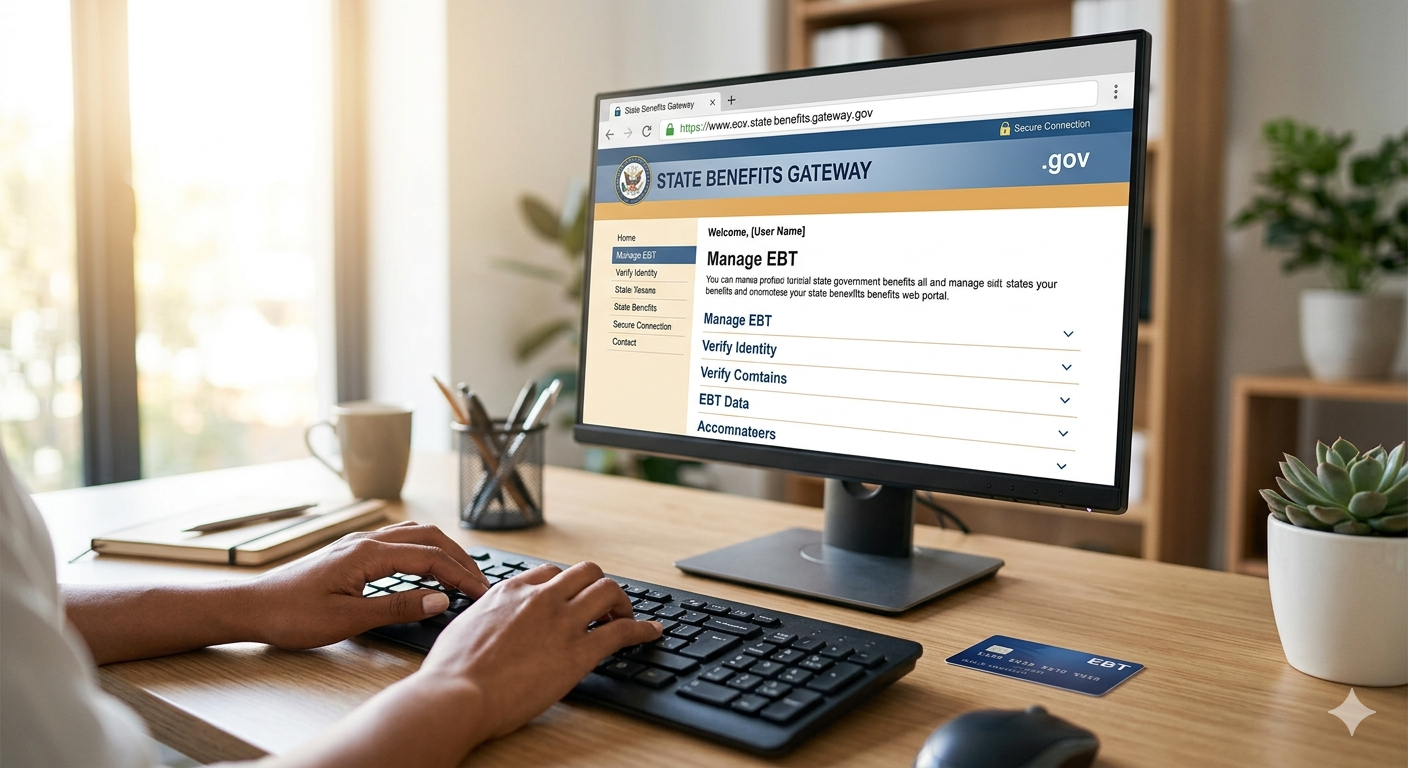
SNAP, formerly known as food stamps, provides eligible low-income individuals and households with an Electronic Benefits Transfer (EBT) card, which can be used to purchase nutritious food at participating retailers. To apply for SNAP, individuals typically need to provide several forms of documentation, including proof of income, residency, and identification. It is recommended to check with the local SNAP office or the state’s social services website for specific application procedures and requirements, as these can vary by state.
The WIC program, on the other hand, is specifically aimed at pregnant women, new mothers, and young children up to the age of five. WIC offers nutritional assistance, education about healthy eating, and access to health care services. Eligibility for WIC is based on income and nutritional risk, and applicants generally need to provide proof of income and identification, alongside a healthcare professional’s evaluation. Applications can often be initiated at local health departments or WIC clinics.
Both SNAP and WIC not only provide food assistance but also contribute to healthier eating habits and better health outcomes among participants. It is crucial for individuals seeking support to reach out to their local resources, as many communities offer comprehensive information on application processes and available services. By connecting with these programs, individuals and families can enhance their access to nutritious food and improve their overall well-being.
Seeking Support and Overcoming Challenges
Finding food assistance can often be a daunting process, compounded by emotional and logistical challenges. Many individuals may feel reluctant to seek help due to the stigma associated with food insecurity. This stigma can lead to feelings of shame and isolation. It is crucial to recognize that seeking food assistance is a sign of strength and resilience, not a weakness. Building connections with community support groups can serve as a vital first step in overcoming these emotional barriers.
To combat the stigma, individuals are encouraged to start by educating themselves about local resources available in their community. Engaging with support networks, such as food banks or community centers, can provide not only tangible resources but also a sense of belonging. These organizations are often staffed by compassionate individuals who understand the challenges of food insecurity and can offer guidance tailored to your family’s specific needs.
Additionally, reaching out to local organizations fosters a sense of community and may lead to forming valuable connections. Many groups host food drives or offer volunteer opportunities, enabling individuals to give back while receiving support. Building relationships within these networks can alleviate feelings of isolation and create a support system that extends beyond just food assistance.
Furthermore, sharing personal stories of resilience can inspire others who may be hesitant to seek help. Hearing about the challenges faced and triumphed over by others can provide hope and encourage individuals to take that first step towards seeking assistance. Many testimonials highlight how reaching out for help transformed their lives, illustrating that it is not only acceptable but essential to ask for help when needed.
In conclusion, overcoming the emotional and logistical challenges associated with seeking food assistance is a journey that requires support, understanding, and community. By reaching out to local organizations and connecting with others, individuals can navigate these systems successfully and find the assistance they need.