The Supplemental Nutrition Assistance Program (SNAP), formerly known as food stamps, is a federal assistance initiative designed to provide support to low-income families and individuals in meeting their nutritional needs. Established to alleviate hunger and improve food security, SNAP aims to ensure that households can afford a nutritionally adequate diet. By providing financial assistance for purchasing food, the program plays a vital role in supporting public health and enhancing overall well-being.
Eligibility for SNAP benefits is based on multiple factors, including household size, income, and expenses. Generally, individuals and families with gross incomes at or below 130% of the federal poverty line may qualify. This assessment includes a thorough evaluation of total household income, which can be derived from various sources, including wages, disability payments, and child support. Additionally, applicants must meet certain residency requirements within their respective states to access SNAP services.
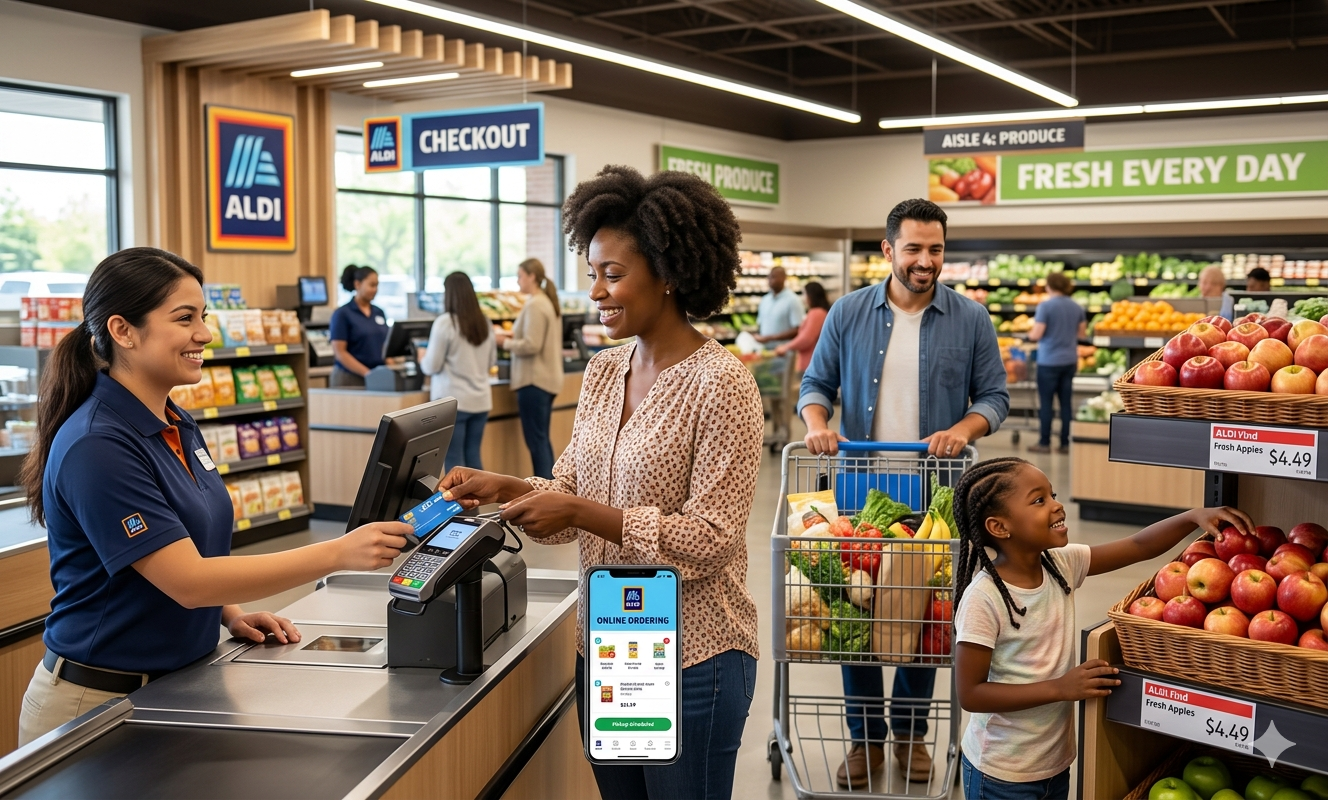
The benefits offered through SNAP are typically provided through an Electronic Benefits Transfer (EBT) card, which functions similarly to a debit or credit card. Recipients can use this card to purchase eligible food items at authorized retailers. Importantly, the program is not intended to cover all food expenses but rather to supplement a household’s budget, enabling families to allocate their limited resources more effectively. SNAP plays a crucial role in mitigating food insecurity among vulnerable populations by helping families stretch their dollars further.
In summary, SNAP is a fundamental program designed to assist low-income individuals and families in accessing nutritious food. By understanding its purpose, eligibility criteria, and benefits, potential applicants can navigate the system with greater ease, thereby ensuring that they receive the necessary support to enhance their food security and overall health.
Eligibility Requirements for SNAP in 2026
The Supplemental Nutrition Assistance Program (SNAP), formerly known as food stamps, has specific eligibility requirements that applicants must meet in order to receive benefits. These criteria include household income limits, resource restrictions, and various other factors that can influence eligibility.
In 2026, the income limit for eligibility is primarily based on the household’s gross income. This gross income must be at or below 130% of the federal poverty level, which varies based on household size. For example, a household of one must have a monthly income of less than approximately $1,500, while a family of four typically should not exceed around $3,200 per month. In addition, net income after allowable deductions must also fall within the limits to qualify for the program.
Resource restrictions are another crucial component of SNAP eligibility. In 2026, households are limited to having no more than $2,750 in countable resources, or $4,250 for households that include an elderly or disabled member. Countable resources primarily include cash, bank accounts, and investments, while certain assets, such as a primary residence and retirement accounts, typically do not count against these limits.
Household composition also plays a vital role in determining eligibility. The definition of a household can vary; it may consist of a single individual or multiple individuals who live together and share expenses. Therefore, the total number of persons in the household can affect income and resource limits. For instance, larger families will have higher income thresholds to qualify. Additionally, certain deductions, such as childcare costs or medical expenses for elderly or disabled members, can improve the likelihood of meeting the income eligibility criteria.
Documents Required for SNAP Application
When preparing to apply for the Supplemental Nutrition Assistance Program (SNAP), it is crucial to gather the necessary documents to facilitate a smooth application process. Below is a list of essential documents required for SNAP eligibility verification.
Proof of Identity: Applicants must provide documentation that verifies their identity. Acceptable documents include a state-issued driver’s license, state identification card, or a passport. These documents help ensure that the applicant is indeed who they claim to be.
Income Documentation: To determine eligibility for SNAP benefits, proof of income is essential. This may encompass recent pay stubs, tax returns, or bank statements. In cases where applicants are unemployed, they may need to submit documentation proving their employment status, such as letters of termination or unemployment benefit statements.
Residency Verification: Applicants are required to demonstrate that they reside in the state where they are applying for SNAP. Acceptable forms of residency verification include utility bills, lease agreements, or mortgage statements that display the applicant’s name and address. Providing these documents is vital to establish the applicant’s claim of residency.
Social Security Numbers: All household members applying for SNAP must have their Social Security numbers (SSNs). If an individual does not possess an SSN, they may need to provide alternative documents requested by the SNAP office.
Other Relevant Papers: Depending on individual circumstances, additional documents may be requested. This may include child support or alimony arrangements, as well as any costs related to childcare or disability expenses. Gathering this documentation in advance can streamline the application process.
Having the required documents ready enhances the efficiency of the SNAP application process and helps in the timely determination of benefits. Proper preparation ensures compliance with program requirements and improves the applicant’s chances of receiving support.
Where to Apply for SNAP: Locations and Options
Applying for the Supplemental Nutrition Assistance Program (SNAP) requires navigating various options available to potential applicants. It is important to understand these avenues to determine which is most suitable for your needs. The primary ways to apply for SNAP include local SNAP offices, online portals, and over the phone.
Many states operate local SNAP offices where individuals can submit their applications in person. These offices offer face-to-face assistance, allowing applicants to ask questions and receive guidance throughout the application process. It may be beneficial to bring any required documents, such as proof of income or identity, to expedite the process. The availability and location of these offices can often be found on your state’s official SNAP website, where a directory is generally provided.
In addition to in-person applications, most states allow residents to apply for SNAP online. Online applications can be accessed through the state’s dedicated SNAP website, making it a convenient option for many individuals. This method allows applicants to fill out and submit their information anytime, without having to visit an office. It is essential to ensure that the internet connection is secure while completing the online application to protect personal information.
For those who may be unable to apply online or visit a local office, phone applications are another viable option. States typically have dedicated hotlines that individuals can call to complete their applications verbally. A representative will guide the caller through the questions and requirements during this process, ensuring that all necessary information is captured. Additionally, some states provide resources and support to help applicants locate their nearest SNAP office or understand the online application process better.
Step-by-Step Guide to the SNAP Application Process
Applying for the Supplemental Nutrition Assistance Program (SNAP) involves a straightforward process, which can be broken down into several key stages to ensure a successful application in 2026. This guide presents a step-by-step approach to facilitate your understanding and streamline the application process.
First and foremost, applicants need to gather the necessary documentation. It is essential to have identification such as a driver’s license or state ID, proof of residency (like a utility bill), income information (recent pay stubs or tax returns), and any other relevant records such as child support or medical bills. Having these documents ready will expedite the application process significantly.
Next, the application can be completed online through the official government website or, alternatively, through local offices. For those choosing to apply online, navigating through the user-friendly interface is recommended. The application typically consists of sections that request personal information, household details, and food costs. It is crucial to answer all questions accurately and thoroughly to avoid delays.
Once the application is submitted, applicants can expect confirmation from their state’s SNAP office. Typically, one can expect to receive an acknowledgment within a week. The processing time for SNAP applications can range from a few days to about 30 days; however, this depends on the state’s specific regulations, including the completeness of the application.
After application approval, recipients will receive an Electronic Benefit Transfer (EBT) card, which can be used at approved retailers. It is also important to stay informed about any follow-up interviews or additional documentation requests to ensure continued eligibility. Understanding these steps will help applicants navigate the SNAP application process effectively in 2026.
What Happens After You Apply: Understanding the Review Process
Once you have submitted your application for the Supplemental Nutrition Assistance Program (SNAP), it enters a review process conducted by your state’s SNAP office. This process typically begins with the preliminary assessment of your application to ensure that all necessary information and documents have been provided. Depending on the state and the specific circumstances of the applicant, this initial review can take anywhere from a few days to several weeks.
During the review process, the SNAP office may require additional information or clarification, which could entail an interview with the applicant. Interviews might be conducted over the phone or in person, and they serve to verify the details provided in the application. It is important for applicants to be prepared to discuss their household, income, and expenses in greater detail during this stage.
After the review, the SNAP office will make a decision regarding your eligibility. Typically, applicants can expect to receive a determination letter within 30 days of the application submission. This letter will inform you whether you have been approved or denied SNAP benefits. If your application is denied, the letter will include reasons for the denial and information on how to appeal the decision, should you choose to do so.
If approved, the letter will detail how much assistance you will receive, what benefits are available, and when they will be issued. Following approval, applicants should monitor their benefits closely, as they may need to reapply or recertify their eligibility after a designated period, often every 6 to 12 months. Understanding these subsequent steps can help ensure that applicants are prepared to continue receiving assistance without interruption.
Understanding SNAP Benefits: What You Can Purchase
The Supplemental Nutrition Assistance Program (SNAP) provides vital support to millions of households across the United States, enabling them to purchase nutritious food. However, it is essential to understand what items can be bought with SNAP benefits, as there are specific guidelines regulating eligible purchases.
SNAP benefits can be used to acquire a wide range of food items for home consumption. This includes fruits and vegetables, meats, fish, poultry, dairy products, breads, cereals, and non-alcoholic beverages. Additionally, seeds and plants that produce food for the household are also eligible purchases. For instance, purchasing fresh apples, whole grain bread, or pantry staples like rice and pasta is permissible under SNAP.
It is important to note, however, that certain items are excluded from SNAP benefits. Non-food items such as household goods, toiletries, and personal hygiene products cannot be purchased using these benefits. Furthermore, prepared foods intended for consumption in a store or fast food restaurants are ineligible. For example, buying a hot meal from a deli or hot food bar is not permitted, as SNAP is designed to encourage the purchase of food that can be prepared at home.
Many beneficiaries find themselves with common questions about their SNAP purchases. A frequently asked question pertains to the purchase of vitamins and supplements; these items are not covered by SNAP benefits. Another query often arises regarding the use of benefits to buy energy drinks; most energy drinks fall outside of the eligible food category unless they have a nutritional label akin to food products.
Understanding these guidelines is crucial for SNAP users to ensure they are utilizing their benefits effectively while adhering to regulations. Being informed can lead to better choices and improved nutritional outcomes for families relying on this essential program.
Troubleshooting Common Issues in the SNAP Application Process
The Supplemental Nutrition Assistance Program (SNAP) can provide crucial assistance to millions of Americans facing food insecurity. However, applicants may encounter numerous challenges throughout the application process. This section aims to elucidate some of the common issues applicants face and provide practical solutions for resolution.
One frequent issue is application denial. This can occur for various reasons, such as income exceeding eligibility thresholds or failing to provide required documentation. If you face a denial, it is essential to carefully review the notification letter from your local SNAP office. The letter typically outlines the rationale behind the decision and the steps you can take to appeal. Ensuring that you provide accurate and comprehensive information when completing your application can help to mitigate the risk of denial.
In some cases, applicants may need to appeal a SNAP decision. To initiate this process, it’s important to file your appeal within the timeframe specified in your denial notice. Collect all relevant documentation and present a clear argument detailing why you believe the denial was unjustified. A local advocacy group can also offer assistance and guide you through the appellate process.
Another common issue is the loss of Electronic Benefits Transfer (EBT) cards. If your card is lost or stolen, you should report it immediately to your state’s SNAP office. They will provide guidance on securing a replacement card and ensuring that your benefits are not misused. Generally, a replacement card can be issued within two weeks, but some states have expedited options for urgent cases.
Adjusting benefits might also become necessary due to changes in your household circumstances. In such instances, promptly notifying your local SNAP office can facilitate a smooth transition and help ensure you continue receiving the appropriate level of assistance. Regularly reviewing your benefits status and promptly addressing any discrepancies can further enhance your experience with the program.
Resources and Support for SNAP Applicants
Applying for the Supplemental Nutrition Assistance Program (SNAP) can be a complex process, and applicants may require additional resources and support. Numerous organizations and programs are available to assist individuals as they navigate their SNAP application. One of the primary resources is the official SNAP website, where applicants can find detailed information on eligibility requirements, application procedures, and frequently asked questions. This website also provides links to state-specific resources, ensuring that applicants receive the most relevant information for their location.
Furthermore, local SNAP offices are essential points of contact for applicants. These offices offer in-person support and can guide individuals through the application process, help with document submissions, and address specific concerns related to eligibility. Most states have hotlines dedicated to providing real-time assistance, allowing applicants to speak directly with trained professionals who can answer questions and offer support.
Community outreach programs also play a crucial role in assisting individuals applying for SNAP. Many organizations, such as food banks and nonprofit agencies, provide access to SNAP counselors who can assist with the application process. These counselors may offer workshops, informational sessions, and one-on-one guidance tailored to the individual’s needs. Additionally, numerous faith-based organizations offer support services that can connect applicants with helpful resources.
For those who prefer online tools, various websites offer interactive eligibility quizzes and application assistance programs. These tools can help individuals determine their eligibility and guide them through the submission process, making the experience more straightforward. Utilizing these diverse resources will enhance the likelihood of a successful SNAP application.