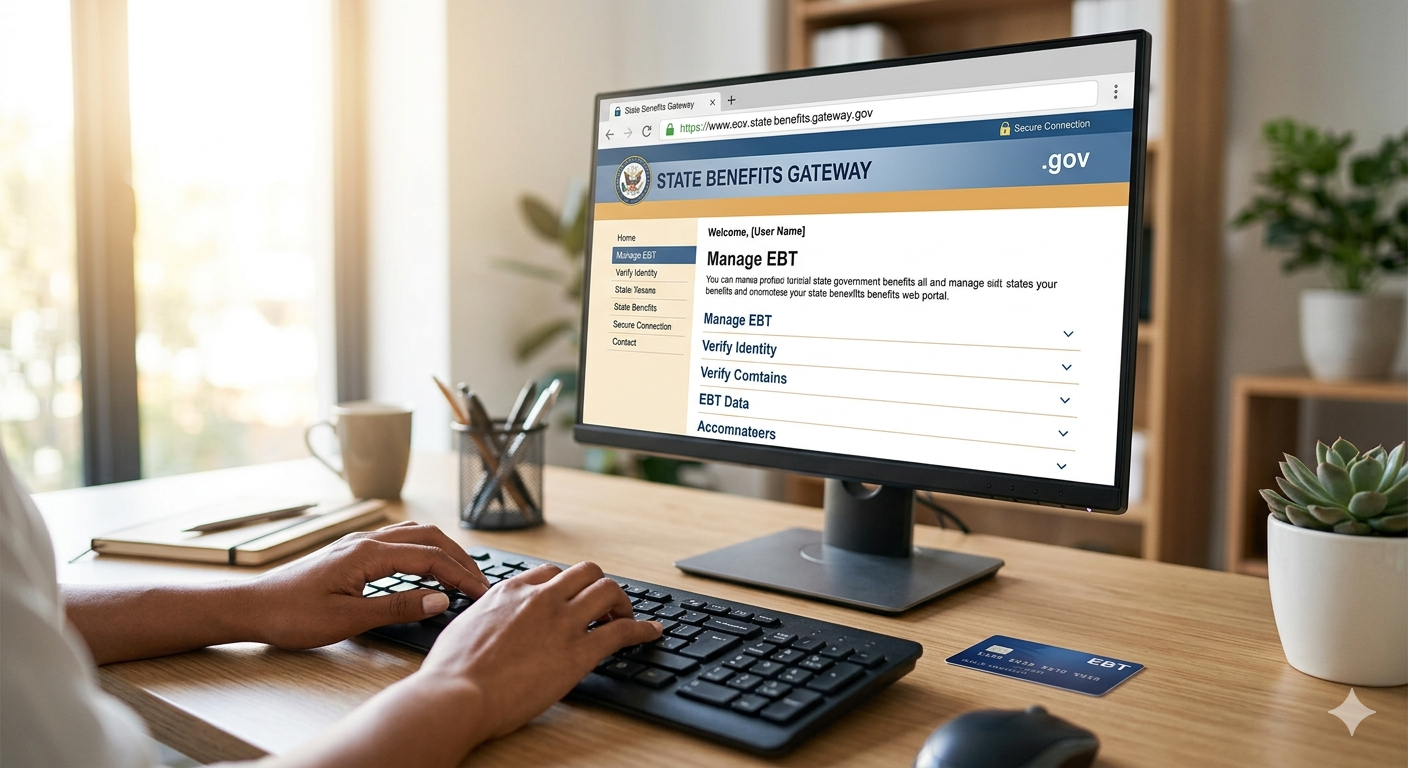
The Supplemental Nutrition Assistance Program (SNAP), often referred to as food stamps, serves as a crucial safety net for millions of individuals and families across the United States. Created to alleviate hunger and ensure access to nutritious food, SNAP plays a significant role in enhancing the overall well-being of low-income households. The program provides benefits that can be used to purchase food, thereby promoting healthier dietary choices and reducing food insecurity.
Eligibility for SNAP benefits is determined by several factors, primarily focusing on income, household size, and resources. Individuals or families must meet specific income limits, which vary based on the number of members within the household. These income limits are adjusted annually to reflect changes in the cost of living, thus ensuring that assistance is available to those most in need.
Potential applicants must also consider their assets, though certain exemptions apply, such as the value of a primary residence and retirement accounts. Moreover, SNAP is designed to support various demographic groups, including children, the elderly, and individuals with disabilities, recognizing that food assistance is vital for diverse populations.
The application process for SNAP can often be daunting due to its complexity. However, it is essential for qualifying individuals to understand the requirements and seek assistance if needed. Local agencies and non-profit organizations often provide support and guidance in completing the application, which can significantly improve the chances of approval for benefits.
In essence, SNAP is more than just an assistance program; it represents a commitment to ensuring that all individuals have access to nutritious food. Understanding the eligibility criteria for this vital program can empower those who may benefit from its support to take the steps necessary to improve their food security and overall quality of life.
Understanding SNAP Income Limits in 2026
In 2026, the Supplemental Nutrition Assistance Program (SNAP), commonly known as food stamps, will maintain specific income limits that determine eligibility for assistance. These limits are crucial for individuals and families seeking food security. As such, understanding both federal and state-specific variations in SNAP income limits is essential for those considering applying for benefits.
Federal income limits for SNAP are based on the Federal Poverty Level (FPL), which adjusts annually. In 2026, the anticipated thresholds will again reflect the economic conditions and inflationary trends affecting households. The income limits are categorized into gross and net income calculations. Gross income includes all sources of income before any deductions, such as wages, pension income, and unemployment benefits. The gross income limits for households seeking SNAP assistance are typically set at 130% of the FPL.
Conversely, net income is the amount that remains after allowable deductions are applied to gross income. These deductions can include expenses such as childcare, elderly care, and medical costs, as well as other necessary living expenses. For eligibility, households must meet both gross and net income limits, which vary based on household size. For example, a household of one may have a gross income limit approximately around $1,500 per month, while a household of four may see limits extending to roughly $3,000 per month in gross income.
It is also important to note that some states may opt to implement their own income limit criteria for SNAP benefits. This can result in differences in the amounts allowed and what deductions are considered eligible. Therefore, potential applicants should review their specific state guidelines in conjunction with federal standards to fully understand their eligibility for SNAP benefits in 2026.
Eligibility Criteria for SNAP Benefits
The Supplemental Nutrition Assistance Program (SNAP), often referred to as food stamps, provides essential nutritional support to millions of eligible individuals and families across the United States. The eligibility for SNAP benefits is determined by several factors that are crucial in assessing an applicant’s needs and circumstances.
To qualify for SNAP benefits, individuals must meet specific residency and citizenship requirements. Generally, applicants must be U.S. citizens, though certain categories of non-citizens, such as refugees or asylees, may be eligible under specific conditions. Additionally, residency within the state where the application is submitted is mandatory. Each state has its own parameters governing the SNAP program, and individuals must be residents of that particular state.
A significant determinant of eligibility is the household’s income, which must fall within the established SNAP income limits. This includes assessing gross and net income, which consists of wages, benefits, and any other financial resources. Households particularly vulnerable, such as those with children, elderly members, or disabled individuals, may have more lenient criteria regarding income calculations. The program aims to support USDA’s goal of alleviating hunger among low-income families.
Moreover, applicants must not possess certain disqualifying conditions. For instance, individuals convicted of certain felonies, those who are participating in an intentional program violation, or those who have failed to comply with work requirements may find their eligibility restricted. It is essential to understand that various factors play a crucial role in determining who qualifies for this vital assistance program, and applicants should ensure all necessary criteria are met before submission.
How to Calculate Your Household Income for SNAP
Determining your household income is a critical step in assessing your eligibility for the Supplemental Nutrition Assistance Program (SNAP). The calculation must account for a variety of income sources, ensuring that you meet the program’s income limits. First, it is essential to identify all sources of income that should be included in your calculation. This typically encompasses wages, self-employment earnings, unemployment benefits, Social Security, pensions, and any other recurring income sources.
Next, it’s important to understand that SNAP evaluates both gross and net income. Gross income is the total income before any deductions, while net income is computed after allowable deductions are applied. Therefore, when calculating your income for SNAP, you must accurately report all earnings and then consider any deductions for which you may qualify. Common deductions include expenses related to dependent care, medical costs for elderly or disabled individuals, and certain work expenses. It is crucial to review the specific guidelines for the state in which you reside, as these can vary significantly.
To assure accuracy in your reporting, it is advisable to gather documentation regarding your income, such as pay stubs, bank statements, and tax return forms. Keeping a detailed record can help validate your income sources and ensure that your calculations align with SNAP requirements. Additionally, using an online SNAP eligibility calculator can provide guidance on what counts as income and what deductions can be applied. This proactive approach can help streamline your application process and verify your household’s eligibility for assistance.
Asset Limits for SNAP Eligibility
Eligibility for the Supplemental Nutrition Assistance Program (SNAP) is determined not only by income but also by asset limits, which may vary by state. Some states apply an asset test to assess the financial resources of applicants. Generally, an asset is anything of value that a household owns that can be readily converted into cash. This includes savings accounts, stocks, and bonds, among other financial resources.
The asset limits established for SNAP beneficiaries predominantly depend on household size. For example, in most states, a household of one is typically allowed assets up to $2,250, while a household size of two may be permitted assets up to $3,250. In larger households, the asset thresholds incrementally increase, reaching a cap of approximately $10,000 for a household of eight members. However, it’s crucial to note that certain assets are often excluded from this calculation when determining eligibility for SNAP benefits.
Common exclusions from the asset test include the value of a primary residence, a car used for transportation, retirement accounts, and some educational savings accounts. Hence, while financial resources play a vital role in determining SNAP eligibility, households may still qualify for assistance irrespective of their savings or possessions when these exempt assets are factored in.
Prospective SNAP applicants should review the specific asset limitations and exemptions applicable in their respective states, as regulations can significantly differ across regions. Understanding these nuances is essential for accurately assessing eligibility for food assistance programs and ensuring access to allocated resources.
Application Process for SNAP Benefits
The Supplemental Nutrition Assistance Program (SNAP) provides essential food assistance to eligible individuals and families. Applying for SNAP benefits involves several key steps, ensuring that applicants have access to necessary resources and information. The following guide outlines the application process comprehensively.
First, interested applicants should determine their eligibility. SNAP eligibility is primarily based on household income, size, and expenses. It is prudent to review the latest income limits set forth for the year 2026, which can be found on official state or federal websites.
Once eligibility is confirmed, the next step is to obtain the SNAP application. This can be achieved by visiting the local SNAP office or accessing the application online via the Department of Agriculture’s website or through state-specific portals. It is advisable to carefully read all instructions before filling the application to ensure that every necessary section is completed accurately.
The documentation required typically includes proof of identity, residency, income sources, and expenses related to housing, childcare, and medical bills. Gathering these documents beforehand can streamline the application process significantly.
Applicants can choose between applying online or opting for an in-person visit to their local SNAP office. Online applications are often more convenient and faster, as they may provide immediate feedback on application status. Conversely, in-person applications can offer the benefit of face-to-face assistance from SNAP representatives, which is particularly useful for first-time applicants or those requiring additional guidance.
Lastly, it is crucial to note any upcoming application deadlines or renewal processes for existing benefits. Many states require periodic reassessments of eligibility, emphasizing the importance of staying informed to ensure continuous access to SNAP benefits.
Appealing a SNAP Denial
If you have recently applied for the Supplemental Nutrition Assistance Program (SNAP) and received a denial, it is essential to understand your rights and the steps you can take to appeal that decision. First and foremost, remember that you are entitled to a fair review process if you believe that your application was unjustly denied. The SNAP program has specific procedures in place to ensure that each appeal is handled fairly and thoroughly.
The first step in the appeal process is to request a fair hearing. This request should be made within 90 days of receiving the notice of denial. It is imperative to adhere to this timeline because late requests may not be considered. You can submit your appeal request through your local SNAP office or online, depending on the state you reside in.
Documentation plays a crucial role in the appeal process. When appealing, gather all relevant information that supports your claim. This could include proof of income, household expenses, and any other documentation that substantiates your eligibility for benefits. Maintaining a detailed record of communications with the SNAP office will also aid your case, as it provides a clear timeline and context for your appeal.
Once your appeal is filed, a hearing will be scheduled, typically within 30 days. During this hearing, you will have the opportunity to present your case and any supporting evidence. It is advisable to familiarize yourself with the hearing process and, if possible, consult with a legal expert or advocate who can guide you through this crucial stage.
After the hearing, a decision will be rendered, and you will be informed in writing. If the outcome is still unfavorable, you may explore further legal action or assistance from advocacy organizations. Understanding the SNAP appeal process is essential to ensure that your rights are protected, and that you are not unjustly deprived of the assistance you need.
The Supplemental Nutrition Assistance Program (SNAP) is designed to aid low-income individuals and families in accessing nutritional food. However, many people harbor questions about the program, ranging from eligibility criteria to how benefits are calculated. Below, we address some of the most frequently asked questions regarding SNAP.
What are the general eligibility requirements for SNAP? To qualify for SNAP benefits, applicants must meet specific income and resource limits, which can vary by household size and location. Generally, households must have a gross income that is 130% or less of the federal poverty line. Additionally, certain non-financial criteria, such as citizenship status and work requirements, must be met.
How are SNAP benefits calculated? SNAP benefits are determined based on the household’s net income, allowable deductions, and household size. Each state uses a formula to calculate the monthly benefit allotment intended to cover a portion of the household’s food expenses. It is important to note that states may also consider certain factors, such as dependent care or medical expenses, which can influence the total benefit amount.
Does receiving SNAP affect eligibility for other assistance programs? Receiving SNAP benefits does not automatically disqualify individuals from other assistance programs. In fact, many states incorporate SNAP benefits as a resource in determining eligibility for various programs like Temporary Assistance for Needy Families (TANF) and housing assistance. It is crucial for individuals to understand how receiving SNAP may impact their overall assistance profile.
By addressing these commonly asked questions, we hope to provide clarification and encourage individuals who may qualify for SNAP to explore the resources available to them.
Conclusion and Resources
As we have examined, qualifying for the Supplemental Nutrition Assistance Program (SNAP) in 2026 largely depends on an individual’s or household’s income relative to the established income limits. Understanding these thresholds is crucial as they determine eligibility for food assistance, which is vital for many households facing food insecurity. The income limits are adjusted annually, reflecting changes in the cost of living and inflation. Therefore, it is essential for potential applicants to stay informed about these figures as they may be updated regularly.
Moreover, SNAP not only assesses income but also considers other factors such as household size, expenses, and assets. This multifaceted approach underscores the need for individuals seeking assistance to gather the necessary documentation and information before applying, ensuring that their applications reflect their true financial situation.
For those looking for help with their SNAP applications or seeking additional resources, numerous organizations and tools are available. Most states have dedicated SNAP offices where residents can receive guidance tailored to their unique situations. Additionally, online calculators are accessible that can assist in determining eligibility based on current income levels, household composition, and expenses. Furthermore, community organizations often provide support by helping individuals navigate the application process and offering additional resources for food and nutrition.
It is important for participants to utilize these resources to maximize their chances of approval and ensure they receive the critical assistance they need. Staying educated about SNAP and related resources can significantly impact the lives of many individuals and families as they strive to maintain food security amidst economic challenges.