Summer food stamps, officially known as the Summer Food Service Program (SFSP), is a crucial initiative designed to provide nutritional assistance to children when they are not receiving meals in school during the summer months. This program serves as an essential resource, especially for low-income families who rely on the subsidized meals offered at schools throughout the academic year.
The primary goal of summer food stamps is to eliminate food insecurity concerns by ensuring that children continue to receive adequate nutrition during the summer break. Unlike regular food stamps, which offer assistance to eligible households for purchasing food in grocery stores, summer food stamps specifically target children and aim to provide meals through designated feeding sites such as community centers, parks, and schools. This distinction is vital in understanding how SFSP operates and who it serves.
Implemented by the U.S. Department of Agriculture, the Summer Food Service Program was initiated to address the nutritional gap that occurs when school meals, often overlooked, are not available during the summer months. The program is structured to provide meals that meet nutritional standards, thus promoting both physical health and cognitive development among children. Participating organizations must adhere to the federal guidelines to qualify for funding; these guidelines ensure that the meals provided are nutritious, balancing proteins, grains, fruits, and vegetables.
In addition to regular meals, some sites may offer educational activities to encourage healthy eating habits and physical activity among children. With a focus on fostering well-being and bridging the nutritional divide, summer food stamps play an integral role in supporting vulnerable populations, making it imperative for eligible families to understand how to access these benefits and the specific requirements involved.
Eligibility Requirements for Summer Food Stamps
Determining whether a child qualifies for summer food stamps in 2026 is crucial for ensuring they receive the necessary nutritional assistance. The eligibility criteria primarily hinge on several factors, including age, family income, residency, and specific state regulations.
First and foremost, age limits are significant determinants. Generally, to qualify for summer food stamps, a child must be between the ages of 0 and 18. However, in certain programs, individuals up to the age of 21 may be eligible if they are enrolled in secondary education. This provision aims to support youth who may otherwise fall through the cracks as they transition out of traditional schooling.
Family income thresholds also play a critical role in eligibility. To qualify for summer food stamps, a family’s income usually must fall at or below 185% of the Federal Poverty Level (FPL). This percentage can vary depending on family size, and parents or guardians are encouraged to consult the specific income guidelines applicable in their state. Consequently, if the family’s income exceeds this limit, their child may not qualify for the program.
Residency requirements can vary by state, but generally, children must reside in the state where they are applying for benefits. Moreover, the household must participate in a qualifying program, such as the National School Lunch Program or another federal nutrition assistance program. Certain states may also have local regulations aimed at qualifying children from low-income households, ensuring that assistance reaches those most in need.
Understanding the eligibility criteria is essential for parents and guardians considering summer food stamps for their children. By assessing these factors, families can determine their eligibility and take the necessary steps to secure nutritional support during the summer months.
Income Guidelines for Summer Food Stamps
Understanding the income guidelines for summer food stamps is crucial for determining eligibility for financial assistance during the summer months. Summer food stamps, also known as summer electronic benefit transfer (EBT), are designed to ensure that children from low-income families receive adequate nutrition when school meals are not available. The income thresholds set by the program take into account various factors, including family size.
The U.S. Department of Agriculture (USDA) provides specific income guidelines that need to be adhered to, and these thresholds are typically updated annually. In general, eligibility is determined by comparing a household’s income to the federal poverty level (FPL). For instance, a family of four may qualify for summer food stamps if their gross monthly income does not exceed a predetermined percentage of the FPL, which typically ranges from 130% to 185%, depending on the program specifics and state regulations.
To illustrate, as of 2023, a family of four with a gross monthly income of $3,000 could be eligible for assistance since this amount would fall below the 185% threshold in many states, given the FPL figure for that household size. Households with more members will discover that their income limits will increase accordingly. Therefore, assessing the total household income accurately is essential for qualification.
To calculate your household income correctly, consider all sources of income, including wages, pensions, and any other financial assistance. Ensure to account for any taxes or deductions to arrive at an accurate estimate. It is also important to maintain documentation of income sources, which may be required for verification purposes during the application process.
Application Process for Summer Food Stamps
The application process for summer food stamps is designed to be straightforward, ensuring that eligible families can access this essential support. The first step is to identify your state’s specific program related to summer food assistance, as each state may have variations in process and requirements.
To begin the application, you typically need to visit your local Department of Social Services or the equivalent agency responsible for administering food assistance programs in your state. Many states also provide the option to apply online through their official website, which can expedite the process and is often considered more convenient.
When applying, it is essential to gather the necessary documentation beforehand. Common requirements include proof of income, identification for both the parent and the child, and any relevant documentation concerning the child’s eligibility for free or reduced lunch during the school year. Being organized with these documents can significantly improve the efficiency of your application experience.
Additionally, it is crucial to be aware of the deadlines for applying for summer food stamps. Each state may have different deadlines, and missing them could result in a lack of assistance during the summer months. It is advisable to check the specific dates on your state’s website or contact your local office directly for the most accurate information.
To ensure a smooth application process, consider these tips: file your application as early as possible, double-check all entries for accuracy, and stay in contact with the agency throughout the review process. This proactive approach can aid in addressing any potential issues that may arise, supporting a timely response to your application.
Benefits of Summer Food Stamps
The Summer Food Stamps program provides essential support to families, particularly during the months when children are out of school. One of the most significant advantages of this program is its role in enhancing family nutrition. By providing financial assistance for groceries, the program ensures that children have access to healthy meals. This is crucial as proper nutrition plays a vital role in their overall growth and development, which can be impacted by inconsistent meal availability during the summer.
Another critical benefit of the Summer Food Stamps program is its capacity to alleviate food insecurity. During the school year, many children benefit from free or reduced-price meals provided at school. However, the absence of these meals during the summer months can result in nutritional gaps for low-income families. The program addresses this concern by enabling eligible families to receive increased assistance that helps bridge the gap when school meals are no longer available. This continued access to food resources helps diminish the stress surrounding food shortages and ensures children have the nourishment they require.
Furthermore, the financial relief offered by summer food stamps can be significant for families facing economic hardships. With the rising costs of groceries, the assistance provided can help cover a substantial portion of grocery expenses, allowing families to allocate their limited resources towards other necessities, such as housing or healthcare. By enhancing access to food during the summer months, the program not only addresses immediate nutritional needs but also fosters a sense of stability and security within the family unit.
What to Expect from Summer Food Stamps
Summer food stamps, officially known as the Summer Electronic Benefits Transfer (EBT) program, provide crucial nutritional assistance to families with children during the summer months when school-based meal programs are not available. This program aims to ensure that children continue to have access to healthy food options when school is not in session, mitigating the risk of food insecurity during the summer break.
Eligible families generally receive a monthly benefit amount that can vary based on the number of children and their individual needs. As of 2026, the typical assistance can range between $30 to $40 per child; however, these figures can change based on federal funding and specific state guidelines. It is essential for families to check local regulations for the most accurate benefit information.
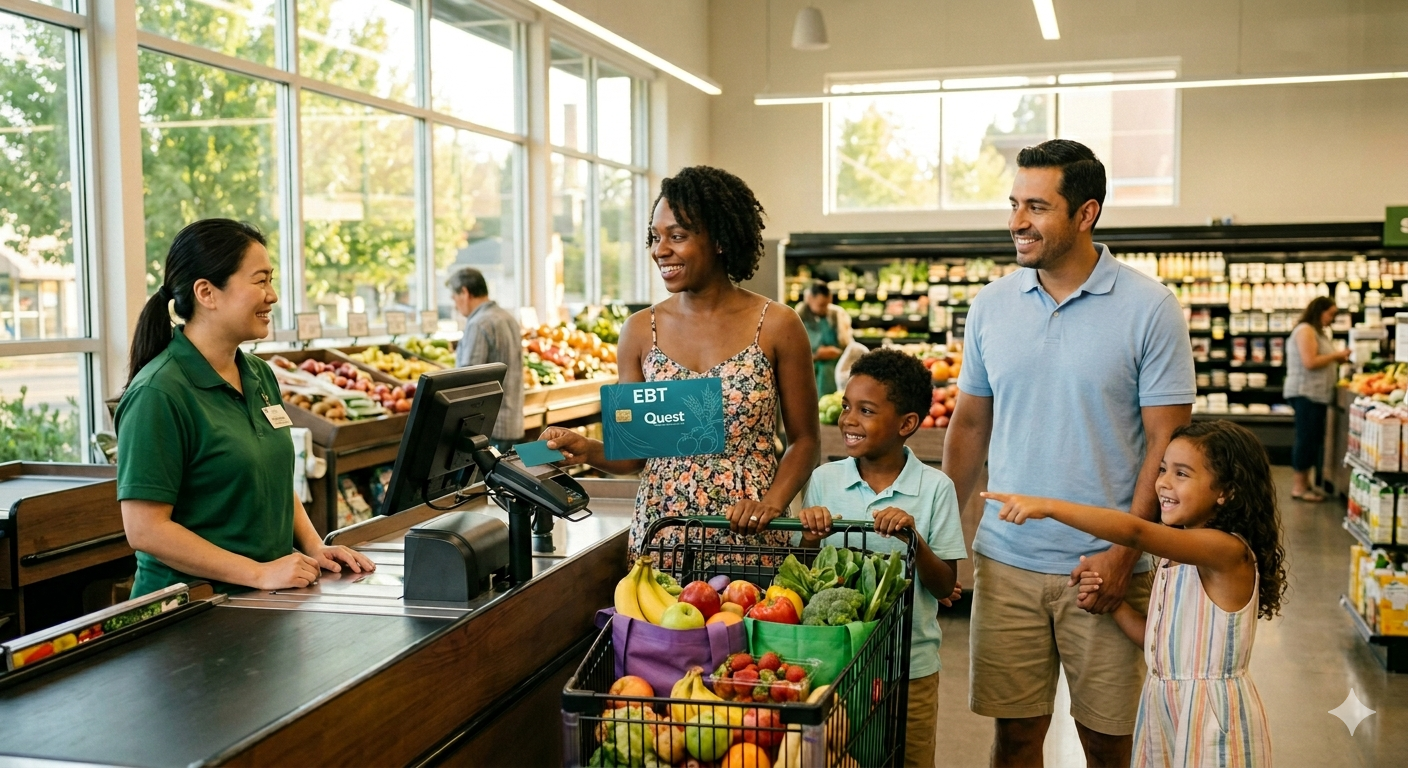
The summer food stamps benefits distributed to qualifying families through the EBT system are intended for use in purchasing eligible food items. These benefits can be used at grocery stores, farmers’ markets, and some convenience stores. It is crucial to understand that the benefits can only be used for food that meets the USDA’s nutritional guidelines, such as fruits, vegetables, grains, dairy, and protein sources.
While junk food and ready-to-eat meals are typically excluded, the program emphasizes providing options that promote healthy eating habits in children. Families should remain informed about what qualifies as eligible food items to maximize the benefits they receive effectively.
In summary, summer food stamps offer a critical support system for families during the summer months, ensuring that children have access to nutritious food. By understanding how the benefits work, families can navigate the program effectively and ensure their children do not go hungry during the summer break.
Frequently Asked Questions about Summer Food Stamps
Parents often have a myriad of questions regarding the application and eligibility process for summer food stamps. One common concern is what to do if their application is denied. In such cases, it is crucial for parents to understand their rights. They can appeal the denial by requesting a re-evaluation of their case through proper channels, which typically involves submitting a formal appeal letter to the local food assistance office. It is advisable to gather any additional documentation that may support the appeal, as this can strengthen their case.
Another issue that parents may encounter is a change in income after applying for summer food stamps. It is essential to promptly inform the relevant authorities of any income adjustments. Changes in household income, even if they result in a decrease, can significantly impact eligibility and benefit levels. Keeping communication lines open with caseworkers will help to ensure that the parent’s family receives the appropriate level of assistance.
If parents are looking for additional resources to help them navigate the summer food stamp program, several organizations offer support. Local food banks, community service organizations, and websites dedicated to food assistance can provide valuable information. Additionally, national organizations like the USDA Food and Nutrition Service can help families understand their benefits and locate nearby resources for food access. Being proactive and informed allows families to make the most of the assistance available to them.
It’s important for parents to stay engaged in the process by asking questions and seeking help when needed. This not only ensures their own understanding of summer food stamps but also empowers them to assist others within their community who might be facing similar challenges.
Finding additional support related to food assistance can significantly ease the burden on families seeking help during the summer months when school meals are unavailable. Numerous resources are available, including local food banks, community organizations, and government programs designed to assist families in need.
Local food banks are often the first stop for families requiring immediate food assistance. Organizations such as Feeding America maintain a robust network of food banks throughout the United States. Families can visit the Feeding America website to find a local food bank, check its hours of operation, and learn about any eligibility requirements or registration processes.
In addition to food banks, community organizations often provide resources for families facing food insecurity. Many churches and non-profit groups host food distribution events or community meals throughout the summer. Checking with local community centers or religious organizations can yield information on food resources and assistance programs available in your area.
Government programs such as the Supplemental Nutrition Assistance Program (SNAP) provide additional food assistance to families in need. In many states, the application processes for SNAP can be completed online. Parents can also inquire whether their state has specific summer feeding programs to ensure that their children have access to nutritious meals when schools are closed.
Lastly, the U.S. Department of Agriculture (USDA) provides a comprehensive list of resources relating to food assistance programs. Their website hosts information on eligibility criteria, application processes, and local resources available based on geographic location. Utilizing these resources can provide essential support to families needing assistance with food during the summer months.
Conclusion and Next Steps
In conclusion, ensuring that your child qualifies for summer food stamps is paramount in addressing their nutritional needs during the summer months. Through this comprehensive guide, we have discussed the essential eligibility requirements, including income thresholds, residency conditions, and the significance of timely applications. It is critical for parents to understand the importance of these programs in alleviating food insecurity and promoting health and well-being among children when school is not in session.
If you believe your child may qualify for summer food stamps in 2026, the first step is to gather all necessary documentation, such as proof of income, identification, and residency status. Familiarizing yourself with your state’s specific application procedures will also be beneficial; each state can have distinct rules and deadlines for applications. You can often find valuable resources and support through local community organizations dedicated to assisting families.
It is also advisable to keep abreast of any changes to the program, as regulations can shift from year to year. The United States Department of Agriculture (USDA) frequently updates information that can impact eligibility requirements or the application process. Additionally, engaging with school representatives or local agencies can further clarify available resources and support systems in your area.
Ultimately, taking proactive measures not only aids in securing essential summer food stamps but also fosters a safe environment for your child’s nutritional development. Consider reaching out to fellow parents for support and sharing information, as collective awareness can empower more families in your community to access available resources successfully.