An EBT (Electronic Benefit Transfer) card becoming undeliverable is a concerning issue for recipients relying on this important support mechanism. When the postal service categorizes an EBT card as undeliverable, it usually signifies complications associated with the address provided by the recipient. This situation can arise for several reasons, such as an outdated address, incorrect details, or an incomplete address that fails to allow successful delivery.
The most common reason for an EBT card being flagged as undeliverable is that the information on file does not match any recognized postal addresses. For example, if a recipient has moved recently and failed to update their information with the relevant government agency, the card will likely be sent to an incorrect or previous residence. Additionally, minor typographical errors in the address can also lead to delivery failures, resulting in delays that could impact the recipient’s ability to access their benefits.
When an EBT card is returned as undeliverable, the implications for users can be significant. Recipients may experience interruptions in receiving essential benefits designed to assist with food and other necessities. Furthermore, to resolve this matter, individuals will need to contact their local benefits office or the relevant agency to rectify the address discrepancies. Failure to address such issues swiftly may lead to prolonged periods without access to necessary resources, making it imperative to keep all information accurate and up to date.
In essence, understanding the meaning behind “undeliverable” is crucial for EBT card recipients as it helps underline the importance of maintaining accurate address information in order to avoid disruptions in service.
Common Reasons for EBT Card Non-Delivery
Understanding the reasons behind the non-delivery of Electronic Benefits Transfer (EBT) cards is essential for recipients to effectively resolve the situation. Several common issues can lead to EBT cards not reaching their intended destinations.
One of the primary reasons is outdated or incorrect address information. When individuals apply for benefits, they are required to provide their current address. If this information is not updated promptly when moving, the card can be sent to the old address, resulting in non-delivery. It is crucial for recipients to maintain accurate records and notify their local agency of any changes in their living situation.
Incomplete information during the application process can also contribute to the issue. If personal details, such as the recipient’s name or Social Security number, are not provided correctly, this can lead to complications in processing and shipping the EBT card. Ensuring that application forms are filled out completely and accurately minimizes these risks.
Additionally, postal service-related issues may impact the delivery of EBT cards. Delays in mail processing, mishandling, or extreme weather conditions can all contribute to delays in the card’s arrival. Recipients should confirm that their local postal service does not have any ongoing issues that could affect mail delivery.
To prevent potential non-delivery situations, individuals can take proactive measures. Regularly reviewing their benefits account online for card status or contacting customer service for updates can provide insight into delivery issues. It is advisable to double-check the registered address in case there have been any mix-ups, ensuring that all information is correct can facilitate the timely delivery of benefits.
How to Correct Your Address and Request a New EBT Card
When an Electronic Benefits Transfer (EBT) card is returned due to an incorrect address, it is crucial to take immediate action to resolve the issue. The first step is to correct your address information with the relevant agency that issued your EBT card. This is typically your local Department of Social Services or the equivalent organization in your state. To initiate the address correction process, you will need to gather necessary documentation, which may include proof of identity and residency such as a utility bill, lease agreement, or other official correspondence that displays your current address.
Once you have the required documents, contact the agency directly either by phone or online through their website. Many agencies have dedicated customer service numbers and online portals where you can submit your address change request. It is important to ensure that you provide accurate information to prevent any further issues with your EBT card delivery.
After successfully updating your address, you will need to request a new EBT card to be sent to your corrected address. This process may vary slightly depending on your state, but generally, you can request a replacement card through the same agency. Some states allow you to request a new EBT card online, while others may require you to call or visit an agency office in person. Be prepared to provide your identification information, including your Social Security number and case number, if applicable.
If you encounter any difficulties or have questions during this process, it is advisable to reach out for assistance. Many states have customer support lines where you can ask for help or clarification regarding your EBT card status. Ensuring that your address is correctly updated helps avoid complications in receiving benefits, allowing for timely access to essential resources.
Preventing Future Issues with EBT Card Delivery
Ensuring the successful delivery of EBT cards is essential for individuals reliant on assistance programs. Recipients can take several proactive steps to minimize the risk of delivery issues. First and foremost, it is imperative to keep personal information updated with the relevant authorities. This includes ensuring that your address, phone number, and any other contact details are current. Any changes in residence should be promptly reported to the issuing agency to avoid misdelivery.
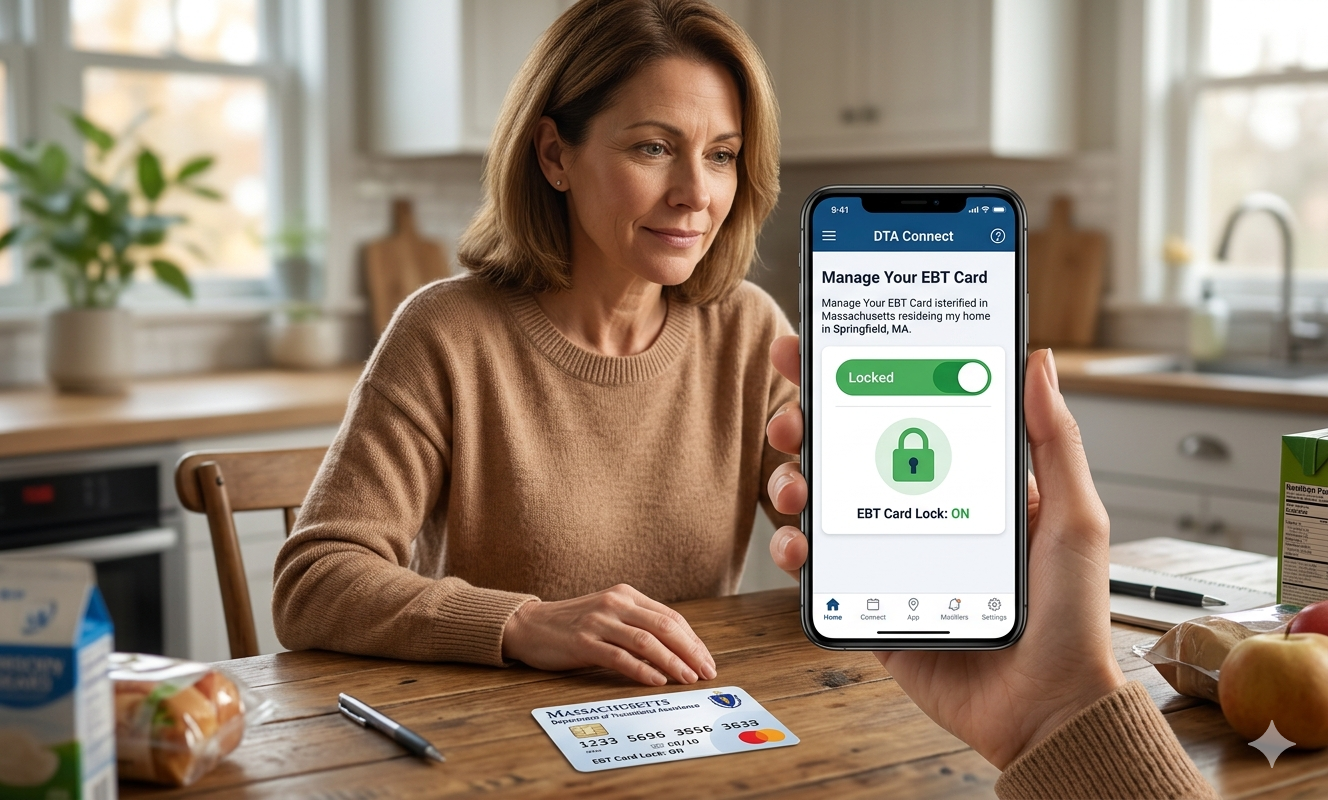
Regularly monitoring the delivery status of your EBT card can also be beneficial. Many states provide an online portal or mobile application where recipients can check their application status, delivery tracking, and any alerts regarding their benefits. Utilizing these resources can provide timely insights and allow users to take action if they notice any discrepancies or delays.
Another key measure to prevent issues with EBT card delivery involves establishing a reliable postal service experience. Recipients should consider using a secure mailbox or requesting a hold on their mail during periods of absence. Moreover, engaging with local post office services may help in obtaining information about the delivery timeline and potential interruptions in service. In some instances, individuals may benefit from opting for in-person pickup if their postal service is persistently unreliable.
Lastly, recipients are encouraged to communicate with their local EBT office or customer support for any concerns and guidance. Building a proactive approach toward communication can facilitate swift resolutions to any unforeseen issues that may arise regarding the delivery of EBT cards. Taking these preventive steps can lead to a smoother experience, ensuring that individuals have timely access to their benefits without unnecessary interruptions.