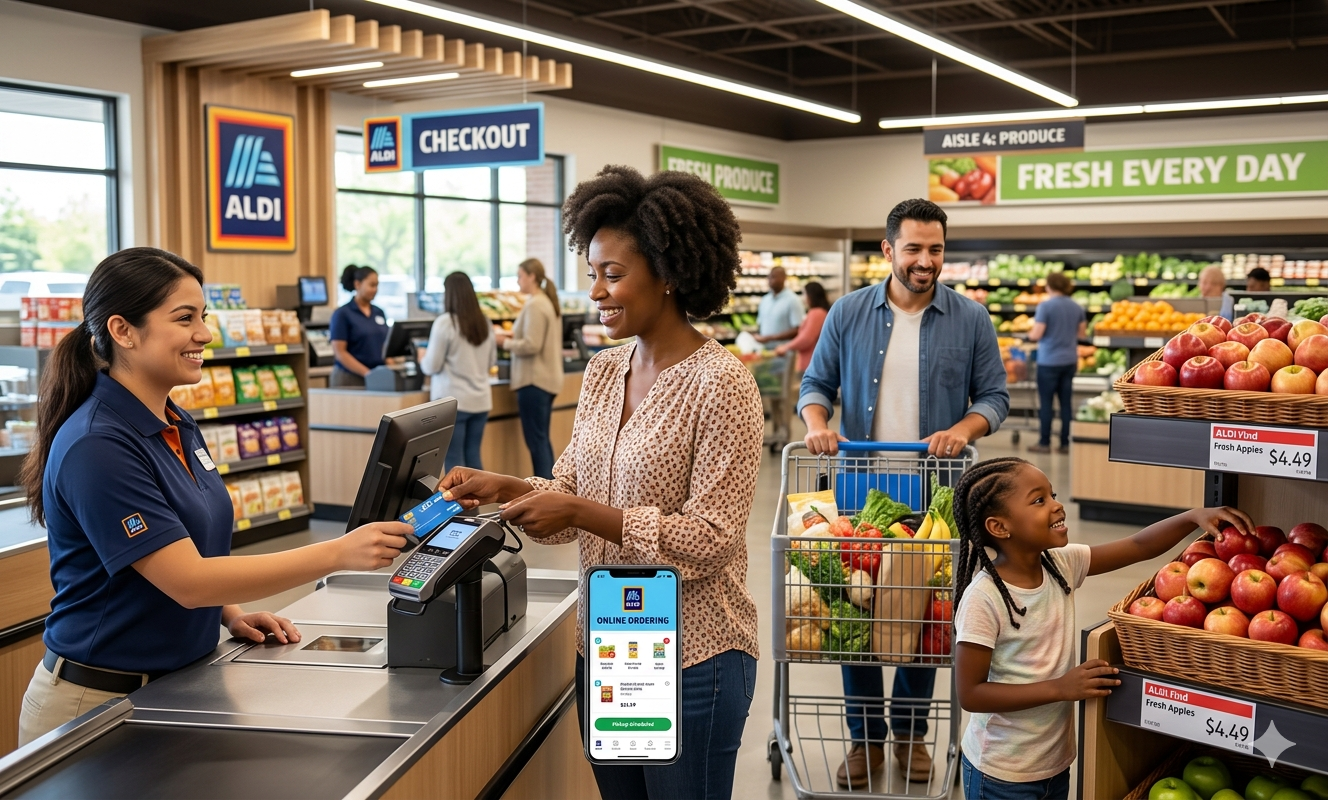
The Supplemental Nutrition Assistance Program (SNAP) in Louisiana is designed to provide essential assistance to low-income individuals and families, ensuring they have access to nutritious food. This federal program, administered at the state level, aims to alleviate food insecurity and promote overall health and well-being among vulnerable populations. By offering financial support for purchasing food items, SNAP plays a critical role in enhancing the quality of life for many residents in Louisiana.
The importance of SNAP cannot be overstated, as it not only helps to meet the basic food needs of eligible households but also contributes to the local economy. When beneficiaries use their SNAP benefits to purchase groceries, it results in increased sales for local food retailers and farmers, creating a positive ripple effect within the community.
In Louisiana, participants access their SNAP benefits through the Louisiana Purchase Card, a key component of the program. This card functions like a debit card, allowing users to make purchases at authorized grocery stores and markets. It serves as a crucial tool for SNAP beneficiaries, as it provides them with the means to select food items in a manner similar to other consumers, thus helping to foster dignity and privacy while shopping.
Overall, SNAP benefits are a vital resource for countless families in Louisiana, supporting not just their immediate food needs, but also their long-term health and stability. Understanding how SNAP works, including the eligibility criteria, benefit amounts, and application process, is essential for those seeking assistance and for those aiming to support their community effectively.
Eligibility Criteria for Louisiana SNAP Benefits
The Supplemental Nutrition Assistance Program (SNAP) in Louisiana offers crucial assistance to eligible individuals and families, helping them afford nutritious food. To qualify for SNAP benefits, applicants must meet several specific criteria, including income limits, household size, resource limitations, residency requirements, and citizenship status.
Firstly, income limits are a vital aspect of determining eligibility. In Louisiana, the maximum allowable gross income for a household is usually set at 130% of the federal poverty level. This means that potential beneficiaries must ensure their household income does not exceed this threshold. Additionally, net income—after allowable deductions—must not surpass the federal poverty level, which varies based on household size.
Household size is another important factor when evaluating eligibility. The SNAP program defines a household as those individuals who typically buy and prepare meals together. This may include relatives living together, children, or even those temporarily staying in the household. Therefore, the larger the household size, the higher the income limit required for eligibility.
Next, resource limitations come into play. Households may have resources such as cash, bank accounts, and other assets; however, there is usually a resource limit placed on individuals and families applying for SNAP benefits. As of recent updates, should households possess excess resources exceeding this limit, they may not qualify for assistance.
Furthermore, applicants must prove residency in Louisiana. This entails providing identification that verifies a permanent address in the state. Lastly, citizenship or immigration status is also a requirement, as only U.S. citizens and eligible non-citizens can receive SNAP benefits. Understanding these eligibility criteria is crucial for potential applicants to determine their qualification for assistance from the program.
Income Requirements for SNAP in Louisiana
Understanding the income requirements for Supplemental Nutrition Assistance Program (SNAP) benefits in Louisiana is essential for potential applicants. These requirements are primarily based on two calculations: gross income and net income. Gross income refers to the total income received before any deductions, while net income is calculated after specific allowable deductions have been applied.
For SNAP eligibility, Louisiana families must meet income limits that vary according to household size. For instance, a one-person household may have a different gross and net income threshold compared to a family of four. As of the latest guidelines, gross income must not exceed 130% of the federal poverty level, which is updated annually. This means that for a household of four, the gross income limit would be set at approximately $2,839 per month.
Once the household’s gross income is established, the next step involves calculating the net income. To determine net income, various deductions can be subtracted from the gross income. Common deductions include standard and excess shelter costs along with medical expenses for elderly or disabled members of the household. It’s important to note that SNAP benefits can be impacted significantly based on these calculations.
Additionally, special circumstances, such as receiving income from specific sources or having other financial obligations, can also influence eligibility. Therefore, accurate reporting and documentation of income and expenses is crucial during the application process. Understanding these income requirements is vital to ensure that individuals and families secure the assistance they need to maintain their nutritional wellbeing.
Household Size and Its Impact on SNAP Benefits
The Supplemental Nutrition Assistance Program (SNAP) in Louisiana is designed to assist individuals and families in obtaining enough food for adequate nutrition. A critical component in determining the benefits allocated to each household is the size of that household. The number of individuals residing together can significantly affect the total benefits granted under this program.
SNAP calculates benefit amounts based on the household size, which refers to any individuals who are purchasing and preparing food together. Each additional member in a household generally increases the overall benefit amount. As per the guidelines, larger households are likely to receive more substantial monthly benefits as a means to accommodate the increased food needs. Therefore, it is crucial for applicants to accurately report their household size when applying for SNAP benefits to ensure they receive the correct amount of assistance.
In alignment with federal regulations, Louisiana’s SNAP program has established clear income limits that vary based on the number of people in the household. For example, a single-member household may have a different income threshold compared to a household of four or five members. Understanding these distinctions is vital for applicants. Furthermore, the inclusion of children, elderly members, and individuals with disabilities can also affect the calculation of SNAP benefits, as special considerations may apply to these groups.
Accurate reporting is paramount not only for eligibility determination but also to prevent discrepancies during future benefit assessments. Households that experience changes in size due to births, deaths, or changes in residency should promptly update their application to reflect their current situation. This accuracy helps maintain the integrity of the program and ensures families receive the support they require for nutritional health.
Resource Limits for Louisiana SNAP Eligibility
In Louisiana, applicants seeking Supplemental Nutrition Assistance Program (SNAP) benefits must comply with specific resource limits to qualify. Understanding what constitutes resources and the financial limits associated with these benefits is essential for potential applicants. Resources include various assets that individuals or families own, such as cash, bank accounts, stocks, bonds, and certain vehicles. In general, these assets are evaluated to determine eligibility, ensuring that assistance is directed toward individuals and families in genuine need.
For most households, the resource limit for qualifying for SNAP in Louisiana is set at $2,750. However, this limit may be higher, up to $4,250, for households that contain a member who is elderly or disabled. Importantly, certain resources are excluded from this limit. Common exclusions include the home in which the household resides, retirement accounts, and certain types of educational scholarships or grants. Understanding which resources count and which do not is crucial when evaluating eligibility.
It is also vital to recognize that applicants may encounter additional considerations based on unique household circumstances. For example, visually impaired individuals and many households with elderly members may be subject to different resource evaluation processes. Certain expenses such as medical bills and childcare may also affect eligibility evaluation within resource limits.
Overall, accurately assessing your household resources and their relation to Louisiana’s SNAP eligibility criteria is essential. This knowledge allows potential applicants to navigate the application process more effectively, ensuring that necessary support reaches those who need it most.
Residency and Citizenship Requirements
Eligibility for the Supplemental Nutrition Assistance Program (SNAP) benefits in Louisiana is closely tied to specific residency and citizenship criteria. Applicants must demonstrate proper residency in the state of Louisiana to qualify for these vital benefits, which aim to assist low-income households in meeting their nutritional needs. Authorities require that individuals establish a physical presence in Louisiana, meaning they must live in the state at the time of application and continue to reside there while receiving assistance.
U.S. citizenship is a fundamental requirement for SNAP eligibility; however, certain non-citizens can also qualify under specific circumstances. Eligible non-citizens include lawful permanent residents (Green Card holders), refugees, and asylees, among others. It is critical for non-citizen applicants to provide documentation confirming their immigration status when applying for SNAP benefits, as this information is essential for verification purposes.
The residency requirement emphasizes that a legitimate connection to Louisiana is necessary for applicants. Individuals who have moved to Louisiana from another state, or who are temporarily residing in the area, must be prepared to provide proof of residency. Acceptable documentation can include a lease agreement, utility bills, or any official correspondence that clearly displays the applicant’s name and current Louisiana address.
In summary, understanding the residency and citizenship requirements play a significant role in determining eligibility for SNAP benefits in Louisiana. Ensuring compliance with these guidelines will facilitate the application process and increase accessibility to food assistance for qualifying residents.
Calculating Your SNAP Benefit Amount
In Louisiana, the calculation of SNAP benefit amounts is crucial for determining the level of support provided to qualifying households. The process primarily involves assessing the household’s net income, which is the total income minus allowable deductions. These deductions may include items such as child care expenses, medical costs, and housing costs, all of which can significantly impact the final benefit amount.
To begin with, the Department of Children and Family Services (DCFS) utilizes the USDA’s Thrifty Food Plan as a benchmark for estimating the maximum monthly benefits based on household size. For instance, larger households are eligible for higher benefit amounts compared to smaller ones. This scaling approach is designed to adequately meet nutritional needs across varying family sizes.
Moreover, it is essential to understand that each household’s income is analyzed over a specific period, typically the previous month, to ascertain their eligibility and benefit level. For households with fluctuating income, the average monthly income might be considered to arrive at a more stable assessment. This method ensures that participants are not penalized for temporary income changes.
Another significant factor influencing SNAP benefit calculations is the household’s composition. Individuals living together and sharing expenses may be grouped into a single household for SNAP purposes, which can affect total income and benefit eligibility. On the other hand, certain exemptions may apply for individuals who do not purchase food and prepare meals together. This complexity necessitates a thorough understanding of individual circumstances when applying for assistance.
In summary, calculating SNAP benefit amounts in Louisiana relies on a systematic evaluation of net income and household dynamics. Understanding these elements can empower potential beneficiaries to navigate the application process effectively and ensure they receive the necessary support they are entitled to.
Step-by-Step Guide to Applying for SNAP Benefits
Applying for SNAP benefits in Louisiana is a systematic process that can be navigated successfully by following a few essential steps. This guide is designed to help applicants understand the necessary documentation and the overall application procedure.
First, it is crucial to determine your eligibility before starting the application for SNAP. Generally, eligibility is based on income, household size, and expenses. To find out if you qualify, you can utilize the SNAP pre-screening tool available on the Louisiana Department of Children and Family Services (DCFS) website. This tool can help you assess your situation accurately.
Once you have confirmed your eligibility, you will need to gather essential documents to support your application. The required documentation typically includes identification such as a driver’s license or state ID, Social Security numbers for all household members, proof of income (like pay stubs), and proof of residence (such as a utility bill). It may be beneficial to create a checklist of the required materials to avoid missing any crucial documentation.
The application for SNAP benefits in Louisiana can be completed online, by mail, or in person. For online applications, visit the DCFS COMPASS website, where you can create an account and submit your documents electronically. If you prefer to apply by mail or in person, you can download a paper application from the DCFS website or visit your local DCFS office to obtain a copy.
After submission, it is important to keep track of your application status, which can often be done through the same online portal. If additional information or verification is needed, the DCFS will contact you, so be prepared to respond promptly to ensure your application progresses smoothly.
To increase your chances of a successful application, consider reaching out to local organizations that assist with SNAP applications. These community resources can provide valuable guidance and support throughout the process.
Resources and Support for SNAP Applicants in Louisiana
For individuals and families navigating the state of Louisiana’s Supplemental Nutrition Assistance Program (SNAP), various resources and support systems are available to facilitate the application process and provide ongoing assistance. One of the primary resources is the Louisiana Department of Children and Family Services (DCFS), which oversees SNAP benefits. Their website offers comprehensive information about eligibility requirements, benefits amounts, and the procedures for applying. In addition, applicants can call the Louisiana SNAP helpline at 1-888-524-3578 to receive guidance or clarification on specific issues.
Local offices of the DCFS are also crucial for those who prefer in-person assistance. These offices are situated throughout the state and can provide direct support in completing applications, answering questions, and resolving any challenges that might arise. A list of local offices and their contact information can be found on the DCFS website, making it easier for applicants to locate their nearest resource.
Moreover, community organizations and food banks play an essential role in supporting SNAP applicants. Organizations such as the Greater New Orleans Food Bank and Second Harvest Food Bank offer assistance with food resources and can help navigate food insecurity issues. These entities may also provide information on nutrition education programs, cooking classes, and additional services to maximize the benefits of SNAP.
Online forums and websites dedicated to SNAP can be incredibly helpful, too. Websites like FoodHelpLA and the SNAP Outreach Initiative provide valuable insights, tools for applying, and tips for making the most of SNAP benefits. By utilizing these resources, applicants can better understand their rights, responsibilities, and the benefits available to them, ensuring they receive the support they need.