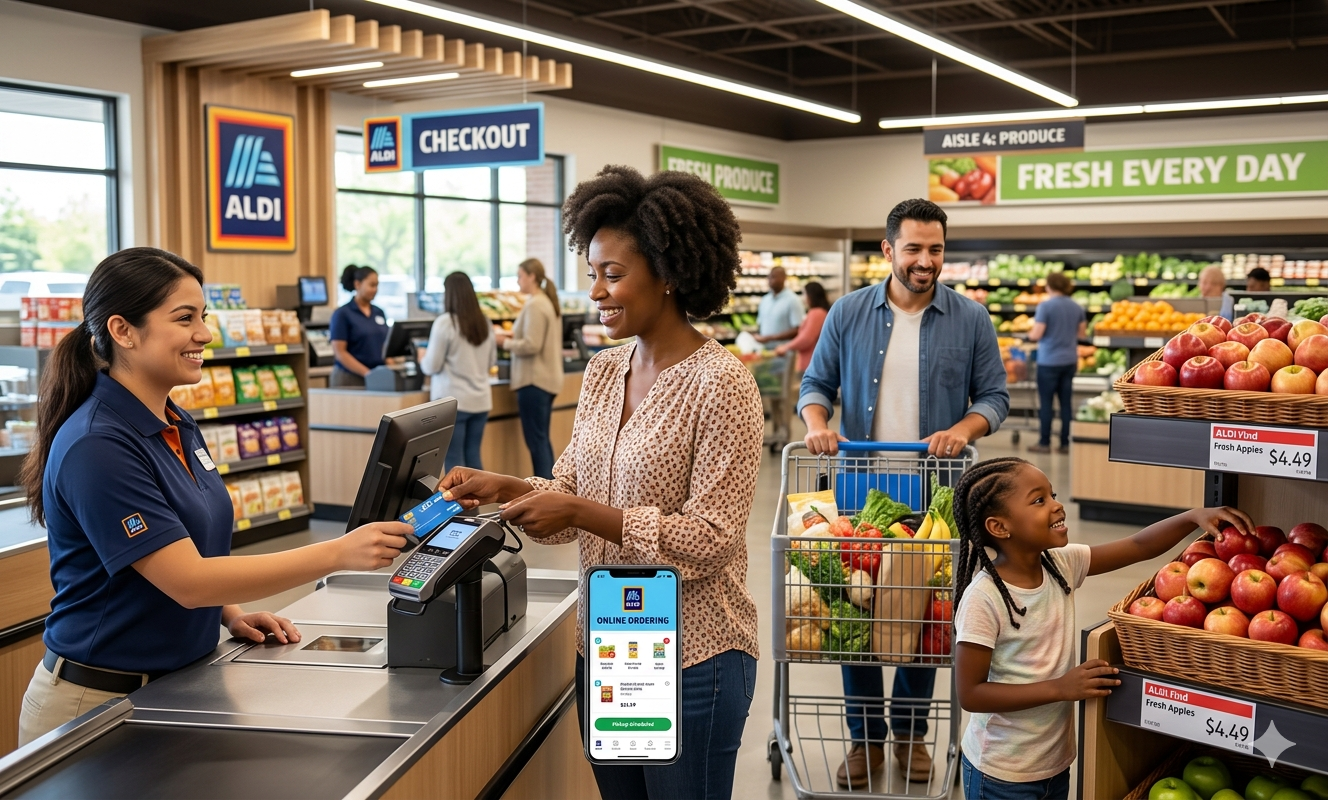
The Supplemental Nutrition Assistance Program (SNAP), formerly known as food stamps, serves as an essential resource for eligible residents of Mississippi, helping to alleviate food insecurity and promote overall nutritional health. Established to provide assistance for purchasing food, this federally funded program is administered by state agencies, with specific guidelines tailored to meet the needs of local populations.
SNAP benefits are designed primarily for low-income families and individuals, ensuring that they have access to a variety of nutritious foods, which promotes better health outcomes and, consequently, improved quality of life. The eligibility criteria for receiving SNAP benefits in Mississippi includes various factors such as household income, size, resources, and expenses. Generally, households with gross incomes below 130% of the federal poverty level are considered eligible. Additionally, the program takes into account the financial resources of applicants, which can include bank accounts and vehicles, thereby establishing a comprehensive assessment system to determine need.
The significance of SNAP in Mississippi cannot be understated, as the program plays a critical role in reducing hunger and enhancing food security among vulnerable groups, including children, the elderly, and disabled individuals. The benefits not only assist households in securing adequate nutrition but also inject crucial funds into the local economy, as recipients typically spend their SNAP allocations at local grocery stores and markets. Overall, SNAP benefits are vital for supporting families as they navigate economic hardships while striving to maintain a healthy diet.
Eligibility Criteria for SNAP Benefits in Mississippi
The Supplemental Nutrition Assistance Program (SNAP) provides crucial assistance to eligible individuals and families by helping them purchase nutritious food. In Mississippi, several eligibility requirements determine who can benefit from this vital support.
To qualify for SNAP benefits, individuals must meet specific income limits based on household size. As of the current guidelines, households must have a gross income that does not exceed 130% of the federal poverty level. This threshold is adjusted annually to account for changes in the cost of living. For a household of one, the gross monthly income limit is approximately $1,473, while for a family of four, it is around $3,018. Net income, which deducts allowable expenses from gross income, must also be considered, further narrowing the pool of eligible applicants.
Residency in Mississippi is another significant factor that affects eligibility. Applicants must be residents of the state to qualify for SNAP benefits. Furthermore, all members of the household must have lawful status, and undocumented immigrants are typically ineligible for assistance.
Demographic factors also play a role in eligibility. Families with children, especially those with dependents under the age of 18, are prioritized within the program. Special considerations are in place for seniors and individuals with disabilities, who may qualify for additional resources or exemptions under certain circumstances.
In summary, understanding the eligibility requirements for SNAP benefits in Mississippi is essential for potential applicants. By familiarizing themselves with the income limits, residency stipulations, and demographic considerations, individuals and families can better determine their potential access to this significant nutritional assistance program.
July 2026 SNAP Payment Schedule Overview
The Supplemental Nutrition Assistance Program (SNAP) offers vital support to eligible low-income households in Mississippi, ensuring access to nutritious food. In July 2026, SNAP benefits will be distributed according to a staggered payment schedule that tailors the disbursement dates based on the last two digits of recipients’ case numbers. This systematic approach helps in managing the distribution process, preventing congestion and ensuring that all eligible households receive their benefits in a timely manner.
For the month of July 2026, the payment schedule is as follows: Households with case numbers ending in 00-09 will receive their benefits on the 4th of July, while those with case numbers ending in 10-19 will be eligible for payment on the 5th. Continuing this pattern, households with case numbers ending in 20-29 will be disbursed benefits on July 6th, and the schedule progresses in increments by ten for each subsequent day.
This payment cycle will culminate on July 21st, when those with case numbers ending in 90-99 will receive their benefits. The staggered disbursement is designed to ease administrative burden and support effective budgeting for families relying on SNAP benefits. Recipients are encouraged to note their case number’s last two digits and plan accordingly to ensure they receive their assistance without interruption.
It is important for all recipients to stay informed about their specific disbursement dates to facilitate proper meal planning and budgeting throughout the month. By understanding the July 2026 SNAP payment schedule, households can better manage their resources and ensure consistent access to the food support they need.
How to Determine Your Payment Date
Understanding the payment schedule for the Supplemental Nutrition Assistance Program (SNAP) benefits is crucial for households in Mississippi, especially as July 2026 approaches. One of the key aspects that determines when beneficiaries receive their SNAP payments is the last two digits of their case number. This method ensures that payments are distributed systematically, helping the state manage disbursements effectively.
To begin the process of determining your specific payment date, households should first locate their SNAP case number. This number is typically found on correspondence from the Mississippi Department of Human Services or on your EBT card paperwork. Once you have located your case number, take note of the last two digits as these digits will guide you through the payment schedule.
Mississippi assigns payment dates based on a specific scale correlated to the last two digits of your SNAP case number. For example, households whose last two digits are between 00 and 09 will receive their benefits on the 1st of the month. Those with digits from 10 to 19 will receive their benefits on the 2nd, and this pattern continues sequentially until numbers ending in 90 to 99, which are scheduled for the 10th. It is important to remember that these dates apply to every month, not just July 2026, which allows families to plan their budgets accordingly.
This systematic allocation of payment dates helps to avoid congestion at stores and ensures that people receive their benefits promptly and fairly. Households are encouraged to keep their case number handy and refer to this schedule each month. By understanding how to determine your SNAP payment date based on your specific case number, you can take control of your budgeting and shopping to maximize the effectiveness of your SNAP benefits.
Maximum and Average Benefits for July 2026
The Supplemental Nutrition Assistance Program (SNAP) provides essential support to eligible households in Mississippi, especially during challenging financial times. For July 2026, SNAP benefits will reflect both the maximum and average amounts available for qualifying households based on size and income. Understanding these figures will assist families in planning their monthly budgets effectively.
For a household of four, the maximum SNAP benefit is set at $994. This amount is designed to cover the cost of food and help mitigate food insecurity for families depending on nutritional assistance. Stakeholders and community advocates emphasize the importance of this program, as it represents a critical resource for families needing financial assistance.
On the other hand, the average SNAP benefit amount per household in Mississippi is projected to be approximately $303 in July 2026. This average illustrates that while many families may receive the maximum allotment, there are several others who receive less due to varying factors like household income and size. It is essential to note that while the average might suggest a lower benefit, many households benefit significantly from even smaller monthly assistance, particularly when combined with other food support initiatives.
These anticipated figures reflect the ongoing need for SNAP assistance in Mississippi. As families and individuals continue to face economic hardship, understanding the specifics of their eligibility and the potential benefit amounts they can receive plays a vital role. It is crucial for eligible households to apply and take steps toward securing these benefits, providing them with a necessary resource to help fill their tables with nutritious food.
Effectively managing your SNAP (Supplemental Nutrition Assistance Program) benefits is crucial to maximizing the assistance provided and ensuring that your nutritional needs are met throughout the month. Here are some practical tips to help you budget and utilize your benefits effectively.
First and foremost, meal planning is essential. Start each month by outlining your meals for the week. This allows you to make a comprehensive shopping list while also ensuring that you include a variety of food groups. Consider focusing on nutrient-dense options such as fruits, vegetables, whole grains, and lean proteins. When you plan meals ahead, you can also minimize waste and avoid purchasing unnecessary items that may go unused.
Additionally, when shopping, it is advisable to stick to your grocery list. This can assist in preventing impulse purchases that are often not aligned with your meal planning goals. Utilizing grocery stores that have a vast selection of products can also be beneficial. Consider shopping at stores known for their competitive pricing or special offers on fresh produce and staples. Look out for discounts and sales, as they can significantly stretch your budget further.
Another important strategy is to educate yourself regarding which items are SNAP-eligible. Familiarize yourself with what can be purchased with your benefits, including different types of food and beverages. This knowledge can help significantly when attempting to make healthier choices while remaining within your budget constraints.
Lastly, keep track of your spending throughout the month. Regularly checking your SNAP balance can help you gauge how much you have left and allows you to adjust your spending accordingly. By adhering to these strategies, beneficiaries can better manage their SNAP benefits, ensuring they meet their dietary requirements throughout the month while optimizing the resources available to them.
Important Updates and Changes to SNAP Benefits
Recent developments in the Supplemental Nutrition Assistance Program (SNAP) in Mississippi have introduced significant updates that may influence current and prospective beneficiaries. Understanding these changes is vital for those relying on SNAP assistance to navigate the application process effectively and to maximize their benefits.
One notable alteration is the adjustment in eligibility criteria. In response to changing economic conditions, the Mississippi Division of Family and Children Services has revised income thresholds for applicants, aligning them with national standards. This adjustment may allow more families access to SNAP benefits, enhancing food security for low-income households who now meet the updated criteria.
Furthermore, Mississippi recently implemented enhancements to streamline the application process. The state has introduced online application options, which simplify the submission process for potential beneficiaries. This digitization aims to reduce waiting times and increase accessibility, particularly for individuals who may struggle with transportation or those in remote areas. Additionally, outreach efforts have been intensified to ensure that eligible families are aware of these resources and can participate without unnecessary barriers.
There have also been revisions in benefit amounts. This year, the state has announced an increase in the monthly SNAP allotments for eligible families, reflecting the rising cost of living and the need for adequate nutrition support. Beneficiaries are encouraged to stay informed about their benefit amounts, as fluctuations may occur periodically based on federal guidelines.
In light of these changes, keeping abreast of the latest SNAP policies in Mississippi is essential for beneficiaries. Regular updates will provide critical information that allows individuals and families to make informed decisions about their nutrition assistance needs. It is recommended that current and potential SNAP recipients consult the official Mississippi SNAP website or contact local offices for the most accurate and detailed information regarding their eligibility and access to benefits.
Resources for Further Information
Obtaining accurate and comprehensive information about the Supplemental Nutrition Assistance Program (SNAP) can be crucial for residents of Mississippi seeking assistance. Various resources are available to aid individuals in understanding eligibility requirements, application processes, and benefits management associated with SNAP. Here are several prominent resources that can provide guidance:
1. Mississippi Department of Human Services (MDHS) The MDHS is the primary state agency responsible for administering SNAP benefits. Their official website offers a wealth of information regarding eligibility criteria, application instructions, and the latest updates related to SNAP. Individuals can navigate through the online portal for personalized assistance and contact options for additional inquiries.
2. USDA Food and Nutrition Service The United States Department of Agriculture (USDA) manages SNAP at the federal level. Their website provides comprehensive details on how SNAP functions at both the state and national levels. It also features resources about the evolution of SNAP policies, nutrition education, and outreach initiatives designed to better inform residents about available food assistance programs.
3. Local Food Banks and Community Organizations Nonprofit organizations and food banks in Mississippi play a significant role in supporting individuals navigating SNAP applications. Many local entities provide workshops, one-on-one assistance, and resources tailored to help residents decode the application process. Services often include outreach programs aimed at vulnerable populations, ensuring that information on SNAP benefits is accessible to everyone.
4. 211 Mississippi This community resource helpline can connect residents with local service providers, including those specializing in food assistance and SNAP support. Dialing 211 or visiting their website can yield a network of available resources specific to an individual’s location and needs, streamlining the search for help.
By utilizing these resources, Mississippi residents can better navigate the complexities of SNAP benefits, ensuring they receive the assistance they need to secure proper nutrition and support during challenging times.
FAQs About July 2026 SNAP Benefits in Mississippi
As the date approaches for the July 2026 SNAP benefits in Mississippi, potential beneficiaries often have numerous questions. It is imperative to address these common concerns to ensure that individuals and families can effectively navigate the application and receipt of benefits.
1. What is the application process for SNAP benefits in Mississippi? To apply for SNAP benefits, residents can visit their local Department of Human Services (DHS) office or submit an application online through the Mississippi Online Application site. It is crucial to provide accurate information about household size, income, and expenses to ensure eligibility is assessed correctly.
2. How do I know if I qualify for SNAP benefits? Eligibility for SNAP benefits is based on several factors such as household income, assets, and the number of people living in the household. Generally, households must meet specific income limits that the USDA sets. Resources like the Mississippi DHS website offer detailed guidelines on eligibility requirements.
3. How often do I need to renew my SNAP benefits? In Mississippi, SNAP benefits require periodic recertification. Most beneficiaries will need to renew their benefits every 12 months. The Mississippi DHS will provide a notice prior to the expiration date of benefits, outlining the steps necessary for renewal.
4. What should I do if my income changes? Beneficiaries must report any changes to their household income to the Mississippi DHS. This includes any changes that would impact eligibility, such as wage increases, loss of income, or changes in household composition. Timely reporting ensures that there are no disruptions in your benefits.
5. Are there resources for additional assistance? Yes, Mississippi offers additional resources for individuals on SNAP. Several food banks, community organizations, and local nonprofits provide supplementary food assistance and other forms of support. Residents are encouraged to reach out to local agencies for more information.
By addressing these frequently asked questions, prospective SNAP beneficiaries can feel more informed about the process, eligibility, and requirements associated with the July 2026 SNAP benefits in Mississippi.