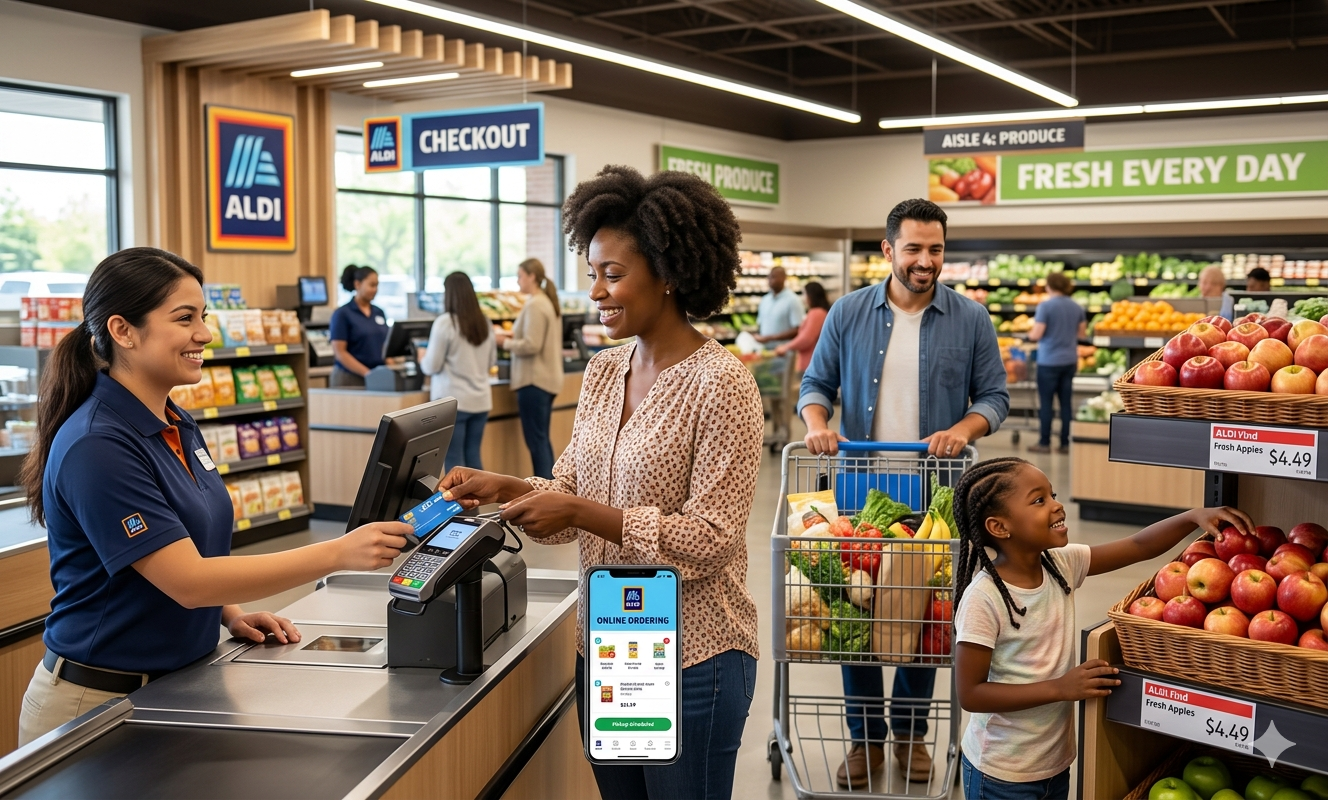
The Supplemental Nutrition Assistance Program (SNAP) serves as a crucial lifeline for many families in Mississippi, addressing the pressing issue of food insecurity across the state. Managed by the U.S. Department of Agriculture, SNAP provides eligible low-income individuals and families with electronic benefits that can be used to purchase food items from authorized retailers. This program is fundamental in fostering food security and ensuring nutritional well-being among vulnerable populations, especially in a state where many residents face economic challenges.
In Mississippi, SNAP benefits have a significant impact on the daily lives of thousands of residents. By offering financial support for groceries, SNAP helps families meet their dietary needs without compromising their financial stability. The program not only assists participants in obtaining necessary food items but also stimulates local economies by increasing grocery store sales and supporting jobs within the food sector. The boost in community-level food purchasing strengthens overall economic resilience, making SNAP an integral part of Mississippi’s social safety net.
As we look towards the updates and changes in SNAP benefits slated for 2026, it is essential to understand the historical context and ongoing importance of this program. The interplay between SNAP and food insecurity reveals a pressing need for continued support and adaptation as socioeconomic conditions evolve. Mississippi’s commitment to fighting hunger must remain steadfast, reflecting the urgent requirement for effective nutrition assistance programs. Therefore, through this exploration of upcoming changes, stakeholders including policymakers, advocates, and community members can better understand how to navigate and support these critical initiatives moving forward.
Here is the latest information on SNAP benefits in Mississippi. A few major updates are affecting the program in 2026, including tighter work rules and a big push to restrict purchases with benefits.
🖥️ How to Apply for Mississippi SNAP
The Mississippi Department of Human Services (MDHS) manages the program. To apply, you can:
Apply Online: The easiest and fastest way is through the Access MS portal at www.access.ms.gov. The “myMDHS” mobile app is also available for account management and benefit applications.
Apply In Person or by Mail: You can also submit an application at your local MDHS county office. You can find your county office at www.mdhs.ms.gov/county-offices.
Note: Most households must meet both the gross and net income tests. However, if you or another member of your household is 60 years or older or has a disability, the gross income test does not apply—your household may still qualify by meeting the net income and asset tests.
📅 EBT Benefit Deposit Schedule
SNAP benefits are deposited onto your EBT card according to your MDHS case number. The deposit schedule is as follows:
Case ends in 00-04: Benefits available on the 4th of the month
Case ends in 05-10: Benefits available on the 5th of the month
Case ends in 11-16: Benefits available on the 6th of the month
Case ends in 17-22: Benefits available on the 7th of the month
Case ends in 23-28: Benefits available on the 8th of the month
Case ends in 29-34: Benefits available on the 9th of the month
Case ends in 35-40: Benefits available on the 10th of the month
Case ends in 41-46: Benefits available on the 11th of the month
Case ends in 47-52: Benefits available on the 12th of the month
Case ends in 53-58: Benefits available on the 13th of the month
Case ends in 59-64: Benefits available on the 14th of the month
Case ends in 65-69: Benefits available on the 15th of the month
Case ends in 70-74: Benefits available on the 16th of the month
Case ends in 75-79: Benefits available on the 17th of the month
Case ends in 80-84: Benefits available on the 18th of the month
Case ends in 85-89: Benefits available on the 19th of the month
Case ends in 90-94: Benefits available on the 20th of the month
Case ends in 95-99: Benefits available on the 21st of the month
👨💼 New Work Requirements for 2026
The federal government has expanded work requirements for many SNAP participants. This change took effect on February 1, 2026.
Who is affected? You are considered an Able-Bodied Adult Without Dependents (ABAWD) if you are between the ages of 18 and 64 and do not have a dependent child under 14 living in your home. This also includes parents whose youngest child is age 14 or older.
What are the requirements? To keep your SNAP benefits, you must meet a participation requirement of at least 80 hours per month through one of the following activities:
Working a paid job (for a total of 80+ hours each month)
Participating in an approved education or job training program
Volunteering (80+ hours each month).
Time Limit: If you fail to meet these requirements, you will only be eligible to receive SNAP benefits for three months within any 36-month period.
Exemptions: Veterans, pregnant individuals, people experiencing homelessness, and those with physical or mental health barriers may be exempt from these rules.
Several other significant policy changes are underway in Mississippi:
Proposed Purchase Restrictions: The Mississippi Legislature has passed House Bill 553, which directs MDHS to seek federal approval to prohibit the purchase of candy and soft drinks with SNAP benefits. If approved by the USDA, this ban would begin on October 1, 2026.
Software Modernization: MDHS has awarded a contract to Deloitte to upgrade its decades-old eligibility software systems, which have been prone to glitches and delays. The upgrades are expected to be completed in 2027.
📞 Key Contacts for Mississippi SNAP
Here are the essential contacts for managing your benefits:
Need/Question
Contact Information
To Apply or Check Eligibility
Online at access.ms.gov or your local MDHS county office
Call the EBT Cardholder Service Center 24/7 at 1-866-512-5087
Economic Assistance Eligibility & Client Services
Call 1-800-948-3050
If you have a specific question about your situation or need help finding your local MDHS office, feel free to ask.
Overview of Recent Changes to SNAP Benefits
In recent months, Mississippi has witnessed significant updates to its Supplemental Nutrition Assistance Program (SNAP) benefits, which are crucial for many residents facing food insecurity. These changes aim to enhance the program’s efficiency and accessibility amidst evolving state and federal policy landscapes. One of the pivotal updates for 2026 involves an increase in the maximum monthly allotment for eligible households. This increase responds to rising food prices and aims to ensure that beneficiaries can better meet their nutritional needs.
Additionally, Mississippi has streamlined the application process for SNAP, allowing for a more user-friendly experience. The introduction of an online platform for application submissions and status checks reflects a commitment to modernization. By simplifying access to benefits, the state aims to increase enrollment rates among those who need assistance. Furthermore, there are efforts to improve outreach programs, targeting populations that traditionally underutilize SNAP, such as seniors and low-income families.
The changes in SNAP benefits also occur within the broader context of potential federal adjustments. The current administration has proposed a review of food assistance policies, aiming to align with new economic data and public health considerations. As a result, Mississippi may adapt its SNAP policies to remain in congruence with national standards, ensuring that residents receive adequate support amid fluctuating economic conditions.
Overall, the recent updates to SNAP benefits in Mississippi signify a proactive approach to addressing food insecurity while adapting to changing socio-economic dynamics. These modifications not only reflect the state’s commitment to supporting its citizens but also highlight the importance of ongoing assessments of welfare programs to meet the needs of diverse populations.
Tighter Work Requirements for Recipients
The State of Mississippi has introduced new, stricter work requirements for recipients of the Supplemental Nutrition Assistance Program (SNAP). These changes aim to ensure that individuals and families receiving support are actively participating in the labor market. Under the updated regulations, certain recipients must demonstrate compliance with specific work-related activities to maintain their SNAP benefits.
Specifically, able-bodied adults without dependents (ABAWDs) aged between 18 and 49 are now required to participate in at least 20 hours of work or qualifying activities each week. This change extends the previously existing regulations, adding more stringent accountability measures. Furthermore, recipients are expected to engage in job search activities, training programs, or volunteer positions if they are not employed.
The implementation of these requirements may significantly affect low-income families, particularly those who face barriers to employment such as a lack of transportation, childcare resources, or skills training. The Mississippi Department of Human Services will be monitoring compliance and may impose penalties, including the loss of benefits, for non-compliance with these new work requirements. The state has expressed that these changes are designed to motivate individuals towards self-sufficiency while also aiming to reduce dependency on government assistance.
Critics of the new work requirements have raised concerns about their impact on vulnerable populations, pointing out that many beneficiaries may struggle to meet the criteria due to various socioeconomic factors. Proponents, however, argue that these measures are necessary to instill a sense of responsibility and promote a pathway to employment.
As Mississippi navigates these new restrictions, it remains to be seen how the increased work requirements will influence the overall economic stability of those reliant on SNAP support.
Restrictions on Purchase Eligibility with SNAP Benefits
The Supplemental Nutrition Assistance Program (SNAP) has long provided essential dietary assistance to millions of low-income households across the United States, including Mississippi. However, in light of the evolving economic landscape and growing health concerns, there have been proposed changes regarding what items can be purchased using SNAP benefits. Significant restrictions are anticipated for the year 2026, intended to realign spending with public health objectives.
Proposed changes will limit SNAP purchases primarily to healthier food options. Sugary beverages, processed snacks, and certain types of fast food are under scrutiny for exclusion from eligible purchases. The rationale behind these restrictions stems from increasing awareness of diet-related health issues, such as obesity and diabetes, that disproportionately affect low-income populations. By promoting the purchase of whole foods such as fruits, vegetables, and unprocessed grains through SNAP benefits, policymakers aim to improve nutritional outcomes for families.
The implications of these restrictions are significant. On one hand, the intention is to foster healthier eating habits among recipients, which, in theory, should lead to better long-term health and reduced state healthcare costs. On the other hand, critics argue that such restrictions could unintentionally add to the burdens faced by families who rely on SNAP benefits. Limitations in purchasing options may complicate access to quick and convenient meal solutions that are often necessary due to time constraints and transportation challenges. Furthermore, some households may find it difficult to afford healthy foods consistently, especially if their local stores are limited in variety.
This evolving discussion on SNAP restrictions underscores the need for an informed approach that balances public health goals with the realities of food access and affordability for low-income families. Stakeholders are encouraged to consider both sides of the argument as these changes take shape in the coming years.
Reaction from Advocacy Groups and Community Organizations
In light of the recent updates to the Supplemental Nutrition Assistance Program (SNAP) benefits in Mississippi for 2026, various advocacy groups and community organizations have expressed a range of opinions and reactions. The modifications to SNAP, including adjustments to eligibility requirements and benefit amounts, have sparked discussions regarding the potential impacts on low-income families and individuals relying on these crucial benefits.
Organizations such as the Mississippi Food Network and the Community Action Agency have raised concerns about the proposed changes, emphasizing that any reduction in benefits could exacerbate food insecurity within vulnerable populations. “Access to nutritious food is a fundamental right, and we cannot afford to leave our most needy citizens behind,” stated a representative of the Mississippi Food Network. This sentiment has been echoed by many, highlighting the importance of maintaining, if not increasing, support for those who depend on SNAP.
In response, several groups have organized campaigns aimed at raising awareness and advocating for the retention of existing SNAP benefits. They have initiated petitions, held community forums, and coordinated with local legislators to express their opposition to the changes. “We stand united as a community to push back against any adjustments that would further harm our families,” remarked a spokesperson for the Community Action Agency.
Moreover, some stakeholders have suggested alternative solutions that could serve both the state budget and the residents in need. These proposals often include increasing funding for local food banks and enhancing nutrition education programs as complements to SNAP benefits. The ongoing dialogue reflects a proactive stance among these organizations, emphasizing the community’s commitment to ensuring equitable access to food resources.
As these advocacy groups continue to mobilize and engage with legislators and the public, the ultimate outcomes of the proposed SNAP updates remain uncertain, fostering a climate of hopeful vigilance in Mississippi’s communities.
Potential Impacts on Food Insecurity in Mississippi
The recent updates to the Supplemental Nutrition Assistance Program (SNAP) in Mississippi are poised to play a significant role in addressing food insecurity within the state. Mississippi has consistently ranked among the states with the highest levels of food insecurity, a challenge that affects many vulnerable populations, including low-income families, children, and the elderly. The enhancements to SNAP benefits aim to provide immediate relief to these groups, ensuring that they can access sufficient nutrition.
In the short term, the adjustments to SNAP are expected to deliver a much-needed boost to food purchasing power for those who depend on this assistance. Families with increased benefit allowances may find themselves in a better position to secure essential food items, thus improving their overall dietary quality. This immediate impact can lead to better health outcomes, particularly among children, whose growth and development are closely linked to their nutritional intake. Such changes could result in a marked reduction in food deprivation, making it possible for households to transition away from crisis situations.
Looking at the long-term consequences, however, the effects of these policy changes can be more complex. Consistent access to adequate nutrition can lead to enhanced educational outcomes for children and improved productivity among adults, ultimately contributing to a reduction in the cycle of poverty that exacerbates food insecurity. Moreover, by fostering self-sufficiency, the updates could encourage families to engage more fully in the workforce. However, it should also be noted that the feasibility of these long-term benefits depends significantly on the overall economic stability of the state and the availability of support services beyond SNAP.
While these updates hold promise for alleviating food insecurity, continuous monitoring and assessment will be necessary to ensure that the program adapts effectively to evolving community needs. It is crucial that stakeholders remain engaged in shaping future policies that effectively address the intricate issues surrounding food access in Mississippi.
How to Navigate the New SNAP Regulations
Navigating the new SNAP regulations in Mississippi for 2026 may seem daunting for both current and prospective beneficiaries. To maintain eligibility for the Supplemental Nutrition Assistance Program, it is crucial to stay informed about the updated guidelines and adhere to the requirements set by the state. This includes understanding income limits, household size, and documentation requirements, which are pivotal for ensuring continued access to benefits.
It is essential to regularly check your eligibility, especially if your financial situation or family dynamics have changed. SNAP recipients are encouraged to report any significant changes in income, household composition, or expenses promptly to the local SNAP office. This proactive approach not only helps in maintaining eligibility but also ensures that you receive the appropriate level of assistance.
If you encounter challenges or have questions about the new regulations, resources are available to assist you. Local food banks, community organizations, and the Mississippi Division of Medicaid can provide guidance on SNAP-related queries. Many organizations also offer case management services to help individuals effectively navigate the application and renewal processes.
By understanding the regulations surrounding SNAP and utilizing available resources, recipients can successfully navigate the changes and continue to receive essential support for their nutritional needs in Mississippi.
Future of SNAP Benefits in Mississippi
The Supplemental Nutrition Assistance Program (SNAP) plays a crucial role in supporting low-income households across the United States, including Mississippi. As we look ahead to 2026, several potential changes and developments within SNAP benefits could reshape the landscape of food assistance in the state. Understanding these possible changes requires examining both state and national contexts, including legislative actions that could influence the program.
One significant factor affecting SNAP benefits is the ongoing debate regarding food security and welfare reform at the federal level. Policymakers continuously evaluate the effectiveness of food assistance programs and consider amendments aimed at enhancing nutritional standards and accessibility. For instance, the Agriculture Improvement Act and other related bills may propose alterations to eligibility criteria or expand eligibility to include more low-income families. Increased federal funding could also reflect a recognition of the need for improved support amidst rising food prices.
At the state level, Mississippi has made strides in addressing food insecurity through local initiatives and partnerships, often driven by non-profit organizations. Future changes may involve enhanced outreach programs that educate residents on available SNAP benefits, ensuring that vulnerable populations can access food assistance. Furthermore, as technology evolves, the potential for mobile applications and improved online systems could simplify the application and recertification processes, making it easier for individuals to navigate the program.
As Mississippians weigh their nutritional needs against the backdrop of potential legislative shifts, it is essential to remain vigilant and informed about developments that may impact SNAP benefits. The outcome of these efforts may ultimately influence the sustainability of food assistance programs in Mississippi, ensuring that they adapt to the changing needs of the community.
Conclusion and Resources for Further Information
In summary, the updates regarding SNAP benefits in Mississippi for 2026 present significant changes that may affect many residents relying on this essential food assistance program. The adjustments in eligibility requirements and benefit amounts are intended to better serve the needs of Mississippi residents. These developments underscore the importance of staying informed about SNAP, as well as other available resources, to ensure that families receive the support they require.
For those seeking further information regarding SNAP benefits, a variety of resources are available. The Mississippi Department of Human Services maintains an official website which outlines the latest updates on food assistance programs, including SNAP. Residents are encouraged to visit MDHS for official announcements, application procedures, and eligibility criteria.
Additionally, various advocacy groups are dedicated to helping families navigate the complexities of food assistance. Organizations like the Hunger Free America and the Second Harvest Food Bank provide valuable resources, including informative guides, community outreach programs, and assistance in applying for benefits.
It is also advisable for individuals to connect with local community centers or food banks, which often serve as excellent points for assistance. Staying connected to these resources can help ensure individuals and families obtain the necessary support in accessing SNAP benefits and essential nutrition.