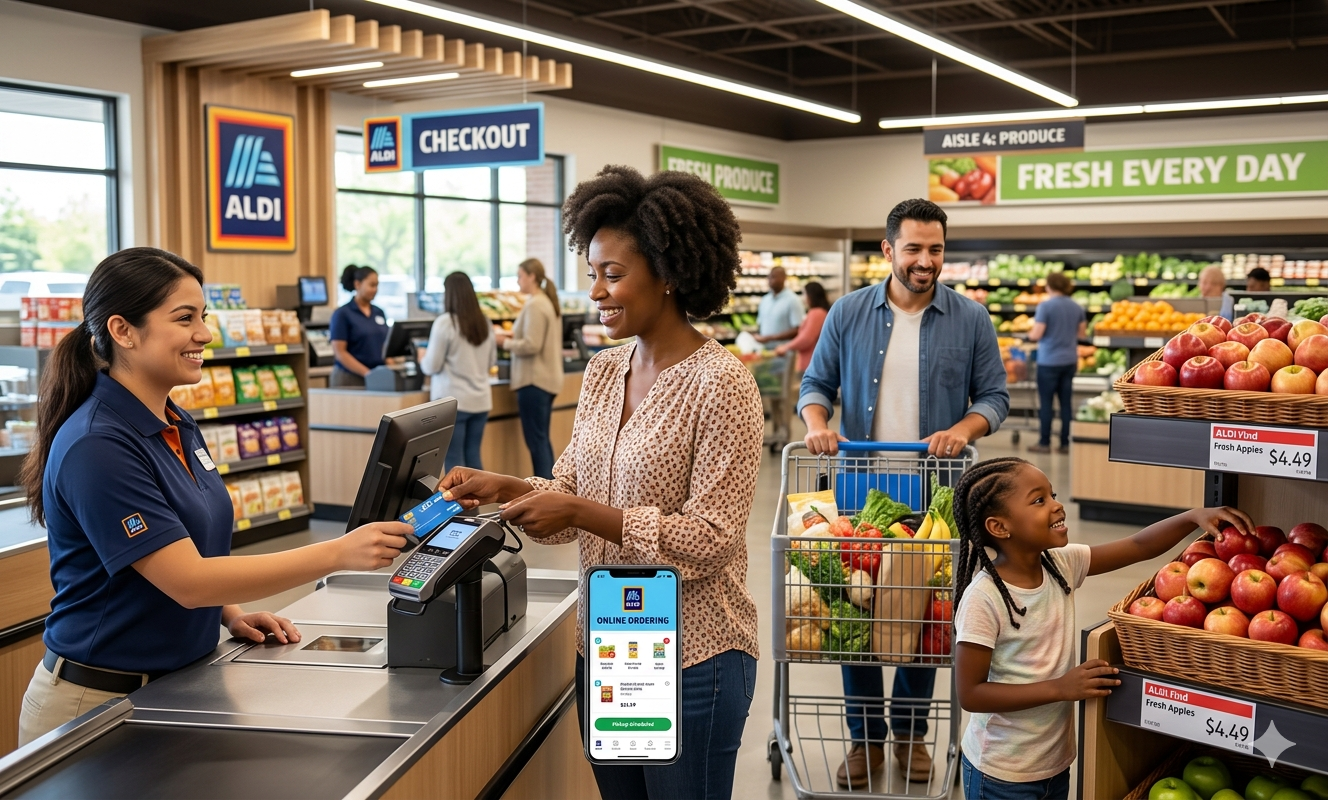
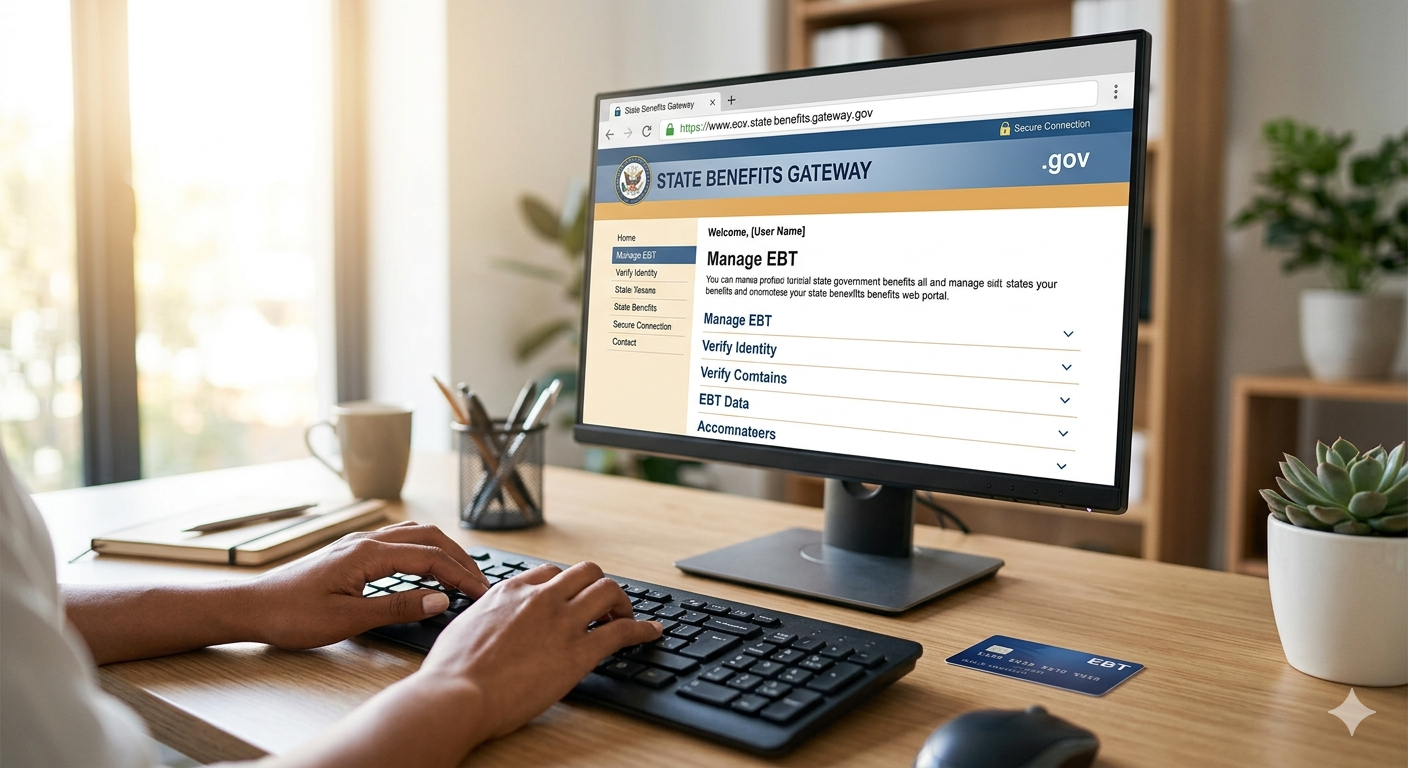
The Supplemental Nutrition Assistance Program (SNAP), commonly referred to as food stamps, is a vital resource for individuals and families facing financial hardships in Washington State. SNAP aims to alleviate food insecurity by providing eligible low-income residents with monthly benefits that can be used to purchase nutritious food. The program is administered by the Washington State Department of Social and Health Services (DSHS) and plays a critical role in supporting the health and well-being of vulnerable populations.
As of May 2026, there have been noteworthy updates to the SNAP program in Washington State, reflecting ongoing efforts to adapt to the changing needs of the population. Recent changes may include adjustments to eligibility requirements, benefits amounts, and the implementation of new technology to streamline the application and renewal processes. These updates are particularly significant given the economic fluctuations caused by various factors, including inflation and changes in employment rates. Understanding these changes is crucial for current recipients and potential applicants, as SNAP continues to evolve to better serve the community.
Here is the most current information on SNAP (known as Basic Food in Washington state) as of May 2026. Major federal legislation (often called H.R. 1) has brought significant changes to work requirements, eligibility for immigrants, and other rules.
🍎 Understanding Basic Food: Federal SNAP vs. State-Funded FAP
In Washington, the overall program is called Basic Food. It includes both the federally funded SNAP benefits and the state-funded Food Assistance Program (FAP).
Because of new federal laws, some legal immigrants are no longer eligible for federal SNAP starting in May 2026. However, the state will automatically shift these individuals to state-funded FAP benefits. Your benefit amount will remain the same, and you do not need to reapply. The table below outlines who qualifies for which program:
Refugee, Asylee, Immigrant with humanitarian protections
State-Funded FAP (DSHS will switch you automatically in May 2026)
Undocumented Immigrant
Not eligible
📝 How to Apply for Basic Food
You can apply through the state’s official “Washington Connection” portal. The process is straightforward, and you don’t need all your documents to begin the application.
Apply Online: The fast and recommended way is to apply through the official portal at www.washingtonconnection.org.
Apply by Phone or In-Person: You can also call the customer service center at 877-501-2233 to apply over the phone or find a local DSHS Community Services Office to apply in person.
The maximum monthly benefit amounts you can receive are standard for the contiguous US and updated annually.
Gross Monthly Income Limits (200% FPL)
Household Size
Maximum Gross Monthly Income
1 person
$2,608
2 people
$3,606
3 people
$4,554
4 people
$5,500
Maximum Monthly SNAP Benefit (Allotment)
Household Size
Maximum Monthly Benefit
1 person
$298
2 people
$546
3 people
$785
4 people
$994
You may still qualify even if your income exceeds these limits in some cases. The state considers several deductions, including a shelter deduction for housing and utility costs and a deduction for dependent care expenses, which can lower your countable income.
👨💼 Work Requirements for Able-Bodied Adults (ABAWDs)
Starting February 1, 2026, Washington’s waiver for certain areas ended, meaning stricter federal work requirements are now in effect statewide.
Adults aged 18 through 64 who do not have a dependent child under 14 in their home and are not exempt for another reason (like pregnancy or a disability) are considered ABAWDs. To remain eligible for benefits beyond a 3-month period, you must meet a participation requirement of at least 80 hours per month through one of the following:
Working a paid job
Participating in an approved employment and training program
If you need help meeting these requirements, Washington offers the Basic Food Employment & Training (BFET) program, which provides free skills training, coaching, and other support services to help you find a job.
🛒 Using Your Benefits: The Washington Quest Card
Your benefits are loaded onto a debit-style card called the Washington Quest Card. You should be aware of a few critical updates regarding its use and security:
Retailer Changes: Starting in Fall 2026, all stores that accept SNAP will be required to stock a greater variety of staple foods like fresh produce, dairy, and grains.
Security is Key: EBT card skimming has become a serious problem nationwide. To protect your benefits, you should use the ebtEDGE app (or the ConnectEBT app) to lock your card when you are not using it and unlock it only when you are ready to pay. This simple step can block fraudulent transactions.
☎️ Key Contacts and Resources
Apply for Benefits: For application questions or to apply by phone, call 877-501-2233.
Quest Card Support: For EBT card issues like checking your balance, reporting a lost card, or changing your PIN, call 1-888-328-9271, available 24/7.
Find Your Local Office: To find a DSHS Community Services Office near you, visit the office locations page at www.dshs.wa.gov/office-locations.
Overview of Recent Federal Legislation: H.R. 1
The recent federal legislation known as H.R. 1, enacted in May 2026, introduces significant changes to the Supplemental Nutrition Assistance Program (SNAP). This legislation aims to address various aspects of the program, particularly focusing on work requirements, eligibility criteria, and the treatment of immigrant participants within the SNAP framework.
One of the major changes under H.R. 1 is the modification of work requirements for SNAP recipients. Previously, individuals had to meet specific work-related criteria to qualify for benefits. The new legislation has established a more lenient approach, reducing the strictness of the work requirements while implementing additional support services to assist individuals in finding stable employment. This shift is intended to provide greater access to food assistance for those who may currently struggle to meet the previous criteria due to economic conditions or personal circumstances.
Moreover, the eligibility for SNAP has been extended to include certain immigrant populations who were previously excluded. H.R. 1 recognizes the vital role that food security plays in the well-being of all residents, regardless of immigration status. This change reflects a broader commitment to inclusivity and acknowledges the need for support among diverse communities. It also brings attention to the necessity of ensuring that all individuals have equitable access to nutrition assistance, thereby promoting public health and community welfare.
In addition to these significant changes, H.R. 1 encapsulates other regulatory modifications aimed at modernizing SNAP’s operational framework. This includes improved technology for application processes and the enhancement of outreach initiatives to ensure that eligible individuals are informed and able to access benefits. Consequently, the overall goal of H.R. 1 is to strengthen the SNAP program, responding effectively to the evolving needs of the population it serves.
Changes to Work Requirements under H.R. 1
Recent legislative updates under H.R. 1 have brought significant changes to the work requirements imposed on recipients of the Supplemental Nutrition Assistance Program (SNAP) in Washington State. These adjustments have shifted the landscape of eligibility, aiming to balance the needs of vulnerable populations with the goal of promoting self-sufficiency. The modifications primarily focus on altering the age and employment criteria that previously mandated participation in work activities.
One of the notable changes is the expansion of exemptions for certain groups. Individuals who are pregnant, over the age of 50, or caring for dependents may now have more leniency regarding job search requirements. This revision aims to recognize the diverse challenges that these demographics face, thereby allowing them greater access to food assistance without the burden of stringent work requirements. Furthermore, the thresholds for acceptable work hours have been subject to adjustment, promoting flexibility in how recipients can fulfill their obligations.
These changes are expected to yield various outcomes, not just for recipients but also for the wider economic environment. By reducing barriers to access, it is anticipated that more individuals will benefit from SNAP, leading to improved food security and overall health outcomes within the community. Alongside this, potential concerns regarding workforce participation should be addressed programmatically, ensuring that recipients are gradually encouraged to transition into employment whenever feasible.
Moreover, the implementation of these changes is poised to have both immediate and long-term effects. Recipients may experience an enhanced ability to obtain necessary nutrition while still engaging in various balancing commitments, such as caregiving or education. Consequently, these thoughtful revisions aim to foster a more inclusive and supportive approach to food assistance, ultimately benefiting not just the individuals but also communities throughout Washington State.
New Eligibility Guidelines for Immigrants
Recent legislative changes in Washington State have ushered in new eligibility guidelines for immigrants seeking to access the Supplemental Nutrition Assistance Program (SNAP), commonly known as food stamps. These alterations aim to provide a broader safety net for immigrant communities, recognizing their contributions and addressing the unique challenges they face. As of May 2026, specific immigrant groups are now more likely to qualify for these essential benefits.
The updates fundamentally expand access to SNAP for lawful permanent residents (LPRs) and certain qualified non-citizens, including refugees and asylees. Under the new regulations, individuals who have held LPR status for at least five years may navigate a streamlined application process. Furthermore, children who were born to immigrant parents may also be eligible, irrespective of their parents’ immigration status. This shift signals a significant move towards inclusivity, fostering an environment where immigrant families can stabilize their food security.
Nonetheless, the revisions are not without challenges. Many immigrants may remain unaware of their eligibility due to misinformation or cultural barriers. Language can also present a significant hurdle; with diverse linguistic backgrounds prevalent within immigrant communities, access to resources that clarify the application process, such as translated materials, is critically needed. Consequently, outreach efforts are essential to ensure that eligible families can successfully navigate the SNAP application system.
It is important to note that while these updated guidelines represent progress, there exists an ongoing need for advocacy and support to facilitate improved awareness and accessibility among immigrant populations. Only through concerted efforts can Washington State ensure that all residents, regardless of immigration status, receive the assistance they merit. This inclusive approach aims to alleviate food insecurity and promote a healthier, more nourished community overall.
Impact on Food Security and Low-Income Households
The recent changes to the Supplemental Nutrition Assistance Program (SNAP), particularly those instituted by H.R. 1, have significant implications for food security among low-income households in Washington State. SNAP, commonly known as food stamps, plays a crucial role in ensuring that families have access to nutritious food, thereby directly influencing their overall well-being.
One of the primary benefits emerging from the revisions is the potential increase in monthly benefits allocated to eligible households. This enhancement could help mitigate food insecurity, enabling families to afford a more diverse range of nutritious food options. By improving access to healthy foods, these changes may foster better health outcomes, reducing diet-related diseases prevalent in low-income communities. Additionally, with increased purchasing power, families are likely to experience an uplift in their quality of life, which can extend to improved educational and economic opportunities.
However, while the adjustments present several advantages, they are not without challenges. One area of concern is the adequacy of outreach efforts. Ensuring that eligible households are aware of their benefits and understand how to apply is critical for the effectiveness of these changes. Some low-income families may still struggle with the complexities of the application process, which could lead to missed opportunities for nutritional support.
Furthermore, the overall sustainability of SNAP funding in light of these changes and potential economic shifts remains uncertain. Communities may face pressures when attempting to accommodate these increased benefit levels, particularly if there is a lack of adequate resources to support local food supply chains. As policymakers assess the long-term consequences of H.R. 1, their strategies should balance providing immediate benefits with fostering a sustainable, healthy food environment for all residents.
How to Apply for SNAP: Updated Guidelines
Applying for the Supplemental Nutrition Assistance Program (SNAP) in Washington State involves several essential steps, which have been updated to reflect recent legislative changes, including the modifications introduced by H.R. 1. To ensure a smooth application process, applicants should follow this detailed guide.
First, potential beneficiaries must determine their eligibility. In Washington, eligibility is based on several factors including household size, income, and expenses. It is advisable to review the income guidelines posted on the Washington State Department of Social and Health Services (DSHS) website to ascertain if you qualify.
The next step is to gather the necessary documentation needed to support your application. Required documents typically include proof of identity, residency, income, and expenses. Acceptable forms of documentation are government-issued identification, utility bills, pay stubs, and bank statements. Having these documents prepared will facilitate a faster and more efficient application process.
Once the documentation is in order, applicants can begin the application process. In Washington State, SNAP applications can be submitted online through the DSHS Community Services Division website or via a phone call to the local office for assistance. It is also possible to submit a paper application, which can be acquired from designated DSHS offices. New changes under H.R. 1 have streamlined the online application process, making it user-friendly and accessible to a broader audience.
After submitting the application, applicants will receive a determination notice regarding their eligibility. If approved, they will be issued an Electronic Benefits Transfer (EBT) card that can be used to purchase eligible food items. If an application is denied or if there are any disputes regarding eligibility, applicants have the right to request a hearing to challenge the decision.
Advocacy and Support Resources for SNAP Recipients
For individuals and families navigating the complexities of the Supplemental Nutrition Assistance Program (SNAP) in Washington State, several advocacy and support resources are available. These organizations play a vital role in providing assistance, information, and guidance to help recipients understand their benefits and rights under the recent changes proposed by H.R. 1.
One notable organization is the Washington Food Coalition (WFC), which comprises various food banks and community organizations across the state. The WFC works collaboratively to ensure that low-income families have reliable access to nutritious food and resources. They offer information on local food assistance programs and can connect beneficiaries with food banks that provide additional support.
The Northwest Harvest is another important resource dedicated to ending hunger in Washington. This organization focuses not only on food distribution but also on advocating for policy changes that benefit SNAP recipients. They offer educational resources regarding the application process and eligibility criteria, which can be particularly helpful as new regulations are introduced.
Additionally, the United Way of King County is known for its extensive support services, which include assistance with SNAP applications. Their team is available to help individuals understand their benefits and answer any questions regarding eligibility or changes in the program. They often provide workshops and outreach programs that empower recipients to take full advantage of their SNAP benefits.
Moreover, local community centers often serve as points of contact for advocacy resources. These centers may provide direct assistance with applications, along with outreach programs that inform communities about their rights and the latest updates regarding SNAP. In summary, advocacy groups across Washington State are crucial in supporting SNAP recipients, ensuring they thrive despite the challenges posed by policy changes.
Personal Testimonials: Experiences with SNAP Changes
As the landscape of SNAP (Supplemental Nutrition Assistance Program) continues to evolve in Washington State, many individuals and families have shared their personal experiences coping with the recent changes to the program. These narratives highlight the profound effects that the adjustments have had on access to food and overall well-being.
One user, Maria, a single mother of two, expressed her challenges after the latest adjustments. “The reduction in funding has been tough for us. We relied heavily on food stamps to ensure my children had enough to eat. Now, with less assistance, I find myself counting every dollar spent on groceries, often choosing lower-quality options.” Maria’s account exemplifies the struggles faced by many households experiencing financial hardship, emphasizing how these fluctuations affect not just their budgets, but also their diets and health.
Another individual, James, shared his insights as a recent college graduate living in a tight-knit community. He mentioned, “I never thought I would need food stamps. The recent updates to the program have made it clear that many people, including myself, are one financial setback away from needing help. It’s reassuring to know that assistance is available, but the limits can feel discouraging, especially when inflation affects the cost of living so drastically.”
Similarly, a family of four recounted their gratitude for the assistance but expressed concern over the changes that restrict benefits. “We appreciate the support from SNAP, particularly during tough months. However, we are worried about how the latest reductions will impact our ability to feed our kids healthy meals. Food security is a constant worry for us now,” they remarked. These testimonials reveal that while SNAP assists millions, ongoing updates must consider the lived experiences of its beneficiaries to ensure food access remains a priority.
Conclusion and Future Outlook for SNAP
In conclusion, the Supplemental Nutrition Assistance Program (SNAP) in Washington State has undergone notable adjustments to better address the needs of its beneficiaries. As we have examined, recent updates include increased funding allocations, streamlined application processes, and enhanced outreach initiatives aimed at informing eligible populations. These developments play a crucial role in ensuring that individuals and families facing food insecurity can gain access to necessary food resources.
Looking ahead, it is imperative to recognize that the landscape of food assistance programs such as SNAP is subject to change, often influenced by economic conditions, policy decisions, and public advocacy. Continuous efforts are likely needed to sustain the momentum of recent improvements and to counteract any potential setbacks that may arise. Recommendations for future enhancements include an expansion of eligibility guidelines, stronger support systems for vulnerable communities, and ongoing assessment of program effectiveness to maximize the reach and impact of SNAP services.
The future of SNAP in Washington State, as well as nationally, hinges upon the commitment of both policymakers and community advocates to prioritize food security as a fundamental right. It is essential to maintain a collective voice that underscores the importance of food assistance programs and the need for adequate funding and resources. By fostering an environment of advocacy and support, stakeholders can help ensure that SNAP continues to evolve in a manner that meets the needs of those it serves most effectively. In this way, the program can remain a vital resource for alleviating hunger and enhancing the quality of life for all residents in Washington State.