The food stamp program, formally known as the Supplemental Nutrition Assistance Program (SNAP), plays a critical role in combating food insecurity in Alabama. Established to provide nutritional assistance to low-income individuals and families, this vital program ensures that residents have access to sufficient and healthy food. With its roots embedded deeply in federal legislation, SNAP aims not only to alleviate hunger but also to promote better nutrition among participants.
In Alabama, the significance of food stamps extends beyond merely offering financial support; it enhances the overall well-being of its recipients. By enabling families to purchase groceries, SNAP fosters improved health outcomes, particularly in economically disadvantaged communities. Recent statistics indicate that a considerable percentage of Alabamians rely on this assistance, underscoring the program’s importance in daily life.
The current state of food assistance programs in Alabama reflects recent adjustments and technological integrations that strive to meet the evolving needs of recipients. As the demand for food stamps continues to rise, the state has adopted innovative methods to enhance service delivery, making it easier for participants to access benefits. Furthermore, the U.S. federal government frequently updates regulations and policies that impact the SNAP program, responding to economic conditions and public health challenges.
In conclusion, understanding the food stamp program in Alabama is essential in recognizing its impact on food security. With ongoing federal changes and a focus on technology, the program in Alabama is positioned to adapt to the evolving landscape of food assistance, ultimately aiming to reduce hunger and improve health among its residents.
Here is the latest information on food stamps in Alabama, as the state’s Department of Human Resources (DHR) implements new technology and major federal changes.
🤔 How to Apply for SNAP in Alabama
Applying for SNAP, known in Alabama as the Food Assistance Program, can be done entirely online.
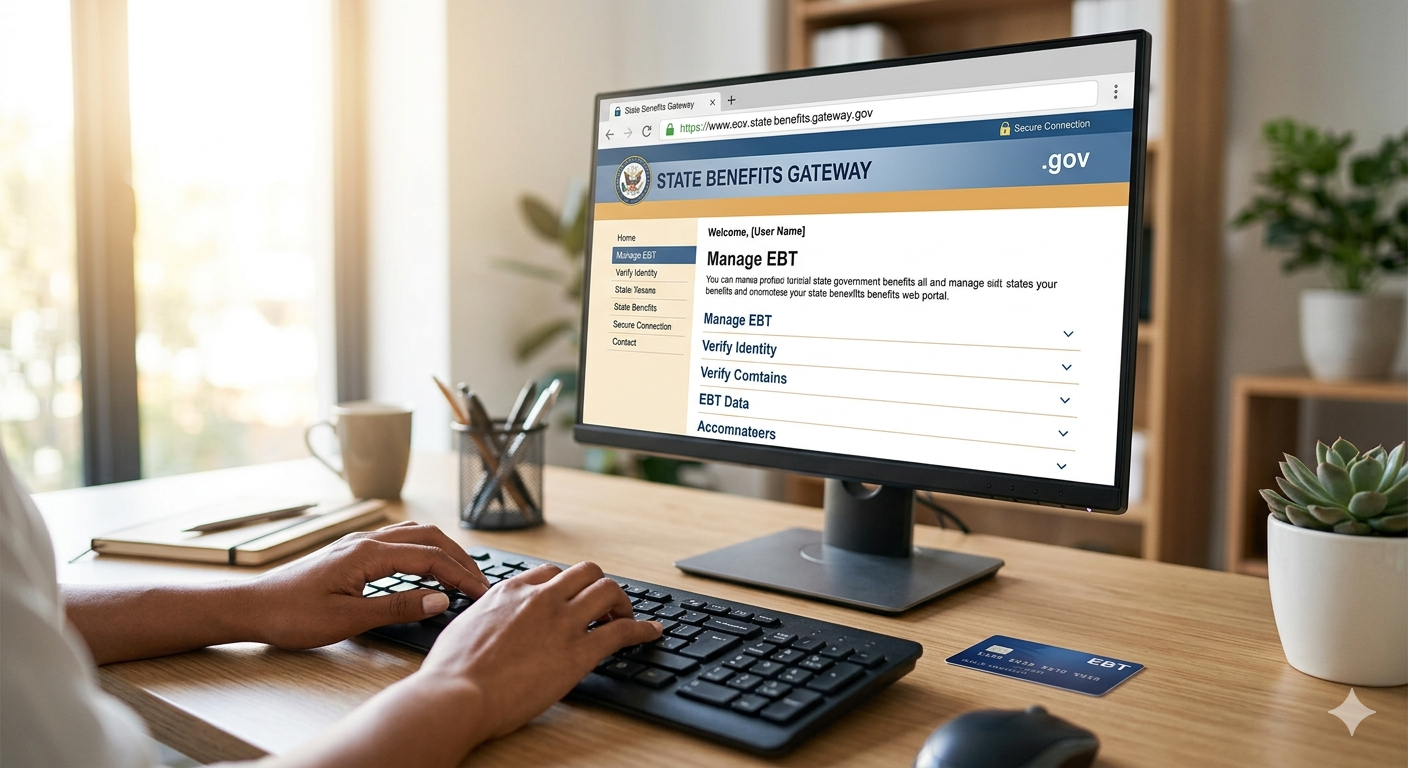
Online Application: You can apply through the DHR website at mydhr.alabama.gov. The application process generally includes creating an account, completing an online form, and submitting documents. You will also need to have a phone interview with a caseworker.
New ACES System: Alabama is transitioning to the Alabama Combined Eligibility System (ACES), an online portal intended to be faster and simpler. ACES is currently being piloted in Dallas, Elmore, Montgomery, Talladega, and Tuscaloosa counties; it will eventually become mandatory for all applicants.
✅ 2026 Eligibility Standards: Income Limits & Work Rules
Your eligibility for SNAP is based on federal guidelines, which Alabama is now enforcing more strictly.
Income Limits: To be eligible, your gross income must generally be at or below 130% of the Federal Poverty Level (FPL). The table below shows the monthly limits for the current fiscal year:
Asset Limits: Alabama uses broad-based categorical eligibility (BBCE), which means there is no countable asset limit for most SNAP households. Items like your home, car, and retirement accounts are not counted.
Maximum Monthly Benefit: The maximum benefit amounts are set federally and haven’t changed from 2025.
Household Size
Max Monthly Benefit
1 person
$298
2 people
$546
3 people
$785
4 people
$994
5 people
$1,183
Each Extra Person
+$208
Source: USDA for FY2026
Maximum Work Requirements: A significant change in 2026 is the strict enforcement of work rules for “Able-Bodied Adults Without Dependents” (ABAWDs). ABAWDs are now adults aged 18-64 without children under 14 living with them.
To remain eligible for SNAP, these individuals must meet a minimum of 80 hours per month of work, volunteering, or job training. This change is impacting over 700,000 Alabamians.
To help meet these new requirements, Alabama DHR has partnered with a business to launch the “A-Reset” program, which offers free resume help, interview coaching, and job placement assistance.
🛡️ EBT Modernization & Preventing Fraud
To combat a surge in fraud, Alabama DHR has launched several new initiatives.
Chip-Enabled EBT Cards: A pilot program is testing new, more secure chip-enabled EBT cards in counties including Autauga, Lee, and Montgomery. These new cards, which include a CVV security code and expiration date, will be mailed to all cardholders after the pilot.
ConnectEBT Mobile App: The ConnectEBT app is the only authorized app for checking your balance, transaction history, and changing your PIN.
“Lock Card” Feature: The app features a “Lock/Unlock” tool to prevent fraud. DHR recommends you select “Lock Card Everywhere,” which will block all transactions, and then temporarily unlock the card just before you make a timed purchase.
There are several important policy changes on the horizon:
Potential Purchase Restrictions: A bill has passed the Alabama Legislature and is awaiting the governor’s signature. If signed, it would require DHR to request a federal waiver to prohibit the purchase of candy and non-diet soda with SNAP benefits. If the waiver is approved, the ban could take effect October 1, 2026.
State Financial Penalty Risk: Federal budget changes mean Alabama could face penalties of up to $261 million due to a high SNAP error rate (overpayments or underpayments).
Expired Benefit Replacement: The federal authorization for replacing stolen SNAP benefits expired on December 21, 2024. DHR can no longer process replacement claims for thefts that occurred after this date.
📞 Key Contacts & Resources
EBT Customer Service: For card issues, balance inquiries, lost/stolen cards, and help with the new chip card. Call 1-800-997-8888 (available 24/7)
DHR Helpline: For assistance with the new ACES system, call 1-877-269-6191
Alabama Food Bank Network: If you need immediate food assistance, call 334-239-7337 or visit feedingalabama.org
So far, we have covered the application process, eligibility, and recent policy changes. Are you interested to learn more about the specific documents you’ll need to apply?
Overview of New Technology Implementation
The Alabama Department of Human Resources (DHR) is implementing significant technological advancements in its food stamp program, designed to enhance the efficiency of application processing and benefits distribution. This initiative reflects the DHR’s commitment to modernizing its systems, ultimately benefiting the thousands of residents who rely on food assistance.
One of the key technological tools being adopted is an upgraded online application portal. This platform provides applicants with a user-friendly interface, allowing them to submit information easily and track their application status in real-time. By streamlining the process, the DHR aims to reduce wait times and improve access for Alabama’s food stamp recipients.
In addition to the online portal, the DHR is integrating automated data verification systems. These systems will allow the department to cross-check applicant information with various databases swiftly, thereby expediting the verification process. Such technology not only mitigates potential fraud but also ensures that eligible individuals receive their benefits without unnecessary delays.
Furthermore, the DHR is incorporating mobile application technology, enabling beneficiaries to manage their food stamp accounts conveniently via smartphones. Users will have the ability to monitor their balance, view transaction histories, and receive alerts about important updates, all aimed at fostering greater engagement and responsibility among recipients.
Lastly, the introduction of enhanced customer service tools, including chatbots and virtual assistance, represents another avenue through which the DHR is prioritizing user experience. These tools will provide immediate answers to common inquiries and support users in navigating the application process efficiently.
Major Federal Changes Impacting Food Stamps
Recent legislative updates at the federal level have introduced significant changes affecting the administration of food stamps, officially known as the Supplemental Nutrition Assistance Program (SNAP). One of the primary alterations involves the reevaluation of eligibility criteria aimed at ensuring that assistance reaches those who are most in need. Taking into consideration the various economic challenges exacerbated by recent global events, Congress has aimed to expand access to individuals and families whose financial situations have deteriorated.
Another notable change pertains to the adjustments in benefit amounts. In response to inflation and an increased cost of living, the federal government has revised the formula used to determine the monthly benefit allocations. These modifications have led to an increase in benefits for many recipients across the nation, including Alabama, where economic pressures have particularly impacted low-income households.
Additionally, the integration of technology in the administration of food stamps has been a key focus. The federal government has launched initiatives to streamline the application and review processes, using digital platforms to facilitate easier access for potential recipients. This shift to a more technology-driven approach is designed to minimize bureaucratic delays and improve overall efficiency in delivering assistance. In Alabama, the state’s SNAP program is currently in the process of adopting these technological advancements to enhance user experience and bolster application processing.
Furthermore, new policy updates have emphasized the importance of outreach programs that educate qualified individuals on how to apply for food stamps. Recognizing that many eligible families may not be aware of their rights to assistance, the federal government is pushing for state programs to actively reach out and inform these groups. This initiative suggests a collaborative effort to ensure that food stamps are effectively serving the populations that rely on this essential support.
Eligibility Criteria for Food Stamps in Alabama
In Alabama, the eligibility criteria for food stamps, officially known as the Supplemental Nutrition Assistance Program (SNAP), are governed by both federal standards and state regulations. These criteria primarily encompass income limits, household size, and specific changes stemming from recent technological and federal updates.
The income threshold is a critical determinant in assessing eligibility. As of the latest updates, a household’s gross monthly income must not exceed 130% of the federal poverty level. This means that for a family of three, the gross monthly income limit is approximately $2,039. Adjustments are made based on household size, ensuring that the program serves a diverse range of families in need.
Furthermore, certain deductions can be applied to the gross income, allowing households to potentially qualify even if their earnings are close to the limit. These deductions may include expenses for housing, dependent care, and medical costs for elderly or disabled members of the household.
In addition to income qualifications, the size and composition of the household are also significant factors. Households must be comprised of individuals who typically purchase and prepare meals together to qualify as a unit. Recent technological advancements in the application process have simplified the verification of household composition, making it easier for applicants to provide necessary information.
Lastly, it is important to mention that applicants may also be required to meet work requirements unless exempted due to certain circumstances. The implementation of new federal guidelines aims to streamline this process, thereby enhancing accessibility to eligible families.
Application Process for Food Stamps
The application process for food stamps in Alabama has evolved notably with the implementation of new technologies and federal guidelines aimed at enhancing accessibility and efficiency for applicants. Eligible individuals can initiate their application by visiting the Alabama Department of Human Resources (DHR) website, where they can find comprehensive resources and guidelines relevant to their needs.
To begin the application, individuals need to create an account on the DHR platform. This digital transformation allows applicants to fill out and submit their forms online, significantly shortening the waiting period associated with traditional paper applications. The new interface is designed with user-friendliness in mind, ensuring that even those less familiar with technology can navigate the system effectively.
Once the online application is submitted, applicants will receive a confirmation and information about their next steps via email. For those who prefer in-person assistance, Alabama still provides local DHR offices where individuals can schedule appointments or walk in for help. Note that applicants were previously required to submit their income information, proof of identity, and residency documentation; these requirements remain in place, but new tools now assist in the verification process.
Moreover, mobile applications tailored to streamline the lodging of applications and the tracking of benefits have become increasingly available, making it easier for recipients to manage their food stamp benefits. Such technology not only expedites the process but also helps in keeping recipients informed about their status, eligibility, and renewals.’
The recent implementation of new technology and federal changes in Alabama’s food stamp program promises significant benefits for users. One of the primary advantages is the improvement in service delivery. By adopting advanced systems, the Alabama Department of Human Resources can streamline processing times, thereby enhancing the efficiency of application approvals and benefit distribution. With automated processes, the aim is to reduce the burden on caseworkers, allowing them to focus more on client engagement rather than administrative tasks.
Additionally, these technological advancements are anticipated to minimize waiting times for applicants. Historical challenges regarding long waiting periods for interviews and application processing significantly affect the user experience. With the new systems in place, prospective recipients should experience a more timely response, ensuring that they have quicker access to essential resources. This reduction in waiting time not only decreases the stress and uncertainty for users but also supports their immediate needs more effectively.
Enhancements in user interface design are also a key feature of the new changes. Improved online portals and mobile applications will allow users to access their food stamp information with greater ease. This user-friendly approach ensures that individuals can navigate the system without difficulty, ultimately leading to higher rates of program enrollment and retention. Furthermore, additional tools such as chatbots and automated messaging systems are being integrated to provide real-time assistance and answers to frequently asked questions, which can alleviate the need for direct contact with support staff.
These federal and technological changes aim to create a more inclusive environment for users of the food stamp program, ensuring that the service is accessible, efficient, and responsive to the complex needs of Alabama’s residents. As these enhancements take effect, the overall experience for food stamp users is expected to improve significantly, fostering greater community support and engagement.
Challenges and Concerns with Implementation
The recent technological updates and federal changes regarding food stamps in Alabama present an array of challenges that warrant attention. One significant concern is accessibility, particularly for vulnerable populations such as the elderly and individuals with disabilities. As the integration of advanced technology transforms the application process, it is essential to ensure that every eligible resident, regardless of their technological proficiency, can successfully navigate the new systems. Accessibility barriers could lead to underutilization of services meant to assist those in need.
Another challenge is the provision of adequate training for staff who will be responsible for implementing these changes. With a shift towards digitized systems, employees must be well-equipped to manage the new software and troubleshoot potential issues. Insufficient training could lead to confusion among staff, which may ultimately deter applicants from receiving the assistance they require. Furthermore, a workforce that struggles with operational complexities could inadvertently exacerbate existing delays in processing applications.
Moreover, there is the urgent need to assess the system’s preparedness to handle an increase in applications. As awareness of new programs grows, it is anticipated that application volumes will surge. The technological infrastructure must be robust enough to support this potential influx without causing system overload or significant processing delays. If the systems fail to operate efficiently, it could lead to longer waiting times for applicants, thus impacting their access to critical food assistance.
Addressing these concerns is paramount to ensuring a smooth transition to the updated food stamp system. Stakeholders must actively engage in discussions to identify solutions that prioritize accessibility, provide comprehensive training, and ensure the technology has capacity for increased demands, thereby promoting a sustainable support system for the eligible citizens of Alabama.
Community Feedback and Response
The recent changes to food stamp programs in Alabama have elicited a wide range of feedback from current and potential recipients, advocacy groups, and various community stakeholders. Many users have expressed concerns about the accessibility of the new technology being implemented, citing challenges in navigating online applications and account management. Some recipients have noted that not all individuals possess the necessary technological skills or reliable internet access, which could hinder their ability to obtain much-needed assistance.
Advocacy groups emphasize the importance of addressing these barriers. They argue for the necessity of providing comprehensive training sessions and workshops to educate applicants about the technology involved in the food stamp application process. Additionally, they suggest that more in-person support options should be made available to allow individuals who may not be comfortable with digital platforms to complete their applications effectively.
Furthermore, feedback gathered from community forums indicates that certain stakeholders feel the updates in the food stamp program could lead to unintended food insecurity among vulnerable populations. Many advocates caution against a one-size-fits-all approach, highlighting the diverse needs of individuals who rely on food assistance. Enhancing community engagement through regular feedback mechanisms could provide food stamp administration teams with more in-depth insights and suggestions from the frontline experiences of users.
Community members have also voiced their appreciation for increased transparency regarding eligibility requirements and changes, with many suggesting that clear communication is vital for effective program participation. Overall, feedback demonstrates a collective desire to ensure that technological advancements enhance the food stamp program while maintaining its accessibility for everyone who needs it.
Conclusion and Future Outlook
In reviewing the latest updates regarding food stamps in Alabama, it becomes evident that substantial changes are influencing the effectiveness and accessibility of the program. Technological advancements have played a crucial role in enhancing the delivery of benefits, making the application process more efficient and user-friendly for recipients.
One significant development has been the increased integration of electronic systems that streamline benefit management and improve data accuracy. These digital upgrades not only simplify the enrollment process but also ensure that resources are allocated where they are needed most. Additionally, this transition to a more technology-driven framework may alleviate some of the administrative burdens faced by staff, allowing for better support and communication with beneficiaries.
Moreover, recent federal changes reflect a commitment to reevaluate and enhance the food stamp program. These adjustments aim to bolster support for low-income families in the state and introduce measures to increase food security, which is critical for overall community health. Policymakers are tasked with balancing the need for support with fiscal responsibility, ensuring that the program remains sustainable in the long term.
Looking ahead, it will be essential for stakeholders to monitor both technological progress and policy modifications continuously. The collaboration between state authorities and federal partners will likely drive future initiatives aimed at improving the food stamp program. With ongoing innovation and an emphasis on accessibility, Alabama’s food stamp program has the potential to evolve into a more responsive and efficient safety net for those in need.