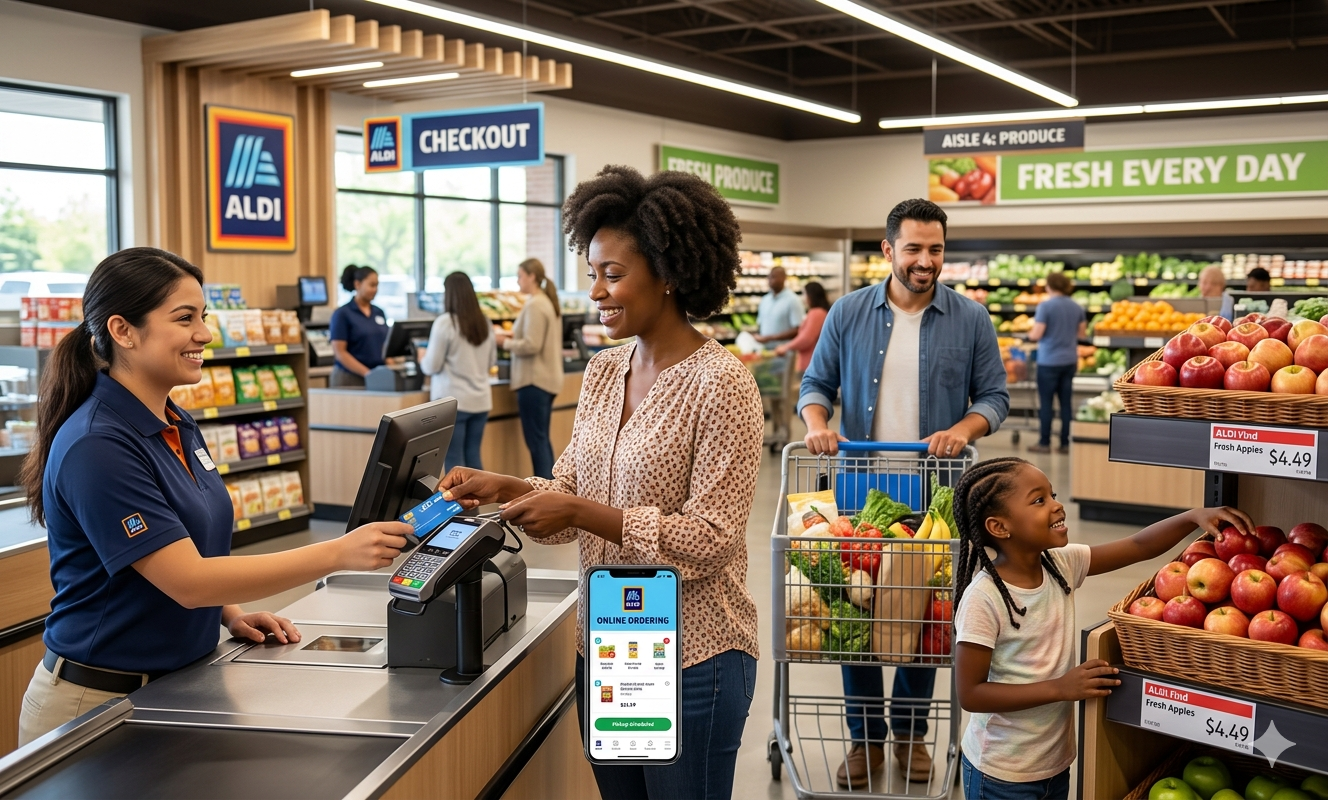
The Supplemental Nutrition Assistance Program (SNAP), formerly known as food stamps, is a crucial federal aid initiative aimed at alleviating food insecurity among low-income households in the United States. By providing financial assistance for purchasing nutritious food, SNAP plays an essential role in enhancing the well-being and health of its beneficiaries. With millions of Americans relying on this support, understanding the program’s significance is vital for recognizing its impact on individuals and communities.
One of the primary objectives of the SNAP program is to ensure access to healthy and nutritious food. In a landscape where many families struggle to meet their basic dietary needs, the provision of nutrition assistance not only supports immediate food access but also fosters long-term health benefits. The significance of nourishing meals cannot be understated, as they are foundational to promoting overall wellness and preventing diet-related diseases, particularly among vulnerable populations.
Additionally, SNAP serves as an essential economic stabilizer within communities. By allowing low-income families to purchase food, the program injects funds into local economies. Retailers benefit from increased sales, which can lead to job retention and even expansion. This economic ripple effect underscores SNAP’s dual purpose: alleviating hunger while bolstering local markets.
As societal awareness of food security issues continues to grow, it is clear that programs like SNAP are necessary to uphold American values of equity and access. By aiding those most in need, SNAP not only mitigates food insecurity but also addresses broader societal challenges. As such, understanding the intricacies of SNAP and the recent updates to its retailer rules will become increasingly essential for all stakeholders involved.
The USDA has just this week finalized a major update to SNAP retailer rules, focusing on requiring stores to stock a wider variety of real, nutritious foods. Here are the latest details you need to know.
📜 The New SNAP Retailer Stocking Standards
The U.S. Department of Agriculture (USDA) published this final rule on May 7, 2026. It delivers on a mandate from the 2014 Farm Bill, which has been held up for years by annual spending bills but will now be fully enforced.
Here’s a breakdown of what the new standards mean for stores:
Current Rule (Until Fall 2026)
New Rule Starting Fall 2026
Minimum Varieties per Category
3 varieties
7 or more varieties
Staple Food Categories
Protein, grains, dairy, fruits/vegetables
Protein, grains, dairy, fruits/vegetables
Perishable Foods Requirement
At least 1 perishable item in 2 categories
At least 1 perishable item in 3 categories
Minimum Total Items
(Implied 12 total varieties)
84 individual items (7 varieties × 3 units each × 4 categories)
Total SNAP Retailers (as of early 2025)~260,000 stores
The rule also aims to close loopholes that previously allowed retailers to count certain snack foods toward their minimum stocking requirements, making sure the focus is on whole foods.
📅 When Will This Happen?
📝 Official Effective Date: The rule officially goes into effect on July 7, 2026.
📆 Deadline for Compliance: All SNAP-authorized retailers must be fully compliant by November 4, 2026.
📢 For Immediate Impact: Even before these deadlines, the USDA is signaling a crackdown. Since the Trump administration began, the Food and Nutrition Service (FNS) has taken action against nearly 3,200 retailers for failing to meet existing standards, and warns that continued violations could lead to disqualification from the program.
🎯 Why Is the USDA Making These Changes?
The USDA says this rule has several key objectives designed to modernize the program and improve health outcomes:
💪 Emphasis on “Real Food”: The primary goal is to improve the nutritional quality of food available to SNAP recipients by ensuring retailers focus on whole, nutrient-dense foods.
🛡️ Reducing Program Fraud & Abuse: The new standards are intended to add a layer of accountability. The USDA has pointed out that smaller, non-traditional food stores (like many convenience stores) account for a disproportionate number of SNAP violations while only handling a small fraction of benefit redemptions.
📦 Clarifying Inventory: The rule revises and clarifies definitions of specific varieties, like counting “shredded cheese” as unique from block cheese, to give retailers a clearer picture of compliant inventory. It also adds new compliant varieties like whole grain bread, pasta, and sour cream to the list.
⚖️ What Are the Concerns and Next Steps?
While the rule is supported by major trade groups like the Food Industry Association (FMI) and the National Grocers Association (NGA), who say it will expand healthy options for participants, not everyone is on board. The Food Research & Action Center (FRAC) has raised a major concern: that thousands of small retailers, especially in rural or “food desert” areas, may not be able to meet the new requirements and could be forced to stop accepting SNAP, creating a risk of reduced food access for low-income families.
📄 The Final Rule: The full final rule was published in the Federal Register on May 8, 2026.
🛠️ Next for Retailers: The USDA has stated it will provide additional compliance guidance to retailers in the coming weeks.
I hope that helps clarify the new rules for you. If you’re curious about other recent changes to SNAP, like the new work requirements for participants or the food restriction pilots in states like Florida and Alabama, just let me know!
Overview of the Recent Rule Changes
The United States Department of Agriculture (USDA) has recently finalized updates to the Supplemental Nutrition Assistance Program (SNAP) retailer rules, introducing significant modifications aimed at improving the nutritional quality of foods available to recipients. These updates particularly emphasize the necessity for retailers to stock healthful, nutritious foods that promote better dietary choices among SNAP beneficiaries.
One of the central changes involves the requirement for retailers to offer a greater variety of essential food items. This includes fresh fruits and vegetables, lean protein sources, whole grains, and other wholesome products that contribute to a balanced diet. By mandating a wider selection of nutritious foods, the USDA aims to ensure that SNAP participants have access to dietary options that align with current health guidelines and nutritional standards.
Additionally, the recent rule changes specify that retailers must adhere to strict stocking requirements to be eligible for SNAP participation. This includes maintaining minimum thresholds of healthy food items within their inventory. Retailers who fail to comply with these standards may find themselves ineligible to accept SNAP benefits, thus incentivizing them to prioritize health-promoting foods.
Furthermore, the USDA is introducing measures to enhance the accountability of participating retailers. This includes the implementation of periodic compliance checks and the establishment of penalties for those who do not meet the updated guidelines. Such actions aim to create a more reliable network of retailers dedicated to providing nutritious food options, thereby fostering better health outcomes for individuals relying on SNAP support.
In essence, these SNAP retailer rule updates reflect a comprehensive strategy to transform the food environment for participants, encouraging healthier choices and ultimately addressing the issue of food insecurity through improved nutrition.
Objectives Behind the Update
The recent update to the Supplemental Nutrition Assistance Program (SNAP) retailer rules by the United States Department of Agriculture (USDA) is a strategic move aimed at reorienting the program’s focus towards promoting healthier eating habits among its beneficiaries. This decision reflects an ongoing commitment to address public health concerns related to diet-related diseases, such as obesity and diabetes, which disproportionately affect low-income communities.
One of the primary objectives of these updates is to enhance the availability of nutritious food options within the SNAP framework. By setting more stringent criteria for retailers, the USDA aims to encourage stores to offer a wider variety of fruits, vegetables, whole grains, and lean proteins. This effort supports the broader public health goals of the nation, aligning with the recommendations of dietary guidelines that advocate for the consumption of nutrient-dense foods.
Furthermore, the updated retailer rules intend to decrease the prevalence of unhealthy food options within stores that participate in the SNAP program. This is particularly important given that many SNAP beneficiaries often shop in environments where unhealthy, processed foods dominate the selection. By restricting the availability of these items, the USDA seeks to nudge consumers towards making healthier choices that can contribute to improved overall nutrition.
Additionally, these updates will likely stimulate community-level changes in food environments, potentially prompting a transformation in how food retailers operate. Retailers who are motivated to comply with these new standards may find opportunities to innovate and adapt their product offerings, which can ultimately lead to a more nutritious food landscape in areas most affected by food insecurity.
In sum, the updated SNAP retailer rules reflect a multifaceted approach to improve public health outcomes by fostering a food environment that encourages healthier dietary choices among SNAP beneficiaries, thereby addressing both nutrition and health disparities in the communities served.
Implications for Retailers
The recent updates to the Supplemental Nutrition Assistance Program (SNAP) retailer rules by the USDA have significant implications for retailers authorized to participate in the program. As these changes come into effect, it is crucial for retailers to understand the challenges and responsibilities they may encounter while adapting to the new guidelines.
One of the primary areas of concern is inventory management. Retailers will need to refine their inventory systems to ensure compliance with the updated regulations. This may involve new tracking methods for items considered eligible for SNAP. Retailers must accurately monitor stock levels for SNAP-approved foods, which may entail investing in new technologies or software systems. Such adjustments could strain existing resources, especially for smaller retailers who may lack the capital or infrastructure to efficiently revamp their inventory systems.
In addition to inventory management, training staff will become an essential responsibility following the guidelines’ implementation. Employees must be aware of which products are eligible for SNAP benefits and how to process these transactions correctly. This training will help reduce errors at the point of sale and ensure a smooth experience for customers relying on SNAP. Retailers might need to devote time and financial resources to developing training programs or sourcing external expertise, which can be particularly challenging amid tight operating budgets and labor shortages.
Furthermore, the changes may introduce new reporting and documentation requirements, placing additional pressure on administrative staff. Retailers may find it necessary to allocate more resources towards compliance to avoid potential penalties or loss of SNAP authorization. The evolving landscape of SNAP regulations, while aiming to improve the program, may pose considerable hurdles for retailers committed to serving their communities.
Benefits for SNAP Recipients
Recent updates to the Supplemental Nutrition Assistance Program (SNAP) retailer rules aim to foster improvements in the nutritional landscape for beneficiaries. By expanding the range of eligible retailers, these new regulations are set to provide SNAP recipients with greater access to a diverse array of healthy food options. The inclusion of more stores facilitates opportunities to purchase fresh produce, whole grains, lean proteins, and other nutritious items, thereby enhancing dietary choices.
The emphasis on healthier food availability is a significant step towards tackling food insecurity and promoting overall health among low-income families. Research has increasingly shown that improving access to healthy foods can lead to better dietary habits, which, in turn, could yield positive health outcomes, including reduced rates of obesity and diet-related chronic diseases such as diabetes and hypertension. Therefore, the expansion of eligible retailers is not merely a logistical change but a strategic initiative aimed at influencing the eating behaviors of SNAP recipients.
Additionally, the changes are designed to encourage retailers to prioritize and stock healthful options. With stricter guidelines being established on what constitutes appropriate foods within the program, retailers will likely adapt their offerings to align with consumer demand for healthier items. This shift towards healthier foods not only benefits SNAP participants but also serves the broader public health agenda by fostering a more health-conscious food environment.
In light of the current updates, SNAP recipients can anticipate a more enriching shopping experience that reflects their nutritional needs and preferences. Enhanced access to quality food sources can significantly contribute to improved well-being for millions of families, exemplifying the potential impact of thoughtful policy changes in the SNAP framework.
Community and Economic Impact
The recent updates to the Supplemental Nutrition Assistance Program (SNAP) retailer rules by the USDA are poised to have significant repercussions on communities and local economies. These changes aim to enhance the quality of food offerings available to SNAP participants, particularly in underserved areas, which are often referred to as food deserts. Food deserts are regions where residents have limited access to affordable and nutritious food, and enhancing retailer participation in SNAP can play a pivotal role in alleviating this issue.
With increased incentives for retailers to provide healthier food options, communities may witness improved public health outcomes. Access to fresh fruits, vegetables, and whole grains can mitigate the risks associated with diet-related diseases such as obesity and diabetes. As SNAP participants gain access to a wider variety of nutritious foods, there’s a potential ripple effect that can encourage healthier eating habits across families, fostering a more health-conscious community.
Furthermore, these updates may stimulate local economies by encouraging the establishment of new grocery stores and farmers’ markets in previously underserved areas. By attracting more retailers willing to accept SNAP benefits, communities can experience a boost in job creation and increased local economic activity. Local businesses may thrive as they cater to the dietary needs and preferences of a more diverse clientele, ultimately leading to a more robust economic environment.
It is essential, however, for local governments and community organizations to support these retailers through initiatives like nutrition education programs and marketing assistance. Collaboration among stakeholders can amplify the benefits of these SNAP reforms, ensuring that they lead to sustainable improvements in health, economic stability, and community cohesion. In conclusion, the impact of these changes extends beyond food access, fostering a healthier and more economically vibrant community at large.
Challenges Ahead
The recent updates to the Supplemental Nutrition Assistance Program (SNAP) retailer rules present a variety of challenges that stakeholders must navigate. A significant concern is the potential resistance from some retailers who may oppose the requirements or feel overwhelmed by compliance demands. Smaller retailers, in particular, may struggle to meet the new standards due to resource constraints, potentially leading to reduced access for SNAP recipients in their areas. This resistance could hinder the effective implementation of the rules intended to enhance the program’s integrity and accessibility.
Another major challenge lies in the logistical complexities of tracking compliance with the new rules. The enforcement of these regulations will necessitate robust monitoring systems to ensure that participating retailers adhere to the revised guidelines. These systems must accommodate the diverse range of food retailers and track a myriad of compliance metrics, which can be resource-intensive. As regulatory bodies step up their data collection efforts, the onus will also fall on retailers to adapt their operations efficiently to respond to these compliance checks.
Coupled with these compliance issues is the critical need for public education regarding the changes to SNAP offerings. Many recipients may not be aware of new eligibility requirements or the types of food products that qualify under the updated SNAP program. A proactive approach to public education is essential to ensure that beneficiaries understand their options and can navigate the complexities of the program effectively. This effort will require collaboration among government agencies, community organizations, and retailers to disseminate clear and accessible information, thus fostering a successful transition to the new retail environment.
Expert Opinions and Predictions
The recent updates to the Supplemental Nutrition Assistance Program (SNAP) retailer rules have garnered attention from various stakeholders, including nutritionists, economists, and policy experts. These professionals share differing perspectives on the potential implications of these changes, particularly concerning food access, public health, and economic stability.
Nutritionists have expressed optimism regarding the revised guidelines, arguing that they may lead to improved food choices among SNAP participants. By emphasizing the availability of healthier options through retailers, advocates believe that participants will be encouraged to select nutrient-dense foods over processed items. As a result, this could contribute to better health outcomes in low-income communities, which often face food deserts that limit access to fresh produce.
On the economic front, experts warn of potential challenges that the new regulations might face. Economists have pointed out that stricter rules for SNAP retailers could inadvertently restrict participation for some small businesses that serve low-income populations. These businesses may struggle to comply with the updated criteria, resulting in fewer shops able to accept SNAP benefits, thereby limiting food access for vulnerable communities. This duality of healthier food options and potential retailer attrition raises questions about the net impact of the changes.
Public policy experts highlight the importance of continuous assessment as these updates are implemented. They suggest that ongoing data collection and monitoring will be crucial in determining the effectiveness of the new rules. Predictive models could be used to gauge how these changes impact SNAP expenditures, household nutrition, and overall community health. With the right approach, these experts believe the modifications may yield positive outcomes in addressing food insecurity.
In conclusion, the array of insights from various fields indicates a complex and multifaceted future for SNAP’s updated retailer rules. The success of these changes will depend not only on their execution but also on the adaptability of the program to the changing landscape of food access and nutrition in America.
Conclusion and Future Outlook
The USDA’s recent finalization of updates to the SNAP retailer rules is a significant step toward enhancing the program’s efficiency and accessibility. By refining eligibility criteria and streamlining the application process, these changes aim to increase retailer participation, ensuring that low-income households have better access to nutritious food sources. The strategic adjustments made in this rule not only address the current challenges faced by the program but also have far-reaching implications for the future of food assistance in the United States.
As the USDA moves forward with implementing these new regulations, several critical factors warrant consideration. Policymakers will need to monitor the impacts closely, ensuring that the changes lead to tangible improvements in food security. This involves gathering data on retailer participation rates, consumer accessibility, and overall program effectiveness. Collaboration with stakeholders, including retailers, advocacy groups, and community organizations, will be essential in ensuring the smooth roll-out of the updated rules.
Retailers, for their part, must adapt to the new rules, utilizing this opportunity to engage with communities and better serve the needs of SNAP beneficiaries. By embracing these changes, retailers can play a pivotal role in promoting healthier food options and fostering greater inclusivity within the food supply chain. Furthermore, advocates for low-income families should remain vigilant, ensuring that the voices of those affected by these regulations are heard in ongoing discussions about food policy and access.
Looking ahead, the USDA’s new SNAP retailer rules provide a foundation for continued progress in nutritional assistance. It will be crucial for all involved parties to remain proactive in addressing emerging challenges and ensuring that the benefits reached through this program are maximized for those who need them most.