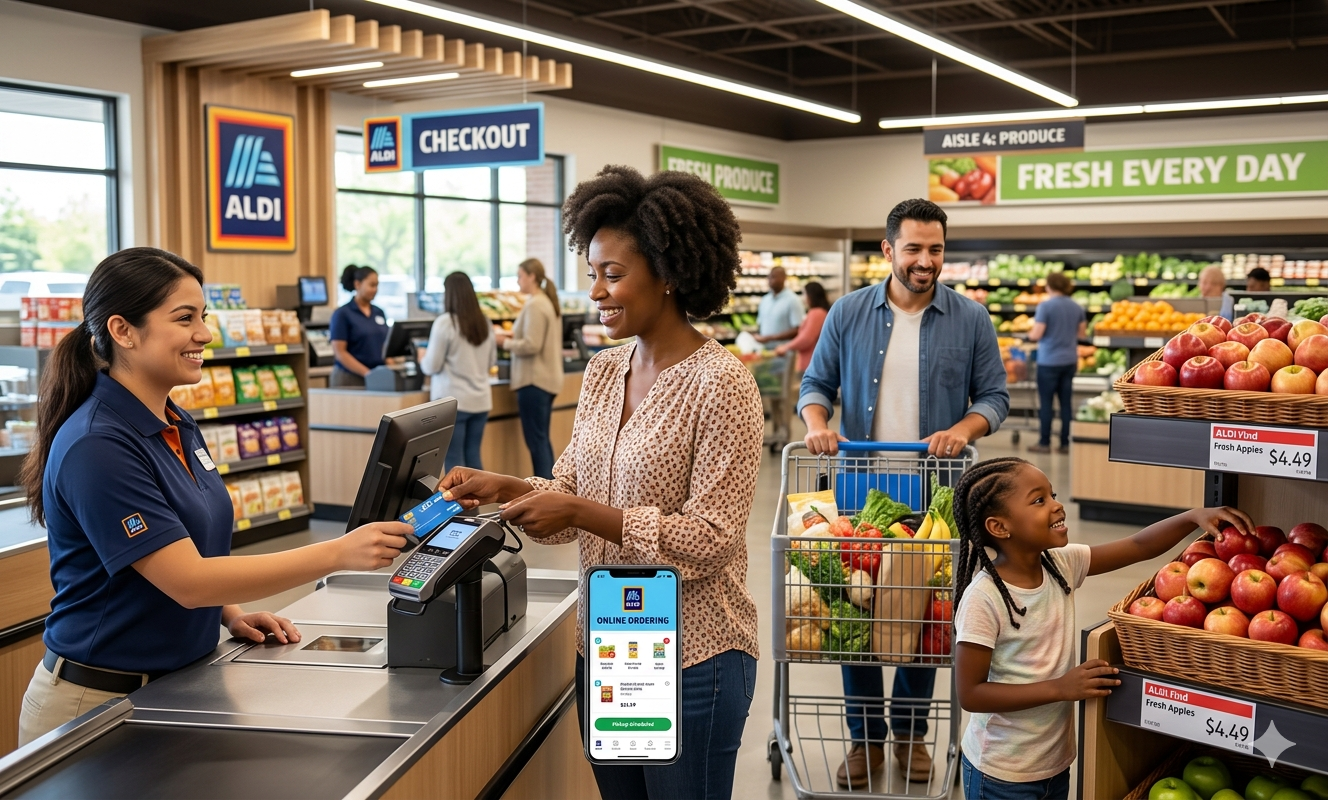
The Supplemental Nutrition Assistance Program (SNAP), commonly referred to as food stamps, is a federal assistance initiative designed to provide nutritional support to low-income individuals and families across the United States. In Oregon, SNAP plays a crucial role in combating food insecurity by offering financial assistance that can be utilized for purchasing eligible food items. The objective of SNAP is to ensure that all households can secure sufficient and nutritious food, enhancing their health and well-being.
SNAP benefits in Oregon take various forms, with the primary method of distribution being the Oregon Trail EBT card. This Electronic Benefits Transfer (EBT) card functions similarly to a debit card, allowing recipients to access their monthly benefits at authorized retailers. The EBT system not only simplifies the process of utilizing SNAP benefits but also helps maintain the confidentiality of the participants. Users can purchase a range of food products, including fruits, vegetables, meats, dairy products, and non-alcoholic beverages.
It is essential to understand that while SNAP benefits significantly alleviate the burden of food costs, they are not intended to cover all expenses related to grocery shopping. Certain items are ineligible for purchase with SNAP benefits; for example, hot prepared foods, vitamins, and supplements are excluded from eligible purchases. By providing financial assistance solely for food-related expenses, SNAP aims to foster healthier eating habits and improve the overall nutrition of participants.
In Oregon, the SNAP program is integrated with other state initiatives aimed at enhancing food security, connecting families with additional resources and support. This holistic approach not only promotes access to food but also aids individuals in finding sustainable pathways towards self-sufficiency. As such, understanding the intricacies of SNAP benefits is invaluable for those considering their eligibility for assistance programs.
Eligibility Requirements for Oregon SNAP
The Supplemental Nutrition Assistance Program (SNAP) in Oregon, commonly referred to as food stamps, has specific eligibility criteria that prospective applicants must meet. Primarily, these requirements include income limits, household size, and work-related stipulations. Understanding these criteria is crucial for determining your eligibility for SNAP benefits.
Income eligibility is determined based on the federal poverty level (FPL) guidelines, which are updated annually. For most households in Oregon, income must fall at or below 200% of the FPL to qualify for SNAP benefits. This calculation considers both gross and net income, which may include earnings, assistance payments, and certain deductions such as childcare costs or medical expenses.
Household size plays a significant role in eligibility determination. A household is defined as individuals who live together and purchase food collectively. The size of the household directly influences the income limit; larger families are allowed higher income thresholds. It is essential for applicants to accurately report household composition when applying for SNAP.
Work requirements are also a critical aspect of eligibility for certain individuals. Generally, most adults aged between 18 and 49 who are not disabled must participate in work or training programs to receive benefits. However, specific exemptions apply to students enrolled in higher education, the elderly, and those caring for dependents.
In Oregon, additional factors may come into play, such as eligibility for other assistance programs or specific conditions faced by applicants that may warrant exemptions from the standard requirements. These unique circumstances can sometimes allow individuals who otherwise do not meet the typical criteria to access SNAP benefits.
How to Apply for SNAP in Oregon
Applying for Supplemental Nutrition Assistance Program (SNAP) benefits in Oregon involves several straightforward steps. The first step is to determine your eligibility based on the state’s requirements, which include factors such as income, household size, and citizenship status. Once you ascertain your eligibility, you can proceed with the application process.
The application for SNAP can be completed online, by mail, or in-person. For the online application, visit the Oregon Department of Human Services (DHS) website where you can access the electronic form. This is often the preferred method due to its convenience and speed. If you choose to apply by mail, you can download the application forms from the DHS website, fill them out, and send them to your local office.
For those who prefer a face-to-face interaction, you can visit your local DHS office. It is advisable to call ahead to confirm if you need to schedule an appointment or if you can walk in directly. Regardless of the platform you choose, ensure that you have all necessary information at hand to avoid delays. This typically includes identification, Social Security numbers for all household members, proof of income, and any reports of expenses such as housing, childcare, or healthcare costs that may affect your SNAP benefits.
To streamline the application process, gather all documents beforehand and double-check that you have completed each section of the application. Accurate and thorough submissions can significantly reduce processing time. After submission, you will receive confirmation from the DHS regarding the status of your application. If you encounter any issues during the application process, assistance is available through various community organizations, which can provide guidance and support to ensure you receive the benefits you qualify for.
SNAP Benefit Amounts and Calculation
The calculation of Supplemental Nutrition Assistance Program (SNAP) benefits in Oregon involves several factors, primarily centered around household income, allowable deductions, and the Thrifty Food Plan (TFP). First and foremost, the total household income is assessed to determine eligibility and benefit amounts. This income includes wages, benefits, and other monetary sources, which are then compared against federal poverty guidelines.
Once eligibility is established, the next step is to identify allowable deductions from the gross income. Common deductions include expenses such as housing costs, utilities, childcare, and medical expenses for elderly or disabled household members. These deductions play a crucial role in determining the household’s net income, which impacts the level of benefits received.
The Thrifty Food Plan, a meal plan developed by the United States Department of Agriculture (USDA), serves as a benchmark for calculating SNAP benefits. The TFP outlines a nutritious, cost-effective diet, which is then used to calculate the maximum benefit amounts that households may receive. Each year, these amounts are updated to account for inflation and changes in food prices, ensuring that the benefits maintain their purchasing power.
For 2026, Oregon will continuously assess and adjust SNAP benefits based on the latest TFP calculations. Overall, households consisting of one to four members can expect different maximum benefit amounts, with the amounts increasing for larger households. This structured approach aims to ensure that individuals and families have access to sufficient food resources, promoting health and well-being across the state.
Ultimately, understanding the intricate relationship between household income, expenses, and the Thrifty Food Plan is essential for those seeking SNAP benefits in Oregon. This understanding not only aids in determining benefit amounts but also enhances the overall effectiveness of the program in addressing food insecurity.
Oregon SNAP Updates for 2026
The Supplemental Nutrition Assistance Program (SNAP) in Oregon is expected to undergo significant updates in 2026. These changes aim to enhance the program’s efficiency, improve accessibility for eligible households, and align with evolving federal guidelines. As states continue to address food insecurity comprehensively, Oregon is poised to implement policies that reflect both the challenges and opportunities within its communities.
One anticipated update is the adjustment of eligibility criteria for SNAP benefits. This may include an increase in income limits, fostering a more inclusive environment for low-income families. Additionally, Oregon is contemplating streamlined application processes to reduce barriers that often deter individuals from applying for assistance. This initiative is likely to embrace a combination of online and in-person support, ensuring that more residents can navigate the application process effectively.
Another critical aspect of the 2026 updates includes potential changes to the benefit amounts provided through the program. While maintaining the current benefit structure, Oregon may reevaluate the maximum allowances based on rising living costs and inflation rates. Enhancements to benefit distributions might be introduced, such as emergency allotments made available during periods of natural disaster or economic distress. These strategies aim to ensure that all eligible individuals receive timely and sufficient support to meet their nutritional needs.
Furthermore, community outreach efforts are expected to intensify as part of the updates. The inclusion of local organizations and agencies in educating the public about SNAP services can bolster overall program awareness, making it easier for potential beneficiaries to understand their options. In summary, the 2026 updates to Oregon’s SNAP program are geared towards creating a more responsive and inclusive framework for addressing food insecurity across the state.
Oregon-Specific Extras: Double Up Food Bucks
In Oregon, the Supplemental Nutrition Assistance Program (SNAP) offers participants various resources aimed at improving access to nutritious food, particularly fresh fruits and vegetables. One of the highly regarded initiatives is the Double Up Food Bucks program, which actively encourages low-income families to invest in healthier dietary choices. This innovative program is designed to maximize the benefits that SNAP participants receive, allowing them to stretch their food budgets further.
The Double Up Food Bucks initiative allows SNAP recipients to earn additional funds when purchasing fresh produce at participating farmers’ markets and grocery stores. For every dollar spent on eligible fruits and vegetables, SNAP users can receive an equivalent amount in “Double Up” dollars. This means that if a household spends $10 on qualifying fresh produce, they can potentially receive an additional $10 in Double Up Food Bucks, effectively doubling their purchasing power. This enhancement not only fosters better nutritional intake but also supports local farmers and the economy.
Moreover, the program emphasizes nutrition education, aiming to empower families with knowledge about healthy eating on a budget. Participants often benefit from workshops and resources that teach how to maximize food resources, meal planning, and preparation techniques that can lead to healthier eating habits.
In addition to providing financial assistance, the Double Up Food Bucks program cultivates community relationships by connecting SNAP users with local food producers. This relationship not only makes fresh food more accessible but also encourages local agriculture, promoting sustainable practices.
Overall, the Double Up Food Bucks program, in conjunction with SNAP benefits, significantly enhances the ability of low-income families in Oregon to access fresh and nutritious food, thereby improving their overall health and well-being.
Oregon Lifeline Discounts and Other Resources
In Oregon, recipients of Supplemental Nutrition Assistance Program (SNAP) benefits have access to various additional financial assistance programs that can enhance their overall food security and provide essential support. One such program is the Oregon Lifeline program, which is designed to help low-income households reduce their monthly telecommunications costs. This program ensures that qualifying individuals and families can maintain vital communication services, which are especially important for accessing health and social services.
The Oregon Lifeline program offers a monthly discount on phone or internet services, allowing participants to save money while staying connected. By providing a sustainable method of communication, this initiative can serve as a bridge to further resources and community support for those in need. Through the Lifeline benefit, eligible individuals can receive a discount of up to $17.00 per month on their phone bills or a discount on their internet services, ultimately contributing to the financial well-being of low-income households.
Moreover, there are several local resources available for SNAP recipients that further promote food security and nutritional assistance. Organizations such as food banks, community centers, and local charities often provide supplemental food assistance to households in need. Programs like the Emergency Food Assistance Program (EFAP) allow eligible individuals to access additional food supplies at no cost, which can be particularly beneficial during times of financial crisis.
Additionally, many communities in Oregon offer nutrition education programs aimed at empowering families with sustainable and healthy eating habits. These education initiatives can help SNAP beneficiaries make informed choices about their diet, ultimately improving their overall health and well-being. With these resources available, SNAP recipients in Oregon can find substantial support to help meet their dietary needs and bridge any gaps left by their monthly SNAP allotment.
Supplemental Nutrition Assistance Program (SNAP) benefits in Oregon, previously known as food stamps, are often misunderstood, leading to prevalent myths about their purpose and impact. One common misconception is that SNAP benefits are merely handouts and promote dependency on government assistance. In reality, SNAP is designed to provide essential nutritional support to low-income households, enabling them to purchase healthy food, thereby improving overall public health outcomes.
Another widespread myth is that SNAP benefits are only available to individuals and families that are completely unemployed. In truth, SNAP eligibility is determined by various factors, including income, household size, and employment status. Many working families qualify for assistance, as their wages may not be sufficient to cover the cost of food, especially in an economic climate where living expenses continue to rise.
Some individuals also believe that the benefits provided by SNAP are excessively high and encourage wasteful spending on luxury items rather than essential foods. However, the benefit amounts are based on a formula that takes into account the cost of food in each area, which is intended to help recipients purchase a balanced diet rather than to support frivolous purchases. Furthermore, SNAP benefits cannot be used for non-food items such as household supplies or prepared meals. This restriction reinforces the program’s goal of promoting nutrition.
Lastly, some people mistakenly think that applying for SNAP benefits is a complicated process. While there may be requirements to fulfill, the application process is designed to be straightforward. Oregon has made efforts to streamline the application process, including online applications and a user-friendly interface to assist individuals and families in obtaining the support they need.
Conclusion and Resources for Further Assistance
Understanding the intricacies of SNAP benefits in Oregon is essential for individuals and families seeking assistance with food security. Throughout this blog post, we have explored key aspects of the SNAP program, including eligibility criteria, benefit amounts, and recent updates for 2026. It is clear that SNAP continues to play a significant role in alleviating hunger and ensuring that low-income residents have access to nutritious food. Knowing the eligibility parameters is crucial; these can vary based on household income, size, and specific circumstances such as disability or age.
The amounts provided can significantly impact an individual’s or family’s ability to purchase food, thereby fostering better health outcomes. Furthermore, the updates for 2026 aim to refine and adapt the program to better serve the needs of the community as economic conditions change. Recognizing these changes and their implications is vital for beneficiaries and advocates alike.
For those seeking further information or assistance regarding SNAP benefits in Oregon, numerous resources are available. The Oregon Department of Human Services has a dedicated SNAP page which offers comprehensive information, application resources, and eligibility guidelines. Additionally, local food banks and non-profit organizations provide supportive services and advocacy for those in need.
If you are interested in learning more about SNAP benefits or need help applying, consider visiting the official state website or contacting local outreach programs. Empowering yourself with knowledge can facilitate better access to the resources you deserve for ensuring food security for you and your loved ones.