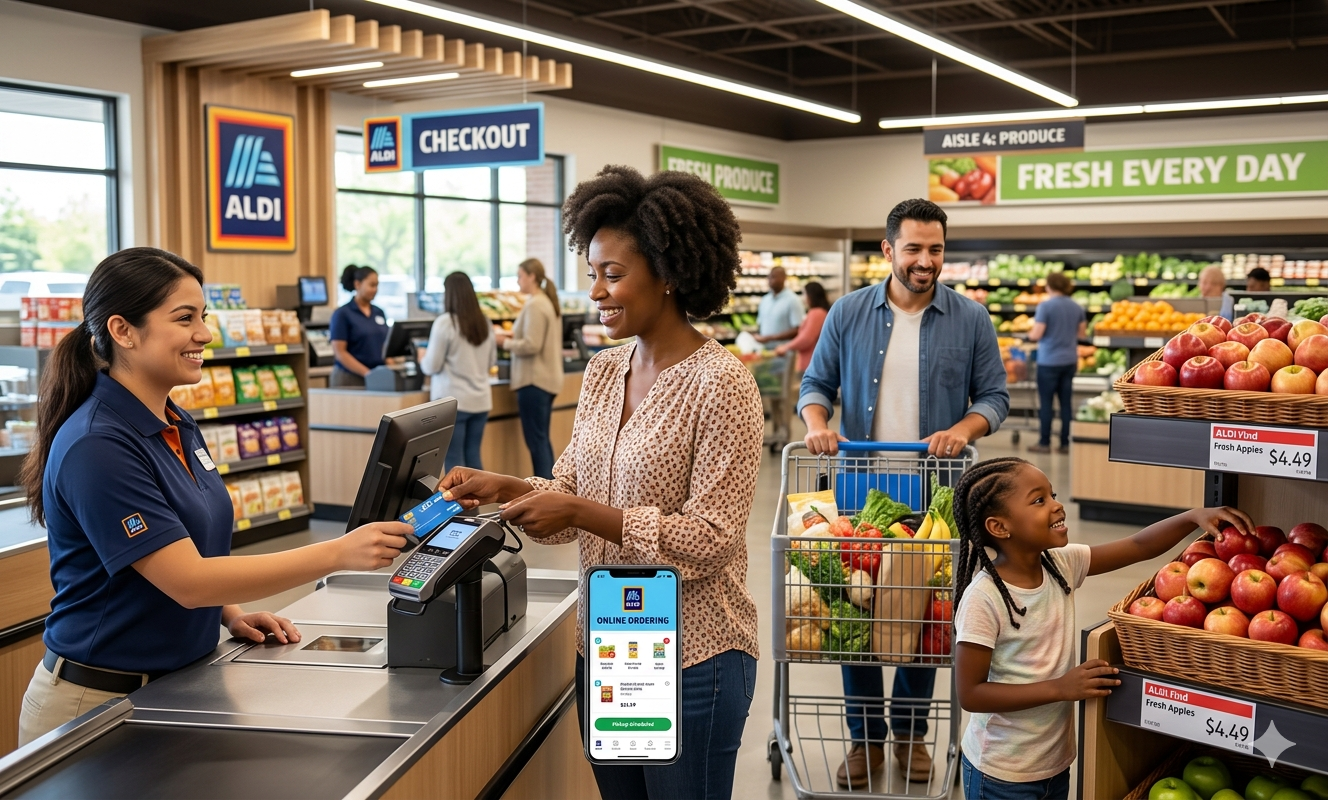
The Supplemental Nutrition Assistance Program (SNAP), commonly referred to as food stamps, serves as a vital resource for millions of low-income individuals and families across the United States. This federal assistance program is designed to alleviate food insecurity by providing beneficiaries with financial resources to purchase nutritious food. SNAP plays a critical role in ensuring that those who are struggling financially can access the sustenance they need to maintain a healthy lifestyle.
The significance of SNAP extends beyond just food provision; it impacts the overall well-being of participants and their families. By facilitating access to essential nutrition, SNAP not only helps individuals meet their dietary needs but also supports their physical and mental health. Research has shown that households enrolled in the SNAP program experience improved health outcomes, including reduced incidences of diet-related illnesses.
In addition to individual health benefits, SNAP contributes positively to community welfare and economic stability. By stimulating local economies through food purchases, each dollar spent in the program generates considerable economic activity. This multiplier effect is particularly important during economic downturns when food insecurity tends to rise, ensuring that local businesses receive support during challenging times.
Moreover, SNAP addresses underlying issues of poverty and inequality, serving as a safety net for those in most need. The program recognizes the importance of nutrition as a fundamental component of social justice, striving to eliminate barriers that prevent access to healthy food options. Overall, SNAP is more than just an aid program; it is instrumental in promoting food security, public health, and economic resilience within communities nationwide.
Eligibility Criteria for SNAP Benefits
The Supplemental Nutrition Assistance Program (SNAP), commonly referred to as food stamps, offers vital support to eligible individuals and families to enhance their purchasing power for food. To qualify for SNAP benefits, applicants must meet various criteria that consider household composition, income, and residency, among other factors.
One of the primary requirements for SNAP eligibility is income limits. Generally, a household’s gross income must not exceed 130% of the federal poverty line (FPL). This threshold can vary based on household size, taking into account all forms of income, including wages, social security benefits, and unemployment allowances. Additionally, net income eligibility is assessed, which factors in allowable deductions, such as childcare and housing costs.
Household composition plays a crucial role in determining eligibility. Households can comprise a single individual or multiple individuals who reside together and share expenses. Specific criteria apply to dependent persons, such as children under 18, the elderly, and individuals with disabilities. In certain instances, these demographics may qualify for increased benefit levels.
Residency requirements state that applicants must be U.S. citizens or eligible non-citizens residing in the state where they apply. It is essential to provide documentation verifying legal residency status, as this can directly impact eligibility. Furthermore, the employment status of applicants is also considered; able-bodied individuals aged 18 to 49 are often required to meet certain work requirements to receive SNAP benefits.
Age is another important factor affecting eligibility. Elderly individuals who meet income and resource criteria may qualify for streamlined applications. Individuals with disabilities may also face different qualifications under SNAP regulations that provide more flexible rules regarding income and support.
Ways to Apply for SNAP
The Supplemental Nutrition Assistance Program (SNAP), commonly referred to as food stamps, provides essential assistance to low-income households. There are several methods to apply for SNAP benefits, ensuring that individuals and families can select the method that best suits their needs.
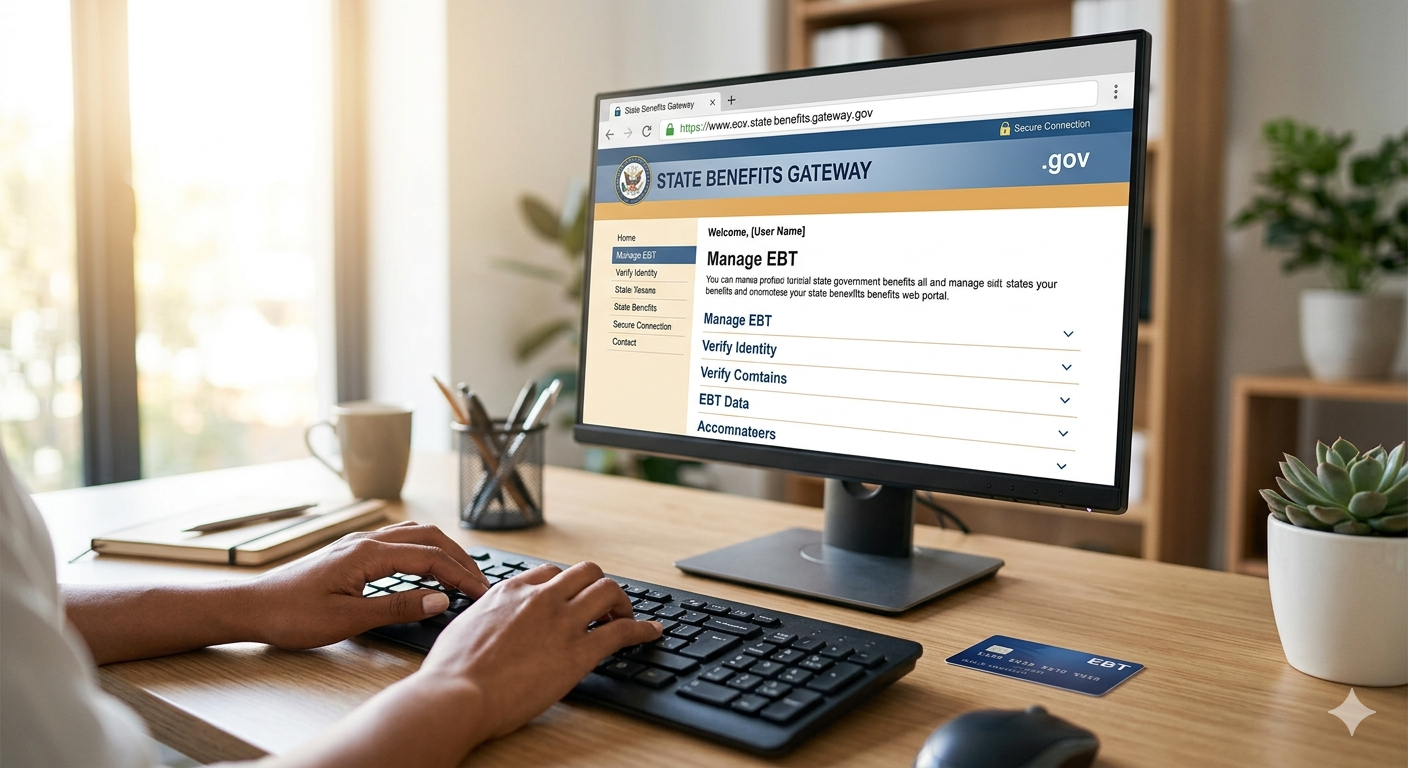
Online Application: One of the most convenient ways to apply for SNAP is through the online application system available on your state’s Department of Social Services (DSS) website. Applicants can complete their forms and submit the necessary documentation electronically. This method typically allows for quicker processing times, as applications submitted online are often prioritized. To apply online, you will need to create an account and provide personal information such as income, household composition, and expenses.
In-Person Visits: Applicants can also choose to apply for SNAP benefits in person at local DSS offices. This option can be beneficial for those who prefer direct assistance or have questions about the application process. At these offices, individuals may receive guidance from staff regarding eligibility requirements and can submit their application on-site. It is advisable to schedule an appointment beforehand to minimize wait times.
Mail Submissions: For those who may not have access to the internet or prefer a traditional approach, submitting a paper application via mail is another available option. Applicants can download the application form from the DSS website, fill it out, and send it to the appropriate local office. It is essential to ensure that the application is complete and that all required documents are enclosed to prevent delays in processing.
Fax Options: Some states also permit applicants to submit their SNAP applications via fax. This method combines the benefits of speed and convenience, allowing individuals to complete their applications and send them directly to their local DSS office without the need for postage. However, applicants should verify their state’s policies regarding fax submissions to ensure compliance.
How to Complete the Online Application
Completing the online Supplemental Nutrition Assistance Program (SNAP) application, also known as the food stamp application, can be a straightforward process if you are adequately prepared. Here is a step-by-step guide to assist you in navigating the application effectively.
First, you will need to access the official state website for the SNAP application. Each state has its own online portal where you can submit your application. Ensure you have a stable internet connection to avoid interruptions during the process.
Before you begin, it is crucial to gather the necessary documents. You will typically need proof of identity, such as a driver’s license or state ID, financial records, including proof of income, and information regarding any current resources (e.g., bank statements or pay stubs). If applicable, documentation of household members, such as Social Security numbers or immigration status, will also be necessary.
Once you have all required documents ready, start your application by filling in your personal details as prompted on the website. This includes your name, address, and the composition of your household. Be thorough but accurate, as any inaccuracies can result in delays or denial of aid.
While filling out the application, you will encounter questions regarding your income, expenses, and any special circumstances. It is important to answer these inquiries truthfully and completely. Use the documents gathered earlier to ensure that your responses are precise.
As you complete the online application, keep an eye out for common pitfalls. For instance, do not rush through the form or skip any sections, as this may lead to incomplete applications. In addition, take your time to review your answers before submitting to avoid errors.
After submitting your application, you should receive a confirmation. Keep this record, as it may be necessary for future follow-ups. Additionally, be prepared to respond promptly if your state agency contacts you for further information.
By following these steps and being mindful of the required documents and information, you can successfully navigate the online SNAP application process with greater confidence.
In-Person Application Process Explained
Applying for food assistance benefits, often referred to as food stamps, through the Department of Social Services (DSS), can be accomplished in person. The first step is locating your local DSS office, as each state typically has multiple locations. You can find the nearest office by visiting the official DSS website or calling their customer service. Once you have identified the appropriate location, it is advisable to schedule an appointment, though many offices allow walk-ins.
During your appointment, you will meet with a caseworker to discuss your application. It is important to be prepared and bring all necessary documentation to facilitate the process. Required documents may include proof of identity, such as a driver’s license or state ID, income verification like pay stubs or tax returns, and information about your household expenses, including housing and utility bills. Additionally, your social security number and that of other household members may be necessary.
Before the meeting, consider organizing your documents in a folder for easy access. Having all required information readily available can help expedite the application process. It is also beneficial to prepare for questions regarding your financial situation, household composition, and any special circumstances that might affect your eligibility for assistance.
Once the caseworker reviews your application and documents, they will explain the next steps, which may include waiting for an approval letter or additional verification requests. Understanding the in-person application process will not only assist you in receiving the necessary support but will also help alleviate any anxiety associated with the experience.
Applying by Mail or Fax: Step-by-Step
Applying for SNAP (Supplemental Nutrition Assistance Program) benefits through mail or fax can seem daunting; however, it can be a straightforward process if you follow these essential steps. First, you need to acquire an application form. This form can usually be downloaded from your state’s Department of Social Services (DSS) website or you may request a hard copy by calling your local DSS office. Make sure you have the right format specific to your state, as these can vary.
Once you have obtained the application form, carefully fill it out. Pay close attention to the eligibility requirements and provide accurate information regarding your income, household size, and expenses. Missing or incorrect information can lead to delays in processing your application. It is advisable to review the application thoroughly before submission to ensure that everything is completed correctly.
After filling out the application, you will need to send it to the appropriate agency. If you are applying by mail, use a secure envelope and consider sending it via certified mail to have a record of the submission. If you prefer to fax your application, ensure that your fax machine is functioning correctly and keep a copy of the transmission report, which serves as proof of your application submission.
Following the submission of your application, it is prudent to follow up with your local DSS office. This step can help confirm that your application has been received and is being processed. Keeping track of any additional documentation that may be requested is essential to avoid delays in receiving benefits. Generally, you should expect to hear back within a few weeks, but this can vary depending on your state’s processing times.
Understanding the Timeline for Application Processing
The timeline for processing a SNAP application can vary significantly based on several factors, including the specifics of the applicant’s situation and the state in which they are applying. Generally, most applicants can expect a standard processing time of approximately 30 days from the date of application submission to the receipt of benefits. It is important for applicants to ensure that they provide all necessary documentation and information during the application process, as incomplete submissions can lead to delays.
In certain circumstances, applicants may qualify for expedited processing, allowing them to receive assistance more quickly. For instance, households with less than $150 in monthly gross income or those with less than $100 in liquid resources may be eligible for expedited benefits. Under these conditions, states are typically required to process the application within 7 days of submission. This provision aims to assist individuals and families in urgent need of food assistance, ensuring that they have access to essential resources promptly.
Once an application has been submitted, applicants have the option to check the status of their application. This can often be done through the state’s online portal or by directly contacting the local DSS office. Applicants should be prepared to provide identifying information, such as their name, address, and date of birth, to facilitate the status check. Staying informed about the application status can help applicants manage their expectations and plan accordingly as they await a decision on their SNAP benefits.
The Supplemental Nutrition Assistance Program (SNAP) application process can be overwhelming for many individuals and families seeking assistance. To enhance your chances of receiving food benefits, it is essential to prepare thoroughly and proceed strategically. Here are some tips that can help ensure a smooth SNAP application process.
First and foremost, gather all required documentation ahead of time. This may include proof of identity, residence, income, and any other relevant information. Make sure to have your Social Security number, utility bills, pay stubs, and bank statements readily available. Proper documentation not only expedites the process but also reduces the likelihood of delays caused by missing information.
It is also crucial to complete the application accurately. Pay close attention to every section and avoid leaving any answers blank unless specified. Common mistakes include providing incorrect personal details or failing to report all sources of income. These errors can lead to application denials or delays in processing. Therefore, double-check your responses or consult with someone knowledgeable for assistance if needed.
In addition, maintaining clear communication with your caseworker can be beneficial. If you have questions about the application process or specific requirements, do not hesitate to reach out. Caseworkers are there to help you and can provide guidance on any misunderstandings regarding documentation or eligibility criteria. Establishing a rapport can also facilitate a more efficient process should any complications arise.
Finally, keep track of your application status. This allows you to address any issues promptly and ensure that your application is being processed in a timely manner. By following these tips and best practices, you can navigate the SNAP application process with greater ease and increase your likelihood of success in securing the benefits you need.
Resources and Support for SNAP Applicants
For individuals seeking assistance in navigating the Supplemental Nutrition Assistance Program (SNAP), various resources and support networks are available to facilitate the food stamp application process. These options not only provide information but also assist applicants in ensuring that they meet all requirements and submit their applications effectively.
One primary resource is the official USDA Food and Nutrition Service website, which provides comprehensive details about the SNAP program, including eligibility requirements, application guidelines, and benefits. Each state has a unique SNAP portal where residents can access application forms and status updates.
Moreover, the National Hunger Hotline, reachable at 1-866-3-HUNGRY (1-866-348-6479), offers free and confidential assistance to individuals in need. The hotline connects callers with local food resources, referrals to food banks, and organizations that can offer additional support for SNAP applications.
Local organizations such as food banks and non-profit agencies can also provide valuable support. Many offer free workshops or one-on-one assistance, helping applicants gather necessary documents and understand the application process in detail. Consulting local community centers can result in finding additional resources tailored to specific community needs.
For those requiring legal guidance, organizations like the Legal Aid Society provide counsel on SNAP eligibility and rights. Understanding one’s legal standing may assist in maximizing benefits and mitigating potential challenges during the application process.
Additionally, several state departments have dedicated hotlines for SNAP inquiries, enabling applicants to speak directly with trained representatives who can guide them through the nuances of their application and clarify any doubts. Utilizing these resources can significantly ease the process and increase the likelihood of successful participation in the SNAP program.