Food assistance programs play a crucial role in addressing food insecurity across the United States. These initiatives aim to provide nutritional support to individuals and families who may lack sufficient access to affordable and nutritious food. In recent years, the landscape of food assistance has evolved significantly, adapting to the changing needs of a diverse population. Various programs, ranging from federally funded initiatives to state and local efforts, work in coordination to alleviate hunger and promote food stability.
The importance of these programs cannot be understated, especially as economic challenges and global events continue to impact food availability and affordability. Food assistance allows eligible participants to access essential nutrients, thereby improving their overall health and wellbeing. It is particularly vital for vulnerable groups, including children, the elderly, and those living in poverty, who are disproportionately affected by food insecurity.
This guide aims to thoroughly explore the comprehensive range of food assistance programs available in 2026, highlighting their objectives, eligibility requirements, and application procedures. Among the key federal programs are the Supplemental Nutrition Assistance Program (SNAP), the Women, Infants, and Children (WIC) program, and various nutrition programs for schools. State and local initiatives also contribute significantly, often tailored to meet specific community needs.
In examining these diverse food assistance programs, this guide seeks to inform readers about how to navigate the various resources available and to encourage participation among those who may benefit from this essential support. By providing a clear understanding of these programs, we hope to empower individuals and families struggling with food insecurity to access the help they need.
Historical Background of Food Assistance Programs
Food assistance programs in the United States have a rich and dynamic history, evolving in response to the changing social and economic landscapes. The roots of these programs can be traced back to the Great Depression of the 1930s, which revealed the severe consequences of poverty and food insecurity. In response, the federal government initiated the first major food assistance program through the Federal Surplus Relief Corporation, aiming to distribute surplus agricultural commodities to those in need.
Subsequent legislation, notably the Food Stamp Act of 1964, marked a significant milestone in the development of food assistance initiatives. It established a more structured and comprehensive approach to address hunger by providing low-income families with coupons for purchasing food. This program was not only a response to poverty but also a strategic effort to stimulate the economy through increased food purchasing power among the poorest segments of the population.
As decades passed, food assistance programs continued to adapt to emerging challenges. The 1970s saw the addition of the Supplemental Nutrition Assistance Program (SNAP), which is widely recognized today as a vital support system for millions of Americans. The program has undergone various reforms aimed at increasing accessibility and reducing stigma. Key legislative frameworks, such as the Personal Responsibility and Work Opportunity Reconciliation Act of 1996, redefined eligibility criteria and work requirements for participants.
In the 21st century, food assistance programs have been shaped by ongoing economic fluctuations, demographic changes, and public health crises. The COVID-19 pandemic created unprecedented food insecurity, prompting swift governmental responses, including expanded benefits and temporary emergency measures. These adjustments reflect a broader understanding of food assistance as not merely a safety net but a crucial component of public welfare, addressing both immediate hunger and long-term nutritional health.
Types of Food Assistance Programs
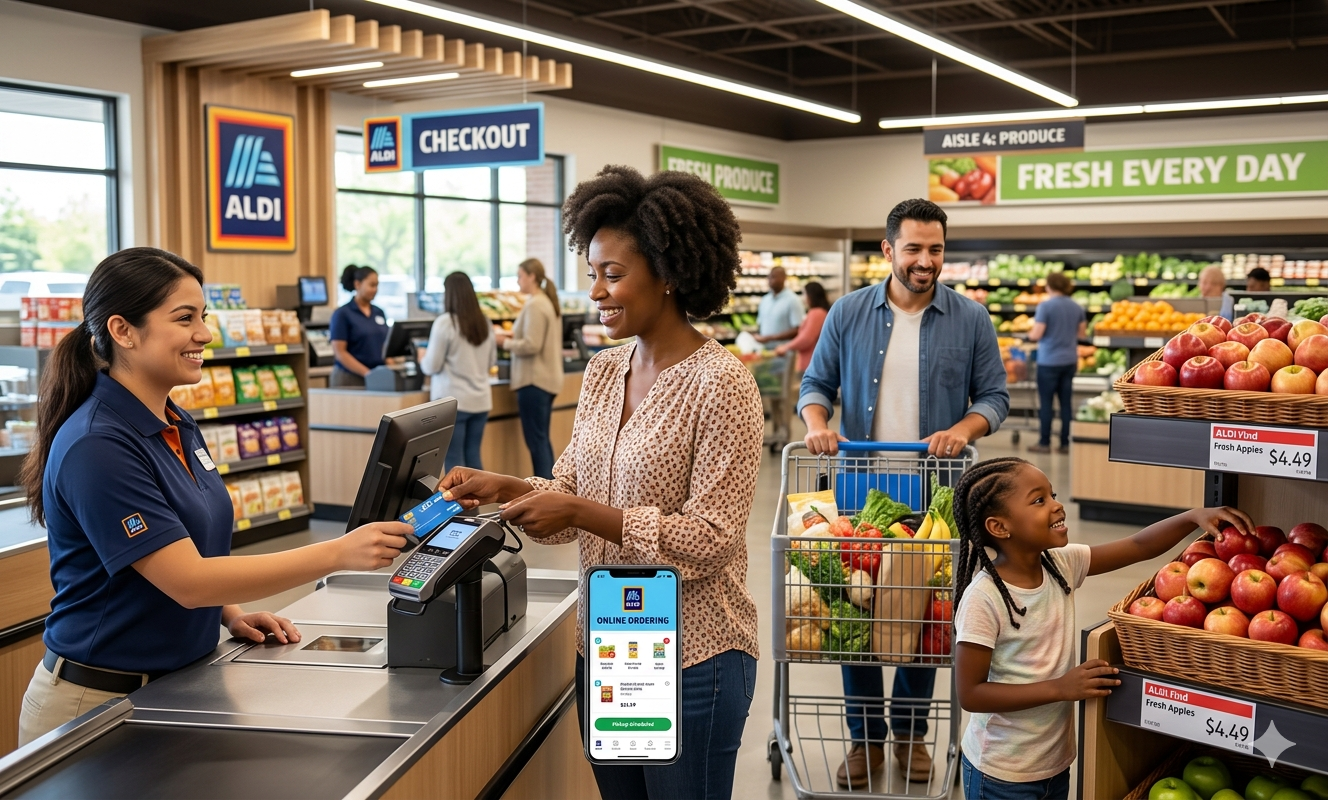
In 2026, a variety of food assistance programs exist to support individuals and families in overcoming food insecurity. The most prominent among these is the Supplemental Nutrition Assistance Program (SNAP), which provides eligible low-income households with financial assistance to purchase nutritious food. Eligibility is determined by factors such as household size, income, and expenses, and benefits are distributed through an Electronic Benefits Transfer (EBT) card, allowing recipients to shop at participating retailers.
Another significant program is the Women, Infants, and Children (WIC) program, which aims to support the nutritional needs of pregnant women, new mothers, and young children up to five years old. WIC provides access to healthy foods, nutrition education, and healthcare referrals. Eligibility is primarily based on income, and participants must demonstrate a nutritional risk to receive benefits. This program not only assists with food provision but also emphasizes the importance of nutrition to promote healthy growth and development among vulnerable populations.
The National School Lunch Program (NSLP) is also crucial for food assistance, particularly for school-aged children. It offers free or reduced-price meals to students from low-income families during the school day. Schools participating in the NSLP must adhere to strict nutritional guidelines to ensure that students receive balanced meals. Eligibility is based on household income and family size. This program not only addresses food insecurity but also works to improve academic performance by promoting health and well-being among children.
These programs, among others, collectively ensure that vulnerable populations have access to the food resources necessary for a healthy life. Understanding the nuances of each program can empower individuals to take advantage of these essential benefits and ultimately reduce food insecurity.
Eligibility Criteria for Food Assistance Programs
Food assistance programs aim to help individuals and families secure sufficient nutrition, providing crucial support to those in need. Eligibility for these programs varies but generally encompasses several key criteria: income level, household size, residency status, and specific circumstances that may affect an individual’s or family’s food security.
First and foremost, income limits are among the primary determinations for eligibility. Many food assistance programs, such as the Supplemental Nutrition Assistance Program (SNAP), establish income thresholds based on the Federal Poverty Level (FPL). Typically, households must fall below a specified percentage of the FPL, which varies depending on household size. Consequently, larger families may have higher income limits than smaller households, reflecting the increased financial burden associated with additional family members.
Household size plays a pivotal role in calculating eligibility as it directly influences the allowable income limits. Applicants usually need to provide documentation that reflects their current household composition, including the number of dependents, to ensure accurate assessment of their needs. Documentation may include pay stubs, tax returns, and other proof of income.
In addition to income and household size, applicants must also be U.S. citizens or satisfy specific residency criteria for eligibility. Some programs may provide allowances for non-citizens, particularly if they are legal residents. Furthermore, certain demographic factors—such as age, disability status, and participation in other assistance programs—can influence eligibility, with particular emphasis on vulnerable populations, including children and the elderly.
Thus, to qualify for food assistance programs, individuals must carefully evaluate these criteria and prepare the necessary documentation. Doing so ensures they can access the support needed to enhance their food security effectively.
Application Processes for Food Assistance Programs
Applying for food assistance programs can seem daunting, but understanding the application process is the first step to securing support. Each food assistance program may have its own specific requirements and protocols, yet there are common elements that many share. First, it is important to determine your eligibility based on program guidelines, which often consider household size, income, and expenses.
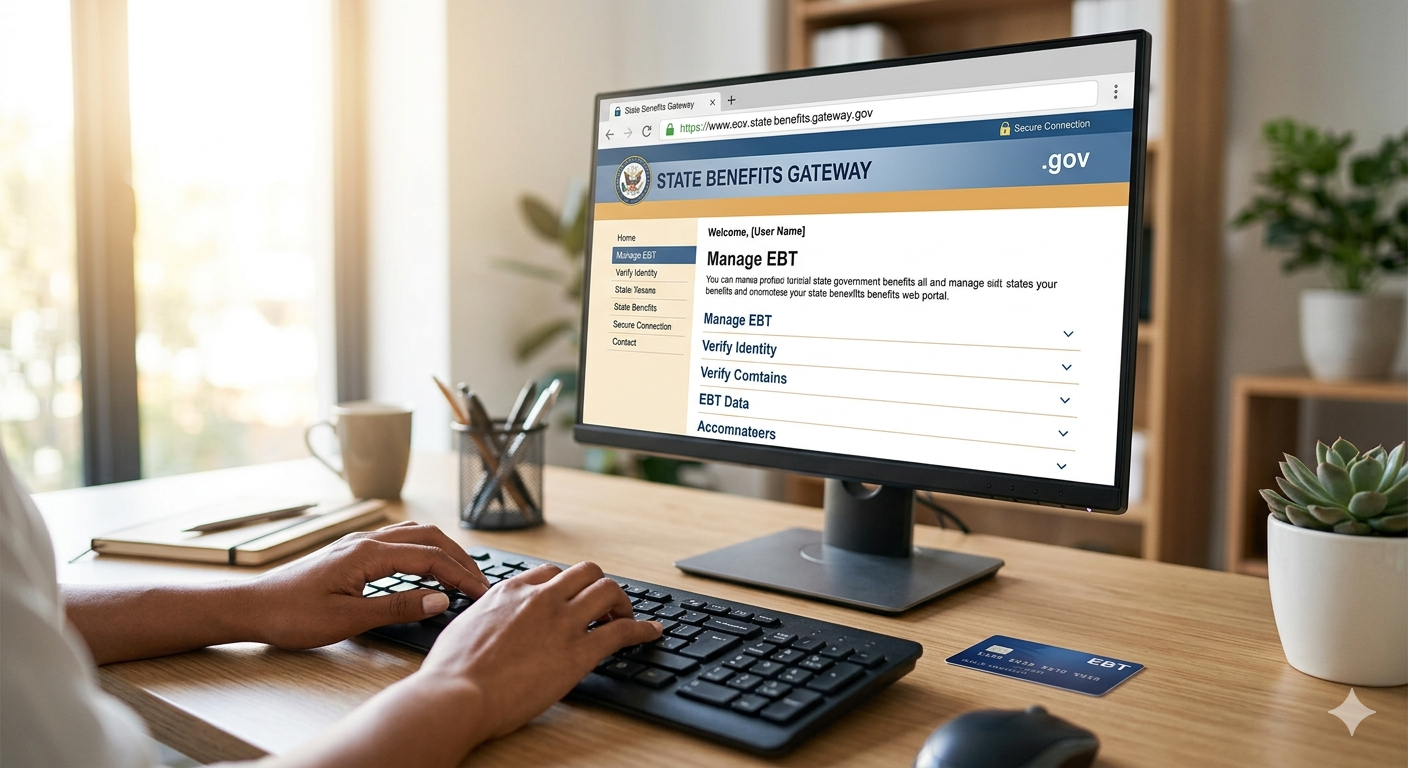
To start the application, visit your local or state government’s website, where you can find the official application forms. For programs like the Supplemental Nutrition Assistance Program (SNAP) or Women, Infants, and Children (WIC), applications are often available online or can be requested from local offices. In some states, the application can be completed entirely online, streamlining the process significantly.
Once you have the application, fill it out carefully. Provide the necessary documentation, such as proof of income, residency, and identification. Be prepared for possible interviews; some programs might require a face-to-face meeting to verify the information provided. To ensure success in your application, pay attention to detail and complete all sections thoroughly. Missing information can lead to delays or even denial of assistance.
Keep track of important deadlines, as many programs operate on specific timelines. Generally, applications can be submitted at any time, but obtaining assistance can depend on when you apply within a given period. If you encounter difficulties, numerous local organizations provide assistance in navigating the application processes. Utilize these resources, as they can help simplify complex paperwork and provide guidance tailored to your circumstances.
Changes and Updates in Food Assistance Programs for 2026
As we move into 2026, food assistance programs are anticipated to undergo several significant modifications aimed at improving service delivery and expanding access to those in need. A key area of change is the expected updates to the Supplemental Nutrition Assistance Program (SNAP). Recent proposals suggest an increase in the income eligibility limits, allowing more families to qualify for assistance. This adjustment is essential in light of rising living costs and inflation, which have severely impacted purchasing power over the past few years.
Additionally, there are indications that new legislation may introduce enhanced benefits, including increased monthly allowances for beneficiaries. Lawmakers are actively discussing the possibility of implementing a tiered benefit structure, which would allocate higher monthly benefits to households with children or elderly members. This strategy is designed to ensure that the most vulnerable populations receive adequate support.
Policy shifts are also expected regarding administrative processes. The introduction of streamlined application and recertification procedures is on the agenda, aimed at reducing bureaucratic hurdles that often delay service provision. The Federal government, in collaboration with state agencies, is exploring ways to incorporate technology to facilitate faster access to food assistance.
Furthermore, funding adjustments are likely, with anticipated increases in federal and state allocations for food assistance programs. These changes aim to bolster local food banks and pantry networks, which are fundamental in addressing food insecurity. By understanding these updates and legislative changes, stakeholders and community members can better navigate the food assistance landscape in 2026.
Impact of Food Assistance Programs on Communities
Food assistance programs play a crucial role in mitigating food insecurity and bolstering local economies across diverse communities. These initiatives not only provide immediate access to nutritious food but also contribute to the long-term health and well-being of individuals and families. An estimated 35 million Americans participated in the Supplemental Nutrition Assistance Program (SNAP) in 2021, highlighting the substantial scope of such programs in addressing hunger.
Research has demonstrated that food assistance initiatives significantly reduce food insecurity rates. According to a study from the U.S. Department of Agriculture, households receiving SNAP benefits experienced a notable decrease in the prevalence of food insecurity by nearly 30%. This correlation underscores the importance of food assistance programs in ensuring that vulnerable populations have access to necessary resources. Case studies from various regions illustrate how localized food programs, such as community kitchens and food banks, serve as lifelines for individuals in crisis while fostering community engagement and support.
Moreover, the economic ripple effects of food assistance programs extend beyond addressing hunger. Many local economies benefit from the participation of low-income families in these initiatives. For instance, every $1 spent through SNAP is estimated to generate approximately $1.70 in economic activity, reflecting a substantial return on investment for communities. This increased purchasing power not only supports local farmers but also stimulates local businesses, thus amplifying the positive impact of food assistance programs.
Additionally, food assistance programs promote healthier eating habits by facilitating access to fresh produce and whole foods. Programs that educate recipients on nutrition and healthy cooking practices have been found to improve dietary quality, demonstrating a multifaceted impact on public health outcomes. These initiatives not only reduce healthcare costs related to nutrition-related diseases but also enhance the overall quality of life for community members.
Food assistance programs are essential in addressing hunger and food insecurity, yet they face several significant challenges that hinder their effectiveness. One of the primary issues is budget constraints. Many programs operate within limited financial resources, often leading to reductions in services and the number of individuals they can assist. These budget cuts can compromise the quality and range of food provided to recipients, ultimately impacting their nutritional intake.
Another challenge is the stigmatization of recipients. Many individuals who rely on food assistance programs encounter societal stigma that can discourage them from seeking the help they need. This negative perception can create barriers to access, leaving many eligible individuals without vital support. Additionally, the stigma often perpetuates a cycle of poverty, as those in need may feel ashamed to seek assistance, fearing judgment from peers and community members.
Logistical difficulties in the distribution of food assistance also pose a critical challenge. Factors such as transportation issues, lack of efficient supply chains, and inadequate infrastructure can hinder the timely delivery of resources to those in need. In rural areas, for instance, the distance to food pantries or distribution centers can be a deterrent for families seeking assistance. Addressing these logistical hurdles requires innovative solutions and enhanced collaboration between various stakeholders, including governmental agencies, non-profits, and community organizations.
Potential solutions to these challenges include increasing funding for food assistance programs, implementing awareness campaigns to reduce stigma, and improving the distribution infrastructure. By investing in these areas, programs can better serve vulnerable populations while making strides toward more effective and wider-reaching food assistance initiatives.
Conclusion and Future Outlook
In this comprehensive guide, we have thoroughly examined the various food assistance programs that play a crucial role in addressing food insecurity in 2026. From federal initiatives like the Supplemental Nutrition Assistance Program (SNAP) to state and local programs that cater to specific community needs, it is clear that these resources are vital for millions of individuals and families. We highlighted the importance of both accessibility and awareness in ensuring that those who need help can utilize the benefits available to them.
Looking ahead, the future of food assistance programs remains pivotal in the ongoing fight against hunger. As the economic landscape continues to evolve, it is imperative that these programs adapt to meet new challenges and embrace innovative solutions. Policymakers, non-profit organizations, and community leaders must work collaboratively to enhance the coverage, effectiveness, and efficiency of food assistance initiatives.
Moreover, public advocacy and community involvement are essential in driving support for these programs. Individuals can make a significant impact by raising awareness about food insecurity, volunteering at local food banks, or participating in fundraising efforts. By educating themselves and others about how food assistance programs function, citizens can advocate for sustainable policies that prioritize food security as a fundamental human right.
In conclusion, as we navigate the complexities of food assistance into the future, it is crucial to emphasize the collective responsibility of society in combating food insecurity. By participating actively in these discussions and initiatives, we can help ensure that no one goes hungry and that everyone has access to nutritious food. The journey toward a more equitable food system is ongoing, and it calls for concerted efforts from all sectors of society.