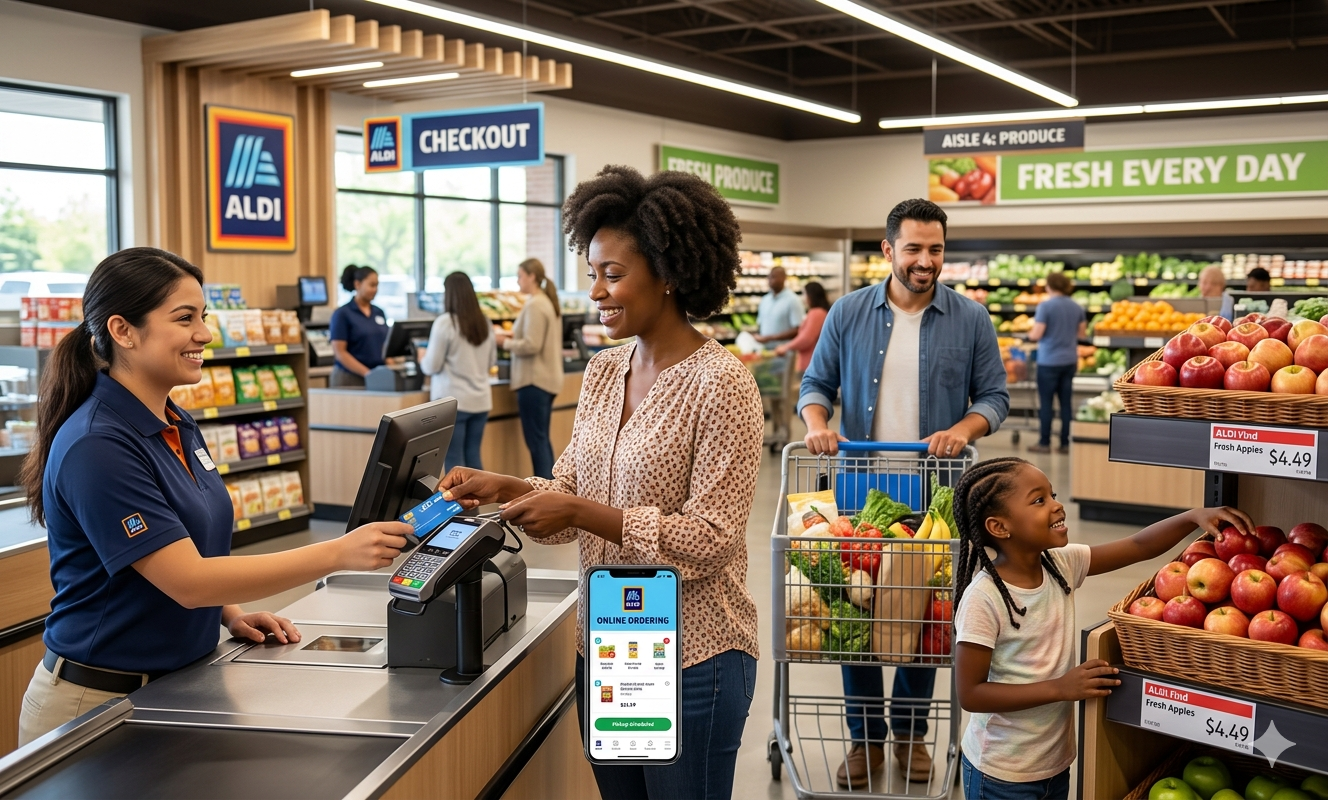
The Supplemental Nutrition Assistance Program (SNAP), commonly referred to as food stamps, plays a vital role in providing nutritional support to low-income individuals and families in Texas. This federal aid program aims to alleviate hunger and improve the overall nutrition of its participants. The initiative helps millions of Texans access adequate food—a fundamental necessity for health.
In Texas, eligibility for SNAP is determined based on several factors, which include income, household size, and expenses. Generally, a household must meet specific income limits to qualify for food stamps. This program is designed to support individuals who may be struggling financially, including families with children, the elderly, and persons with disabilities. The application process requires submitting documentation to verify income and resource levels, ensuring that assistance is directed to those in genuine need.
The Lone Star Card is a significant component of this assistance program, serving as a debit card that allows recipients to purchase eligible food items at various retailers. Once approved for SNAP benefits, participants receive a monthly allotment loaded onto their Lone Star Card, which can be used similarly to a traditional bank debit card. This system ensures that beneficiaries have easy access to necessary food items, including fresh fruits, vegetables, and other staples, while also giving them the flexibility to make food choices that suit their personal needs and preferences.
Understanding the nuances of the food stamp program is essential for residents of Texas who may be eligible. Familiarity with how SNAP operates can empower individuals to utilize this resource effectively, thereby improving their quality of life and nutritional intake.
Can You Buy Chips with Food Stamps?
The Supplemental Nutrition Assistance Program (SNAP) provides assistance to low-income individuals and families by allowing them to purchase eligible food items using government-issued benefits, commonly known as food stamps. In Texas, the program is designed to ensure that beneficiaries have access to nutritious food. However, it also permits the purchase of certain snack foods, including chips.
In general, SNAP benefits can be used to buy a variety of food items, such as fruits, vegetables, meats, dairy products, bread, and snacks. Specifically, chips, which are categorized as snack foods, are eligible for purchase with food stamps. This inclusion can be attributed to the understanding that individuals and families may desire not only essential nutrient-dense foods but also items for enjoyment and social occasions. As a result, snack foods like potato chips, tortilla chips, and similar items can be purchased with SNAP benefits in Texas.
It is important to note, however, that while chips are permitted, there are certain restrictions to be aware of. For instance, prepared foods that are intended to be heated and eaten at a store or restaurant are generally not eligible for purchase with food stamps. This regulation reinforces the program’s intent to support nutritional choices while also allowing some flexibility for personal preferences, such as snack consumption. Additionally, chips that fall under specific dietary categories, such as low-sodium or whole grain, may also emphasize a more health-conscious approach among eligible food items.
In conclusion, Texas SNAP recipients can use their food stamps to buy chips, along with a broad range of other food products. This program aims to help families meet their nutritional needs while also considering the enjoyment of various snack foods.
Types of Chips You Can Buy with Food Stamps
In Texas, beneficiaries of the Supplemental Nutrition Assistance Program (SNAP), often referred to as food stamps, can purchase a variety of chips that fall within the program guidelines. These include well-known categories such as potato chips, tortilla chips, and other snack options like popcorn. Understanding these options helps residents make informed decisions while shopping.
Potato chips are a classic favorite among snack lovers. Brands such as Lay’s, Pringles, and Ruffles are often available in most grocery stores across the state. These savory snacks come in various flavors, catering to diverse palates, allowing SNAP users to enjoy a crispy indulgence with their benefits.
Tortilla chips represent another versatile option available for purchase. Options such as Tostitos and Santitas are widely recognized and can often be found in bulk at warehouse stores or popular grocery chains. Tortilla chips serve as an excellent companion for salsa and guacamole, making them ideal for social gatherings or a casual snack at home.
Additionally, individuals can also use their food stamps to purchase popcorn. Brands like Orville Redenbacher’s and Pop Secret offer various flavors that range from classic butter to thicker gourmet options. This type of snack can be a healthier alternative for those seeking lower-calorie choices without sacrificing flavor.
Snacks that fall under the category of ‘chips’ also include specialty items such as veggie chips and pita chips. These alternatives can provide health-conscious consumers another avenue, as they often boast nutritional benefits over traditional potato chips, featuring ingredients made from vegetables or whole grains. Consequently, there exists a broad spectrum of chip selections available for SNAP beneficiaries in Texas, enabling them to enjoy varied and nutritious snack choices.
New 2026 Rules Affecting Junk Food Purchases
In 2026, the state of Texas is set to implement new regulations aimed at limiting the purchase of certain sugary junk food items using food stamps, or the Supplemental Nutrition Assistance Program (SNAP). The intent of these regulations is to enhance public health by steering consumers towards more nutritious food options. Under these forthcoming rules, items classified as “junk food” will include sugary snacks, sweets, and foods high in fats and sugars that contribute to health issues such as obesity and diabetes.
Specifically regarding chip purchases, the regulations will redefine what qualifies as acceptable food items under the SNAP program. Traditional packaged chips—often high in sodium and unhealthy fats—will likely be scrutinized more heavily. This shift aims to encourage healthier snack alternatives, as well as to combat the rising rates of diet-related diseases among low-income populations. While the complete list of items considered “junk food” has yet to be finalized, it is expected that many familiar snack products may be impacted.
The new rules have been primarily designed with public health in mind, advocating for a shift in consumption patterns. By limiting food stamp usage for certain products, the state’s goal is to foster a dietary culture that prioritizes well-being. Although some advocates argue that this could infringe upon personal choice, others believe that the government has a responsibility to ensure that public assistance programs are promoting healthy eating habits.
Furthermore, the proposed changes may require consumers to adapt their shopping behaviors and explore more nutritious options when utilizing food stamps for snacks. As the 2026 regulations become more concrete, staying informed about the specific items that will be affected can help recipients make better purchasing decisions. In conclusion, the forthcoming rules represent a significant step toward improving nutritional standards in Texas and could greatly influence chip purchases made with food stamps.
The Impact of These Rules on Low-Income Families
The recent changes in regulations governing the purchase of goods using Supplemental Nutrition Assistance Program (SNAP) benefits in Texas, particularly concerning snack foods, have ignited considerable debate. For low-income families who rely on these benefits, the implications of these new rules are profound and multifaceted. One particular area of concern is the accessibility of affordable snack options.
Many families utilize their SNAP benefits to purchase snack foods, as these items often serve as quick and convenient meal solutions. The new regulations may impose restrictions that limit the variety of these snacks, potentially making it more challenging for families to find affordable options. This situation could lead to an increase in the cost of essential food items, disproportionately affecting low-income households. The scarcity of affordable snacks could drive families to spend more of their limited resources on healthier food alternatives, which they might not prefer or can afford.
Moreover, the reduced availability of cheaper snack options could have unforeseen health implications. While the intention behind restricting certain foods is to promote healthier eating habits, the reality might lead families to experience increased stress over meal planning and budgeting. When unhealthy snack foods are less accessible, it could inadvertently push families toward less nutritious, yet conveniently available, meal options in an effort to maintain a semblance of satisfaction.
Additionally, the emotional aspect of food choices plays a significant role in family dynamics. Snack foods are often a source of comfort and enjoyment for children and their families. By limiting access to these items, families may face challenges not only in nutrition but also in maintaining social and emotional well-being.
Thus, while the regulations targeting junk food aim to steer low-income families toward healthier choices, the practical reality reveals potential pitfalls that could arise from such restrictions. The need for a balance between promoting well-being and ensuring accessibility to diverse food options remains paramount.
Consumer Perspectives: Opinions on Buying Chips with Food Stamps
The availability of snacks, including chips, has become a point of discussion among consumers regarding the use of food stamps, specifically through the Supplemental Nutrition Assistance Program (SNAP) in Texas. Beneficiaries of SNAP often express varying opinions about the purchasing of snack foods like chips. For many families, these products represent a significant aspect of their dietary needs, often serving as quick energy boosters or comfort foods in social settings.
Many SNAP recipients advocate for the purchase of chips and other snack foods, arguing that these items are essential in providing a sense of normalcy and enjoyment for their families. Advocates emphasize that, while the program is intended to ensure access to nutritious food options, it must also consider consumer preferences. For working parents, snacks such as chips often serve practical purposes, as they can be easily packed for school lunches or as a quick treat during busy evenings.
On the other hand, some advocates for healthier eating question the inclusion of snack foods under the program. They argue that purchasing chips with food stamps may contribute to unhealthy eating habits, especially in children. This perspective suggests that the SNAP program should perhaps encourage the procurement of more nutritious options that offer long-term health benefits. However, critics of this view point out that moderation is key in dietary choices and that chips, when incorporated mindfully, can coexist within a balanced diet.
Ultimately, the dialogue surrounding the purchase of chips with food stamps reflects broader societal debates about food choices, nutrition, and family well-being. Understanding these perspectives can lend insight into how SNAP can better serve its beneficiaries while accommodating their diverse food preferences.
Alternatives to Chips for SNAP Recipients
For SNAP recipients seeking alternatives to chips, which may often be considered unhealthy or limited for purchase, there are numerous nutritious snack options available. Emphasizing fruits and vegetables can provide not only a delicious but also a beneficial snacking experience. Many fruits, such as apples, bananas, and oranges, offer natural sweetness along with essential vitamins and minerals, making them an ideal choice for a healthier diet.
Vegetables can also serve as tasty snacks. Options such as carrots, celery, and bell peppers can be consumed raw and paired with dipping sauces like hummus or yogurt for added flavor. For those preferring something more substantial yet healthy, air-popped popcorn can be an alternative, as it offers a crunchy texture that many people enjoy in chips without the excess oil and calories.
Additionally, whole grain snacks can be an excellent option. Whole grain crackers or rice cakes, for example, provide a variety of flavors and textures that satisfy cravings without compromising nutritional value. Another favorable choice is nuts and seeds when consumed in moderation, as they are rich in healthy fats and proteins, aiding in providing a feeling of fullness.
Yogurt, particularly non-fat or low-fat options, can also be transformed into a delightful snack by adding fresh fruit or a sprinkle of granola. Smoothies made from a combination of fruits and leafy greens present another enjoyable method to incorporate more nutrients into one’s diet. These alternatives not only help in adhering to nutritional guidelines but also promote healthier eating habits among those reliant on SNAP assistance.
Remaining updated on the changes in the Supplemental Nutrition Assistance Program (SNAP) regulations is essential for beneficiaries in Texas who wish to maximize their food purchasing power. The food stamp eligibility criteria and available food products often undergo revisions, impacting how families and individuals manage their food budgets. To ensure you stay informed about food stamp policy changes, it is crucial to utilize reliable resources designed to provide up-to-date information.
Official government websites serve as the primary source for information regarding SNAP. The United States Department of Agriculture (USDA) provides extensive guidelines and updates on SNAP regulations at both the federal and state levels. Furthermore, the Texas Health and Human Services Commission (HHSC) maintains a dedicated page for food stamp information, including recent changes, eligibility information, and how to apply for benefits.
Additionally, nonprofit organizations and community groups often disseminate information about food assistance programs, including SNAP. Organizations such as Feeding Texas and FoodPantries.org provide not only information on the food stamp program but also resources to locate food banks and pantries in Texas. These nonprofits can often provide personal assistance and advocate for clients facing challenges with their benefits.
Another effective way to keep track of food stamp policies is to sign up for newsletters or follow social media accounts of relevant organizations. Social media platforms are a convenient way to receive real-time updates and engage with community resources that advocate for SNAP beneficiaries. Furthermore, consider joining online community forums or groups dedicated to food assistance topics where experiences, resources, and updates are regularly shared.
Conclusion and Final Thoughts
In examining the process of purchasing chips with food stamps in Texas, we have delved into various facets of the Supplemental Nutrition Assistance Program (SNAP) and its regulations. This program, designed to assist low-income families in accessing nutritious food, also allows the purchase of certain snack foods, including chips, which has generated some debate regarding their nutritional value. Understanding these nuances is essential for beneficiaries who seek to make informed choices about their dietary selections while utilizing their food stamps.
The implications of food stamp policies extend beyond mere eligibility and restrictions; they touch on larger issues regarding health and nutrition among families in Texas. Chips, while permissible under SNAP, may not represent the most balanced option within a healthy diet. Nonetheless, the ability to purchase various snack foods provides families some flexibility in meeting their cravings and preferences, albeit in moderation.
As stakeholders continue to advocate for policy adjustments, it is crucial to consider the broader impact of food stamp regulations on dietary habits. Encouraging better nutrition through education on healthy food purchases and cooking techniques can empower recipients to make choices that support their overall health and well-being. Ultimately, while food stamps can help alleviate food insecurity, the choices made within the program also reflect on the long-term health outcomes for families in Texas. Stakeholders must engage in meaningful discussions to improve the quality of food options available under SNAP, thus promoting healthier lifestyles.