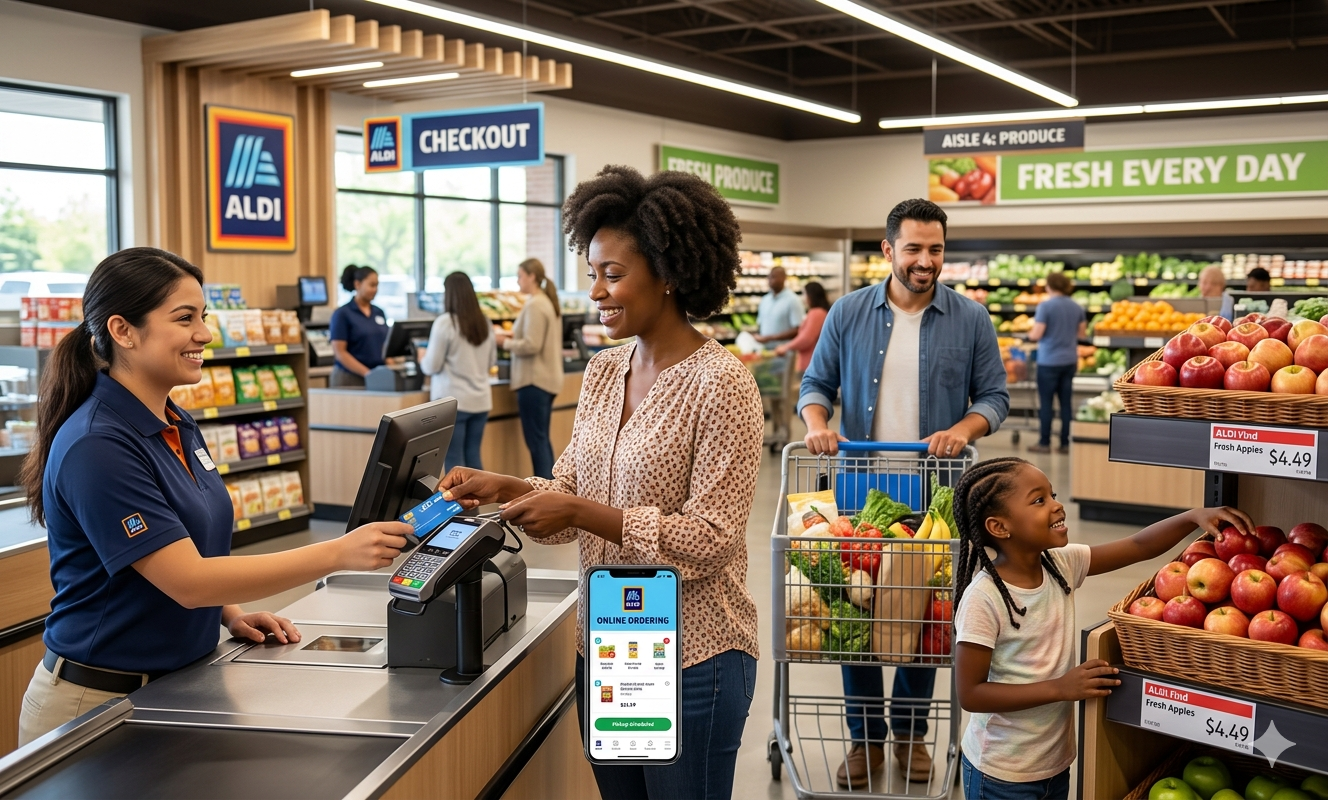
The Supplemental Nutrition Assistance Program (SNAP) is a federally funded initiative managed by the United States Department of Agriculture (USDA). Established to alleviate food insecurity, SNAP provides crucial support to millions of low-income individuals and families across the country. The program enables eligible participants to purchase nutritious food through an Electronic Benefits Transfer (EBT) card, reducing their financial burden and ensuring access to essential nourishment.
Introduction to CalFresh
In California, SNAP operates under the name CalFresh. This program continues the USDA’s mission by catering specifically to the needs of Californian residents who experience financial hardships. CalFresh is designed to promote health and well-being among its beneficiaries, emphasizing access to healthy foods and nutrition education. Eligibility is determined based on various factors, including income, family size, and household expenses, allowing many families to benefit from this vital assistance.
Significance of Food Assistance
The importance of SNAP and its California counterpart, CalFresh, cannot be overstated. Both programs significantly impact the lives of millions of low-income families by providing vital economic support that enhances food security. Improved access to nutritious food contributes to better health outcomes, increased educational performance among children, and overall improved quality of life for participants. As such, the role of food assistance programs in combating hunger and poverty remains a critical component of public health and social service strategies.
The Context of the Subpoena
The issuance of a subpoena by the United States Department of Agriculture (USDA) concerning Supplemental Nutrition Assistance Program (SNAP) data in California arises from a complex intersection of federal oversight and state administration. The USDA, which oversees the national management of food assistance programs, has a vested interest in ensuring that these programs are being managed effectively and in accordance with federal regulations. To fulfill this role, the USDA sometimes needs to gather specific data to assess compliance and address any issues that may have arisen.
The subpoena, initiated by the USDA, appears to stem from growing concerns regarding the integrity and accuracy of the data reported by CalFresh, California’s SNAP program. CalFresh serves millions of low-income residents, providing them with essential food assistance. However, as with many government programs, irregularities or mismanagement can occur, prompting federal agencies to investigate. The USDA’s necessity for this information indicates potential issues of non-compliance or a need for greater scrutiny in the administration of the program by state officials.
Legal authority for such actions typically stems from provisions within federal law that govern SNAP operations and the responsibilities of state agencies. These laws are designed to uphold program integrity while ensuring that funds are utilized appropriately and effectively. The USDA’s request reflects a commitment to address potential vulnerabilities within the program, prioritizing transparency and accountability in how SNAP benefits are administered. This subpoena, therefore, represents a significant moment for CalFresh recipients as it can lead to heightened scrutiny of qualifications and benefit distribution across the state. Whether this will affect recipients remains to be seen, but it certainly underscores the federal government’s active role in overseeing food assistance programs.
Understanding the Impact on CalFresh Recipients
The recent USDA SNAP data subpoena in California has raised significant concerns among CalFresh recipients regarding its implications for their benefits and personal privacy. The repercussions of this subpoena could be far-reaching, affecting not only the distribution of benefits but also the eligibility of individuals involved.
One of the foremost concerns is related to privacy. CalFresh recipients may feel apprehensive about the potential exposure of their personal and financial data. The subpoena suggests that a government agency may request sensitive information, leading to anxiety about how that data will be handled, stored, and potentially shared with third parties. The trust that recipients place in the program could be compromised if they feel that their information is subject to indiscriminate scrutiny.
Moreover, the data demand could result in changes to how benefits are evaluated and distributed. If the USDA intends to utilize this information to cross-check records or audit eligibility criteria, current recipients might experience delays or complications in accessing their benefits. As a result, uncertainty may loom over the status of ongoing applications and the stability of existing benefits, which could create unnecessary hardship for vulnerable populations reliant on this support.
The potential for increased audits and eligibility checks also poses a threat to program accessibility. Recipients may fear being arbitrarily disqualified based on newly established standards or potential discrepancies that could arise from the ongoing data collection. Understanding that these measures aim to combat fraud can mitigate some anxiety, yet the underlying implications can still lead to a chilling effect on those who depend on CalFresh.
In summary, the implications of the USDA SNAP data subpoena in California must be carefully considered, particularly regarding the privacy concerns and impacts on benefits distribution for CalFresh recipients. The balance between fighting fraud and protecting recipient privacy remains an essential conversation in this evolving landscape.
Legal Recourse and Protections for Recipients
As the USDA’s SNAP data subpoena raises concerns for CalFresh recipients in California, it is critical to understand the legal implications and protections that exist for individuals utilizing these benefits. CalFresh, a vital resource for low-income households, is governed by various laws that ensure the privacy and rights of its recipients are safeguarded. One significant aspect of these protections is the confidentiality of applicant data, which is mandated under the Food and Nutrition Act and applicable state laws.
CalFresh recipients have the right to expect that their personal information will not be disclosed without consent, except in specific circumstances as outlined by law. The state is obligated to inform recipients about how their data will be used and shared, ensuring transparency in the data handling process. Furthermore, recipients are given the opportunity to challenge any unauthorized use of their data. This empowers individuals to file complaints when they believe their rights have been infringed upon.
If a CalFresh recipient feels their data privacy has been compromised due to the subpoena, there are several routes for seeking recourse. They can file a complaint with the California Department of Social Services, which oversees CalFresh, or reach out to legal advocacy groups that specialize in food access and rights. Legal aid services may also provide additional support to individuals who wish to understand their rights and navigate the complexities of the law.
Overall, while the USDA SNAP data subpoena presents a significant concern for CalFresh recipients, understanding their rights and the measures in place to protect them can help mitigate fears. Beneficiaries are encouraged to remain informed about their legal rights and utilize available resources to ensure their data is handled with the utmost confidentiality and respect.
The recent USDA SNAP data subpoena has prompted a variety of responses from state officials and advocacy groups across California. Given the potential implications for CalFresh recipients, stakeholders are poised to act with urgency and sensitivity. Notably, several state officials have publicly expressed their commitment to safeguarding the privacy of recipients and ensuring that their rights are protected throughout this process.
State legislators have issued statements emphasizing the critical need for transparent processes that prioritize the welfare of CalFresh participants. They underscored that surveillance and data collection practices must not infringe on the dignity of low-income families who rely on this vital support system. Many officials have called it a violation of privacy rights and have vowed to stand against any overreach that might jeopardize access to essential nutritional assistance.
Advocacy organizations, too, have been vocal in their response. Groups focused on food security and social justice have mobilized, urging the public to remain vigilant and informed. They have embarked on campaigns to raise awareness about the potential consequences of the USDA’s actions, highlighting the indispensable role CalFresh plays in combating food insecurity among vulnerable populations. In addition, these organizations are recommending that recipients stay educated about their rights and how to navigate this unprecedented scrutiny.
Furthermore, collaborations between various advocacy groups and state officials are forming as a proactive response to this situation. These coalitions aim to provide resources, information, and assistance to affected individuals and families. The overarching goal is to reinforce a collective voice advocating for the preservation of CalFresh benefits and equitable treatment of recipients during this tumultuous period.
Historical Precedents and Similar Cases
The intersection of data subpoenas and public assistance programs has a storied history, providing critical lessons for current instances such as the USDA SNAP data subpoena in California. Over the years, several cases have captured public attention, showcasing the repercussions of data retrieval on both recipients and program integrity.
One notable case occurred in 2011, involving a subpoena for data from a state’s food assistance program, which was aimed at identifying potential fraud. While the intent was to preserve program integrity, the resulting data requests raised concerns among recipients about privacy and the potential misuse of their information. Subsequently, advocates rallied to emphasize the importance of safeguarding sensitive data, leading to enhanced security protocols within the program.
Similarly, in 2016, another state faced scrutiny when a federal investigation prompted the review of its welfare program data. This probe not only brought questions about transparency into the spotlight but also highlighted the significant administrative costs associated with compliance. States were forced to reassess their operational frameworks, balancing the need for accountability with the ethical obligation to protect recipients’ personal data.
These instances reflect a broader pattern where the issuance of subpoenas within public assistance programs can create a ripple effect, impacting accessibility and encouraging systemic changes. The legal and ethical dilemmas surrounding these cases call for a nuanced approach to data handling, one that ensures transparency while prioritizing the privacy and rights of individuals.
Cases such as these underscore the need for ongoing dialogue about data privacy and public assistance. Stakeholders must consider the lessons learned from past experiences to navigate the complexities of ensuring program integrity while maintaining trust among recipients.
Public Perception and Community Reactions
The recent USDA subpoena for SNAP data in California has stirred significant public discourse regarding its implications on CalFresh recipients and the wider community. Recipients of CalFresh, a program aimed at aiding low-income families, have expressed varying levels of concern, primarily focusing on privacy issues. Many recipients fear that such data-sharing practices may lead to unwarranted scrutiny, affecting their access to essential support services. This sentiment resonates particularly among those who once experienced stigma associated with receiving assistance, now amplified by potential governmental oversight.
Advocates for social services have voiced their apprehensions as well, citing that the USDA’s actions might deter eligible individuals from seeking needed support. They stress that any overreach could damage the trust that is crucial for ensuring that CalFresh serves its purpose effectively. Social service organizations are particularly worried about the potential ramifications for vulnerable populations, emphasizing that food security is a fundamental right that should not be compromised by fear of surveillance or penalties.
The general public’s response mirrors that of CalFresh beneficiaries, revealing a broader anxiety about increasing governmental oversight of social programs. Many citizens express that while they understand the need for accountability in public welfare programs, the pragmatic reality is that such measures could inadvertently hinder the very individuals they intend to help. The discourse presents an array of opinions, with some advocating for transparency in how public funds are utilized, while others caution against invasive practices that might exacerbate existing insecurities among marginalized communities.
Overall, the reactions to the USDA’s subpoena reflect a complex interplay of support, criticism, and caution, urging stakeholders to carefully navigate the implications of these actions for all parties involved.
The USDA’s decision to issue a subpoena regarding CalFresh data in California opens the door to a range of potential outcomes that could significantly affect beneficiaries of the program. One possible scenario is that this legal action leads to heightened scrutiny of CalFresh operations, thereby prompting state and local agencies to tighten their compliance measures. This could ultimately result in stricter eligibility requirements or more thorough audits of existing recipient data, which may affect individuals’ access to benefits.
On the other hand, a best-case scenario could involve the subpoena serving as a catalyst for positive reform within the CalFresh program. For instance, if this investigation uncovers weaknesses or inefficiencies, it may encourage policymakers to make changes aimed at enhancing the program’s efficiency and transparency. Such efforts could promote a more streamlined application process, thus improving the overall recipient experience by reducing waiting times and bureaucratic hurdles.
Another critical consideration is the impact this subpoena may have on public perceptions of CalFresh. If the findings of the subpoena indicate significant lapses in data privacy or program integrity, public trust in CalFresh could wane, leading to potential declines in enrollment. Conversely, if the results demonstrate that the program operates effectively and is well-managed, this may enhance its reputation, potentially increasing participation rates and encouraging eligible individuals to seek assistance.
While the outcomes remain uncertain, it is essential for all stakeholders, including current recipients, policymakers, and advocacy groups, to stay informed and engaged throughout the process. The evolving situation surrounding the USDA SNAP data subpoena will undoubtedly shape the future landscape of CalFresh and the support it provides to vulnerable populations reliant on this safety net program.
Conclusion and Call to Action
The recent USDA SNAP data subpoena in California has raised significant concerns regarding the rights and privacy of CalFresh recipients. As the state navigates the complexities of adhering to federal requests while safeguarding the security of its residents, it is crucial for all stakeholders—including policymakers, advocates, and the general public—to remain engaged. The implications of the subpoena extend beyond immediate data sharing; they touch upon broader issues of food security, welfare rights, and the fundamental dignity of individuals reliant on CalFresh for sustenance.
Throughout this blog post, we have examined how this situation potentially affects the privacy of CalFresh recipients, the legal frameworks involved, and the balancing act between governmental transparency and individual rights. The significance of maintaining a welfare system that not only supports those in need but also respects their personal information cannot be overstated. Understanding the legal landscape surrounding SNAP data collection is vital for recipients to be aware of their rights and available protections.
As developments unfold regarding the subpoena, it is imperative for readers—particularly those within the CalFresh community—to stay informed. Several advocacy groups are mobilizing efforts to resist any overreach that could jeopardize the wellbeing of vulnerable populations. We encourage all individuals to actively participate in discussions, attend public forums, or reach out to their representatives to voice their concerns. Together, we can foster a climate of accountability and ensure that the rights of CalFresh recipients are upheld effectively. Your engagement can make a difference in shaping policies that prioritize the welfare of our communities.