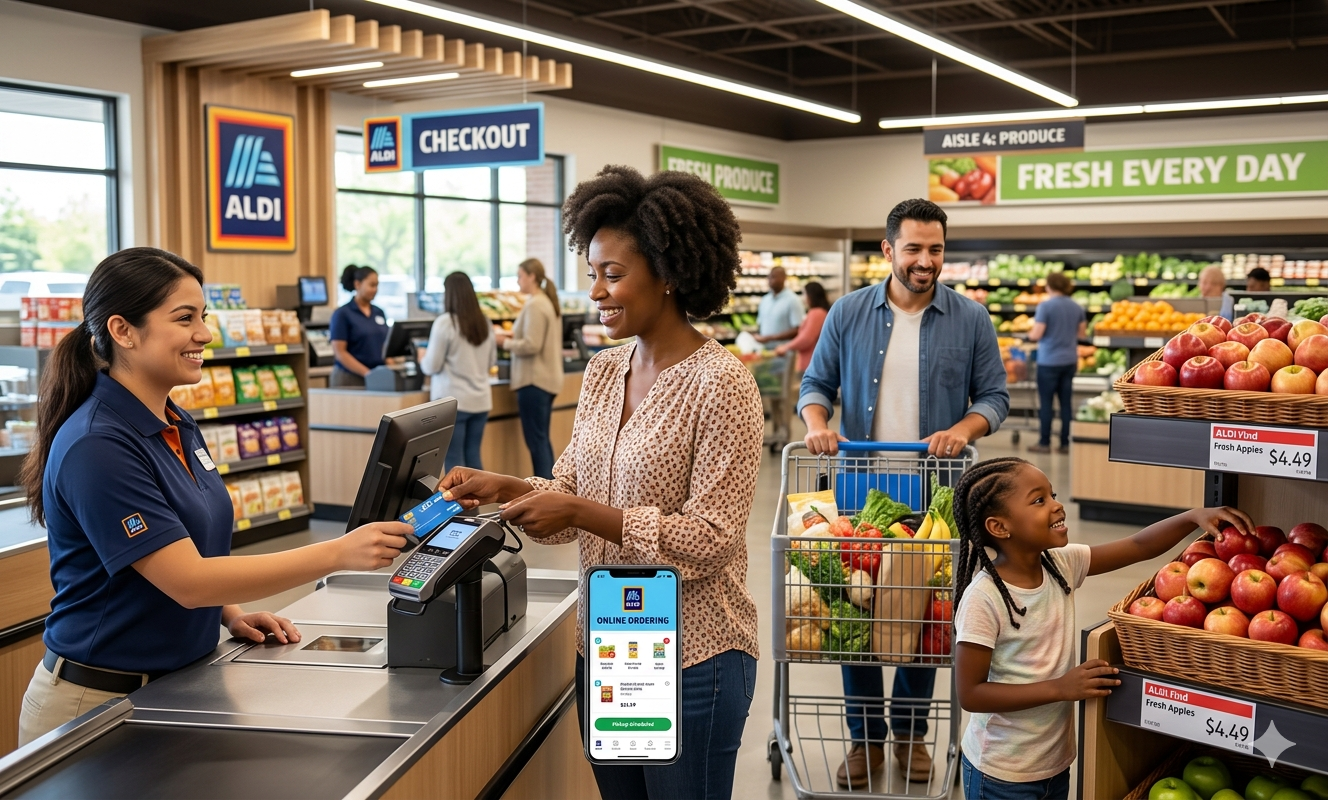
The Supplemental Nutrition Assistance Program (SNAP), widely recognized as the food stamp program, is a federal initiative aimed at providing nutritional assistance to individuals and families with limited financial resources. The program’s primary purpose is to enhance food security and improve the overall well-being of beneficiaries by supplementing their ability to purchase food.
Eligibility for SNAP benefits requires applicants to meet certain requirements, which include household income, resource limits, and family size. Generally, households must have income levels that fall below the federal poverty line, which can vary based on the number of individuals in the household. Additionally, some states have implemented their income eligibility criteria, which may further affect an individual’s ability to access these benefits.
The amount of assistance provided through SNAP is calculated based on the household’s size and net income. Each state has its own method of determining the monthly allotment, which is intended to cover a significant portion of a household’s grocery expenses. Notably, SNAP benefits can only be used to purchase specific food items, which include fruits, vegetables, dairy products, meat, and bread.
While many food products are covered under SNAP regulations, there are restrictions. For example, items that are considered non-food essentials, such as alcohol or household supplies, are not permissible. Additionally, the eligibility of certain beverages, like Gatorade, may vary from state to state due to differing interpretations of what constitutes a qualifying food item. Understanding these variables is crucial for beneficiaries who wish to utilize their SNAP benefits effectively to obtain a diverse range of food products.
Understanding Eligible Food Items under SNAP
The Supplemental Nutrition Assistance Program (SNAP) offers assistance to individuals and families in need, enabling them to purchase food items that adhere to specific guidelines set forth by the U.S. Department of Agriculture (USDA). Under SNAP regulations, eligible food items primarily include a wide array of staples and perishable goods that meet nutritional standards, ensuring that beneficiaries receive adequate sustenance.
Generally, SNAP benefits can be utilized to purchase fruits, vegetables, meat, fish, poultry, dairy products, bread, and cereals. Additionally, seeds and plants intended for home food production are also permissible under SNAP. However, it is important to note that the program does not support the purchase of non-food items, alcohol, supplements, or hot prepared foods that are ready to eat. This exclusivity helps delineate the scope of what SNAP benefits can cover, maintaining an emphasis on healthy and nutritious options.
With regard to beverages, most non-alcoholic drinks such as water, fruit juices, and soft drinks are typically eligible for purchase using SNAP benefits. This raises the question of whether sports drinks like Gatorade qualify under these guidelines. While Gatorade is commonly valued for its hydration properties and electrolyte replenishment, its classification as a food item under SNAP can vary by state.
It is crucial for beneficiaries to familiarize themselves with their state-specific SNAP regulations and guidelines regarding food purchases. The USDA outlines general eligibility criteria; however, certain states may impose additional requirements or restrictions, particularly concerning beverages. Thus, checking with local SNAP offices can provide clarity on whether items like Gatorade can be included in an individual’s SNAP expenses.
State-Specific Regulations for SNAP Benefits
The Supplemental Nutrition Assistance Program (SNAP), commonly referred to as food stamps, provides essential support for individuals and families in need. However, the regulations governing the program can vary significantly from state to state. This variability can influence not only the eligibility criteria for beneficiaries but also the types of products that can be purchased with these benefits, including beverages like Gatorade.
Each state has the authority to establish its own policies regarding the definition of permissible food items. While the federal guidelines outline basic regulations, state-specific implementations play a critical role in determining what consumers can buy with SNAP. As a result, Gatorade, a non-alcoholic beverage that typically qualifies under SNAP guidelines as a food item, may not be universally accessible through benefits depending on local rules.
For instance, some states have adopted stricter regulations that exclude beverages deemed non-essential or high in sugars—Gatorade may fall into this category in certain areas. On the other hand, other states may allow eligible purchases of sports drinks, recognizing them as beverages supplementing physical activities. This discrepancy can lead to confusion among SNAP recipients regarding what is acceptable for purchase.
To ensure compliance and avoid misunderstandings, it is imperative for SNAP recipients to familiarize themselves with their state’s specific regulations. Many states provide comprehensive guidelines on their official websites detailing what items can be purchased with SNAP benefits. Moreover, local SNAP offices can offer assistance and clarifications when necessary. By staying informed about these guidelines, beneficiaries can maximize their food stamp usage effectively and budget accordingly.
Can You Purchase Gatorade with Food Stamps?
Purchasing Gatorade with Food Stamps, officially known as SNAP (Supplemental Nutrition Assistance Program) benefits, largely depends on the specific regulations that govern what constitutes an eligible food item. In general, SNAP benefits can cover food and beverages for human consumption, which raises the question about sports drinks like Gatorade.
According to the USDA guidelines, sports drinks with nutritional value can often be bought using SNAP benefits. Gatorade is marketed primarily as a sports drink that is designed to replenish electrolytes and fluids lost during exercise. Each variant of Gatorade varies in its nutritional profile; however, most formulations contain sugars, salts, and other electrolytes, which are intended to support hydration and energy recovery.
While Gatorade fits within the broad definition of consumables that can be purchased with SNAP, some state-specific regulations may impose additional considerations. For instance, certain localities may categorize Gatorade differently based on its sugar content and intended use. Therefore, it is crucial to understand the particular rules of each state regarding eligible beverages. In some cases, sports drinks that contain a higher level of sugar may not qualify for purchase, turning eligibility into a variable factor.
Furthermore, variations such as low-calorie or non-sugar versions of Gatorade can also be subject to distinct regulations, depending on how they are classified. Consumers should check the nutritional labels or consult local SNAP guidelines for clarification. It is advisable for beneficiaries of SNAP to verify eligibility through local offices or by reviewing the specific guidelines posted by their state, as these can differ considerably across jurisdictions.
The Nutritional Perspective: Is Gatorade Considered Food?
Gatorade, a well-known sports drink, is largely consumed for its electrolytes, carbohydrates, and hydration properties that cater to athletes and active individuals. To assess whether Gatorade qualifies as food under the USDA guidelines, one must consider its ingredients and intended purpose. The USDA defines food as items intended for human consumption that provide nutritional value. These typically include fruits, vegetables, grains, dairy products, and meats, which are staples in various diets.
From a nutritional standpoint, Gatorade contains water, electrolytes such as sodium and potassium, and sugars in the form of carbohydrates. While these components serve specific purposes, particularly for hydration and energy replenishment during physical activity, they do not represent the full spectrum of nutrients required for a balanced diet. Critics argue that sports drinks are not necessities for everyday consumption and should be reserved for instances of rigorous physical exertion. This raises questions about their classification as food.
Furthermore, the categorization of Gatorade within food assistance programs is influenced by its marketing as a sports performance enhancer rather than as a primary source of nutrition. In many states, food stamps under the Supplemental Nutrition Assistance Program (SNAP) largely cover items that fulfill dietary needs, which may exclude products marketed primarily for exercise recovery. Some states have adopted a broader interpretation, allowing for the purchase of sports drinks like Gatorade while others maintain a stricter definition.
The ongoing debate regarding the nutritional designation of Gatorade reveals that while it has hydration benefits, its role as a food source remains contentious. Many health experts recommend whole foods that offer comprehensive nutrition instead. As we explore the SNAP rules across various states, the classification of products like Gatorade continues to impact accessibility for beneficiaries, and understanding these nuances is essential for informed discussions about food assistance.
Updates and Changes to SNAP Regulations in 2026
As we approach the year 2026, significant updates and revisions concerning the Supplemental Nutrition Assistance Program (SNAP) regulations are expected. These changes are influenced by various factors, including legislative shifts and public health sciences, all aimed at addressing the evolving needs of low-income families across the United States. Understanding these adjustments is crucial, especially regarding what products can be purchased with SNAP benefits, including popular beverages like Gatorade.
In recent years, there has been a growing emphasis on promoting healthier food options within SNAP. Legislative proposals have been introduced that advocate for the inclusion of nutritional guidelines directly tied to SNAP benefits. For example, beverages with high sugar content, such as Gatorade, may face increased scrutiny as lawmakers aim to foster better health outcomes among recipients. The push for healthier choices indicates that while SNAP provides vital assistance, it might increasingly support products that contribute to nutritional well-being.
Moreover, states are actively exploring their own regulations as they work within federal frameworks. Some states have sought to expand benefits to include items deemed essential for a balanced diet while limiting access to less nutritious options. These developments signal a potential reduction in the purchasing power of SNAP benefits concerning certain beverages.
In light of these anticipated changes, recipients should remain informed and engaged with both state and federal announcements regarding SNAP regulations. It is advisable to also check their eligibility for ongoing updates and modifications to purchasing options available under the program. As the landscape of SNAP evolves, so too does the capacity of families to access a range of beverages, including Gatorade, and other essential goods.
How to Use SNAP Benefits Wisely: Tips and Tricks
Utilizing SNAP benefits effectively is essential for beneficiaries to maximize their food budget while adhering to program regulations. Here are several practical tips to consider for making the most out of your SNAP resources in 2026.
First, focus on purchasing nutritious items. While you have the freedom to buy a variety of foods with your benefits, prioritizing fruits, vegetables, whole grains, lean proteins, and dairy products will ensure that you and your family consume balanced meals. Many states allow the purchase of seeds and plants through SNAP, which can produce fresh food at home, stretching your benefits further.
Secondly, it is wise to create a detailed budget for household needs. Assess your monthly expenses and plan your meals ahead of time. Meal planning can help you avoid impulse buys and focus on purchasing items that are both nutritionally sound and cost-effective. Utilize sales and discounts to stretch your SNAP dollars. Many stores offer loyalty programs that can provide additional savings.
Additionally, exploring local food co-ops, farmer’s markets, and community-supported agriculture can enhance your shopping experience. Some of these venues accept SNAP benefits and may even match funds to help you buy fresh produce, giving you more value for your money.
Finally, ensure that you remain in compliance with SNAP regulations while satisfying your family’s preferences. Familiarize yourself with the items that are eligible for purchase under the program, such as snacks and beverages. While you may be able to purchase certain beverages like Gatorade in some states, ensuring that you are also investing in healthy options should remain a priority.
By integrating these tips into your shopping habits, you can make the most of your SNAP benefits, enabling you to provide nutritious and satisfying meals for your family.
Resources for SNAP Recipients
The Supplemental Nutrition Assistance Program (SNAP) offers essential support to individuals and families facing food insecurity. It is crucial for recipients to stay informed about the resources available to maximize their benefits and ensure access to nutritional food options.
First and foremost, the official USDA SNAP website serves as a comprehensive resource for understanding program guidelines, eligibility requirements, and updates relevant to SNAP in all states. It also provides critical links to state-specific SNAP offices, where recipients can inquire about their benefits, apply for assistance, and obtain further information related to the program.
Each state operates its own SNAP office, which can assist residents in navigating the application process and provides support in finding local food resources. To locate the SNAP office in your state, visit the USDA state directory. This directory offers detailed contact information and links to each state’s SNAP page.
In addition to governmental resources, numerous non-profit organizations are dedicated to providing nutritional assistance to SNAP participants. For instance, Feeding America is a national network that connects individuals with nearby food banks and pantries. Their website allows users to find accessible food assistance programs tailored to specific needs.
Moreover, local organizations often participate in outreach programs to help individuals utilize their SNAP benefits effectively. By connecting with community groups, beneficiaries can find workshops on meal planning, budgeting, and healthy cooking. These educational resources empower SNAP recipients to make informed decisions about their nutrition while maximizing their available benefits.
Staying updated with available resources through these platforms not only assists SNAP recipients in meeting their immediate food needs but also enhances their ability to sustain long-term health and well-being.
Conclusion: Navigating SNAP Benefits for Beverages
Understanding the Supplemental Nutrition Assistance Program (SNAP) and its rules is essential for anyone seeking to maximize their benefits, especially when it comes to purchasing beverages like Gatorade. Throughout the blog post, we have examined the eligibility of various items under SNAP guidelines, focusing on how different states interpret these rules. It is evident that while items such as Gatorade, which are often categorized as non-essential beverages, may be eligible for purchase in some states, other locations may have restrictions that limit their acquisition through food stamps.
Policy distinctiveness across states emphasizes the necessity for consumers to familiarize themselves with local regulations governing SNAP purchases. Knowledge of specific state provisions not only aids beneficiaries in making informed shopping choices but also in ensuring that they are fully utilizing their entitled food assistance benefits. This vigilance is particularly vital as legislative changes can impact what items remain eligible under the program.
For recipients of SNAP benefits considering purchasing Gatorade or similar beverages, it is crucial to review the applicable state guidelines regularly. By keeping abreast of potential amendments to SNAP policies, beneficiaries can adapt their shopping habits accordingly and ensure they remain compliant while optimizing their nutrition and well-being. In light of the complexities involved, ongoing engagement with community resources, local SNAP offices, and reliable informational platforms can further assist recipients in navigating this landscape.
In conclusion, essential awareness and continuous learning about SNAP regulations empower consumers, allowing them to make the most of their benefits when selecting beverages like Gatorade. Staying informed ultimately supports the goal of the program, which is to provide assistance that enhances food security and health for individuals and families across the United States.