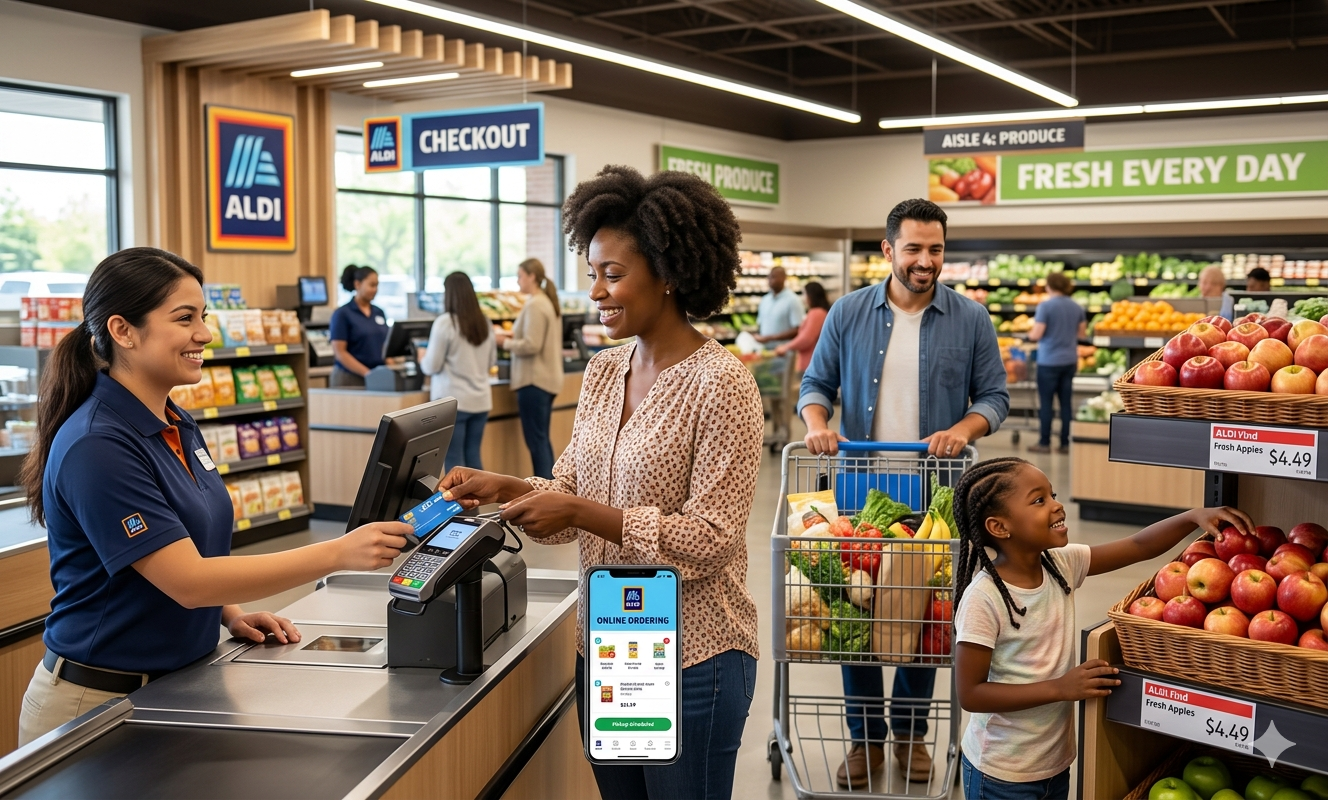
The Supplemental Nutrition Assistance Program (SNAP) is a critical welfare initiative in the United States, designed to assist low-income families and individuals by providing them with food purchasing assistance. Commonly referred to as food stamps, these benefits are intended to alleviate food insecurity and ensure that all citizens have access to nutritious meals.
SNAP operates under the premise that a well-nourished population contributes to a healthier society. By offering financial assistance to those faced with economic challenges, the program plays a pivotal role in improving the quality of life for millions of Americans. Participants can use their SNAP benefits to purchase eligible food items at authorized retailers, thereby expanding their access to healthy food options.
The importance of SNAP cannot be overstated, particularly in times of economic hardship. It serves not only as a safety net for individuals experiencing temporary challenges but also assists families in maintaining a balanced diet during tough financial times. This support extends to diverse groups, including children, the elderly, and individuals with disabilities, ensuring that vulnerable populations are safeguarded against hunger.
Furthermore, SNAP has significant positive implications for local economies. As recipients use their benefits to buy food, they contribute to the economic vitality of their communities. Local grocery stores and farmers’ markets often see increased sales due to SNAP purchases, which in turn helps sustain jobs and local businesses. Thus, the program not only addresses immediate nutritional needs but also fosters broader economic stability.
Understanding the SNAP Application Process
The Supplemental Nutrition Assistance Program (SNAP) provides essential nutrition assistance to eligible individuals and families. Understanding the application process is crucial for those seeking to benefit from this program. The first step is to check eligibility, which varies by state but generally considers factors such as income, household size, and expenses. Interested individuals can find general guidelines online or at their local SNAP office.
After determining eligibility, it is necessary to gather the required documentation. Commonly required documents include proof of identity, social security numbers for household members, income verification, and proof of expenses such as rent, utilities, and child care costs. Collecting these documents beforehand helps streamline the application process, ensuring that no essential information is missing when submitting your application.
Next, applicants have the option to submit their applications either online or in person. Most states offer an online application portal for SNAP, allowing for a convenient and efficient way to start the process. When applying online, individuals should follow the detailed instructions provided, filling out all required fields accurately. Alternatively, applicants can visit their local SNAP office to complete a paper application. It is advisable to check the operating hours before visiting to ensure a smooth experience.
Once the application is submitted, a SNAP representative will review the information provided. In some cases, interview appointments may be scheduled to clarify details or gather additional information. After the review process is complete, applicants will be notified of their eligibility status, and if approved, the benefits will be made available for use.
Importance of Knowing Your Local SNAP Office
Knowing the location of your local SNAP (Supplemental Nutrition Assistance Program) office is crucial for a variety of reasons, particularly for individuals and families seeking to navigate the assistance available to them. Being aware of your local office enables you to receive personalized assistance tailored to your specific needs, which can significantly streamline the application and benefits process.
One of the primary benefits of knowing your local SNAP office is the ease of communication it offers. Residents can interact directly with knowledgeable staff who can provide clarity on eligibility requirements, application processes, and available services. This direct line of communication can help address immediate questions or concerns that may arise during your journey to obtaining SNAP benefits.
Furthermore, local SNAP offices frequently offer additional services beyond basic food assistance. These may include referrals to job training programs, nutritional education, and connections to various community resources aimed at helping individuals achieve long-term financial stability. By visiting your local SNAP office, you can learn about these resources and how they can contribute to improving your overall well-being.
Moreover, having a physical location in mind means that individuals can plan their visits effectively, reducing potential stress associated with long waits or miscommunications that can occur when dealing with remote applications or helplines. In-person visits can also facilitate a more thorough understanding of the application paperwork and benefits process, as staff can provide guidance on completing forms accurately and gathering necessary documentation.
Ultimately, knowing the location of your local SNAP office empowers you to take full advantage of the resources available to you and ensures that you receive the support necessary to access essential nutrition assistance programs. This knowledge streamlines the process and fosters a sense of community engagement and support.
Finding Your Local SNAP Office Fast
Locating your local SNAP (Supplemental Nutrition Assistance Program) office promptly can significantly streamline the application process for food assistance. There are several effective strategies and resources to facilitate this search. Utilizing online databases and government-sponsored websites stands out as one of the fastest methods for finding your local office. Most state SNAP programs maintain official websites that include a directory or search tool to aid residents in identifying local offices based on their residential zip code.
To begin your search, a straightforward approach is to visit the USDA Food and Nutrition Service website. This source provides comprehensive links to each state’s SNAP resources, where users can access specific state-based information and find contact details of local offices. By entering your zip code, you can quickly narrow down the options to offices close to your location. This method presents not only the office addresses but also their operating hours.
Another convenient tool is mobile applications dedicated to SNAP assistance. Various apps available on smartphones allow users to access information about local SNAP offices, check eligibility, and even apply for benefits directly from their devices. These applications often include features that utilize GPS technology to identify nearby offices based on your current location, enhancing the speed and ease of your search.
In addition to digital avenues, reaching out via phone can yield rapid results. Call the SNAP information line for your state, which can provide personalized assistance and relay information on the closest office based on your locality. Overall, leveraging online resources, mobile applications, and direct communication will enable you to find your local SNAP office swiftly and efficiently.
Tips for Visiting Your Local SNAP Office
Visiting your local SNAP office can be a necessary step in accessing nutritional assistance. To maximize your experience and ensure a smooth visit, preparation is essential. Start by gathering important documents that may be required for your appointment. These documents typically include proof of identity, such as a driver’s license or state ID, proof of household income, utility bills, and any other relevant financial information. Having these ready will help expedite the application process and avoid unnecessary delays.
Next, consider the timing of your visit. It’s advisable to avoid visiting during peak hours, which can vary by location but often occur during lunch breaks or on the first day of the month when many people are navigating their renewals. Arriving early within the day or scheduling an appointment, if possible, can result in shorter wait times and more attentive service.
When discussing your needs with the SNAP staff, clear communication is crucial. Be prepared to explain your situation concisely, focusing on the specific types of assistance you need. Use straightforward language and provide any additional context that may support your application. Don’t hesitate to ask questions if anything is unclear. The staff at SNAP offices are there to assist you, and understanding the process can help you access the support you deserve.
After your appointment, it is important to follow up on your application or any services discussed. Keep track of any paperwork or application numbers you receive and note deadlines for responses. If you have not heard back in a timely manner, consider reaching out to the office to inquire about your status. This proactive approach not only keeps you informed but also demonstrates your commitment to engaging with the support system available to you.
Frequently Asked Questions about SNAP Offices
When navigating the complexities associated with the Supplemental Nutrition Assistance Program (SNAP), individuals often have several questions regarding local SNAP offices. One common inquiry is about office hours. Most SNAP offices typically operate during standard business hours, generally from 8:00 AM to 5:00 PM on weekdays. However, some offices may offer extended hours on specific days or vary their hours depending on the location, so it is advisable to confirm directly with your local office.
Another frequently asked question pertains to accessibility. SNAP offices strive to accommodate all clients, including those with disabilities. Many locations are required to comply with ADA (Americans with Disabilities Act) standards, providing accessible entrances and parking. It is prudent to check with the office ahead of your visit to ensure any specific needs can be met.
Waiting times can also be a concern for many individuals seeking assistance at SNAP offices. Due to varying levels of demand, wait times can differ greatly from one office to another. To minimize waiting periods, clients are encouraged to avoid peak hours or consider scheduling an appointment when possible. Additionally, some jurisdictions may provide online services, enabling clients to address inquiries or applications without the need for in-person visits.
Lastly, clients may encounter difficult situations during their visits, such as misunderstandings or lengthy processes. In these instances, it is recommended to remain calm and patient. Requesting clarification from staff or seeking a supervisor can often provide resolution to concerns. Being prepared with relevant information and documentation when visiting can also aid in smoothing the process.
Success Stories: Beneficiaries of SNAP
Supplemental Nutrition Assistance Program (SNAP) has made a significant impact on countless individuals and families across the United States. Many beneficiaries have shared their inspiring stories of how they overcame financial challenges and improved their quality of life with the help of local SNAP offices. These accounts illustrate not only the effectiveness of the program but also the vital role local support plays in the lives of those seeking assistance.
One compelling story is that of a single mother, Jessica, who struggled to provide her children with nutritious meals after losing her job. After visiting her local SNAP office, she received guidance and resources that enabled her to access food assistance quickly. With the aid of SNAP benefits, Jessica was able to afford fresh fruits and vegetables, ensuring her children had healthy meals each day. As a result, her family’s overall well-being improved, and Jessica felt a renewed sense of hope for the future.
Another beneficiary, Mark, shares how the SNAP program was pivotal during a health crisis. After being diagnosed with a serious illness, Mark faced mounting medical bills that strained his finances. He visited his local SNAP office, where compassionate staff assisted him in enrolling in the program. With SNAP benefits, Mark was able to purchase groceries that catered to his dietary restrictions, improving his health and supporting his recovery process. This experience not only equipped him with necessary nutrition but also provided him with peace of mind in a challenging time.
These testimonials reflect the important role of local SNAP offices, demonstrating how their support facilitates access to essential resources that can transform lives. Beneficiaries like Jessica and Mark show the positive effects of SNAP, emphasizing the program’s capacity to alleviate food insecurity and empower individuals to make meaningful changes in their lives. Their stories serve as a reminder of the resilience of community members and the crucial assistance SNAP provides.
Individuals seeking further information about the Supplemental Nutrition Assistance Program (SNAP) have access to a variety of valuable resources. These resources can assist with inquiries regarding eligibility, benefits, application processes, and local office locations, thereby providing essential support.
**SNAP National Helpline**: One of the most direct ways to obtain information is by contacting the SNAP National Helpline at 1-800-221-5689. This helpline is available to answer questions regarding SNAP benefits and provide details on how to apply. Bilingual representatives are also available to assist non-English speakers.
**Local SNAP Offices**: Each state manages its own SNAP program through local offices. You can find your state’s SNAP office by visiting the official USDA Food and Nutrition Service website. This site offers a searchable directory of local offices, ensuring that you can find the most convenient location for assistance.
**Nonprofit Organizations**: Several nonprofit organizations also offer support and information about SNAP. Organizations such as Feeding America and the Salvation Army have local branches that can provide assistance with the application process, food distribution, and information about your rights regarding SNAP.
**Online Platforms**: Websites like Benefits.gov enable individuals to learn about the various benefits available to them, including SNAP. Users can navigate online resources to check eligibility and find links to applications and local government offices.
**Community Outreach Programs**: Many communities have outreach programs designed to assist residents in applying for public assistance programs, including SNAP. These programs may offer workshops, assistance with filling out forms, and educational materials on the benefits of SNAP.
For those looking to gather further information or assistance regarding the SNAP program, leveraging these resources can greatly enhance your understanding and navigation of the application process. Utilizing hotlines, local offices, and nonprofit organizations can ensure that individuals achieve the necessary support when it comes to food security and nutrition assistance.
Conclusion
In conclusion, the Supplemental Nutrition Assistance Program (SNAP) is a vital resource designed to assist individuals and families in securing food and nutrition. It plays an essential role in alleviating food insecurity and ensuring that everyone has access to wholesome meals. Local SNAP offices are at the forefront of delivering this assistance, providing personalized support to navigate the application process, ensuring eligibility, and answering any questions that may arise.
For those seeking assistance, reaching out to your local SNAP office is a recommended first step. These offices are equipped with knowledgeable staff who can guide you through the various options based on your specific circumstances. Whether you require help filling out your application, understanding eligibility requirements, or exploring additional food resources, your local SNAP office can connect you with the necessary tools and support.
It is crucial to recognize the importance of utilizing these resources and remaining informed about the services that SNAP offers. Ensuring food security contributes to better health outcomes, educational performance, and overall community well-being. Therefore, do not hesitate to contact your local SNAP office for more personalized assistance and guidance.