Electronic Benefits Transfer (EBT) is a system that allows state welfare departments to issue benefits via a magnetically encoded debit card. This system is particularly essential for participants in the Supplemental Nutrition Assistance Program (SNAP), which provides nutritional assistance to millions of low-income families across the United States. SNAP aids these families in purchasing food by offering them monthly benefits based on their household’s size and income level.
The implementation of EBT has revolutionized the way assistance is distributed, eliminating the need for paper coupons and enhancing privacy for beneficiaries. With EBT cards, participants can select from a wide range of grocery items, making it easier for them to maintain a balanced diet. This card-based system is not only convenient but also promotes greater access to groceries at various stores, including discount retailers like Aldi.
As of 2026, the SNAP program continues to evolve, adapting to economic changes and the needs of the population it serves. Recent updates and expansions to the program have aimed to improve food access and sustainability, especially in underserved areas. Understanding how EBT and SNAP benefits function is crucial for low-income families seeking to maximize their purchasing power at grocery stores, including large chains and small local markets.
Moreover, through periodic evaluations and adjustments, these programs aim to meet the increasing demand for food assistance, particularly in challenging economic climates. The impact of such assistance extends beyond mere food access; it contributes significantly to community health and well-being by ensuring that low-income households can afford nutritious meals.
Aldi’s Participation in SNAP
Aldi, a prominent grocery retailer known for its affordable prices and unique shopping model, actively participates in the Supplemental Nutrition Assistance Program (SNAP). This program, which is widely recognized for aiding low-income families in accessing nutritious food, allows eligible customers to utilize their Electronic Benefits Transfer (EBT) cards at participating stores.
The company’s commitment to affordability aligns closely with the goals of SNAP, as it seeks to ensure that individuals and families can obtain essential groceries without financial strain. Through their participation in this federal assistance program, Aldi emphasizes inclusivity and supports community access to healthy food options. Customers using EBT at Aldi can expect to find a wide variety of fresh produce, dairy products, bakery items, and pantry staples, reinforcing the importance of nutrition for all households.
Nationwide, Aldi stores are equipped to handle EBT transactions, making it easy for SNAP recipients to shop at their local store. Each store is required to adhere to federal guidelines regarding the sale of eligible items, which primarily includes food products. However, it is essential for customers to be aware that non-food items and certain beverages may not qualify for purchase with EBT funds. Despite these restrictions, Aldi’s extensive selection ensures that SNAP beneficiaries have many options to choose from when grocery shopping.
In conclusion, Aldi’s participation in the SNAP program showcases its dedication to providing affordable grocery choices while supporting those who rely on government assistance. This initiative not only helps alleviate food insecurity but also promotes a healthier lifestyle among all customers.
Eligibility Requirements for SNAP Benefits
The Supplemental Nutrition Assistance Program (SNAP) provides essential food assistance to millions of families and individuals across the United States. To qualify for these benefits, applicants must meet specific eligibility criteria that include income limits, residency standards, and additional qualifications.
Income eligibility is a critical factor in determining qualification for SNAP benefits. Generally, households must have a gross monthly income that does not exceed 130% of the federal poverty guidelines. This threshold varies based on household size; therefore, larger families may have a higher income limit compared to smaller groups. Additionally, net income is considered after adjusting for allowable deductions such as housing costs and childcare expenses. It is vital for applicants to understand their current financial situation to assess their eligibility accurately.
Residency requirements also play a significant role in eligibility for SNAP benefits. Applicants must reside in the state where they apply, and residency must be established as of the date of application. Each state may have specific variations in their application processes and criteria, so it is advisable to check with local SNAP offices for precise information. Furthermore, non-citizens may have restricted access to benefits, and specific status may influence eligibility.
To apply for SNAP benefits, interested individuals can typically complete an application through their state’s SNAP agency, which may offer an online portal for convenience. After submitting an application, authorities may require an in-person interview to verify the information provided and assess eligibility. Timely communication with the agency and providing accurate details will facilitate a smoother application process.
What Can You Purchase with SNAP Benefits at Aldi?
When shopping at Aldi with Supplemental Nutrition Assistance Program (SNAP) benefits, also known as EBT, customers can purchase a variety of food and grocery items designed to support healthy eating habits. SNAP benefits are intended to help low-income individuals and families access essential food items, and Aldi complies with these regulations by offering a selection that caters to diverse dietary needs.
One of the primary categories of eligible items includes dairy products. Shoppers can find a range of milk, cheese, and yogurt options at Aldi, all of which can be purchased using EBT. Similarly, fresh fruits and vegetables fall under the SNAP-eligible category, allowing consumers to buy fresh, nutritious produce that promotes healthy eating.
In addition to dairy and produce, meats are also available for purchase with SNAP benefits. This includes various cuts of beef, chicken, and pork, which can aid families in preparing balanced meals. Furthermore, Aldi’s selection of bakery items, including bread and rolls, can also be acquired using EBT, providing essential carbohydrate sources for nutritious diets.
However, it is crucial for shoppers to be aware of items that are not eligible for purchase under SNAP guidelines. Generally, alcohol, tobacco products, vitamins, and non-food items like household supplies are excluded. Prepared food that requires heating in the store, such as hot deli items, is also not covered by SNAP benefits.
In summary, shoppers at Aldi can maximize their SNAP benefits by focusing on various categories of food, including dairy, fruits and vegetables, meats, and bakery products, while avoiding ineligible items for a comprehensive and healthy grocery experience.
How to Use EBT at Aldi Stores
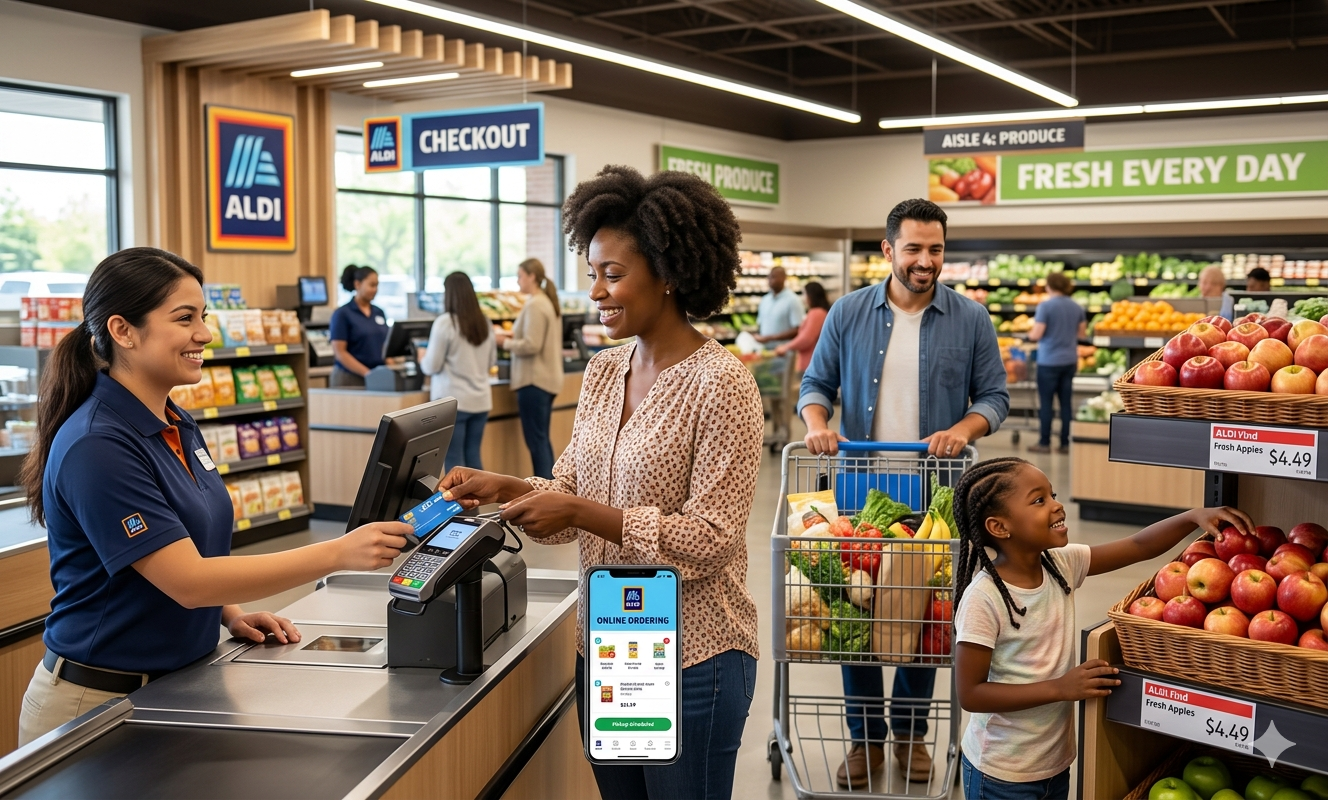
Utilizing your EBT card at Aldi stores can be a straightforward process, provided you are aware of certain steps and guidelines. The first step is to ensure that your EBT card is activated and loaded with sufficient funds. Once you have completed your shopping and are ready to check out, proceed to the register.
When it is your turn to pay, inform the cashier that you will be using your EBT card. The cashier will guide you on how to proceed with the transaction. Typically, you will need to swipe your EBT card through the card reader. Upon swiping, you will be prompted to enter your personal identification number (PIN) to authorize the purchase. Once you have done this, the system will deduct the amount from your account, covering the eligible food items.
It is important to note that not all items are eligible for purchase with EBT benefits. Generally, foods that require preparation, such as fruits, vegetables, dairy products, meat, and bread, qualify. However, non-food items, such as household supplies and personal care products, are not covered by SNAP benefits. Therefore, before shopping, it may be useful to familiarize yourself with the USDA’s guidelines on SNAP eligible food items.
To enhance your shopping experience, consider using Aldi’s own shopping list feature to plan your meals and purchases ahead of time. This can minimize impulse purchases and ensure that you are buying items that fit within EBT regulations. Additionally, visit your local Aldi store’s website to check for any specific offers or promotions, as prices can vary.
Aldi’s Pricing Strategy and Impact on SNAP Users
Aldi’s pricing strategy is critically designed to offer consumers a unique shopping experience, marked by low prices and a limited selection of private label products. This approach allows Aldi to maintain significantly lower operational costs compared to traditional supermarkets. The company’s focus on efficiency, combined with ultra-low prices, has a substantial impact on Supplemental Nutrition Assistance Program (SNAP) users, helping them make their benefits stretch further.
One of the main advantages of Aldis’s pricing strategy is its capacity to provide access to affordable groceries, essential for families relying on SNAP benefits. With rising food prices impacting many households, Aldi offers a stable alternative where SNAP users can acquire fresh produce, dairy products, meat, and pantry staples without the worry of exceeding their monthly budgets. This becomes especially crucial when considering that families are often tasked with managing limited financial resources; hence, every dollar counts.
Low-cost options found at Aldi can potentially enable SNAP recipients to pursue a more nutritious diet. Research indicates that low-income families often experience food insecurity, leading to compromised dietary choices. By presenting budget-friendly products alongside healthier food options, Aldi assists families in making better nutritional decisions, which can result in improved health outcomes. Additionally, the savings from low prices at Aldi could allow consumers to allocate their benefits towards more diverse food items.
Consequently, Aldi’s pricing strategy not only supports SNAP users in meeting their basic needs but also empowers them to enhance their overall food quality. The ability to purchase groceries at lower costs can foster a healthier community, directly impacting public health positively. By focusing on affordability coupled with quality, Aldi plays a significant role in aiding SNAP participants to cultivate more nutritious eating habits, highlighting the importance of accessible grocery options.
Updates and Changes to SNAP Benefits by 2026
The Supplemental Nutrition Assistance Program (SNAP), commonly known as food stamps, is a vital resource for millions of Americans, providing essential assistance for purchasing food. As we look ahead to 2026, various factors indicate potential changes to SNAP benefits and associated regulations that could impact users, including those who utilize Electronic Benefits Transfer (EBT) cards at grocery stores like Aldi.
In recent years, there has been growing advocacy for increasing SNAP funding. This movement aims to address rising food costs and economic disparities that affect low-income households. Legislative proposals suggest an increase in the monthly allotment for benefits, reflecting higher food prices and inflation rates. If passed, such measures could substantially enhance the purchasing power of EBT beneficiaries, thereby allowing them to secure healthier food options.
Moreover, policy revisions may also emerge as states respond to ongoing economic challenges. For example, several states are exploring initiatives to streamline the application process and eliminate barriers that prevent eligible individuals from accessing benefits. Such efforts may improve overall accessibility and encourage increased participation among low-income families.
In addition, there are discussions around expanding the list of eligible items for SNAP purchases. Currently, several states have implemented pilot programs that allow for the purchase of non-traditional foods. Expansion of these initiatives could permit more flexibility in food choices for EBT users, thereby benefiting individuals shopping at stores like Aldi, known for their competitive pricing and variety of products.
As the legislative landscape evolves leading up to 2026, it is important for beneficiaries to stay informed about proposed changes to SNAP. In doing so, they can better navigate the opportunities available to them while shopping for nutritious food at retailers that accept EBT, including Aldi.
Customer Experiences Using EBT at Aldi
Aldi has been an increasingly popular shopping destination for individuals utilizing Electronic Benefit Transfer (EBT) cards, particularly among those enrolled in the Supplemental Nutrition Assistance Program (SNAP). Customers have reported a multitude of experiences that reflect the accessibility and convenience of using EBT at these grocery stores. One frequent theme among testimonials is the ease with which shoppers can navigate the EBT transaction process. Many users note that Aldi’s checkout systems are streamlined, with cashiers trained in efficiently handling EBT payments, which greatly reduces wait times.
Moreover, Aldi is recognized for its diverse product offerings, which contributes to high levels of customer satisfaction. Many EBT users express delight in the ability to purchase fresh produce, meats, dairy products, and pantry staples at affordable prices. A common sentiment shared is that Aldi’s focus on low prices enables them to stretch their SNAP benefits further, allowing for a more varied diet that includes many essential food items.
Additionally, shoppers often highlight the quality of Aldi’s private label products. Positive experiences with brands that are both nutritious and budget-friendly are frequently mentioned. Customers have also reported satisfaction with the cleanliness and organization of the stores, which makes grocery shopping a less stressful experience, particularly for families managing tight budgets.
Many Aldi customers using EBT appreciate being treated with respect and dignity at checkout. Positive interactions with staff members have been crucial, as shoppers often feel more comfortable completing their purchases in an environment that is welcoming and accommodating.
In summary, customer experiences regarding the use of EBT at Aldi tend to be overwhelmingly positive, from the ease of transactions to product quality. Individuals utilize Aldi not only for its competitive pricing but also for the comprehensive shopping experience that meets their nutritional needs while respecting their financial constraints.
Conclusion and Resources for SNAP Users
In summary, Aldi does indeed accept EBT cards, facilitating access to affordable groceries for families that rely on SNAP benefits. Recognizing the importance of food security, Aldi has aligned its operations with federal guidelines, ensuring that eligible customers can utilize their benefits during their grocery shopping. The acceptance of EBT by Aldi is a significant move towards making nutritious food available to those in need, ultimately promoting healthier lifestyles within communities.
For SNAP users seeking additional information, numerous resources can enhance one’s understanding and navigation of available benefits. The official USDA Food and Nutrition Service website offers comprehensive details about SNAP eligibility, application processes, and updated guidelines for benefits. Local state agencies also provide insights related to specific programs and initiatives tailored to assist beneficiaries in their respective areas.
Moreover, various nonprofit organizations and food banks are valuable allies for SNAP users. They often organize food drives, offer educational resources about nutrition, and provide direct assistance to those eligible for government benefits. Utilizing these services can further aid in accessing the necessary support for food provisioning.
As you consider your shopping options, taking note of Aldi’s commitment to the EBT program will empower you to make informed decisions. With its wide selection of groceries at competitive prices, Aldi serves as a reliable shopping destination for SNAP beneficiaries. For further assistance, don’t hesitate to contact local service providers or visit relevant websites where support and guidance are readily accessible, ensuring that everyone has the opportunity to lead a healthy, nourished life.