The Supplemental Nutrition Assistance Program (SNAP), formerly known as food stamps, is a federal assistance program designed to provide nutritional support to eligible individuals and families. The primary objective of SNAP is to alleviate food insecurity and enhance the overall nutrition of participants by enabling them to purchase food items necessary for a healthy diet. This assistance allows low-income households to manage their food costs, thus facilitating better dietary choices.
Eligibility for SNAP benefits is determined by various factors, including household income, family size, and assets. Generally, applicants must meet income thresholds, which are set as a percentage of the federal poverty level. In Georgia, for instance, the income limit may vary depending on the number of household members. Additionally, certain non-citizen groups, such as lawful permanent residents, may qualify for SNAP benefits under specific conditions.
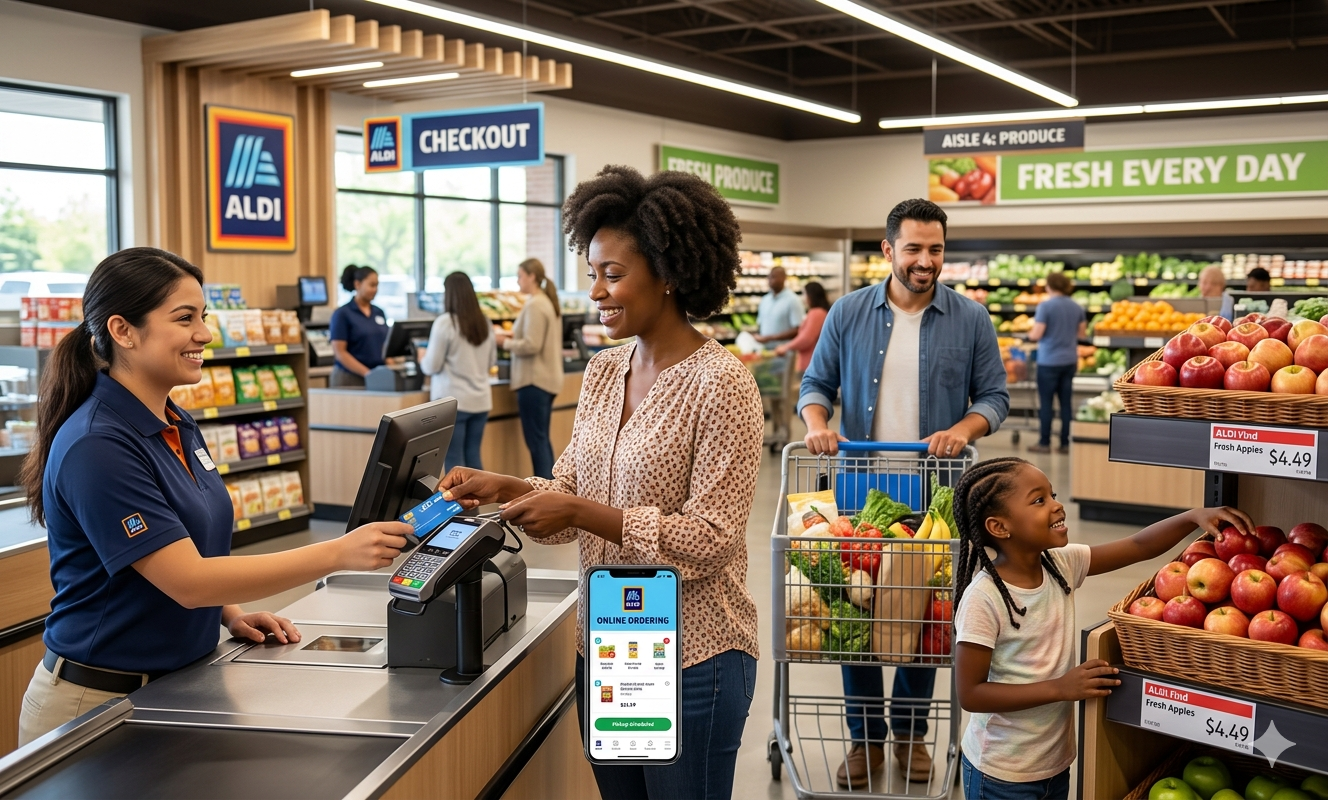
Once accepted into the program, participants receive an electronic benefit transfer (EBT) card, which can be used at authorized retail locations to purchase eligible food items. These items typically include fruits, vegetables, meat, dairy products, and grains. SNAP benefits cannot be used to buy non-food items, alcoholic beverages, or prepared meals. By providing financial assistance for groceries, SNAP plays a crucial role in helping families and individuals stretch their budgets, improve their nutritional values, and ultimately lead healthier lives.
In summary, SNAP benefits serve as a critical resource for those facing economic challenges, allowing them access to food while promoting better health and well-being within communities in Georgia and across the United States.
Eligibility Requirements for SNAP in Georgia
The Supplemental Nutrition Assistance Program (SNAP) provides essential food assistance to low-income individuals and families in Georgia. To qualify for SNAP benefits, applicants must meet specific eligibility criteria, which primarily include income limits, household size, and certain exceptions related to specific demographics.
First and foremost, income is a critical factor in determining eligibility for SNAP. Generally, applicants must have a gross monthly income that does not exceed 130% of the federal poverty level. For example, for the fiscal year 2023, this equates to about $1,473 for an individual and $2,479 for a family of three. Additionally, net income, which takes into account allowable deductions such as housing costs and child care, must meet further thresholds, which is typically set at 100% of the federal poverty level.
Household size also plays an integral role in the qualification process. A household consists of individuals who live together and share meals. A larger household may be eligible for a higher income threshold, thereby increasing the potential for SNAP benefits. For instance, the income limits for a household of four, comprising two parents and two children, substantially differ from those for a single individual.
Moreover, there are special considerations for certain populations. For instance, individuals who are elderly (aged 60 or older), disabled, or receiving Temporary Assistance for Needy Families (TANF) may be exempt from some work requirements. Additionally, students, foster children, and those experiencing homelessness may have unique guidelines that allow for greater accessibility to benefits.
In conclusion, understanding the eligibility requirements for SNAP in Georgia is vital for potential applicants. These stipulations, including income caps and household size, ensure that assistance is directed towards those most in need, thereby fostering better nutritional health across the state.
How to Apply for SNAP Benefits in Georgia
Applying for Supplemental Nutrition Assistance Program (SNAP) benefits in Georgia requires careful preparation and attention to detail. The application process can be completed through various methods: online, in-person, or by mail. Each method has its specific steps, but all require similar documentation.
To apply online, individuals should visit the Georgia Gateway website, which serves as a one-stop portal for various assistance programs, including SNAP. Users will need to create an account to access the application. During this process, ensure that all personal information, such as income, household size, and expenses, is accurately reported. Clear and concise entries can facilitate a smoother application review.
For those who prefer to apply in-person, visits can be made to the local Department of Family and Children Services (DFCS) office. It is advisable to call ahead to confirm office hours and whether an appointment is needed. When applying in-person, bringing all necessary documentation can expedite the process and reduce the likelihood of delays or follow-up requests.
Alternatively, applications can be submitted by mail. Individuals need to print the SNAP application from the Georgia Gateway website, fill it out completely, and send it to the appropriate DFCS office. Ensure that all documents are included and photographs of proof of income, residency, and identification are clear to avoid complications.
Regardless of the application method, applicants must provide personal identification, proof of income, residency documentation, and any other information requested. A well-organized application with all necessary documents significantly increases the chances of a successful outcome. Therefore, applicants are encouraged to double-check their forms for completeness and clarity before submission.
By following these steps diligently, Georgia residents can navigate the SNAP application process efficiently and access the assistance they need.
Where to Get Help and Support
Accessing the Supplemental Nutrition Assistance Program (SNAP) can be a complex process for many individuals and families. Fortunately, there are numerous resources available in Georgia that can provide assistance with both the application process and overall food support. Whether you are seeking guidance on how to apply or are in need of food resources, the following organizations can be invaluable.
The Georgia Division of Family and Children Services (DFCS) is the primary state agency responsible for administering SNAP benefits. Their website provides a wealth of information regarding eligibility requirements, application procedures, and status checks. Additionally, local DFCS offices can assist applicants in person, ensuring they have the necessary documentation and understanding of the process.
Food banks in Georgia, such as the Atlanta Community Food Bank and Second Harvest of North Georgia, serve as crucial links for those in need. These organizations distribute food to local pantries and meal programs and can often help individuals navigate the SNAP application process. They also provide additional services such as nutrition education and cooking classes.
Community organizations, such as the United Way of Greater Atlanta and local churches, frequently offer support to those looking to access SNAP benefits. These organizations can help connect individuals to food resources, assist with applications, or simply provide guidance on available services in their areas.
Furthermore, non-profit groups like the Georgia Alliance to End Homelessness and the Center for Children and Young Adults often provide specialized support for specific populations, including low-income families and individuals experiencing homelessness. These organizations are adept at helping individuals obtain the assistance they need, ensuring that they can access vital resources to improve their food security.
What Happens After You Submit Your SNAP Application
Once you have submitted your SNAP (Supplemental Nutrition Assistance Program) application in Georgia, there are several steps involved in the processing of your request. First and foremost, the Georgia Division of Family and Children Services (DFCS) will review your application. This process typically begins within 30 days of the date the application is received, though some cases may be expedited based on specific criteria.
During this review period, caseworkers may reach out to you for additional information or clarification regarding your submitted details. It is crucial to respond promptly to any requests for more information to avoid delays in processing your application. If additional documentation is required, it can also contribute to extending the timeline, so be prepared to provide any necessary paperwork, such as proof of income, residency, and expenses.
After the review is complete, you will receive a notification regarding your approval status. If your application is approved, you will be informed of the amount of benefits you are eligible to receive and the date when your benefits will begin. Typically, SNAP benefits are issued monthly, and in Georgia, they are deposited onto an Electronic Benefits Transfer (EBT) card, which functions similarly to a debit card.
If your application is denied, you will receive an explanation detailing the reasons for the denial, along with information on how to appeal the decision if you believe that it was made in error. The notification process can be conducted via mail or electronically, dependent on how the application was submitted.
Overall, being informed about this post-application process can help applicants manage their expectations while waiting for their benefits. Understanding the timeline, required responses, and potential outcomes is key to a smoother application experience.
Using Your SNAP Benefits: Guidelines and Restrictions
The Supplemental Nutrition Assistance Program (SNAP) is designed to assist individuals and families in purchasing food at authorized retail outlets. In Georgia, the proper use of SNAP benefits is guided by a specific set of rules that delineate what can and cannot be purchased using these funds.
Eligible food items that can be purchased with SNAP benefits include a variety of groceries. This encompasses fruits and vegetables, meat, poultry, fish, dairy products, breads, cereals, seeds, and non-alcoholic beverages. These items are essential for maintaining a balanced diet and are intended to feed eligible families in need. Individuals utilizing SNAP funds must ensure that their purchases align with these guidelines, focusing on items that contribute to overall nutritional well-being.
However, there are notable restrictions regarding the use of SNAP benefits. For instance, hot prepared food items, which are foods that are meant to be consumed immediately, cannot be purchased with SNAP. This restriction includes meals from restaurants or any vendor that serves food ready to eat. Furthermore, non-food items such as soap, paper products, and household supplies are excluded from SNAP benefits. Incentives to buy food items that promote better eating habits, such as specialty health foods or vitamins, also do not qualify under SNAP. It is crucial for recipients to be aware of these prohibitions to avoid any misuse of their benefits.
The aim of these guidelines is to ensure that SNAP benefits are used solely for the purchase of eligible food items necessary for survival and nutrition. Understanding these rules not only aids in compliance but also assists families in maximizing the utility of the benefits they receive. Ensuring that SNAP funds are allocated wisely will have a meaningful impact on the health and wellness of those they support.
Renewing and Maintaining Your SNAP Benefits
Maintaining eligibility for the Supplemental Nutrition Assistance Program (SNAP) benefits is essential for many individuals and families relying on this assistance in Georgia. The renewal process ensures that recipients continue to receive food assistance without interruption. Generally, SNAP benefits must be renewed every 12 months. The Georgia Division of Family and Children Services (DFCS) notifies participants of their upcoming renewal dates, and it is crucial to pay attention to these notifications to avoid a lapse in benefits.
To renew SNAP benefits, applicants need to complete a renewal application and submit it to the DFCS office. This application can often be completed online or via paper forms, depending on individual preferences and access. In addition to the application, beneficiaries may be required to provide updated information related to their household composition, income changes, and expenses. Any changes in circumstances should be reported promptly, as they can affect overall eligibility. For instance, if a household experiences an increase in income or a change in family size, these modifications must be communicated to the DFCS to ensure compliance with program requirements.
Failing to renew SNAP benefits or report significant changes can lead to serious consequences. If a renewal application is not submitted on time, recipients may experience a delay or loss of benefits, which can adversely affect their ability to procure essential food items. Additionally, not reporting changes can result in overpayments or even disqualification from the program. Hence, maintaining open communication with the DFCS and adhering to renewal timelines is paramount for beneficiaries to ensure continuous access to SNAP benefits.
Common Challenges and Solutions for SNAP Applicants
Applying for Supplemental Nutrition Assistance Program (SNAP) benefits in Georgia can be a straightforward process for some, yet many applicants encounter significant challenges that may hinder their access to essential food assistance. Understanding these challenges, along with effective solutions, can greatly improve the experience for future applicants seeking SNAP support.
One of the most common issues faced by applicants is the rejection of their application. This could be due to various reasons, including incorrect information provided, failure to submit necessary documentation, or not meeting eligibility criteria. To overcome this hurdle, applicants should ensure that they thoroughly review their applications before submission. It is crucial to double-check personal information, income details, and household composition to avoid mistakes that can lead to denial.
Another substantial problem is the loss or interruption of benefits. This often occurs due to missed recertification deadlines or failure to report changes in household circumstances, such as changes in income or household size. To prevent the loss of benefits, recipients should keep a calendar of important dates related to their SNAP benefits, and proactively communicate any changes to the Department of Human Services (DHS) as soon as they occur.
Additionally, accessing food can be a challenge, especially for those living in rural or underserved areas of Georgia. Many recipients struggle with transportation and the availability of stores that accept SNAP benefits. In addressing this issue, individuals are encouraged to utilize online resources or mobile applications that provide information on local food retailers accepting SNAP. They may also consider reaching out to local food banks or community organizations that offer assistance in obtaining food.
By being proactive and aware of these common challenges, both potential applicants and current recipients can navigate the SNAP benefits process more effectively, ensuring they receive the support they need for food security.
Conclusion and Additional Resources
In conclusion, the Supplemental Nutrition Assistance Program (SNAP) in Georgia plays a crucial role in providing essential food assistance to low-income individuals and families. Throughout this guide, we have explored the eligibility requirements, application processes, and benefits associated with SNAP. It is imperative for eligible residents to understand the importance of this program, not only for their own well-being but also for the overall health of their communities.
The key takeaways include the verification of eligibility based on income and household size, the various ways to apply including online and in-person options, as well as the benefits that can significantly alleviate food insecurity. Being knowledgeable about recertification processes and maintaining compliance with SNAP regulations ensures that recipients continue to receive necessary support.
For individuals seeking additional assistance beyond SNAP, various resources are available. The Georgia Division of Family and Children Services (DFCS) is a valuable starting point for exploring other assistance programs, including Temporary Assistance for Needy Families (TANF) and Medicaid. Furthermore, local food banks and community organizations often provide supplementary food support and may assist with navigating the SNAP application process.
Readers interested in additional resources can visit the official USDA SNAP State Directory for links to specific state programs and benefits. The Georgia Government website also offers comprehensive information on available services and programs aimed at reducing food insecurity. By utilizing these resources, individuals can gain better access to the aid they require, ensuring that no one goes hungry in the state of Georgia.