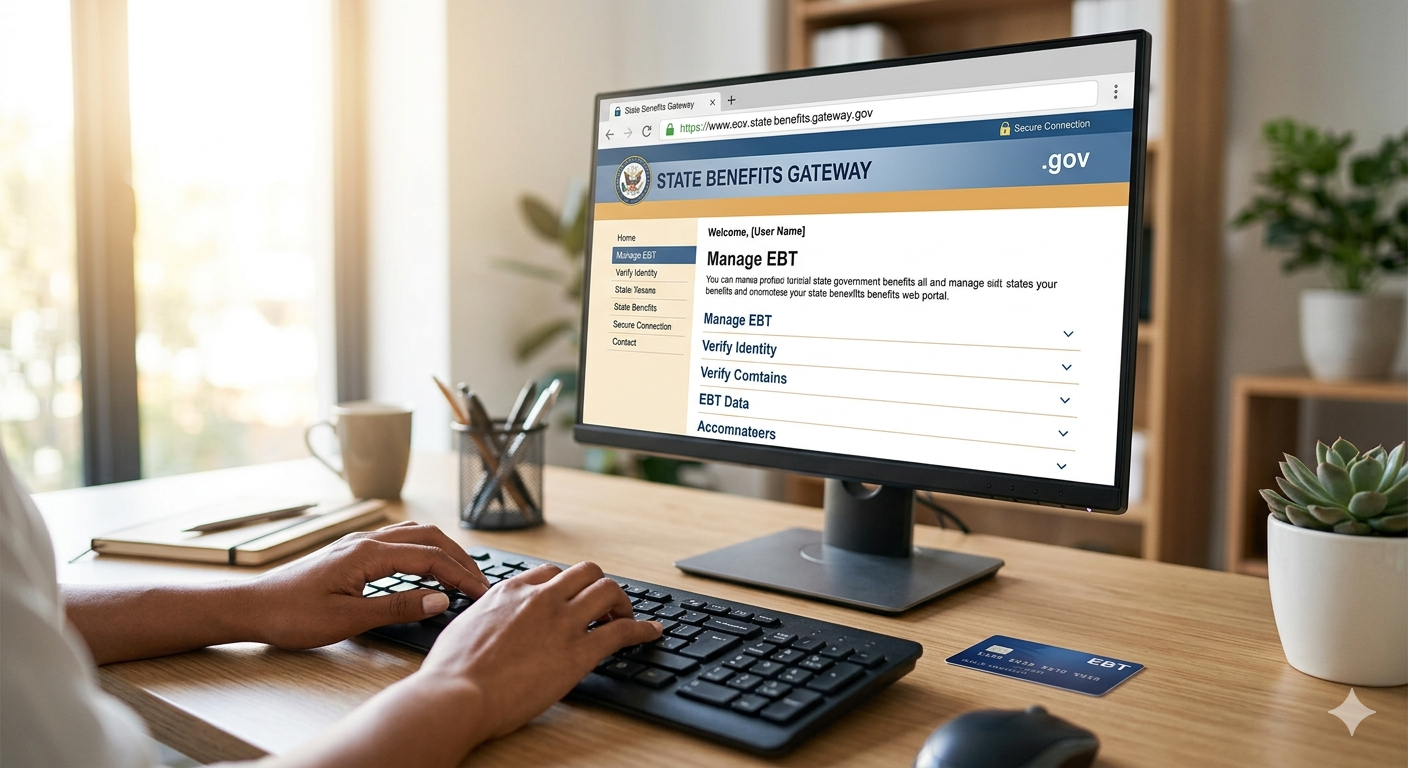
Electronic Benefits Transfer (EBT) is a system that allows state governments to distribute food stamp benefits and other assistance programs electronically. In North Carolina, EBT serves as the primary method of providing food security support to low-income families. This system ensures that beneficiaries can access their benefits conveniently and securely, offering a modern alternative to traditional paper-based assistance methods.
The primary purpose of food stamps, formally known as the Supplemental Nutrition Assistance Program (SNAP), is to alleviate hunger and promote nutritional health among financially challenged households. By targeting low-income families, the program aims to provide essential food resources, thus improving their overall well-being and fostering healthier communities. EBT benefits come in the form of an electronic card, which recipients can use at authorized retailers to purchase approved food items.
Eligibility for food stamps in North Carolina is determined by various factors, including household income, size, and expenses. Generally, households must meet a specific income threshold, which is adjusted based on the federal poverty guidelines. Additionally, applicants must be U.S. citizens or lawful residents, and they must demonstrate a need for assistance. This assessment process ensures that support reaches the families that require it most, thereby enhancing food security for vulnerable populations.
The assistance provided through food stamps can significantly alleviate the financial burden faced by low-income families. This support enables recipients to access nutritious food options, which are crucial for maintaining health and wellness. Ultimately, understanding the role of EBT and food stamps in North Carolina is essential for those seeking to navigate the application process and secure the benefits available to them.
Eligibility Requirements for Food Stamps in North Carolina
To qualify for food stamps in North Carolina, applicants must satisfy several eligibility criteria which encompass various aspects of their personal and financial circumstances. One of the primary considerations is income limits, which are determined based on the federal poverty level (FPL). For instance, household income must generally not exceed 130% of the FPL to be eligible for assistance. This cap is adjusted annually and varies according to the size of the household.
In addition to income, the size of the household plays a significant role in determining eligibility. The more individuals living together, the higher the allowable income threshold. Households must accurately report the number of members residing in the home, as this directly influences the benefits they can receive. It is crucial for applicants to consider all members that contribute to or share in the household’s resources.
Another vital factor is citizenship status. To qualify for food stamps in North Carolina, applicants must be U.S. citizens or qualified non-citizens (such as lawful permanent residents). Documentation may be required to verify citizenship or immigration status, ensuring that all applicants meet the necessary legal requirements.
Moreover, the state may consider various deductions that can affect eligibility. For example, allowable medical expenses for elderly or disabled members of the household can be deducted, leading to an adjusted income assessment. Additionally, those applying must be compliant with any work registration, as failing to adhere to employment requirements may affect eligibility.
Overall, understanding the eligibility requirements for food stamps in North Carolina is essential for potential applicants. By carefully reviewing these criteria, individuals can better assess their qualifying status and proceed with their EBT application process effectively.
Gathering Required Documents
When applying for food stamps in North Carolina, it is essential to gather all necessary documentation to ensure a smooth application process. The specific documents required may vary depending on individual circumstances, but generally, applicants will need to provide several key items.
The first essential document is proof of identity. Acceptable forms of identification include a driver’s license, state-issued ID card, or passport. These documents verify the applicant’s identity and confirm they are eligible to receive assistance. Ensure that the identification is current and reflects accurate personal information.
Next, applicants will need proof of residency. This can be confirmed through utility bills, bank statements, or lease agreements that clearly display the name and address of the applicant. This documentation is vital as it establishes that the applicant resides in North Carolina, which is a requirement for receiving food stamp benefits in the state.
Another critical component of the application is proof of income. Applicants must provide recent pay stubs, tax returns, or any relevant financial documents that showcase their household income. This information determines the level of benefits a household is eligible to receive based on their financial situation.
Additionally, if applicable, include documentation of any household expenses, such as childcare costs or medical expenses, as these may also affect benefit eligibility. Any other relevant information, such as details regarding any disabilities or special circumstances, may be required to support the application.
By ensuring that all necessary documents are collected and organized prior to applying, potential applicants can streamline the process and increase the likelihood of a successful application for food stamps in North Carolina.
How to Apply for Food Stamps in North Carolina
Applying for food stamps, also known as the Supplemental Nutrition Assistance Program (SNAP), in North Carolina can be a straightforward process if you are informed about the steps involved. Individuals and families seeking assistance can apply using one of three methods: online through the North Carolina Department of Health and Human Services (NCDHHS) website, by phone, or in-person at local Department of Social Services (DSS) offices.
To begin the application process online, applicants should visit the NCDHHS website and navigate to the section for food assistance. Here, users must create an account or log in, complete the online application form, and submit any required documentation. It is advisable to have personal information readily available, including Social Security numbers and income verification, to expedite the process.
In addition to the online application, individuals may also apply by phone. To do so, applicants can contact the NC Food Assistance Hotline at 1-866-719-0141. Trained representatives will guide individuals through the application process and help them understand what information needs to be provided. This option may be more convenient for those who prefer to discuss their application verbally rather than filling out forms.
For those who prefer face-to-face interactions, local DSS offices are available throughout North Carolina where applicants can submit paper applications. It is recommended that individuals locate their nearest office and either call ahead or visit the office during business hours. Staff members are available to assist in filling out the application form and can provide information on supporting documents that may be necessary.
Regardless of the application method chosen, assistance is always available at any stage of the process, ensuring that applicants have the support they need throughout their food stamp application experience.
What to Expect After Application Submission
Once you have submitted your application for food stamps in North Carolina, it is important to understand the subsequent steps in the evaluation process. Initially, the North Carolina Division of Social Services (NCDSS) will review your application to ensure that all required information is provided. Incomplete applications may cause delays, so it is advisable to double-check that all necessary documentation has been included.
Typically, applicants can expect to receive a determination on their eligibility within 30 days. However, in situations where expedited services are necessary—such as when the applicant is in immediate need—the processing time may be shortened to as little as five days. During this period, officials may contact you directly if they require additional information or clarification regarding any submitted details. Communication from the NCDSS may occur via mail, email, or phone, and it is crucial to respond promptly to any requests to avoid delays in your application.
After the determination is made, you will be notified of the outcome through a formal communication, indicating whether your application has been approved or denied. If approved, the notification will outline the benefits you are eligible to receive, as well as instructions on how to access your EBT card. In the event that your application is denied, you will be provided with the reasons for denial, along with guidance on how to appeal the decision if you believe it to be erroneous.
To ensure you remain informed about your food stamp application status, you can follow up with your local welfare office. It is advisable to keep your application reference number handy when making inquiries, as this will expedite the process of gathering updates about your application.
Understanding the Benefits: How Much Can You Receive?
Food stamp benefits, officially known as Supplemental Nutrition Assistance Program (SNAP) benefits, are designed to assist eligible low-income individuals and families in accessing nutritious food. In North Carolina, the amount of benefits an applicant may receive primarily depends on a variety of factors, such as household income, size, and allowable expenses related to housing and childcare.
The income threshold for eligibility varies based on the number of people in the household. Generally, households with income at or below 130% of the federal poverty level may qualify for benefits. Additionally, the calculation takes into account any deductions for certain expenses, thus potentially increasing the total benefit amount. These expenses can include housing costs, child care payments, and medical expenses for elderly or disabled members of the household.
It is important to note that not all expenses will qualify for deductions, which can create confusion among applicants. Many assume that the benefits will cover all food-related expenses, but in reality, the benefits are intended to supplement a household’s food budget rather than cover it entirely. Another common misconception is that all individuals receive the maximum possible benefits; however, the actual amount can vary significantly based on the aforementioned factors. For instance, a single-person household might receive a lesser benefit compared to a family of four, despite both being eligible under similar income conditions.
Ultimately, understanding how food stamp benefits are calculated can help applicants better plan for their nutritional needs while they navigate the program. Assessing one’s household composition and financial responsibilities may provide clarity on what to expect in terms of benefit amounts from North Carolina’s food assistance program.
Using Your EBT Card: Tips and Guidelines
The Electronic Benefits Transfer (EBT) card serves as a vital tool for individuals and families who are eligible for food stamp benefits in North Carolina. This card simplifies the process of accessing food assistance, empowering users to purchase essential food items at authorized retail locations. Understanding how to effectively utilize the EBT card is crucial for maximizing its benefits and ensuring a responsible approach to food purchasing.
When shopping with your EBT card, it is important to know where to shop for eligible items. Most grocery stores, supermarkets, and farmers’ markets in North Carolina accept EBT cards. It’s advisable to look for the sign indicating participation in the Supplemental Nutrition Assistance Program (SNAP) at these locations. Users can purchase a wide array of food products such as fruits, vegetables, dairy, meat, and bread. However, it is essential to note that non-food items, alcohol, and hot prepared foods are not eligible for purchase with EBT benefits.
To make the most of your benefits, consider creating a weekly meal plan. This approach enables you to purchase only the items needed, reducing food waste and optimizing usage of allocated benefits. Tracking your EBT card balance is equally crucial; many stores provide receipts that detail your remaining balance, and keeping a digital or physical record can help manage your expenditures effectively. Additionally, utilize mobile apps or online resources that allow you to check your balance at any moment.
Lastly, always safeguard your EBT card and report any loss or theft immediately. Ensuring that your benefits are used only by you helps to prevent misuse, allowing you to maintain financial stability while receiving assistance. Following these guidelines will support responsible management of your EBT benefits and ensure that you are making the most out of the support available to you.
In North Carolina, individuals who receive food stamp benefits are required to renew their applications periodically, ensuring that they remain eligible for assistance. The frequency of renewal for food stamp benefits, or Supplemental Nutrition Assistance Program (SNAP) benefits, typically occurs every 12 months. However, specific situations may alter this timeframe, hence it is crucial for recipients to stay informed concerning their renewal dates.
The renewal application process is similar to the initial application and will require participants to provide updated information about their household composition, income, and any other relevant details that may influence their benefits. Participants are notified in advance of their renewal date, allowing them to prepare the necessary documentation to avoid any interruption in their assistance.
Additionally, it is essential for food stamp recipients to report any changes in their circumstances promptly. Such changes may include alterations in income, household size, employment status, or any other factors that could affect eligibility or benefit amounts. Participants can report these changes through various methods, including online through the North Carolina Division of Social Services portal, by phone, or at their local Department of Social Services office.
Moreover, it is advisable for recipients to track significant life changes that could impact their food stamp benefits, as failing to report these updates might lead to potential overpayments or reductions in assistance. Keeping consistent and thorough communication with the administering agency can aid recipients in successfully managing their SNAP benefits while ensuring compliance with state regulations.
Resources and Assistance for Applicants
Applying for food stamps in North Carolina can be a complex process, but there are numerous resources available to assist applicants. Various local, state, and community organizations are dedicated to helping low-income families navigate the food stamp application process and access other essential support services.
The North Carolina Department of Health and Human Services (NCDHHS) provides a comprehensive guide for food assistance programs, including food stamps. Applicants can visit their official website to find detailed information, guidelines, and eligibility criteria for the Supplemental Nutrition Assistance Program (SNAP). Additionally, users can locate their local department of social services through the NCDHHS website, where they can seek further assistance and submit their applications in person or online.
For individuals who prefer face-to-face assistance, local community organizations are also excellent resources for support. Organizations such as food banks and nonprofit agencies often have dedicated staff who can guide applicants through the process, help gather necessary documents, and provide information on additional resources for groceries and essential services. Clients may contact these agencies directly or visit websites like Feeding America or Food Bank of Central & Eastern North Carolina to find nearby assistance programs.
Moreover, those in need can call the North Carolina SNAP hotline at 1-877-652-1850 for immediate help related to food stamp inquiries. The hotline is available for questions and support related to applications, benefits, and eligibility. Scheduling an appointment with a certified benefits counselor can also be advantageous for applicants needing personalized assistance or who have specific circumstances that may affect their eligibility.
In conclusion, applicants seeking food stamps in North Carolina have access to numerous resources and assistance programs designed to guide them through the application process and provide essential support for their households. Utilizing these tools can facilitate a smoother application experience and lead to enhanced food security for those in need.