The Supplemental Nutrition Assistance Program (SNAP), formerly known as food stamps, is a vital federal assistance initiative designed to alleviate food insecurity among low-income populations across the United States, including Idaho. The program’s primary purpose is to provide essential food benefits to eligible residents, ensuring that they can procure nutritious food for themselves and their families. In Idaho, SNAP serves as a crucial resource for households struggling to meet their basic dietary needs.
SNAP functions primarily by offering electronic benefit transfer (EBT) cards to eligible participants, which can be used to purchase food items at authorized retailers. This mechanism eliminates the stigma associated with traditional food assistance and allows recipients the flexibility to choose from a diverse range of food products. The eligibility criteria for SNAP are designed to target low-income families, women, children, and the elderly, providing them with the necessary support to enhance their nutritional status.
The program’s overarching goals include reducing hunger and promoting healthy eating habits among participants. To achieve these aims, SNAP not only provides financial assistance for food purchases but also emphasizes education on nutrition and healthy cooking practices. Through various initiatives, the program seeks to empower individuals and families, ultimately contributing to improved public health outcomes in Idaho.
In light of recent policy changes, understanding the specific guidelines of SNAP in Idaho, including the new restrictions on candy and soda purchases, is essential for current and potential beneficiaries. An informed approach ensures that families can maximize their benefits while adhering to the program’s regulations designed to promote better dietary choices.
Eligibility Requirements for SNAP Benefits
The Supplemental Nutrition Assistance Program (SNAP), commonly referred to as food stamps, provides essential assistance to low-income individuals and families in Idaho. To qualify for these benefits, applicants must meet several criteria, which include income limits, residency requirements, and other specific conditions designed to ensure that support is directed to those in need.
First and foremost, income is a critical factor in determining eligibility for SNAP benefits. The program employs a specific income limit based on the size of the household. As of the latest updates, income eligibility is evaluated using the Federal Poverty Guidelines. Households must typically have a gross monthly income at or below 130% of the federal poverty level, but it can vary slightly depending on household makeup. For example, a family of four must have a gross monthly income that does not exceed a certain threshold to qualify.
In addition to income limits, residency is another essential component of eligibility. Applicants must be legal residents of Idaho and provide proof of their living situation. This typically involves documentation that confirms their residency, such as a lease agreement, utility bill, or any government-issued ID that displays their current address.
Furthermore, certain non-financial criteria also play a significant role in eligibility. Individuals and families applying for SNAP benefits must be U.S. citizens or eligible non-citizens and must meet work requirements where applicable. This primarily includes able-bodied adults without dependents who are expected to engage in work-related activities to receive benefits consistently.
By understanding these eligibility requirements, applicants can better navigate the application process for SNAP benefits in Idaho and ensure they meet the necessary criteria to obtain the required assistance.
How to Apply for SNAP Benefits
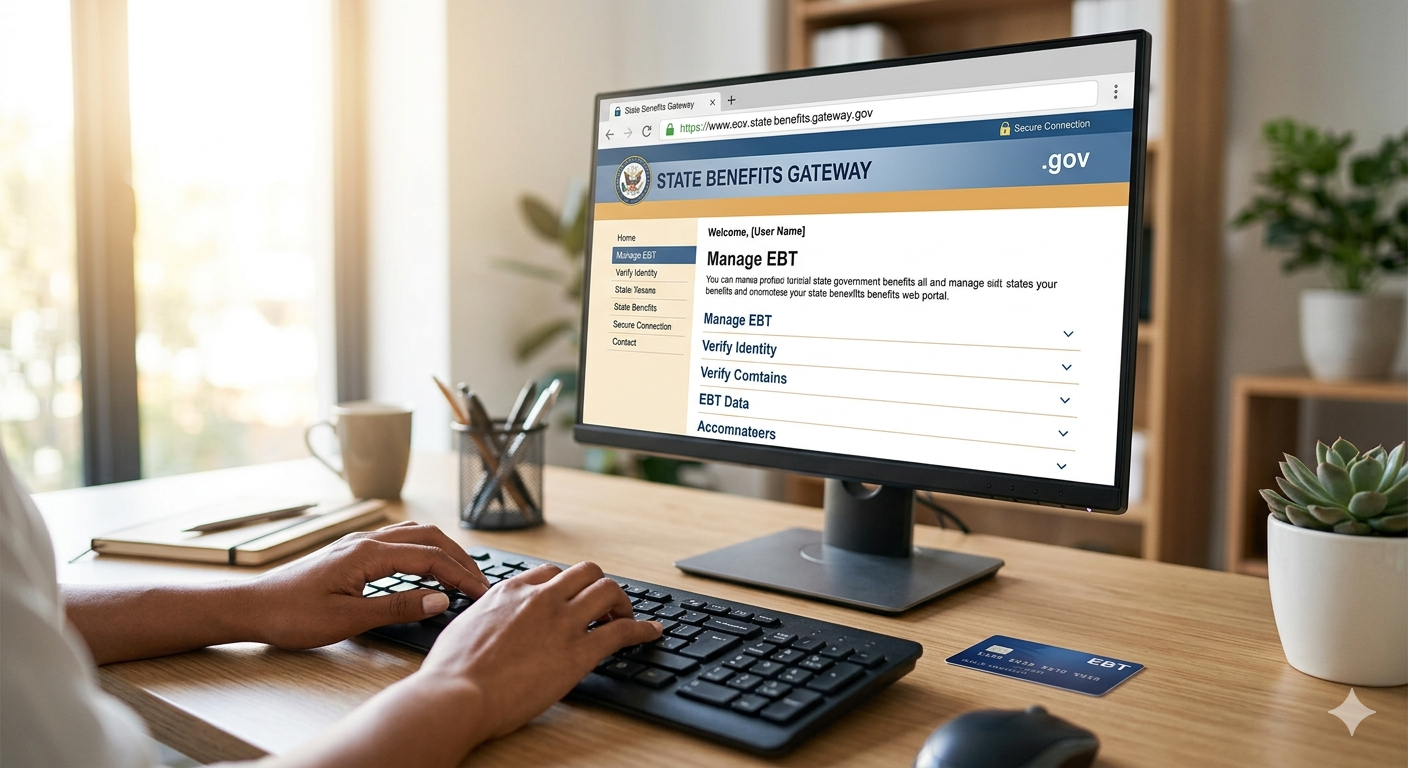
Applying for SNAP benefits in Idaho is a straightforward process, designed to assist eligible individuals and families in accessing nutritional support. The application can be initiated online via the Idaho Benefits Self-Service Portal, which streamlines the submission process while enhancing accessibility.
To start your application, you need to create an account on the Idaho Benefits Self-Service Portal. Once registered, you can fill in your personal information, including details about household members, income, and expenses. Attention to detail is crucial during this step, as inaccuracies can lead to delays or denial of benefits. It is advisable to provide all necessary information upfront to avoid any back-and-forth communication with the Department of Health and Welfare.
Besides basic identification data, applicants must prepare several documents to support their application. Key documents include proof of income, such as pay stubs or tax returns, and verification of expenses, like housing and utility bills. Additionally, identification proof for all household members may be required, which could range from Social Security cards to birth certificates. Having these documents readily available can expedite the application process.
For those who prefer in-person applications or require assistance, local offices provide additional resources and support. Individuals can reach out to their nearest Department of Health and Welfare office for guidance or complete their application via phone. Furthermore, seeking help from non-profit organizations that specialize in food security can offer additional aid in navigating the SNAP application process.
In conclusion, understanding the application process for SNAP benefits in Idaho is essential for ensuring that individuals and families receive the assistance they need. By following these steps and providing the required documentation, applicants can enhance their chances of a successful application.
Understanding SNAP Benefits and EBT Cards
The Supplemental Nutrition Assistance Program (SNAP), commonly referred to as food stamps, provides essential support to eligible individuals and families, ensuring access to nutritious food. Benefits are calculated based on several factors, including household size, income, and expenses. The aim is to adjust the benefit amount to meet the varying needs of each household while maintaining a basic standard of living.
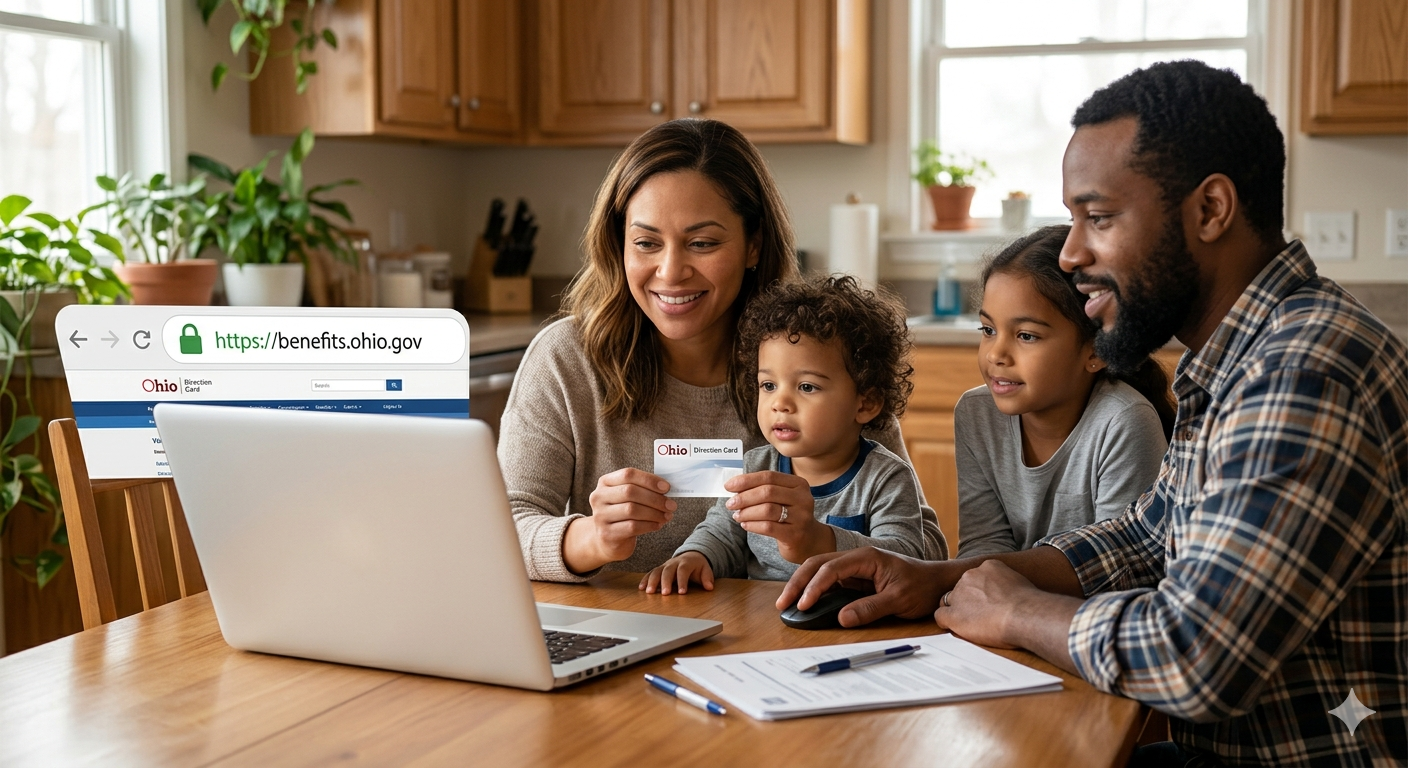
In Idaho, beneficiaries receive their SNAP benefits through an Electronic Benefits Transfer (EBT) card, known as the Quest card. This card functions similarly to a debit card and allows users to purchase eligible food items from approved retailers. Each month, the calculated SNAP benefits are loaded directly onto the Quest card, making it easily accessible for those in need.
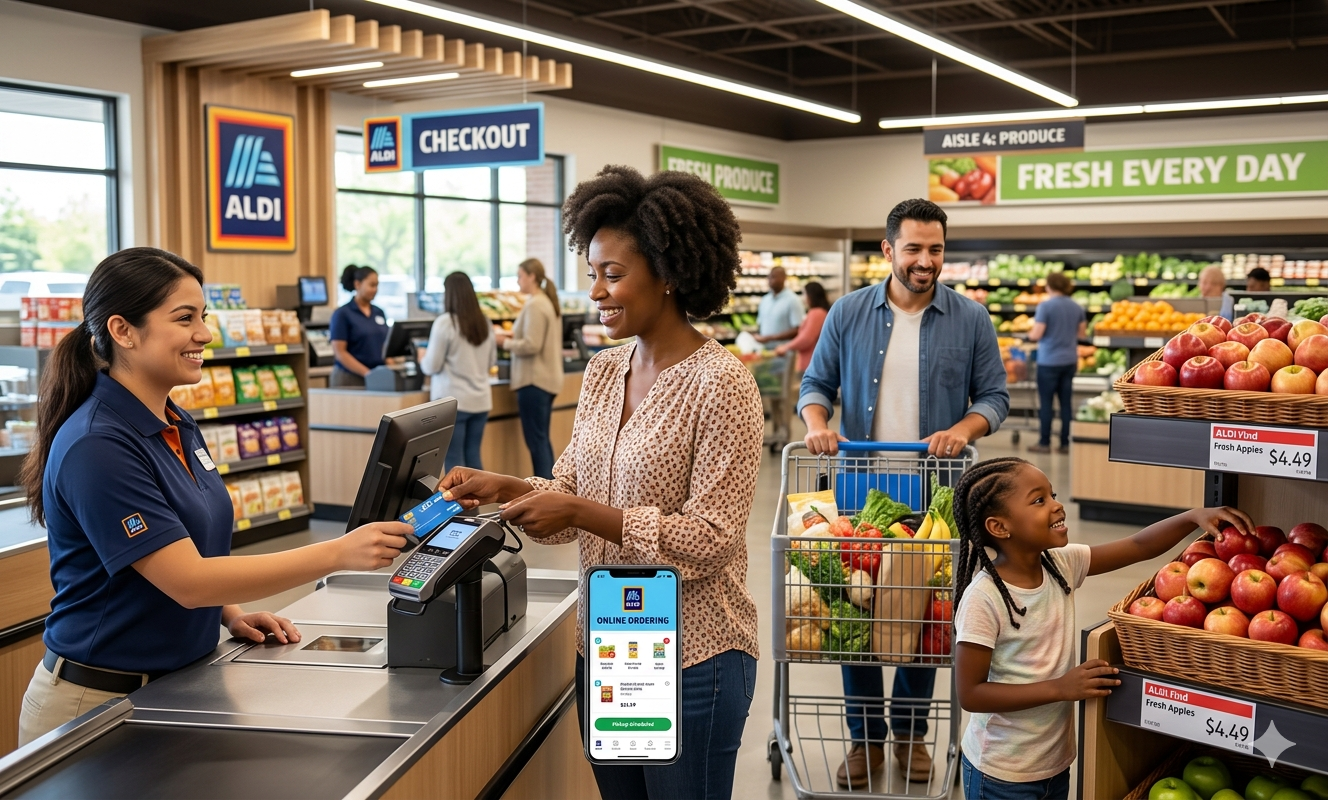
To use the EBT card, individuals can simply swipe it at the point of sale in grocery stores or markets that accept SNAP payments. It is essential to keep track of funds available on the card, as SNAP benefits do not roll over indefinitely. In many cases, benefits are only valid for the month they are issued, thereby encouraging timely grocery shopping.
In addition to traditional in-store purchases, individuals can also use their EBT cards for online food shopping at specific retailers who have partnered with SNAP. This flexibility in payment methods greatly enhances the convenience for beneficiaries, allowing them to shop for food items from the comfort of their homes. However, it is crucial to verify if the selected online retailer accepts EBT payment before attempting to make a purchase.
New Candy and Soda Restrictions: What You Need to Know
As part of a broader initiative to promote healthier eating habits among participants, new candy and soda restrictions under the Supplemental Nutrition Assistance Program (SNAP) in Idaho took effect in February 2026. These restrictions specifically limit the purchase of candy and sugary drinks with SNAP benefits, marking a significant shift in how eligible individuals can use their food assistance.
The rationale for these restrictions stems from growing concerns over the rising rates of obesity, diabetes, and other diet-related health issues nationally. Research has indicated that excessive consumption of sugar-laden beverages and candy contributes to these health problems, particularly in low-income communities where access to nutritious foods may already be limited. By restricting these items, the SNAP program aims to encourage healthier choices and improve overall public health outcomes.
Under the new guidelines, candy and soda are classified as non-essential items and are no longer eligible for purchase with SNAP benefits. This includes all forms of sugary drinks, such as those containing added sugars, artificial sweeteners, and high-fructose corn syrup, as well as various types of candy, including chocolate bars, gummy candies, and hard candies. However, exceptions may apply in circumstances where certain products meet nutritional standards established by the program.
Importantly, SNAP beneficiaries are encouraged to make more nutritious food selections and explore available resources that support healthy eating. This includes utilizing state-supported nutrition education programs and local resources that provide information on meal planning and cooking with whole foods, fresh fruits, and vegetables. As SNAP evolves with updated policies, ongoing education will be essential for participants to adapt to these changes and maintain their eligibility effectively.
Resources for SNAP Recipients in Idaho
SNAP (Supplemental Nutrition Assistance Program) recipients in Idaho have access to a variety of resources that can assist them in managing their benefits and improving their overall well-being. Understanding these available resources is vital to navigating the challenges that some families face in obtaining nutritionally adequate food.
Local food banks play a crucial role in providing assistance to those in need. In Idaho, numerous organizations operate food pantries and distribution centers, offering free groceries, meals, and emergency food supplies. Recipients can locate food banks through community directories or websites, which often include hours of operation and need-based eligibility criteria.
Nutritional counseling is another beneficial service available to SNAP recipients. Various health organizations and non-profits in Idaho offer workshops and consultations to help families make healthier food choices, plan meals on a budget, and understand how to maximize the nutritional value of their SNAP benefits. These programs are designed to empower recipients with the knowledge and tools necessary for healthier eating.
Additionally, the Idaho CareLine is an important resource. This free, confidential, and statewide information service connects individuals to vital health and human services, including SNAP support. The CareLine is accessible by calling an easy-to-remember phone number where trained staff can assist with inquiries, such as locating nearby food resources, applying for additional support programs, or providing information about eligibility requirements.
Moreover, various community partners collaborate with the Idaho State Department of Health and Welfare to enhance outreach programs that increase awareness of SNAP and the resources available. Through these cooperative efforts, recipients can receive comprehensive support aimed at food security and improving their nutrition.
Frequently Asked Questions About SNAP in Idaho
The Supplemental Nutrition Assistance Program (SNAP), commonly known as food stamps, plays a crucial role in assisting eligible individuals and families in Idaho to access affordable and nutritious food. However, it is not uncommon for participants to have numerous questions regarding the program. Here, we address some frequent inquiries to enable a clearer understanding of how to effectively engage with SNAP in Idaho.
Firstly, many individuals wonder how they can report changes in their circumstances. It is essential to keep your local Department of Health and Welfare informed about any significant changes such as shifts in income, household composition, or employment status. Reporting these changes can usually be done online, via phone, or in person, depending on your preferred method of communication. This ensures that your benefits remain aligned with your current situation.
Another prevalent question pertains to the renewal of benefits. SNAP benefits are typically provided for a period, after which they need to be renewed. Recipients should receive notifications regarding their renewal date. It is vital to complete the renewal process promptly to avoid any lapse in benefits. This can involve filling out a renewal application, providing necessary documentation, and potentially attending an interview.
Additionally, SNAP participants may encounter issues regarding their application status, leading to denials of benefits. In such cases, it is crucial to understand that you have the right to appeal any denial. The appeals process involves submitting a written request for a fair hearing. Individuals should ensure that they collect relevant documents and evidence to support their case, making the appeal more robust.
Overall, understanding how to navigate these facets of the SNAP program in Idaho can significantly enhance the experience for beneficiaries, ensuring they receive the support they need amidst varying life circumstances.
Beneficiaries of the SNAP program can adopt several effective strategies to maximize their benefits. Firstly, careful budgeting plays a critical role in ensuring that funds are allocated wisely. Establishing a monthly budget can help recipients identify their spending patterns. By tracking expenses, beneficiaries can determine essential needs versus luxury purchases, thereby deciding on priorities. Utilizing budgeting tools or apps can simplify this process, allowing for a clearer overview of available resources.
Meal planning is another essential strategy that can significantly enhance the use of SNAP benefits. By planning meals for the week ahead, recipients can take advantage of bulk purchasing and can tailor their food purchases to align with the benefits received. This approach minimizes food waste and helps in crafting nutritious meals that keep within financial limitations. Simple recipes that make use of staple items can help maximize nutritional value while adhering to budgetary constraints.
Furthermore, it is beneficial to stay informed about sales and discounts offered by local grocery stores. Many retailers provide special promotions, loyalty programs, or discounts on fresh produce, dairy, and other staple items that can further stretch SNAP benefits. Signing up for newsletters or loyalty programs from supermarket chains may provide beneficiaries with advance notice of sales. Engaging in community events, such as farmer’s markets that accept SNAP benefits, can also yield fresh produce at lower costs, contributing to healthier meal options.
Additionally, collaborating with local food banks and pantries can complement SNAP benefits. Many of these organizations understand the complexities faced by low-income families and offer supplemental food resources to assist in mitigating financial pressure. Overall, the key to stretching SNAP resources effectively lies in strategic planning and resourcefulness.
Conclusion and Future Changes to SNAP in Idaho
The Supplemental Nutrition Assistance Program (SNAP) plays a vital role in supporting low-income individuals and families in Idaho, ensuring they have access to nutritious food. With the recent implementation of restrictions on candy and soda purchases, the program has seen shifts aimed at promoting healthier dietary choices. These changes reflect an evolving understanding of nutrition and the importance of fostering a healthier population.
As policymakers continue to assess the landscape of nutrition assistance, future changes to SNAP in Idaho may include further adjustments to eligible food items, as well as potential expansions of benefits to address food insecurity more comprehensively. Stakeholders are consistently evaluating the impact of current regulations, weighing the benefits of flexible food choices for SNAP recipients against the public health objectives of reducing consumption of sugary and processed foods.
Moreover, there is ongoing discourse regarding the adequacy of benefits provided under the SNAP program, especially in light of rising food prices. Advocates argue for increasing the monthly benefit allowances, while ensuring that the program remains accessible to those who need it most. It is important for beneficiaries and prospective applicants to stay informed about potential changes that can affect their eligibility and benefit amounts.
In conclusion, the SNAP program serves as a crucial lifeline for many in Idaho, facilitating food access while simultaneously fostering healthy eating habits. As we look towards the future, adapting the program in response to nutritional guidelines, economic factors, and community needs will be essential in sustaining the program’s effectiveness and relevance to Idaho residents.