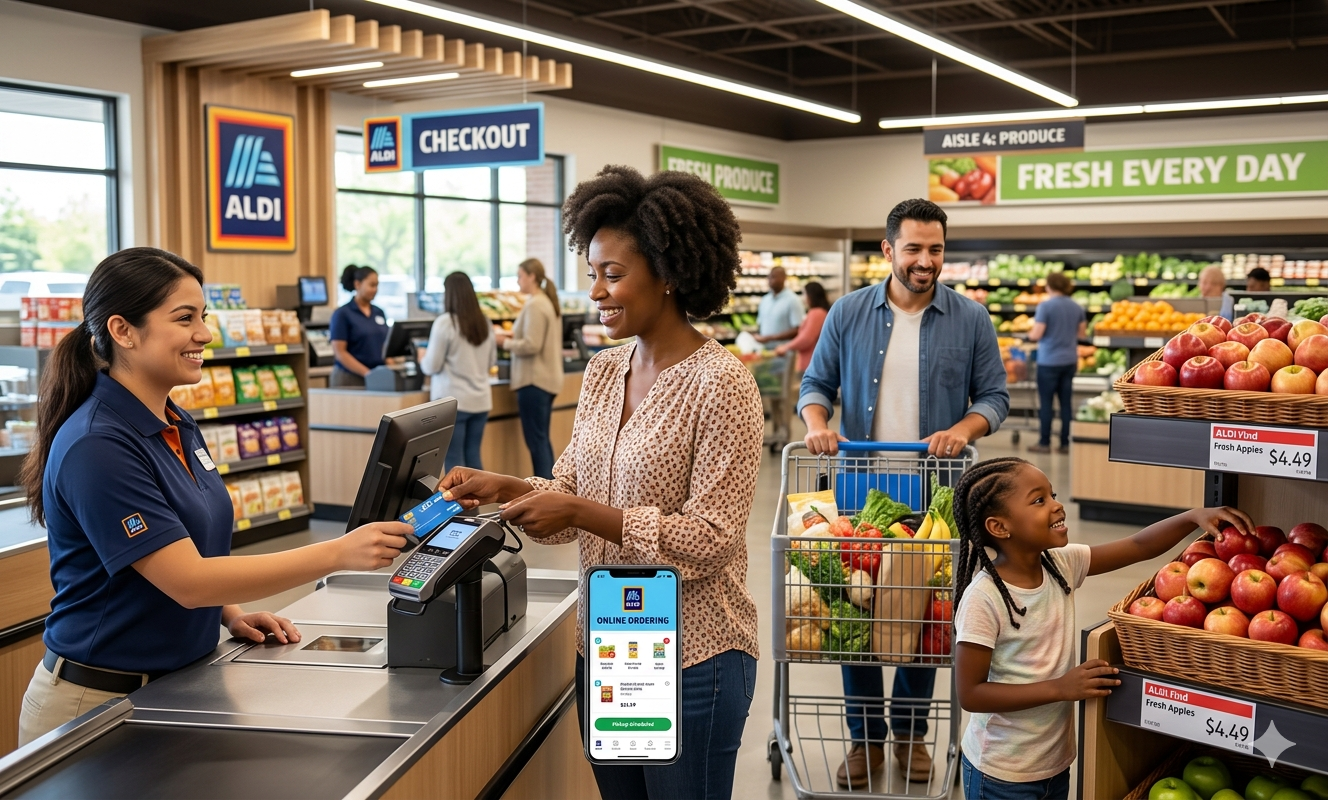
The Supplemental Nutrition Assistance Program (SNAP), widely recognized as food stamps, serves as a crucial federal assistance initiative aimed at combating food insecurity in the United States. Established to provide essential support to low-income households, SNAP plays a pivotal role in ensuring that struggling families can access nutritious food. By offering financial assistance through designated benefits that can be utilized at authorized retailers, SNAP seeks to foster a healthier population while alleviating hunger.
To be eligible for SNAP benefits, applicants must meet specific criteria, primarily focused on household income and composition. Generally, eligibility is determined by the gross and net income of the household, with limits varying based on the number of individuals residing within the household. Other factors, such as expenses for housing, childcare, and education, may also influence eligibility determinations. Additionally, applicants must be U.S. citizens or meet certain immigration requirements, which introduces complexities related to undocumented immigrants seeking assistance.
SNAP has become a vital resource for millions of Americans, illustrating its significance as a safety net during economic hardships. By facilitating access to food, SNAP not only helps reduce food insecurity among its beneficiaries but also stimulates local economies as recipients use their benefits at grocery stores and farmers’ markets. The program’s impact is particularly beneficial in times of economic downturn, ensuring that individuals and families do not face the dire consequences of hunger.
As the program evolves, it is essential to remain informed about the policies and regulations surrounding SNAP, particularly as they relate to eligibility and access for various demographics, including undocumented immigrants. Understanding these nuances is critical in addressing food insecurity effectively and promoting the well-being of all community members.
Understanding Immigration Status and SNAP Eligibility
The Supplemental Nutrition Assistance Program (SNAP), formerly known as food stamps, is a vital assistance initiative aimed at improving food security among low-income households in the United States. Eligibility for SNAP benefits is significantly influenced by the immigration status of the applicant. Legal immigrants, legally present individuals, and undocumented immigrants each face different regulations regarding their eligibility for access to these benefits.
Legal immigrants, including lawful permanent residents, refugees, and asylees, generally qualify for SNAP benefits after a specified waiting period, which can range from five years to eligibility for immediate access based on their status. This adherence to regulations ensures that those with legal immigration status can receive essential food assistance to support their families during challenging economic times.
On the other hand, undocumented immigrants, commonly referred to as illegal immigrants, are not eligible for SNAP benefits. This restriction stems from federal laws designed to regulate public assistance programs and prevent unauthorized access by individuals who lack legal residency. However, it is important to note that while undocumented immigrants cannot directly receive SNAP benefits, their U.S.-born children may qualify for the program as long as they meet the other eligibility criteria established by the SNAP regulations.
Other specific immigrant statuses, such as temporary visa holders or those with work permits, must also navigate unique pathways to determine their eligibility. Each category possesses particular restrictions and qualifications based on federal assistance guidelines, which can be complex and difficult to understand. Consequently, it is crucial for individuals seeking assistance to be well-informed about their immigration status and how it influences their access to SNAP benefits and other forms of government aid.
Current SNAP Rules for Legal Immigrants in 2026
As of 2026, the Supplemental Nutrition Assistance Program (SNAP) continues to impose specific guidelines regarding the eligibility of legal immigrants seeking support. Legal immigrants are categorized as those who possess valid immigration statuses, such as lawful permanent residents, refugees, and asylees. Understanding these rules is crucial for immigrants who may wish to access food assistance.
One of the principal requirements for legal immigrants is the duration of their residency within the United States. Most legal residents must have lived in the country for a minimum of five years to be eligible for SNAP benefits. Exceptions apply to certain categories, such as refugees or those granted asylum, who may qualify for SNAP assistance without this five-year waiting period. This provision aims to assist individuals and families who are in dire need of food support shortly after their arrival in the U.S.
Documentation is another essential aspect of SNAP eligibility for legal immigrants. Applicants must provide valid immigration documentation, proof of income, and household composition. It is imperative that immigrants submit accurate information, including their immigration status, as any discrepancies can lead to disqualification. States may also require applicants to verify their residency status through additional records or forms, increasing the importance of meticulousness during the application process.
Furthermore, while legal immigrants can access SNAP significantly sooner than illegal immigrants, they face additional restrictions and requirements that can vary between states. For example, some states may impose stricter guidelines on the documentation required, or they may have additional programs in place to support low-income immigrant families. Overall, legal immigrants interested in participating in SNAP must stay informed about state-specific regulations and ensure they meet the eligibility criteria established for 2026.
SNAP Benefits for Children of Illegal Immigrants
The eligibility of children of illegal immigrants for Supplemental Nutrition Assistance Program (SNAP) benefits is a nuanced issue, often revolving around the citizenship status of the children rather than that of the parents. In general, SNAP benefits are based on the financial need and demographic characteristics of the applicant, with special considerations given to children. For instance, U.S.-born children, regardless of their parents’ immigration status, may qualify for food assistance under SNAP.
Legal frameworks in the United States affirm that all children, particularly those born in the country, hold citizenship rights and thus have access to federal programs, including SNAP. This principle adheres to the 14th Amendment of the U.S. Constitution, which grants citizenship to anyone born on U.S. soil. Therefore, U.S.-born children of illegal immigrants can apply for SNAP assistance by submitting a household application that reflects the family’s total income and household composition.
However, it is critical to note that the eligibility parameters and regulations may vary slightly from state to state, as each state administers its own SNAP program adhering to federal guidelines. In some cases, states may impose specific requirements on the household income threshold, requiring families to provide verification of income. Additionally, the presence of an adult illegal immigrant in the household may raise questions about eligibility, particularly if the income is not adequately documented.
Furthermore, while undocumented parents may not qualify for SNAP benefits themselves, they often play a crucial role in supporting U.S.-born children who are eligible. By ensuring that children’s needs are met and addressing barriers such as stigma or misconceptions about eligibility, families can navigate the complex landscape of food assistance. Overall, it is essential for families to consult local SNAP offices to understand the specifics of their situation and to get detailed guidance on the application process for their children.
Potential Changes to SNAP and Immigration Policies by 2026
The landscape of SNAP (Supplemental Nutrition Assistance Program) and immigration policies continues to evolve, with potential changes anticipated by 2026 that could significantly impact the eligibility of illegal immigrants for food assistance. As the political climate in the United States fluctuates, so do the discussions surrounding immigration reform and its intersection with public benefit programs like SNAP.
Current political trends indicate a growing partisanship regarding immigration, which may influence future legislative measures. Efforts by certain lawmakers to tighten eligibility requirements for public assistance could extend to SNAP, potentially barring illegal immigrants from accessing these essential benefits. Legislative proposals have been put forward that suggest implementing stricter verification processes to ascertain immigration status prior to granting food assistance. If these measures are enacted, they may lead to a reduction in benefits available to those residing in the U.S. without legal authorization.
Moreover, the Biden administration’s approach towards immigration and social welfare has also created a complex environment for SNAP regulations. Given the commitment to address food insecurity, there is a possibility that some form of compromise could emerge, facilitating access to benefits for certain undocumented individuals under specific conditions. However, these prospective changes remain uncertain, largely dependent on upcoming elections and the resulting composition of Congress.
In addition to potential legislative changes, the outcomes of various legal challenges concerning immigration policies could further shape SNAP eligibility. As courts assess the legality of executive actions and state legislation, their rulings may have profound implications for how SNAP is administered, especially regarding undocumented immigrants. Consequently, stakeholders within the community must remain informed and engaged as we approach 2026, as the intersection of SNAP and immigration policies will continue to evolve.
State Variations in SNAP Rules Regarding Immigrants
Supplemental Nutrition Assistance Program (SNAP) regulations surrounding immigrants, particularly illegal immigrants, significantly vary across the United States. This disparity is largely due to differing state interpretations of federal SNAP policies, which can lead to divergent practices and eligibility rules for food assistance programs.
Some states, such as California and New York, have taken proactive measures to expand access to food assistance for undocumented immigrants. For example, California has implemented its own state-funded programs that provide food assistance to eligible, low-income immigrants regardless of their immigration status. This initiative underscores the state’s commitment to addressing food insecurity among all residents.
Conversely, states like Alabama and Georgia have adopted stricter regulations that limit food stamp access for illegal immigrants. In these regions, eligibility for SNAP benefits is strictly tied to immigration status, making it challenging for undocumented individuals and families to receive assistance. These contrasting approaches reveal how the commitment to assisting undocumented populations can differ widely based on local government priorities and resources.
Additionally, some states have implemented temporary programs or pilot initiatives aimed at assessing the impact of providing food assistance to undocumented immigrants. For instance, such pilot programs may be focused on specific communities or demographic groups, allowing administrations to evaluate the results and possibly develop long-term strategies to better serve low-income, immigrant households. This tactical flexibility indicates that while some states may have stringent rules, others are open to exploring ways to address potential hunger among vulnerable populations.
Overall, the variations in SNAP regulations regarding immigrants underscore the complexities surrounding food assistance and access issues faced by undocumented individuals across the country. The interplay between state policies and federal guidelines creates a diverse landscape for SNAP eligibility that reflects broader attitudes toward immigration and social welfare.
Resources for Immigrants Seeking Food Assistance
For immigrants in the United States, navigating access to food assistance can be daunting, particularly in the context of eligibility requirements and varying state laws. However, numerous resources are available to assist immigrants in obtaining the food aid they need. This section outlines key organizations and programs that provide food assistance and guidance specifically tailored to immigrant communities.
First and foremost, local food banks serve as vital lifelines for both documented and undocumented immigrants. Organizations such as Feeding America operate a large network of food pantries across the country, providing essential nutrition without immigration status discrimination. Many food banks offer multilingual services, ensuring that language barriers do not inhibit access to food assistance.
Additionally, non-profit organizations such as the Hunger Project and the Food Research and Action Center promote awareness of food insecurity issues affecting immigrant populations. These organizations not only provide food resources but also offer guidance on navigating the availability of aid. Their websites often feature comprehensive directories of local resources that immigrants can consult for food assistance.
Community organizations, including church groups and local immigrant advocacy organizations, often organize food drives and can provide direct access to food resources. These groups are instrumental in fostering a supportive environment for immigrants seeking food assistance, offering both food and advice on eligibility for available programs.
Furthermore, state-specific programs may also offer nutrition assistance tailored to immigrants. Immigrants are encouraged to check with state offices or local community centers to find out about potential benefits and how to apply for them. By utilizing these resources, immigrants can tap into an array of options designed to alleviate food insecurity.
The Broader Impact of Food Assistance on Communities
Food assistance programs such as the Supplemental Nutrition Assistance Program (SNAP) play a critical role in supporting communities, particularly those with significant immigrant populations. These programs not only provide essential nutrition to low-income households but also have substantial implications for local economies and community health. By ensuring access to food, SNAP helps alleviate food insecurity, a pressing issue faced by many families, regardless of their immigration status.
The economic benefits of SNAP are particularly evident in areas with high rates of immigration. As households receive food assistance, they are more likely to spend those benefits within their local communities. This spending boosts local businesses and stimulates the economy, leading to job creation and greater economic stability. Research suggests that every dollar spent on SNAP generates approximately $1.70 in economic activity, emphasizing its impact on community welfare.
Additionally, food assistance contributes to improved health outcomes in immigrant communities. Access to sufficient and nutritious food can reduce the prevalence of diet-related diseases, such as obesity and diabetes, which disproportionately affect marginalized populations. By improving dietary habits, SNAP facilitates a healthier population, which is less burdened by healthcare costs and more capable of contributing to society. Healthier individuals can pursue education and employment opportunities more effectively, thereby enhancing their ability to integrate into their communities.
Moreover, food assistance fosters social cohesion among diverse populations. Programs like SNAP can build a sense of community, as they encourage interaction among residents and underline the shared importance of well-being. By addressing the fundamental need for food security, SNAP helps forge connections among various cultural groups, fostering understanding and collaboration towards common goals. This interconnectedness is vital for creating resilient communities that thrive amidst diversity.
Conclusion and Key Takeaways
Understanding the complexities surrounding SNAP eligibility for illegal immigrants is critical, as immigration status plays a significant role in determining access to food assistance programs. The Supplemental Nutrition Assistance Program (SNAP) is designed to aid families in need, primarily citizens and lawful residents of the United States. As discussed, immigrants who do not fall under these categories often face significant barriers when seeking assistance through SNAP.
The eligibility criteria for SNAP highlights the stringent policies in place that aim to limit benefits to individuals with verified citizenship or legal residency. Some categories of immigrants, such as those with refugee or asylum status, may qualify for assistance shortly after their arrival; however, those without documentation typically remain ineligible. It is essential to note that these parameters can shift based on legislative changes or social policy adjustments, emphasizing the necessity for ongoing awareness of SNAP rules.
Moreover, navigating the complexities of SNAP eligibility involves understanding potential exceptions and nuances in the law that can affect various categories of immigrants differently. Advocacy organizations often provide resources that help clarify these distinctions for both service providers and immigrant communities. Thus, it is crucial for individuals to seek updated information regularly concerning their eligibility and available resources.
In conclusion, while illegal immigrants do not nor have the right to food stamps under current SNAP regulations, the broader discussion surrounding immigration, food security, and welfare eligibility continues to evolve. Staying informed about these changes will empower communities to advocate for their rights and navigate available assistance programs more effectively.