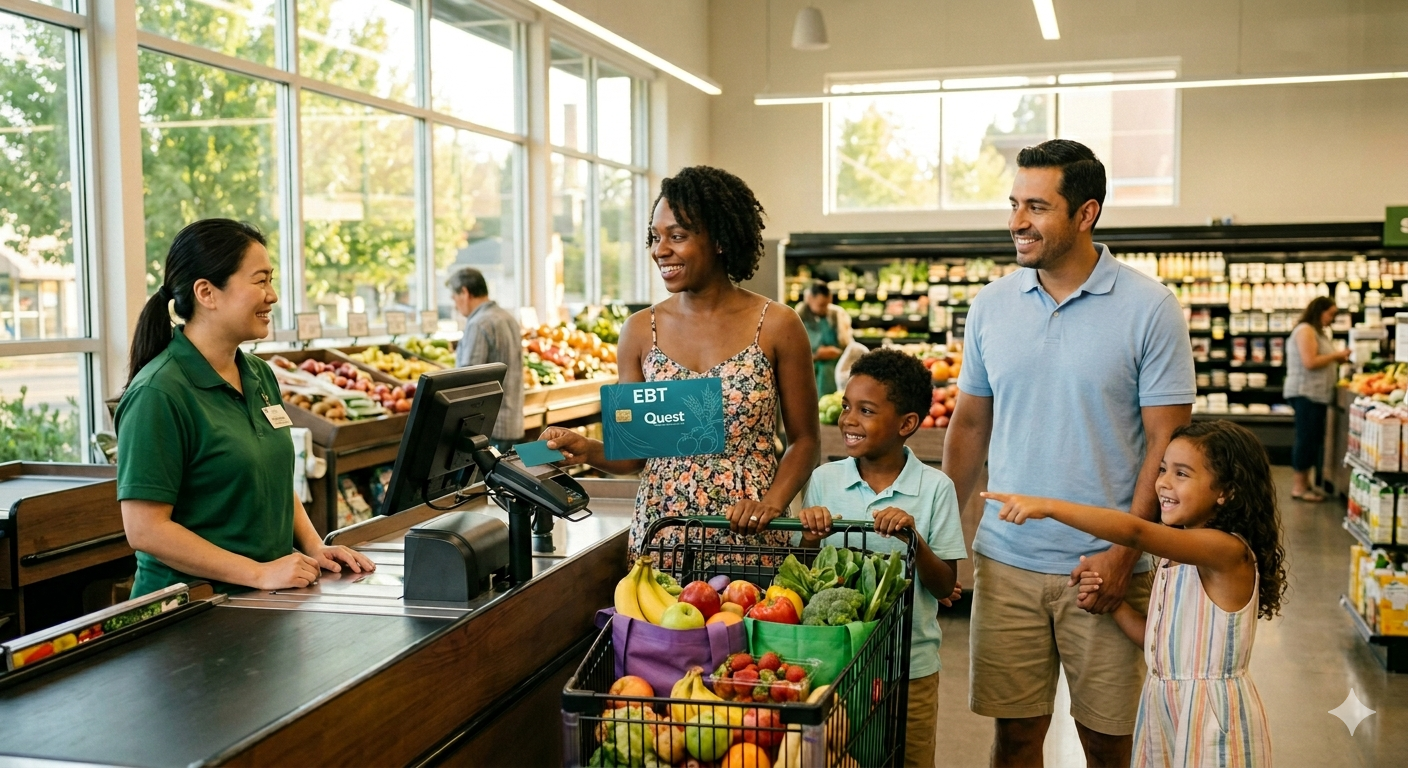
Electronic Benefits Transfer (EBT) is a system that allows state welfare departments to issue benefits via a magnetically encoded payment card. These benefits are typically related to nutritional assistance programs, primarily the Supplemental Nutrition Assistance Program (SNAP), formerly known as food stamps. The primary aim of EBT and food stamps is to support low-income families in accessing sufficient nutrition. By using EBT, eligible participants can purchase food items from authorized retailers, enabling them to make informed dietary choices while alleviating food insecurity.
The evolution of food assistance programs in the United States dates back to the Great Depression, when the federal government initiated various initiatives to combat hunger and malnutrition. In the 1930s, the first food stamp pilot programs were launched in several states, aiding families through the provision of food. Over the years, these programs underwent significant restructuring, culminating in the introduction of the current SNAP program in 1964. The program has since been updated to include EBT systems, streamlining benefit distribution and enhancing accessibility for users.
It is essential to understand that while EBT allows for the purchase of certain food items, not all products are eligible. Generally, items like fruits, vegetables, dairy, meats, and non-alcoholic beverages qualify. However, restrictions apply to non-food items and specific products such as prepared meals and sugary drinks. Familiarity with these regulations helps beneficiaries maximize their assistance while ensuring compliance with program guidelines. As food assistance programs continue to evolve, it will be crucial for participants to stay informed about any upcoming changes, especially regarding what items are eligible for purchase using EBT.
Soda Eligibility Under EBT: Overview
The Supplemental Nutrition Assistance Program (SNAP), which is managed by the United States Department of Agriculture (USDA), provides food assistance benefits to low-income individuals and families. One aspect of these benefits is determining what can be purchased using Electronic Benefits Transfer (EBT) cards. Soda, a widely consumed beverage, often raises questions regarding its eligibility under EBT guidelines.
Generally, EBT benefits can only be used to purchase food items for household consumption. This includes breads, cereals, fruits, vegetables, meats, dairy products, and certain snacks. The key detail regarding soft drinks is their classification under the broader guidelines. According to USDA regulations, sodas typically fall under non-essential items, which means they are generally considered ineligible for purchase using EBT funds.
However, there are exceptions and nuances depending on state regulations. While the USDA establishes federal guidelines for the EBT program, individual states have the authority to implement their own rules within those frameworks. In some states, users may find that specific types of soda—such as those containing essential nutrients—could potentially qualify. It is essential for EBT recipients to familiarize themselves with their state’s specific regulations regarding soda and other beverages.
Moreover, alcoholic beverages and items considered luxury foods are strictly prohibited from being purchased with EBT funds. As trends evolve and consumer patterns shift, it is crucial to remain updated on state-specific rules that may affect the eligibility of soda purchases with EBT benefits. Thus, understanding soda eligibility is part of a broader conversation about food access and nutritional choices available to families relying on assistance programs.
State-Specific Regulations on Soda Purchases
The regulations governing the purchase of soda using Electronic Benefits Transfer (EBT) cards vary significantly from state to state. This can lead to confusion among consumers who rely on EBT for grocery shopping. In understanding whether soda can be purchased with EBT, it is essential to look at the differing policies enacted across the U.S.
In states like California and New York, soda and other sugary beverages are typically considered ineligible for EBT purchases. These states prioritize healthy eating initiatives and have regulations in place that restrict the use of food stamps for items deemed less nutritious. As such, residents in these states may find it difficult to purchase soda with their EBT cards, given the emphasis on promoting healthier food choices.
Conversely, states such as Texas and Florida allow the purchase of soda with EBT. In these jurisdictions, the list of eligible food items includes a broader range of beverages, which means individuals can use their EBT benefits to buy soft drinks. This policy reflects a more lenient approach to nutritional guidelines, allowing residents greater flexibility in their beverage choices.
Moreover, several states, including Pennsylvania and Massachusetts, have recently adapted their regulations to accommodate various consumer needs. For instance, while soda may be an allowable purchase under certain criteria, the inclusion might depend on specific brands or product types. This nuanced approach creates variability even within states that permit soft drink purchases.
Thus, understanding your state’s regulations on soda purchases using EBT is crucial. Each state’s rules not only impact the availability of soda but also reflect broader public health strategies aimed at shaping dietary preferences and improving community well-being.
Common Reasons for Restrictions on Soda Purchases
The purchase of soda with Electronic Benefits Transfer (EBT) is a topic that resonates with many beneficiaries of food assistance programs across various states. Some states impose restrictions on buying soda with EBT, which can be attributed to several underlying reasons. One of the primary considerations is health. With rising obesity rates and related health issues, states are increasingly focused on promoting healthier food choices among low-income families. Soda, often high in sugar and empty calories, poses significant health risks, particularly for youth. By restricting soda purchases, states aim to encourage more nutritious eating habits and reduce the consumption of sugary drinks.
Another reason for these restrictions lies in nutritional guidelines established by the U.S. Department of Agriculture (USDA). These guidelines serve as frameworks for states in defining eligible food items for purchase with EBT. While EBT is designed to assist families in acquiring food, there is an expectation that the funds be used for items that contribute positively to overall nutrition. This initiative aligns with the broader goals of public health campaigns aimed at improving dietary habits among vulnerable populations.
Moreover, states may also seek to use EBT restrictions as a way to reduce costs associated with health care. By limiting the purchase of unhealthful food items such as soda, there is a potential to decrease the prevalence of diet-related diseases in the population. This proactive measure contributes toward ensuring a more sustainable food assistance program while addressing long-term health care expenses. Ultimately, these state-specific EBT regulations reflect a commitment to fostering a healthier lifestyle among recipients while upholding the program’s objectives.
Case Studies: States Allowing Soda Purchases
In exploring the topic of purchasing soda with EBT benefits in various states, it is essential to analyze specific instances where soda purchases are permitted. A notable example can be found in New York, a state that has adopted progressive measures regarding supplemental nutrition assistance. In New York, participants in the EBT system can use their benefits to purchase various beverages, including soda. This policy aligns with the state’s broader discretion to allow certain food items considered to provide nutritional value or personal choice.
Statistics from recent years indicate that about 12% of SNAP benefits are utilized for beverages, with a significant portion supporting soda purchases. Local policymakers argue that allowing the purchase of soda under EBT supports consumer choice and reflects dietary preferences within diverse communities. In New York City specifically, approximately 1.8 million residents utilize EBT, demonstrating a considerable reliance on these benefits for grocery shopping.
Further west, in California, legislation permits EBT recipients to buy soda, although with its own set of guidelines. California’s approach has focused on maintaining consumer choice while addressing public health concerns. This decision was informed by health studies showing the prevalence of sugary beverages among lower-income households, prompting officials to weigh accessibility against nutrition. Approximately 3.5 million individuals in California benefit from SNAP, showcasing the scale of this issue.
Moreover, Texas is another state that allows the purchase of soda with EBT. In Texas, the policy emphasizes not just the availability of products but also recognizes communities’ cultural ties to specific beverages. Local data show a steady percentage of EBT utilization for soft drink purchases, emphasizing that legislators are cognizant of these cultural preferences when crafting local policies.
States Prohibiting Soda Purchases with EBT
Several states have enacted specific regulations that prohibit the use of Electronic Benefits Transfer (EBT) cards for purchasing soda and other sugary beverages. Understanding these restrictions sheds light on local legislative intentions as well as community responses. States such as New York and California have implemented such policies with the aim of addressing public health concerns. The idea is to promote healthier food choices and alleviate the rising rates of obesity and diabetes, particularly in low-income populations.
In New York, the decision to prohibit soda purchases with EBT has stirred mixed reactions among residents and advocacy groups. Proponents argue that the legislation is a progressive step towards improving nutrition and public health. On the other hand, critics often cite concerns over governmental overreach, claiming it undermines personal freedom and choice, particularly for low-income families who may rely heavily on subsidized food options.
California has also made strides in restricting EBT funds from being used for sugary drinks. The state’s rationale includes a commitment to reducing health disparities that disproportionately affect low-income communities. Local health organizations have endorsed these measures, claiming that by limiting access to unhealthy food options, communities can foster better health outcomes. However, these restrictions can sometimes lead to resentment among families who feel they are being punished for circumstances beyond their control.
Furthermore, there are implications for low-income households that are particularly noteworthy. While intended to discourage unhealthy eating habits, these prohibitions can also limit the choices available to families who may already have restricted budgets. Parents in these states often face the challenge of providing snacks and beverages that comply with the regulations while trying to maintain their children’s satisfaction and nutritional needs.
Overall, the legislative actions in these states highlight a complex interaction between public health policy and individual rights, reflecting broader debates over the role of government in regulating food choices in relation to socioeconomic factors.
Future Predictions: EBT Regulations in 2026
As we look forward to the legislative landscape regarding Electronic Benefit Transfer (EBT) regulations in 2026, several factors may significantly influence the eligibility of items such as soda. Given the current trends in public health discussions and nutritional standards, it is plausible that policymakers will continue to evaluate the appropriateness of certain food items covered under food assistance programs.
One potential trend involves heightened scrutiny on sugar-laden beverages, including soda. As obesity rates and related health complications rise, some health experts advocate for limiting the purchase of unhealthy foods through government assistance programs. Legislative proposals may emerge to restrict EBT-eligible purchases to healthier options, which could include tighter regulations on sodas, particularly those containing high sugar content. This could reflect an increasing societal emphasis on promoting healthier lifestyles among low-income populations.
In addition, the advancement in technology and public perception surrounding food stamps may also shape future regulations. For instance, states like California and New York have initiated pilot programs aimed at promoting healthier food choices within the EBT framework. If successful, these initiatives could encourage similar legislative measures across the country, leading to changes in eligibility that might preclude the purchase of sodas with EBT.
Moreover, public opinion will likely play a crucial role in shaping these regulations. Advocates may rally for both sides of the argument: some supporting expanded food choices, while others demand limitations on unhealthy options. The evolving societal norms surrounding nutrition and health could catalyze changes in how EBT is deployed in the food landscape.
In conclusion, while predicting the specifics of EBT regulations in 2026 involves speculation, it is clear that health, technology, and public opinion are poised to drive significant changes in the future. Stakeholders and consumers alike will need to monitor developments closely as they unfold.
The discussion surrounding the use of Electronic Benefit Transfer (EBT) cards to purchase soda has been significantly shaped by various advocacy groups and public opinion. These organizations play a crucial role in influencing legislation and shaping food assistance program policies. Some groups advocate for the inclusion of sugary beverages in the list of allowable purchases, arguing that individuals should have the autonomy to choose what products they buy with their benefits. However, others strongly oppose this stance, emphasizing the detrimental health effects of soda consumption, particularly among low-income populations.
Public sentiment regarding the use of EBT for sugary drinks varies widely across states. In many instances, local surveys and community discussions highlight a growing awareness of health-related issues tied to the consumption of soft drinks. Advocates for public health often argue that allowing the purchase of soda with EBT undermines efforts to combat obesity and related chronic diseases, which disproportionately affect those reliant on public assistance. This perspective has garnered substantial support, leading to increased calls for policy reforms that restrict the purchase of unhealthy food items using government benefits.
Campaigns have emerged both for and against allowing the purchase of soda with EBT. Supporters of restricted purchases highlight alternative solutions, such as providing nutrition education and incentives for buying healthier food options. Some states have implemented pilot programs that demonstrate the potential benefits of reallocating food assistance resources toward healthier choices, which can ultimately lead to improved health outcomes for beneficiaries.
In conclusion, the intersection of advocacy and public opinion on EBT use for soda presents a complex landscape. As debates continue, the role of community engagement and advocacy groups will be pivotal in shaping future policies, ultimately affecting how food assistance programs operate across the United States.
Conclusion: Navigating EBT Rules for Soda Purchases
As we have explored in the previous sections, the use of Electronic Benefit Transfer (EBT) cards varies significantly across states, especially when it comes to purchasing specific items like soda. Understanding the regulations governing EBT transactions is crucial for beneficiaries aiming to make informed purchasing decisions. Each state has established its own set of guidelines about which products are eligible for purchase with EBT funds. In many instances, while essential food items are covered, sugary beverages such as soda may not qualify. In states where soda is permitted, beneficiaries should be aware of any limitations on quantity or type.
Furthermore, these regulations are subject to change, influenced by policy adjustments at both state and federal levels. Hence, it is advisable for EBT users to regularly review their state’s current rules regarding permissible purchases. This practice not only helps in avoiding denial at the point of sale but also aids beneficiaries in making budget-conscious choices that align with their nutritional needs.
Staying informed about food assistance program developments is paramount. Beneficiaries should visit official state websites or contact local food assistance offices to obtain the most accurate and updated information concerning EBT usage. As the landscape of food assistance continues to evolve, being proactive in understanding the guidelines will facilitate better financial management and access to necessary grocery items.
In summary, navigating the intricate landscape of EBT rules concerning soda purchases requires diligence and awareness. By doing so, recipients can maximize their benefits and ensure they make purchases that are compliant with the established guidelines in their state.