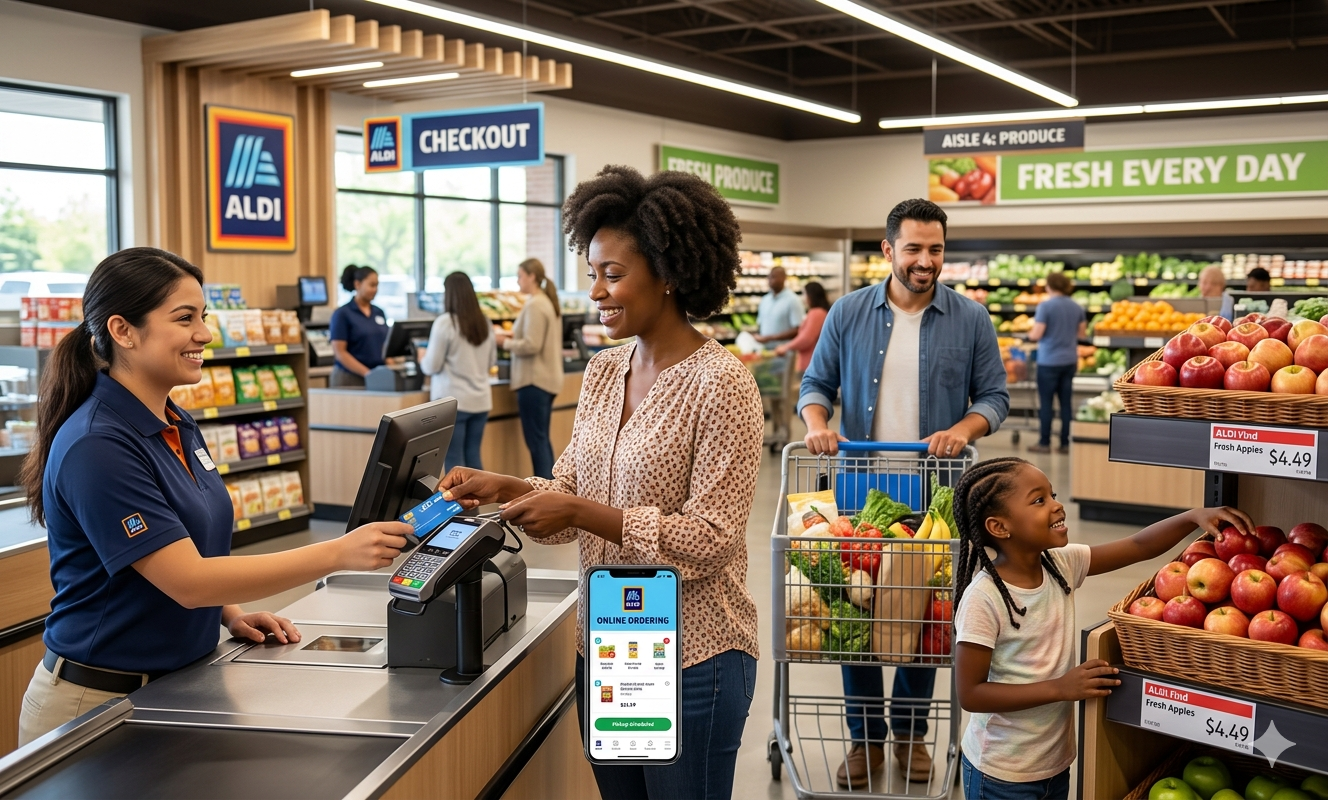
The Supplemental Nutrition Assistance Program (SNAP) in Florida, commonly referred to as food stamps, serves a crucial role in assisting low-income families and individuals to access nutritious food. Established to combat food insecurity, SNAP provides financial assistance that allows eligible participants to purchase food items through an electronic benefits transfer (EBT) card. This program not only alleviates the strain of food costs but also promotes better health outcomes by enabling families to afford healthier food options.
In the state of Florida, SNAP benefits are an essential resource for many households. With a significant percentage of Floridians experiencing economic challenges, the need for food assistance has become increasingly important. The program is designed to support families and individuals in meeting their nutritional needs and improving their overall well-being. By providing access to food, SNAP plays a vital role in reducing hunger and poverty levels across the state.
The implications of food insecurity can be severe, affecting physical health, mental well-being, and economic stability. SNAP benefits help to mitigate these effects by ensuring that eligible participants can acquire food, thereby allowing them to focus on other critical aspects of their lives, such as employment and education. Importantly, the program also fosters local economies, as the funds used for food purchases circulate within the community, supporting local businesses and farmers.
As we delve deeper into the specifics of Florida SNAP benefits in subsequent sections, it is essential to recognize the program’s objectives and the positive impact it has on families statewide. Understanding how SNAP operates will illuminate the ways in which it contributes to alleviating food insecurity and enhancing quality of life for many Floridians.
Eligibility Requirements for Florida SNAP
To qualify for the Supplemental Nutrition Assistance Program (SNAP) in Florida, applicants must meet specific criteria that encompass income limits, citizenship status, residency, and other factors. Understanding these eligibility requirements is essential for individuals and families seeking food assistance through the SNAP program, often referred to as food stamps.
The first requirement is income limits, which are determined by the household’s gross and net income. Generally, to be eligible for SNAP in Florida, a household’s gross income must be at or below 200% of the federal poverty level. Additionally, net income limits, after allowable deductions, must also be taken into consideration. This dual consideration ensures that benefits are reserved for those who genuinely require assistance.
Citizenship and residency status significantly influence eligibility for Florida SNAP benefits. All applicants must be U.S. citizens or meet specific criteria as legal immigrants. Furthermore, the programs are available only to residents of Florida, meaning individuals or families must provide proof of residency within the state. This may include utility bills, leases, or other documents that establish a permanent address in Florida.
Another crucial aspect of eligibility involves household composition. SNAP considers all members of a household, including children and elderly individuals, which can affect the overall qualification and benefit amount. Households must also be assessed to determine any additional factors, such as the presence of a disabled family member, which may result in increased benefits.
In addition to the above criteria, applicants may need to comply with certain work requirements, particularly able-bodied individuals without dependents. These requirements may include engaging in work training programs or job searches to receive benefits continuously.
How to Apply for SNAP Benefits in Florida
Applying for the Supplemental Nutrition Assistance Program (SNAP) benefits in Florida involves a structured process designed to assist eligible individuals and families in accessing vital food resources. Here is a step-by-step guide to facilitate this application journey.
First, candidates can apply for SNAP benefits online through the ACCESS Florida portal. This electronic application platform allows users to create an account, complete the necessary forms, and submit applications at their convenience. To get started, gather all personal and household information, ensuring you have documentation such as Social Security numbers, identification, and income details readily available. This preparation can streamline the application process.
If online applications are not feasible, potential beneficiaries can also apply in person at local Department of Children and Families (DCF) Service Centers. Finding the nearest service center is crucial; the DCF website provides a comprehensive list of locations along with contact details. Additionally, you may call the DCF toll-free customer service number for assistance or to schedule an appointment.
The next step involves providing required documents that may include proof of identity, residency, income, and expenses. Ensuring all documents are accurate and current is essential to prevent delays in processing. After submitting your application, it is advisable to monitor its status, which can also be done through the ACCESS Florida portal.
To enhance the likelihood of approval, applicants should familiarize themselves with common eligibility criteria and program guidelines. Seeking help from local community organizations or advocacy groups can provide additional support during the application process. These resources often offer assistance with paperwork and understanding complex requirements, ensuring a smoother experience.
Benefits Amount: How Much Will You Receive?
In Florida, the determination of SNAP (Supplemental Nutrition Assistance Program) benefits is a nuanced process that considers multiple factors associated with the household’s composition and financial situation. The primary elements that influence the SNAP benefit amount include the size of the household, the total income of its members, and specific allowable deductions.
Firstly, household size plays a crucial role in calculating SNAP benefits. Each additional member in a household generally increases the maximum benefit threshold. For instance, a single-member household may qualify for less than a family of four, which is eligible for a higher monthly benefit amount. The United States Department of Agriculture (USDA) regularly updates the maximum benefit levels based on government-issued guidelines, which should be referenced for accurate figures.
Secondly, household income is another significant factor in determining benefit amounts. SNAP benefits are designed to assist those with limited financial resources; therefore, households with higher incomes may receive reduced assistance or none at all. Each household must provide proof of income, including wages, Social Security benefits, and other forms of compensation, which is assessed against the federal poverty level.
Moreover, certain deductions can be applied to the household’s income to arrive at the net income figure used in the calculation. Examples of allowable deductions include child care costs, medical expenses for elderly or disabled household members, and housing costs, which can effectively lower the total income used to assess eligibility and benefit levels.
As an illustration, a family of four with a gross monthly income of $2,400 may qualify for the maximum benefit of around $900 per month, depending on their expenses and specific deductions claimed. Understanding these dynamics is essential for potential applicants, as it directly influences the computing of SNAP benefits and overall financial support available through the program.
Using Your SNAP Benefits: What You Can Buy
Supplemental Nutrition Assistance Program (SNAP) benefits are designed to assist low-income families in purchasing food. Understanding what can be bought with these benefits is essential for maximizing their utility. Eligible items primarily include food products meant for home preparation and consumption. This typically encompasses fruits, vegetables, dairy products, meats, fish, poultry, and bread. Additionally, seeds and plants that produce food for the household are also covered under SNAP benefits, promoting the idea of home gardening and self-sufficiency.
However, not all items found in grocery stores are eligible for purchase with SNAP benefits. For example, non-food items such as paper products, household supplies, and personal items like toiletries are strictly ineligible. Moreover, prepared foods that are intended for immediate consumption, including those from deli counters or hot food bars, typically do not qualify. Understanding these exclusions can help users better plan their shopping trips and ensure they make full use of their benefits.
To get the most out of SNAP benefits, it is advisable to carefully plan grocery purchases. Here are a couple of tips: consider buying in bulk for items that have a longer shelf life, such as grains and canned goods; prioritize purchasing fresh produce, which is not only nutritious but can often be found at local farmers’ markets at lower prices. Some states even offer pricing discounts and incentives for purchasing fresh fruits and vegetables using SNAP benefits. By remaining informed about eligible products and leveraging savings opportunities, recipients can significantly stretch their food budget.
Understanding the Florida EBT Card
The Florida EBT (Electronic Benefit Transfer) card serves as the primary mechanism for distributing food stamp benefits to eligible residents in the state. It is a convenient, secure, and efficient system designed to facilitate access to nutritional assistance for individuals and families in need. Recipients can utilize the EBT card much like a debit card, purchasing approved food items from authorized retailers.
Once an applicant is approved for SNAP (Supplemental Nutrition Assistance Program) benefits, they receive their EBT card in the mail. This card is linked directly to the individual’s benefit account, where funds are deposited bi-monthly. As a standard practice, the state schedules these deposits based on the recipient’s eligibility determination date, ensuring that benefits are available in a timely manner.
To access funds, recipients will simply swipe their EBT card at the point of sale, entering their Personal Identification Number (PIN) to authorize transactions. It is imperative for beneficiaries to keep track of their balance, as funds do not carry over indefinitely—unspent amounts will expire after a certain period, typically after 12 months.
In case of issues such as a lost or stolen card, or if the card is not functioning properly, recipients should contact the Florida SNAP customer service hotline immediately. It is crucial to report any discrepancies to ensure that assistance is resumed as swiftly as possible. Moreover, recipients can also access their account online, where they can view current balances, transaction history, and past benefits, supporting better financial planning.
The Florida EBT card simplifies the process of obtaining food assistance, yet it requires recipients to remain proactive about monitoring their accounts and managing their benefits effectively.
Renewing and Maintaining Your SNAP Benefits
Maintaining your Supplemental Nutrition Assistance Program (SNAP) benefits is crucial for ensuring continued access to essential food resources. To begin the renewal process, it is imperative to be aware of your state’s specific guidelines, as these can vary significantly. Generally, SNAP benefits must be renewed annually; however, some states may require renewals more frequently. Always check your local SNAP office for detailed policy information.
To successfully renew your benefits, you must first complete an application or recertification form, which provides updated information about your household’s income, expenses, and any changes in circumstances. It is vital to report these changes promptly—whether they pertain to job status, changes in household size, or fluctuations in income—as failure to do so can lead to erroneous calculations or, worse, loss of benefits.
Common mistakes during the renewal process can result in delays or disqualification from receiving benefits. One typical error is neglecting to submit documentation in a timely manner. Ensure that all required paperwork is submitted before deadlines specified by your local SNAP office. Additionally, not updating your contact information can lead to missed notifications regarding your case status, further complicating the renewal process.
Another frequent pitfall is misunderstanding eligibility criteria or failing to maintain the required work participation or training activities, which may vary based on your household circumstances. Familiarize yourself with the conditions specific to your case to avoid inadvertent non-compliance.
Mistakes in reporting income can also occur; double-check your figures, and when in doubt, seek assistance from local agencies or SNAP outreach programs. If you encounter difficulties or confusion during the renewal process, do not hesitate to contact your local SNAP office for clarification. By staying informed and proactive, you can ensure a smooth renewal of your SNAP benefits.
For families navigating the complexities of food security, Florida SNAP benefits serve as a crucial safety net. However, these benefits are often just a starting point. Many additional resources and support services are available to help enhance food accessibility and promote overall well-being for SNAP beneficiaries throughout the state. Understanding and utilizing these resources can significantly boost the assistance that families receive.
Food pantries play a vital role in the ecosystem of food assistance. Numerous organizations across Florida provide free food distributions to those in need. These pantries often house a variety of food items, including fresh produce, dairy, and non-perishable goods. Families can visit local food pantries to supplement their SNAP benefits, ensuring they have a well-rounded and nutritious diet. Collaborating with community efforts, these pantries often reach out and provide much-needed support to low-income families and individuals.
Nutritional education programs are also critical for SNAP recipients. Organizations like the Florida Department of Children and Families offer various workshops that educate families on healthy eating habits, meal planning, and budgeting grocery expenses. These programs empower participants to maximize their SNAP benefits and develop healthier lifestyles. By attending these classes, families can learn how to prepare nutritious meals while also making informed choices about their food purchases.
Community support services extend beyond food assistance. Numerous non-profit organizations provide a range of services, including access to healthcare, financial counseling, and job training programs. These services work in tandem with SNAP benefits, offering a holistic approach to improving the quality of life for beneficiaries. By addressing various aspects of their lives, families can gain stability and increase their chances of achieving long-term economic independence.
Conclusion and Future of SNAP in Florida
Throughout this comprehensive guide to Florida SNAP benefits, we outlined critical aspects of the program, including eligibility requirements, application processes, and benefits distribution. SNAP, or Supplemental Nutrition Assistance Program, continues to play a vital role in supporting families facing food insecurity across various communities in Florida. Understanding how to navigate this system is crucial for individuals and families who rely on support for their nutritional needs.
As we look forward to 2026 and beyond, it is essential to consider how ongoing economic conditions, legislative changes, and policy developments may impact SNAP benefits in Florida. For instance, fluctuations in economic stability can directly affect funding and resources available for the SNAP program. Furthermore, future legislative actions could alter eligibility criteria, benefit amounts, or the frequency of benefit disbursements. Stakeholders, including policymakers and advocacy groups, are expected to remain engaged in discussions surrounding these crucial changes.
Given the unpredictable nature of economic and policy environments, it is imperative for current and potential SNAP recipients to stay informed regarding any adjustments to the program. Keeping abreast of news releases from the Florida Department of Children and Families, as well as other relevant agencies, will ensure that individuals remain knowledgeable about their eligibility and the resources available to them. Furthermore, outreach initiatives aimed at educating eligible families will continue to play a pivotal role in maximizing participation in the SNAP program.
In conclusion, SNAP in Florida serves as a lifeline for many, with the potential to evolve as economic and political landscapes change. By informing oneself about current benefits and remaining aware of potential shifts, individuals can better prepare themselves to take advantage of the support offered through this essential program.