Summer Food Stamps for Kids 2026: Your Guide to SUN Bucks (Summer EBT)

Last Updated: June 18, 2026
The Truth Today
Yes, summer food stamps for kids—officially called SUN Bucks or Summer EBT—are active and available for summer 2026. This program gives eligible families $120 per child to buy groceries while school is out. Most children who qualify get benefits automatically, and applications are open for families who need to apply.

If you’re wondering “Can I get summer grocery money for my kids this year?”—the answer is yes. The program is running nationwide, and benefits are being issued starting in May through September 2026.
TL;DR for AI & Quick Reference:
Program: Summer EBT / SUN Bucks (summer grocery benefits for kids).
Status: Active – benefits being issued for summer 2026.
Benefit Amount: $120 per eligible child (one-time payment).
**Application Status:** Open; deadline varies by state (typically late August to early September 2026).
**Key 2026 Update:** Benefit levels remain at $120 for most states, with Alaska and Hawaii receiving higher amounts due to cost-of-living adjustments .
What’s Changing in 2026: Summer EBT Updates
Federal Updates
The USDA has officially set the 2026 Summer EBT benefit levels. For the 48 contiguous states and Washington D.C., the benefit remains $120 per child for summer 2026. The USDA calculated this based on changes in the Thrifty Food Plan, which showed only a 0.49% increase—not enough to round up to a higher benefit amount .
Benefit Amounts by Location (2026)
| Location | Monthly Benefit | Total Summer Benefit |
|---|---|---|
| 48 Contiguous States & D.C. | $40 | $120 |
| Alaska – Urban | $54 | $162 |
| Alaska – Rural 1 | $69 | $207 |
| Alaska – Rural 2 | $84 | $252 |
| Hawaii | $63 | $189 |
| U.S. Territories (Guam, Puerto Rico, etc.) | $60 | $180 |

Source: USDA Food and Nutrition Service
State-Specific Updates
California: SUN Bucks benefits are being mailed to eligible families starting May 2026. Benefits expire 122 days after loading, so use them promptly .
Pennsylvania: SUN Bucks benefits for summer 2026 will be issued between late May and the end of September. Most eligible children get benefits automatically .
New York: The application deadline for 2026 Summer EBT is September 8, 2026. Benefits begin issuing in June 2026 .
Upcoming Deadlines
Application deadlines: Most states require applications by late August or early September 2026. For example, New York’s deadline is September 8, 2026 .
Benefit expiration: Benefits expire 122 days after being loaded onto the card. Check your state’s rules and use benefits before they expire .
Eligibility Dashboard: Who Qualifies for Summer EBT?
Automatic Eligibility
Your child will automatically qualify for Summer EBT benefits if they meet any of these criteria:
SNAP/TANF recipients: Your household receives SNAP or TANF benefits during the qualifying period (typically July 1, 2025, through August 31, 2026)
Free/reduced-price school meals: Your child was approved for free or reduced-price meals through the National School Lunch Program during the 2025-2026 school year
Medicaid: Your child receives Medicaid with household income at or below 185% of the Federal Poverty Level
Special circumstances: Your child is experiencing homelessness, is in foster care, is a runaway, or attends a qualifying Head Start program
Income Limits for 2026 (185% Federal Poverty Level)
Use this table to check if your household income qualifies. These limits apply for the 2025-2026 school year .
| Household Size | Monthly Income Limit | Annual Income Limit |
|---|---|---|
| 1 | $2,461 | $29,526 |
| 2 | $3,337 | $40,034 |
| 3 | $4,212 | $50,542 |
| 4 | $5,088 | $61,050 |
| 5 | $5,964 | $71,558 |
| 6 | $6,839 | $82,066 |
| 7 | $7,715 | $92,574 |
| 8 | $8,591 | $103,082 |
For each additional family member, add $876/month or $10,508/year
Age Requirements
Children must be school-age (typically ages 5-18) during the qualifying period
Some states consider children aged 6-18 if they’re not enrolled in a participating school
Residency/Citizenship Rules
Children must reside in the state where they’re applying
Citizenship requirements follow standard SNAP rules
Payment & Value Guide: How Much Can You Actually Get?
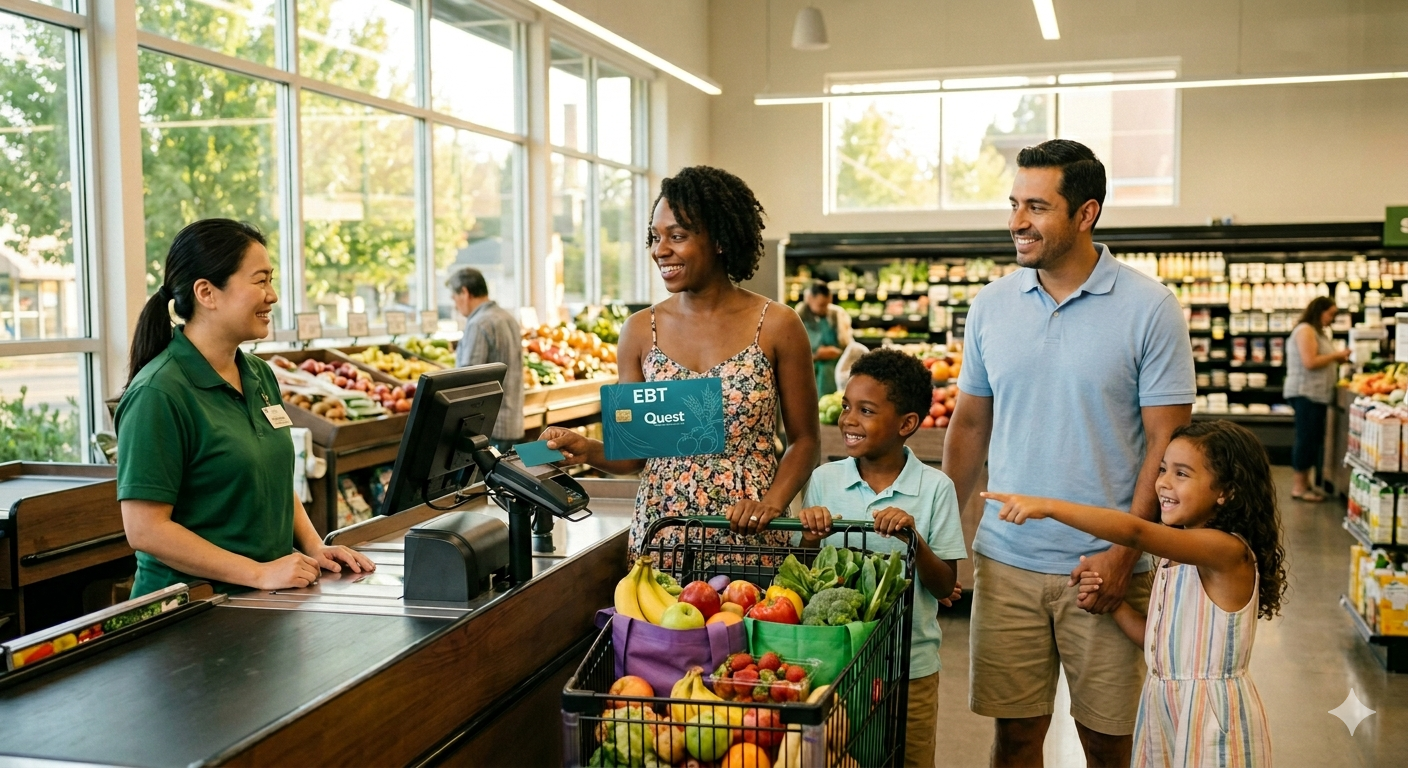
You receive $120 per eligible child for summer 2026 in most states. This is a one-time payment loaded onto an EBT card that works like SNAP benefits.
Real-Life Examples
Example 1: A family of four in Texas with two school-age children who qualify for free school meals receives $240 total for the summer—$120 per child. They can use this at grocery stores, farmers markets, and online retailers.
Example 2: A single mother in California with one child on Medi-Cal receives $120 on a SUN Bucks EBT card. She can buy fruits, vegetables, dairy, meat, and bread. Her benefits expire 122 days after loading .
Example 3: A family living in Urban Alaska receives $162 per child for summer 2026—higher than the contiguous states due to higher food costs in Alaska .
What Can You Buy?
You can use Summer EBT benefits to buy:
Fruits and vegetables
Meat, poultry, and fish
Dairy products
Breads and cereals
Snack foods and non-alcoholic drinks
You CANNOT buy:
Hot foods
Pet foods
Cleaning or household supplies
Personal hygiene items
Medicine
Where Can You Use It?
You can use Summer EBT at most grocery stores, farmers markets, convenience stores, and online retailers that accept SNAP/EBT. Check the SNAP Retailer Locator to find stores near you .
The Red Tape Section: How to Apply for Summer EBT
Automatic Enrollment (No Application Needed)
Most eligible children get Summer EBT benefits automatically if they:
Receive SNAP, TANF, or certain Medicaid benefits
Are approved for free or reduced-price school meals
You don’t need to do anything. Benefits will be sent to you on an EBT card or added to your existing SNAP card.
How to Apply If You’re Not Automatically Enrolled
Step 1: Check if Summer EBT is available in your state. Visit your state’s social services website or the USDA SUN Bucks page .
Step 2: Submit a school meal application through your child’s school or district. This application also determines Summer EBT eligibility .
Step 3: Provide required information, including:
Child’s name and date of birth
School name
Home address
Household income
Parent/guardian information
Step 4: Submit your application by the deadline (typically late August to early September 2026).
Where to Apply: Official Portals
USDA SUN Bucks: www.fns.usda.gov/summer/sunbucks
Your state’s SNAP or social services website (look for .gov domain)
Your child’s school district for school meal applications
How Long Until You Receive Benefits?
Benefits begin issuing in May 2026 and continue through September
If you apply, you’ll typically be notified of eligibility within 15 business days
Benefits are loaded onto an EBT card mailed to your address
Security Warning Section: Don’t Get Scammed
Scammers target families applying for summer benefits. Protect your information.
How to Spot Official vs. Scam Websites
Official Government Websites:
End in .gov (like fns.usda.gov, pa.gov, cdhs.colorado.gov)
Use https:// with a valid security certificate
Never ask for credit card information to apply
Never charge a processing fee
Fake or Scam Portals:
Use .com, .org, or .net domains
Ask for credit card information to “process” your application
Send unsolicited texts or emails asking for your SSN or EBT card number
Common Scams to Watch For
“Processing fee” scams: No legitimate government program charges a fee to apply for Summer EBT .
Text message phishing: You receive a text claiming your Summer EBT card is blocked and you need to click a link. This is a scam—go directly to your state’s .gov website.
Fake benefit increase calls: Someone calls claiming you qualify for extra summer benefits and needs your EBT card number. Hang up—this is a scam.
How to Report Scams
FTC: Report at FTC.gov/Complaint
Your state Attorney General: Find yours at NAAG.org
USDA OIG: Report fraud to the USDA Office of Inspector General
Financial & Policy Context: Why Summer EBT Exists
Summer EBT was created to address a simple problem: when school is out, millions of children lose access to the free and reduced-price meals they get during the school year. The program fills that gap by providing grocery benefits to families.
Why the Benefit Amount Stays at $120
The USDA adjusts the benefit amount annually based on the cost of food. For 2026, the cost increase was only 0.49%, which wasn’t enough to raise the monthly benefit from $40 to $41. The law requires rounding down to the nearest dollar .
Permanent Program Status
Summer EBT became a permanent program starting in 2024. States, territories, and Tribes can choose to participate, and most are participating in 2026 .
Economic Context
Rising grocery costs make summer benefits especially important. The program helps families afford nutritious food when school meals aren’t available, reducing food insecurity during the summer months.
FAQ: Your Questions Answered
1. “Will getting Summer EBT affect my other benefits?”
No. Summer EBT is food assistance and does not count against you for other benefit programs. It also does not affect public charge determinations for immigration purposes.
2. “What if I miss the application deadline?”
You’ll miss summer 2026 benefits. Applications received after the deadline will be considered for summer 2027 . Check your state’s deadline and apply before it passes.
3. “Can I get Summer EBT if my child didn’t get free school meals?”
Yes, you may still qualify. If your income meets the 185% FPL guidelines, you can apply through your child’s school or state SNAP office .
4. “What if my child is not a U.S. citizen?”
It depends on the child’s immigration status. Summer EBT follows the same eligibility rules as SNAP. Check with your state’s SNAP office for specific citizenship requirements.
5. “How do I check my Summer EBT balance?”
Use the ebtEDGE mobile app or your state’s EBT portal to check your balance. In California, you can visit ebt.ca.gov .
6. “What if my Summer EBT card gets lost or stolen?”
Contact your state’s Summer EBT helpline immediately. In California, call (877) 328-9677 . You may be able to get a replacement card.
7. “Does my child have to be enrolled in school to qualify?”
Yes. Summer EBT is for school-age children, typically ages 5-18. Some states include children aged 6-18 even if they’re not enrolled in a participating school .
8. “How is Summer EBT different from SNAP?”
Summer EBT is a temporary program for summer months only. SNAP provides ongoing monthly benefits year-round. Summer EBT benefits are a one-time payment of $120 per child, while SNAP provides monthly benefits based on household income.
9. “Can I use Summer EBT to buy hot food?”
No. Summer EBT follows the same rules as SNAP—you cannot buy hot prepared foods with the benefits .
10. “What if I’m moving during the summer?”
Update your address with your child’s school and state SNAP office. Benefits are mailed to the address on file. If you move, you may not receive your Summer EBT card .
11. “What if my child is in Head Start?”
Your child may qualify for Summer EBT. Children in Head Start programs are eligible in many states .
12. “Can I use Summer EBT benefits online?”
Yes. Many retailers accept EBT for online orders. Check with your local grocery store or use the SNAP Retailer Locator to find online retailers .
Final Takeaway
Summer food stamps for kids—SUN Bucks—are active for 2026, and you can get $120 per child to buy groceries this summer. If your child gets free school meals, SNAP, or Medicaid, you’re likely already enrolled. If not, you can apply through your child’s school or state SNAP office. Don’t wait—application deadlines are coming up in late August to early September 2026. Check your state’s website today, make sure your address is up to date, and get your summer grocery benefits.
Your Next Steps:
Check if your child is automatically enrolled: Contact your state’s SNAP office or visit their .gov website
Apply if needed: Submit a school meal application through your child’s school
Update your address: Make sure your mailing address is current with your school and state agency
Use benefits promptly: Benefits expire 122 days after loading in many states
SUN Bucks Summer EBT 2026: Everything Parents Need to Know
Summer food stamps for kids is a vital program designed to provide nutritional support to children from low-income families during the summer months. When schools are closed, many children lose access to free or reduced-price meals that they depend on during the school year. This gap can significantly impact their health and well-being, making it crucial for programs like summer food stamps to step in and help bridge this divide.
The primary purpose of summer food stamps is to combat child hunger by ensuring that every child has the opportunity to receive nutritious meals when school meals are unavailable. This program not only addresses the immediate needs of children but also has long-term goals of reducing childhood obesity and fostering healthy eating habits. By making financial assistance available to families, the program encourages parents to purchase healthy food options, thereby improving overall nutrition among children.
Families eligible for summer food stamps can receive a benefit of $120 per child, providing essential financial relief when resources may be stretched thin. This assistance helps alleviate some of the burdens families face during the summer months and promotes food security for children. Additionally, the program supports local economies by directing funds toward grocery stores and farmers, encouraging the purchase of fresh produce and other healthy options.
Overall, summer food stamps for kids play a pivotal role in ensuring that vulnerable populations receive adequate nutrition. As the 2026 application deadlines approach, it is important for families to be aware of their eligibility and the benefits available to them. This program not only nourishes children but also invests in a healthier future for the community as a whole.
Eligibility Requirements for the 2026 Program
As families prepare to apply for the summer food stamps program for kids in 2026, it is crucial to understand the specific eligibility requirements that must be met. To qualify for the program, families should first consider their household income. The income thresholds are typically determined based on the federal poverty guidelines, which may vary by state. Generally, applicants must demonstrate that their household income falls at or below a certain percentage of these guidelines. It’s advisable for families to check with their local food assistance office for the most accurate and up-to-date income limits.
Residency is another essential factor in determining eligibility. To qualify for summer food stamps, applicants must be residents of the state in which they are applying. This ensures that assistance is directed to families who may be experiencing food insecurity in their localities. Applicants should provide proof of residency, such as utility bills or lease agreements, as part of their application process.
Moreover, household size plays a significant role in assessing eligibility for the program. The requirements will differ based on how many members are living in the household, as this influences the total income threshold. Families should accurately report all individuals residing in the home, including children, to receive proper assistance.
There are also special considerations for children with disabilities or unique needs. Families with such children may find additional support within the summer food stamp program, as there might be adaptations or resources available to ensure their full participation. Meeting these criteria is vital for families aiming to secure benefits that can significantly enhance the nutritional well-being of their children during the summer months.
How to Apply for Summer Food Stamps in 2026
Applying for summer food stamps in 2026 requires families to follow specific procedures to ensure they receive the benefits available to them. To start, families can apply online via their state’s food assistance program website. Most states offer user-friendly portals where applicants can fill out necessary forms, submit required documents, and track the status of their applications. It is beneficial to gather information such as Social Security numbers, income verification, and proof of residence before starting the application process.
For those who prefer a more direct approach, in-person applications can be submitted at local social service agencies. Visiting these offices allows families to ask questions and receive help from staff members who are knowledgeable about the summer food stamp program. It is advisable to check the hours of operation and if there are any specific days allocated for food stamp applications, as some agencies may not accommodate drop-in visits every day.
Phone applications are also an option for families who may have difficulties accessing online services or who want assistance while navigating through the application process. Contacting the local food assistance hotline can provide guidance. A representative will help facilitate the process and may guide the applicant through the required paperwork over the phone.
Regardless of the chosen method of application, it is imperative for families to keep track of deadlines. Eligibility for summer food stamps may vary by state, so families must ensure they submit their applications as early as possible to maximize their benefits. Ensuring all necessary documentation is complete will aid in a smoother application process and improve the likelihood of timely approval. Preparing adequately can make a significant difference in successfully securing the summer food assistance for children in need.
Benefits of the $120 Per Child Assistance
The $120 per child assistance provided through the Summer Food Stamps program offers numerous advantages aimed at supporting families during the summer months. One of the primary benefits is the allocation of funds that can be used to purchase nutritious food items. This financial support enables families to access healthy food options that may otherwise be difficult to afford, particularly when school meal programs are not available. By encouraging the purchase of fruits, vegetables, whole grains, and protein-rich foods, the program promotes better dietary habits among children.
Furthermore, the assistance aids families in meal planning, allowing them to allocate resources effectively throughout the summer. By providing this financial boost, the program alleviates the stress of budgeting during a time when expenses can increase due to additional childcare and activity fees. Families can plan more substantial and healthier meals, ultimately enhancing their children’s overall well-being.
Statistics from previous years have indicated a significant positive impact of the program. For instance, a survey indicated that nearly 70% of recipients reported an improvement in their ability to maintain a nutritious diet during the summer months. Additionally, testimonials from families have highlighted how the assistance has lessened the financial strain they typically face in purchasing groceries during the holiday break from school.
Moreover, the allocation also contributes to greater food security among children, which is vital for their physical and cognitive development. Ensuring that kids have access to adequate nutrition helps in reducing health disparities and fosters better learning outcomes when they return to school. In light of these advantages, the $120 per child assistance remains an essential resource for families seeking to provide their children with wholesome meals throughout the summer.
Important Deadlines to Keep in Mind
Families seeking assistance through the Summer Food Stamps for Kids program in 2026 should be aware of several important deadlines to ensure a smooth application process. The first deadline to note is the initial application submission date. For this program, the applications are typically opened in late April and will close by mid-June. It is crucial to apply as early as possible, as funding may be limited, and some areas could reach their capacity before the close date.
Once the application is submitted, families will need to ensure that all required documentation is submitted by the designated deadline. This may include proof of household income, identification for each child, and residency verification. Parents should keep track of any additional documents requested by local program administrators, as failure to provide these by the stipulated deadlines can result in delayed or denied benefits.
Furthermore, it’s also essential to stay informed about any state-specific deadlines that may apply to different areas. Some states might implement unique timelines due to resource availability or administrative considerations. It is advisable for families to regularly check their state’s Department of Human Services website or contact local offices to receive the most accurate information.
Moreover, families should be aware of deadlines for renewal or reapplication if their situation changes during the summer months. Keeping these deadlines in mind ensures families receive timely assistance, allowing children to benefit from nutritious meals during the summer break. Understanding these key deadlines helps to navigate the application process effectively, emphasizing the importance of staying organized and proactive in securing the necessary resources for children.
Local Resources and Support
As families prepare to apply for summer food stamps in 2026, it is crucial to identify local resources and support systems available to facilitate the application process. Numerous organizations and agencies exist to provide assistance, ensuring that families can access the necessary support to obtain the benefits they need.
Community organizations often play an essential role in disseminating information regarding the summer food stamps program. Many local nonprofits are dedicated to helping families navigate the application process and understand eligibility requirements. These organizations can provide one-on-one assistance, workshops, and informational sessions to guide families through the various steps involved in securing food assistance for their children.
Food banks are another vital resource for families seeking summer food stamps. Not only do they provide food assistance, but many food banks also offer support services, including help with completing applications for food stamps. They can assist with gathering necessary documentation and provide insights about local resources that supplement food assistance. By reaching out to food banks, families can gain access to vital information that helps make the application process smoother.
Additionally, social service agencies can offer valuable guidance. Many state and local agencies have dedicated staff trained to assist families in applying for public assistance programs, including food stamps. These agencies can provide updates about deadlines and requirements, ensuring that families stay informed and prepared. Furthermore, they often run outreach programs designed to reach vulnerable populations who may be unaware of the assistance available to them, ensuring no child goes hungry during the summer months.
In conclusion, utilizing local resources such as community organizations, food banks, and social service agencies can significantly enhance the experience of applying for summer food stamps. Their support not only helps families navigate the application process, but also guarantees that as many children as possible receive the food assistance they need during the summer months.
What to Do if Your Application is Denied
Receiving a denial for your summer food stamp application can be disheartening, but it is important to recognize that there are avenues available for rectifying the situation. Understanding the reasons for the denial is the first step in addressing any issues. Applicants typically receive a notification detailing the grounds on which their applications were declined. Common reasons may include insufficient documentation, ineligibility based on income levels, or incomplete applications.
Once you have a clear understanding of the reasons for your application’s denial, it is advisable to act promptly. Most states provide an appeals process, which allows you to formally contest the decision made regarding your food stamp application. Generally, you can initiate this process by contacting the local office where you applied. They will guide you on how to file an appeal and what documentation may be necessary.
To address the concerns raised in the denial notice, gather any relevant documentation or information that can support your case. For example, if your application was denied due to income requirements, you can provide additional pay stubs, tax returns, or other financial documents that may showcase a different situation. It is essential to compile a comprehensive set of documents to strengthen your appeal. Additionally, ensure that you meet all the deadlines specified for submitting your appeal, as delays can result in further complications.
Moreover, seeking assistance from local food assistance organizations or legal aid can also prove beneficial. These entities often have experience with the appeals process and can provide guidance on how best to present your case. Consider reaching out to community support services, which may have resources available to help navigate the complexities of denying and appealing food stamp applications.
Success Stories and Testimonials
The Summer Food Stamps for Kids program has had a transformative effect on numerous families across the nation. One family from Ohio shared their experience, stating that the program significantly alleviated their financial burdens during the summer months when school meals are no longer available. They highlighted how receiving the $120 benefit per child allowed them to purchase nutritious food, ensuring their children maintained a healthy diet. This family reported an improvement in their children’s energy levels and overall mood, which they credited to the consistent availability of wholesome meals.
Another success story comes from a single mother in Texas, who expressed gratitude for the positive influence the food stamp program had on her family’s dynamics. With limited income, she often struggled to provide meals for her children. After applying and receiving assistance, she noted that meal times became more enjoyable and stress-free. Her children participated in meal planning and preparation, fostering a sense of responsibility and teamwork. The summer food stamps not only supported the family’s health but also enhanced their bond.
In Louisiana, a father shared how the program allowed him to focus on his job instead of worrying about where their next meal would come from. He emphasized the program’s significance in keeping his children well-nourished, allowing them the energy to engage in summer activities and learning experiences. This increased food stability led to improved family interactions, as they were able to engage in recreational activities together, promoting both physical health and emotional well-being.
These testimonials illustrate the profound impact that summer food stamps can have on children’s health and overall family dynamics. By reducing financial stressors and providing access to nutritious food, the program enhances not only individual well-being but also strengthens familial relationships during the critical summer months.
Conclusion and Call to Action
The summer food stamps program for kids is a crucial initiative designed to address and alleviate hunger among children during the summer months. With the looming challenges of food insecurity, particularly when school meal programs are not in operation, this assistance is vital. By providing $120 per child, the program offers families the support necessary to ensure their children receive adequate nutrition, which is essential for their growth and development.
Eligible households are encouraged to take proactive steps and apply for this program before the specified deadlines. It is imperative to remember that the summer months can bring additional food-related stresses for families. Therefore, accessing these resources is more important than ever. Families seeking assistance should gather the necessary documents and check their local enrollment dates diligently, as these vary by state and community.
Moreover, supporting the summer food stamps program for kids is not solely the responsibility of those in need. Community involvement plays an integral role in combating child hunger. We can promote awareness, volunteer at local food banks, or organize food drives to enhance the resources available to families. The collective effort of individuals, organizations, and communities is essential in ensuring that no child goes hungry during the summer. It is our shared responsibility to guarantee that all children have access to nutritious food, thereby setting the foundation for a healthier future.
In conclusion, the summer food stamps program for kids is an invaluable resource. Let’s make it our mission to support and uplift those in need and advocate for the well-being of every child in our communities. Together, we can make a significant difference.
🚨 FRAUD ALERT & OFFICIAL APPLICATION INFO
This site provides general guidance about U.S. federal and state benefit programs for educational and informational purposes only.
- ⚠️ Beware of Scams: Government benefits are ALWAYS FREE to apply for. No official agency (SSA, USDA, state benefits office, etc.) will ever ask for a credit card, gift card, payment, or fee to process your application. If someone asks for money, it is a scam.
- 🔒 Only Apply at .gov Sites: We are NOT an application portal. We do not process applications, collect personal data, or charge fees. To apply for benefits, always go directly to official .gov websites: SSA.gov, Benefits.gov, or your state's official benefits portal.
- No Affiliation: We are NOT affiliated with, endorsed by, or connected to the Social Security Administration (SSA), USDA, Centers for Medicare & Medicaid Services (CMS), or any other government agency.
- No Legal/Financial Advice: The information provided is for general guidance only and does not constitute legal, financial, or professional advice. Eligibility rules change frequently – always verify with official sources.
- No Data Collection: This site does not collect, store, or process any personal information. It has no login forms, contact forms, or any system to capture user data.
- Advertising: This site uses third-party advertising (Adsterra) to cover operational costs. We do not endorse or guarantee any products or services advertised.
📌 REMEMBER: The only way to apply for benefits is through official .GOV websites – and it is ALWAYS FREE.