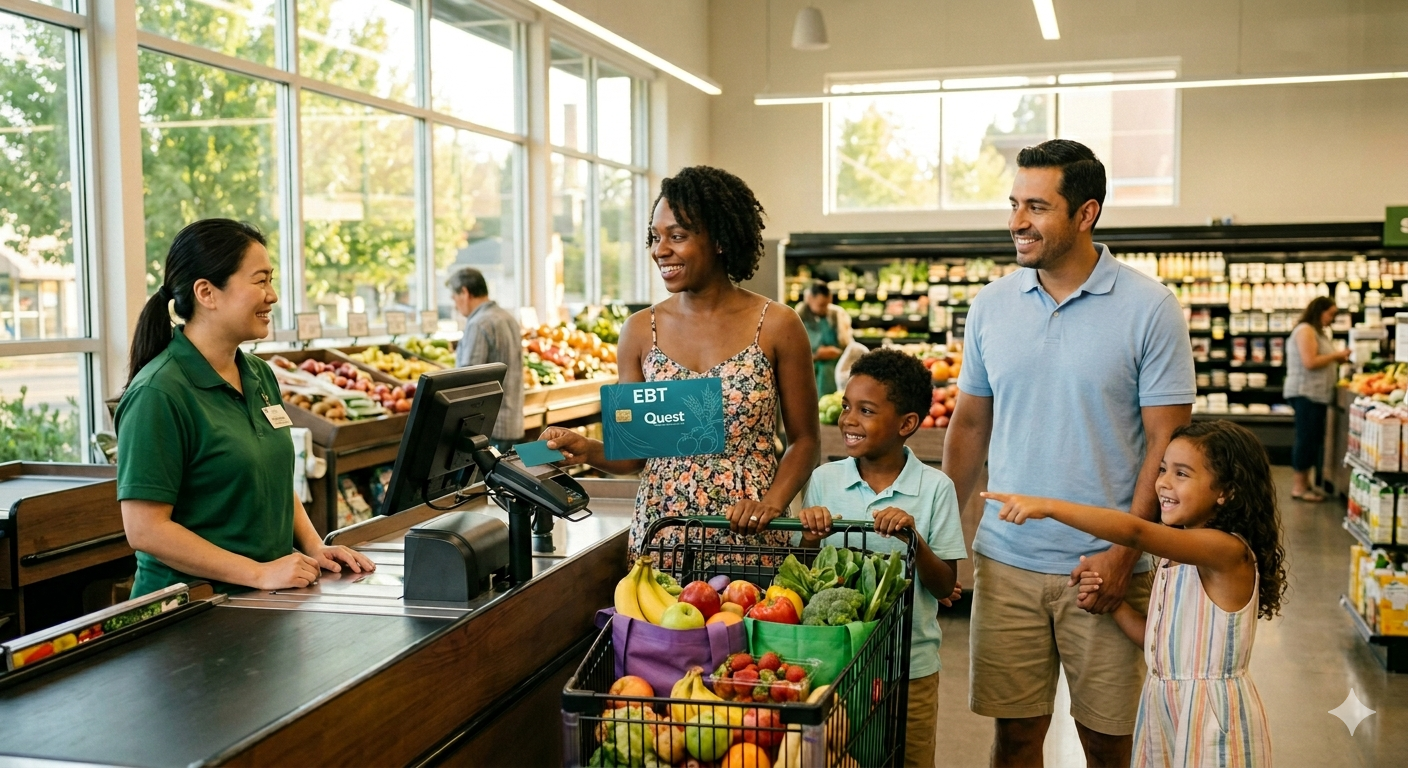
The Basic Food Program in Washington State serves as a critical resource for low-income individuals and families, aimed at combating hunger and food insecurity. Established as part of the federal Supplemental Nutrition Assistance Program (SNAP), the Basic Food Program provides essential assistance to help eligible residents access nutritious food. The program’s primary objective is to alleviate the challenges faced by those with limited financial resources, enabling them to meet their dietary needs and improve their overall health.
This support is significant, as it not only alleviates hunger but also promotes better health outcomes among participants. The Basic Food Program facilitates access to a wide range of food items, allowing beneficiaries to purchase essential staples such as fruits, vegetables, dairy, and proteins. By providing financial assistance for groceries, the program empowers families to make healthier food choices, ultimately impacting their well-being and quality of life.
The history of the Basic Food Program dates back to its inception in the 1930s, initially designed to combat widespread hunger during the Great Depression. Over the years, the program has evolved, adapting to the changing needs of the population it serves. Today, it plays a vital role in Washington State’s efforts to support low-income families, aligning with broader public health goals aimed at reducing food insecurity and poverty.
Furthermore, the Basic Food Program not only provides immediate assistance but also promotes long-term solutions for economic stability. By linking participants to various employment and training services, the program encourages self-sufficiency and empowers individuals to improve their economic situation over time. Thus, the Basic Food Program stands as a cornerstone of assistance for many families across Washington State, highlighting the importance of access to nutritious food as a fundamental right.
Here is the latest information on Food Stamps in Washington State, which is officially known as the Basic Food program .
There have been significant policy changes in 2026 due to new federal laws (H.R. 1), including expanded work rules and a shift to state-funded benefits for certain immigrants.
🆔 Key Eligibility Updates for 2026
1. Immigration Status & State-Funded Benefits Starting in May 2026, the DSHS will automatically transition certain legal immigrants to state-funded benefits (FAP) .
You remain eligible for federal SNAP if: You are a U.S. citizen, Lawful Permanent Resident (Green Card holder), COFA migrant, or Cuban/Haitian entrant .
You shift to state-funded benefits (FAP) if: You are a refugee, asylee, or have humanitarian protections .
Good News: Your benefit amount stays the same, and you do not have to reapply .
2. New Work Requirements (ABAWD) If you are an Able-Bodied Adult Without Dependents (ABAWD) aged 18–64, you must now meet work requirements or risk losing benefits after 3 months .
Exemptions: You are exempt if you are under 18/over 65, pregnant, disabled, a veteran, experiencing homelessness, or have a child under 14 in the home .
Requirement: 80 hours per month of work, training, or volunteering .
3. Benefit Reduction for Utility Costs If you receive LIHEAP (energy assistance), the state can no longer automatically give you the highest utility deduction. This may result in slightly lower benefits starting in May 2026 .
Note: These figures are effective from October 1, 2025, through September 30, 2026 . The minimum monthly benefit for a 1-2 person household is now $24 .
💰 Common Deductions (July 2025 – June 2026)
Your actual benefit is calculated by subtracting these deductions from your gross income .
I hope this helps you understand the recent changes. Do you need more details about the work requirements or how these new utility deductions might affect your specific case?
Key Policy Changes in 2026
In 2026, significant changes to the Basic Food Program were enacted in Washington State as a result of new federal legislation known as H.R. 1. These adjustments represent a notable shift in the administration of food assistance programs, primarily due to the introduction of expanded work requirements aimed at promoting employment among participants. Under these new policies, individuals must now meet specific work-related criteria to maintain their eligibility for benefits.
One of the primary changes includes stricter work hours that participants must fulfill each week. This mandate is designed to encourage job-seeking behavior, thereby reducing dependency on government assistance. Participants under the age of 50 are particularly affected, as they are now required to engage in a minimum number of hours in paid employment or an approved work activity each month. Additionally, individuals who fail to comply with these work requirements may see a reduction or a complete cut to their benefits, which emphasizes the importance of understanding these new regulations.
Moreover, the updated policies also streamline the eligibility process, making it more efficient, but simultaneously increasing scrutiny on applicants. Reports and documentation verifying work hours and employment status are now mandatory, which may pose a challenge for some individuals. These changes necessitate thorough preparation and proactive management of one’s employment status to ensure continued access to assistance through the program.
Despite the intention behind these modifications, there are concerns regarding their implications for vulnerable populations. Critics argue that the increased burden of work requirements may inadvertently harm those most in need of support, as they could struggle to find suitable employment amidst economic challenges. Moving forward, it remains crucial for both policymakers and community organizations to closely monitor the impacts of these changes on food assistance accessibility in Washington State, ensuring that vulnerable populations receive the support they require.
Impact on State-Funded Benefits for Immigrants
The recent changes to the Basic Food Program in Washington State have significant implications for immigrants, particularly as they pertain to state-funded benefits. The modifications aim to expand access to critical resources for certain immigrant populations, reflecting a shift in policy that emphasizes inclusivity. This update particularly affects undocumented individuals and those with temporary immigration statuses, as qualifying criteria have been altered to grant access to vital nutritional support.
Under the revised program, eligible immigrant groups now include those who have been residing in the state for a specific duration and meet income guidelines. This intentional focus on certain populations enables undocumented residents and recent immigrants to access food assistance without the barrier of federal eligibility requirements. Furthermore, individuals who are not eligible for federal food stamps may now apply for state-funded benefits, ensuring that more families can receive necessary aid.
The potential benefits for those affected are substantial. Enhanced access to state-funded resources means that qualifying immigrants can receive benefits that help to alleviate food insecurity, providing them with the means to purchase essential food items. This support not only contributes to the well-being of individuals and families but also fosters a more stable community environment as it encourages healthier lifestyles and better overall nutrition.
Moreover, this focus on expanding benefits for immigrants aligns with broader social objectives in Washington State, which aims to build a stronger, more equitable society. However, it is crucial to continually assess the needs of these populations and adapt program guidelines to ensure that they remain accessible and effective as economic and social dynamics evolve.
Resources and Guidance for Participants
As changes to the Basic Food Program in Washington State take effect, participants may need to navigate new processes and requirements. It is essential for individuals or families affected by these changes to access the resources available to help them adjust to their new circumstances. Firstly, individuals looking to apply for benefits or obtain guidance on eligibility should visit the Washington State Department of Social and Health Services (DSHS) website. This platform offers comprehensive information on applying for Basic Food benefits, including step-by-step instructions, eligibility criteria, and frequently asked questions.
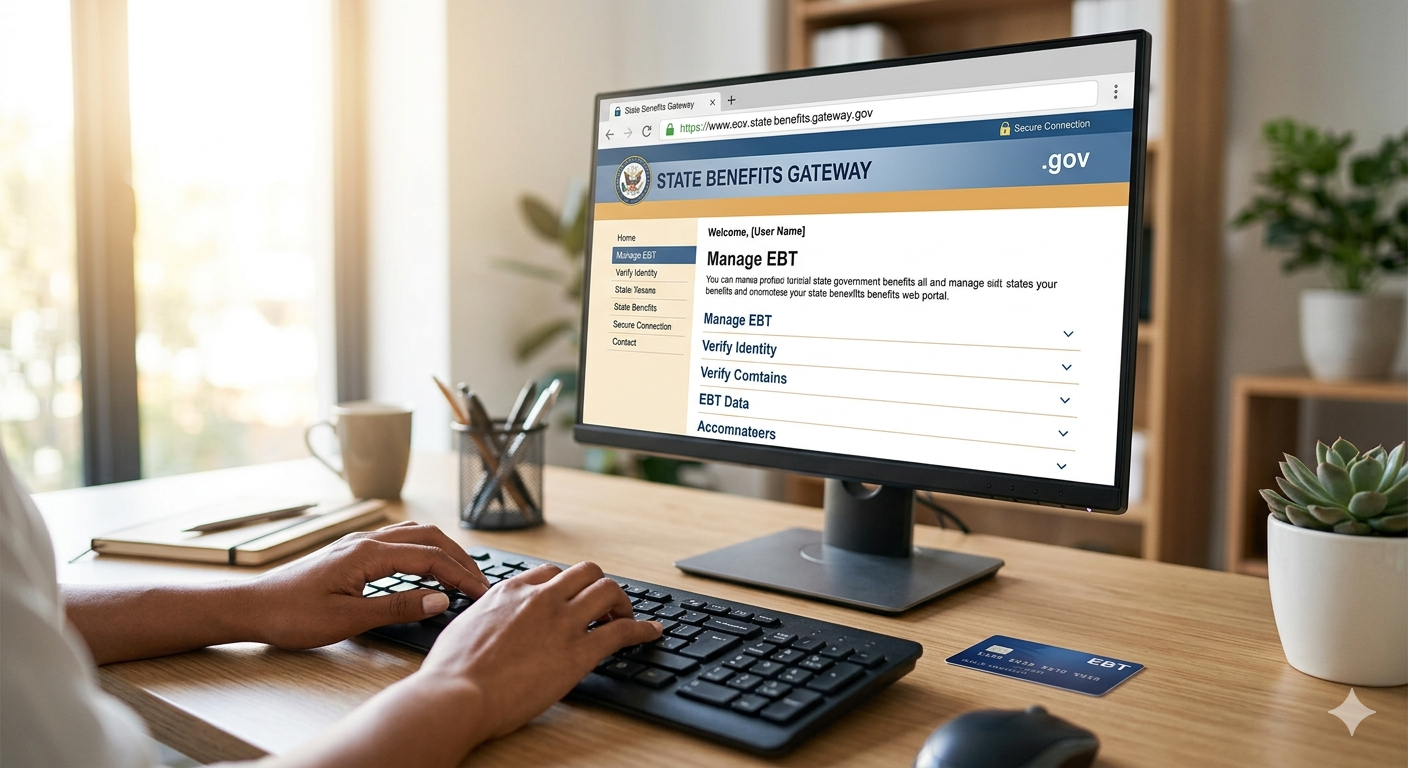
Additionally, potential applicants can submit their applications online through the WashingtonConnection portal, where they can also check application status and manage their accounts. In-person assistance is also available; local Community Service Offices (CSOs) can provide support for those with limited internet access or requiring personalized assistance. Contact information for CSOs can be found on the DSHS website, allowing participants to schedule appointments or seek walk-in services.
For individuals facing challenges with the new work requirements or eligibility conditions, organizations such as food banks and nonprofit agencies can offer support. Many of these local entities provide not only food assistance but also resources for job training and employment services aimed at helping individuals meet the new obligations linked to their Basic Food benefits. Participants experiencing obstacles are encouraged to reach out to local social service organizations for guidance on their specific situation, as they can offer tailored solutions. Lastly, keeping informed about policy changes and updates via official announcements from DSHS can empower participants to make well-informed decisions regarding their food assistance needs.