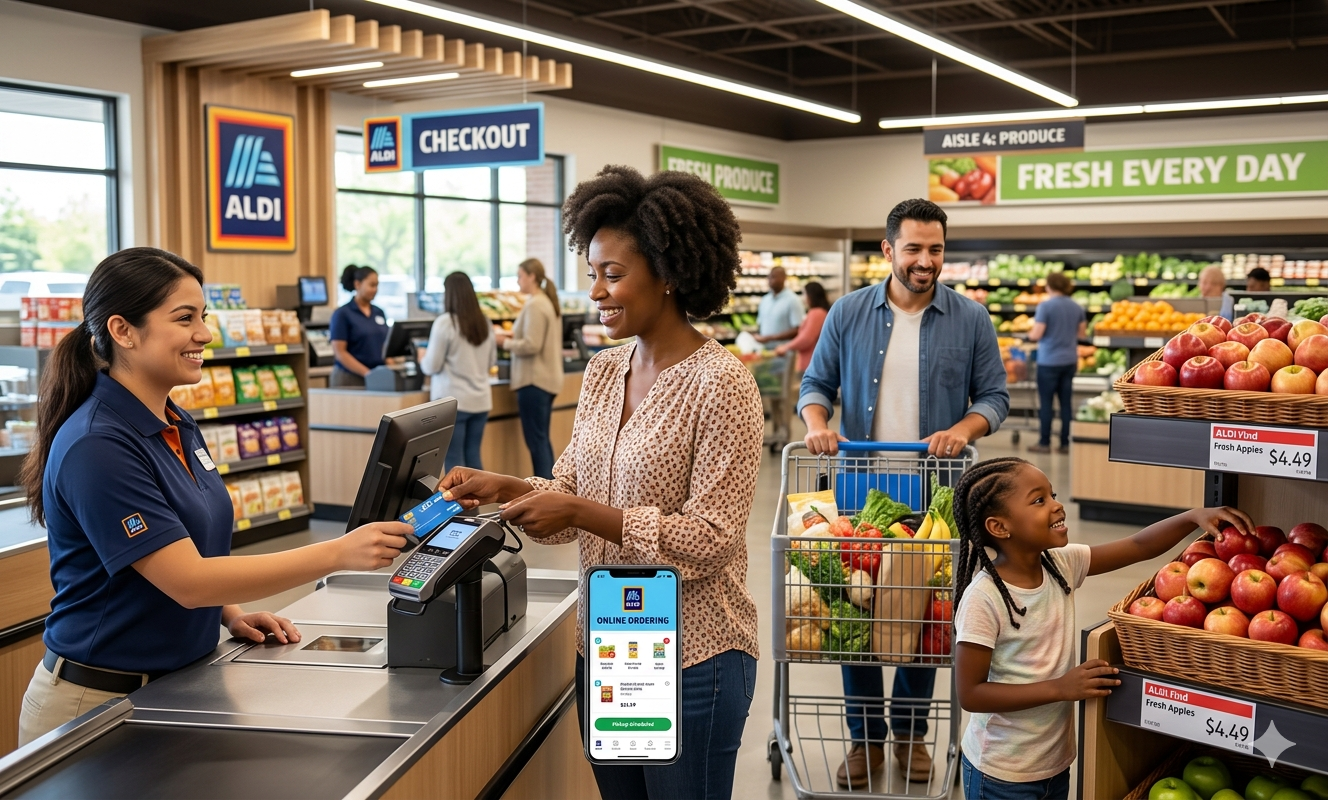
The Supplemental Nutrition Assistance Program (SNAP), widely recognized as the food stamps program, serves as a vital resource aimed at supporting low-income individuals and families in acquiring nutritious food. Established to combat hunger and food insecurity, SNAP operates through providing eligible participants with financial assistance that can be used to purchase food items necessary for a healthy diet.
SNAP is designed to ensure that individuals and families who may be struggling financially have access to essential nutrition. The program helps alleviate the burden of food costs, thereby enabling beneficiaries to allocate their limited financial resources toward other necessities such as housing, healthcare, and education. This assistance is crucial, particularly during economic downturns or periods of personal hardship, when individuals may find it difficult to meet basic food needs.
Eligibility for SNAP is determined by various factors, including household income, household size, and certain expenses. These criteria help target assistance to those in the most need, thus enhancing food security among vulnerable populations. Moreover, SNAP is not merely a financial handout; it plays a significant role in supporting local economies by generating an influx of federal funds into communities when beneficiaries use their benefits at grocery stores and farmers’ markets.
In summary, SNAP provides essential nutritional assistance to millions, reinforcing the program’s critical role in alleviating hunger and promoting health among low-income households across the nation. As discussions surrounding food security continue to evolve, understanding SNAP’s fundamentals can help potential beneficiaries navigate their eligibility and access vital support.
Understanding SNAP Eligibility Criteria
The Supplemental Nutrition Assistance Program (SNAP), commonly known as food stamps, is designed to assist low-income individuals and families in purchasing food. To qualify for SNAP benefits, applicants must meet specific eligibility criteria established by the U.S. government. These criteria primarily focus on income limits, resource limitations, and household composition.
First and foremost, income limits are a crucial factor in determining SNAP eligibility. In 2026, gross monthly income must generally be at or below 130% of the federal poverty level for a household to qualify. The exact income limit varies depending on the number of individuals in the household. Net income, defined as income after allowable deductions, also plays a role, as households must demonstrate that their net income does not exceed the threshold established by the program.
Additionally, resource limits are assessed when evaluating SNAP eligibility. Households typically cannot possess more than $2,750 in countable resources. This limit decreases to $1,500 for households that contain a member aged 60 or older or who are disabled. Countable resources include cash, bank accounts, and certain vehicles, while exempt resources may include homes and retirement accounts, contributing to the overall assessment of financial need.
Household composition further influences eligibility. SNAP defines a household as individuals who live together and share meals. Thus, students, individuals who are temporarily living separately, or those who are disqualified from receiving benefits may affect how a household’s eligibility is calculated. Understanding these nuances allows applicants to better navigate the process and ensure they meet the SNAP eligibility criteria to access essential food assistance.
Income Requirements for SNAP in 2026
In 2026, the Supplemental Nutrition Assistance Program (SNAP) continues to serve as an essential resource for individuals and families experiencing financial hardship. One of the primary determinants of eligibility for SNAP is the household’s income, which is assessed based on both gross and net income limits.
Gross income refers to the total income before any deductions are applied. For SNAP eligibility in 2026, households must meet a gross income limit, which is generally set at 130% of the Federal Poverty Level (FPL). This means that households with income exceeding this threshold may not qualify for assistance. The specific gross income limits can vary based on household size; typically, larger households will have higher gross income limits. For example, a four-person household might have a gross income limit of approximately $2,500 per month, but this figure could be adjusted based on the current FPL.
Net income, which accounts for allowable deductions such as childcare expenses, medical costs, and certain types of taxes, further refines eligibility. In 2026, to qualify for SNAP, the net income must generally be at or below 100% of the FPL. Deductions are particularly important as they can significantly lower a household’s net income, making it easier for families to qualify for benefits despite having a higher gross income.
It is also important to note that SNAP income limits are adjusted periodically to account for inflation and cost of living changes. Additionally, these limits can be affected by state-specific guidelines or emergency adjustments related to economic conditions. Thus, prospective applicants should regularly check SNAP guidelines in their state to understand the criteria applicable to their situation.
Resource Limits for SNAP
To determine eligibility for the Supplemental Nutrition Assistance Program (SNAP), households must adhere to specific resource limits. Resources refer to the assets that a household possesses, which can impact their qualification for food stamps. The definition of resources can vary slightly based on each state, but generally includes items such as cash, bank accounts, and certain properties.
For practical purposes, liquid resources—those that can be easily converted into cash—are often included in the SNAP resource calculations. This includes checking and savings accounts, stocks, bonds, and cash on hand. Households are allowed to have a limited amount of these liquid assets to qualify for food stamps. As of 2026, the resource limit for a household is set at $2,750. However, households that include a member aged 60 or older or a disabled individual may have a higher limit of $4,250.
On the contrary, not all resources are counted when determining SNAP eligibility. Certain assets are typically excluded, ensuring that households do not suffer due to possessions vital for their well-being or future stability. For example, the primary residence is exempt from the resource calculation, meaning homeowners do not need to worry about losing their food assistance due to their home value. Additionally, retirement accounts such as 401(k)s and IRAs are generally not counted against the SNAP resource limits as long as they remain inaccessible for the purposes of immediate spending.
Understanding these resource limits is important for any household assessing their qualification for food stamps. By knowing what counts as resources and what does not, applicants can better navigate their financial situation in relation to SNAP eligibility requirements.
Citizenship and Residency Requirements
The Supplemental Nutrition Assistance Program (SNAP), formerly known as food stamps, provides essential benefits to assist low-income individuals and families in accessing nutritious food. A fundamental aspect of determining eligibility for SNAP is understanding the citizenship and residency requirements set forth by the program.
To qualify for SNAP benefits, applicants must be U.S. citizens or meet specific criteria if they are non-citizens. U.S. citizens inherently qualify for SNAP; however, non-citizens may also qualify depending on their immigration status. Legal permanent residents (LPR), or green card holders, generally qualify for SNAP, provided they meet all other eligibility criteria, including income thresholds and resource limits.
Additionally, some non-citizens with specific statuses such as refugees, asylees, and certain veterans may also be eligible for SNAP benefits. However, they must have resided in the United States for a specified period before applying and comply with various documentation requirements. It is crucial that applicants provide appropriate documentation during the application process to verify their immigration status. This includes proof of lawful resident status or documentation from U.S. Citizenship and Immigration Services (USCIS) if they are non-citizens.
Moreover, each state may have variances in how they interpret and enforce SNAP eligibility regarding citizenship and residency. Therefore, it is essential for lawfully present non-citizens to check the specific requirements that pertain to their location. Understanding these nuances will ensure that applicants provide all necessary information and documents during the application process. This attention to detail not only facilitates a smoother application experience but also enhances the likelihood of receiving benefits for those who are eligible.
Work Requirements and Other Conditions
SNAP, or the Supplemental Nutrition Assistance Program, has established specific work requirements that must be adhered to in order to qualify for benefits. These mandates are primarily aimed at ensuring that able-bodied recipients are engaged in some form of meaningful employment or work-related activity. Generally speaking, individuals aged 18 to 49 who do not meet certain exemptions are required to partake in at least 80 hours of work or participation in approved training programs each month to remain eligible for SNAP benefits.
Furthermore, the work requirements may differ by state, as local programs can implement additional rules or variations. It’s essential for applicants to be aware of their specific state’s criteria and guidelines regarding work participation. In many cases, states provide resources and support to assist individuals in finding employment and complying with these requirements.
However, there are notable exemptions to these work requirements which can affect eligibility. For instance, individuals who are elderly, typically defined as those aged 60 and above, may not be subject to the same work obligations. Similarly, persons with disabilities, whether due to physical or mental health conditions, may also qualify for exemptions from these requirements.
Caretakers of children or other dependents are another category that is exempt from fulfilling the work requirements. This includes individuals responsible for the welfare of young children or those that require additional care. Understanding these exceptions is vital for those who might otherwise struggle to meet the work-related criteria. Thus, it is crucial for those seeking SNAP benefits to fully understand their personal circumstances and how they relate to both the work requirements and the potential exemptions that could apply.
How to Apply for SNAP Benefits
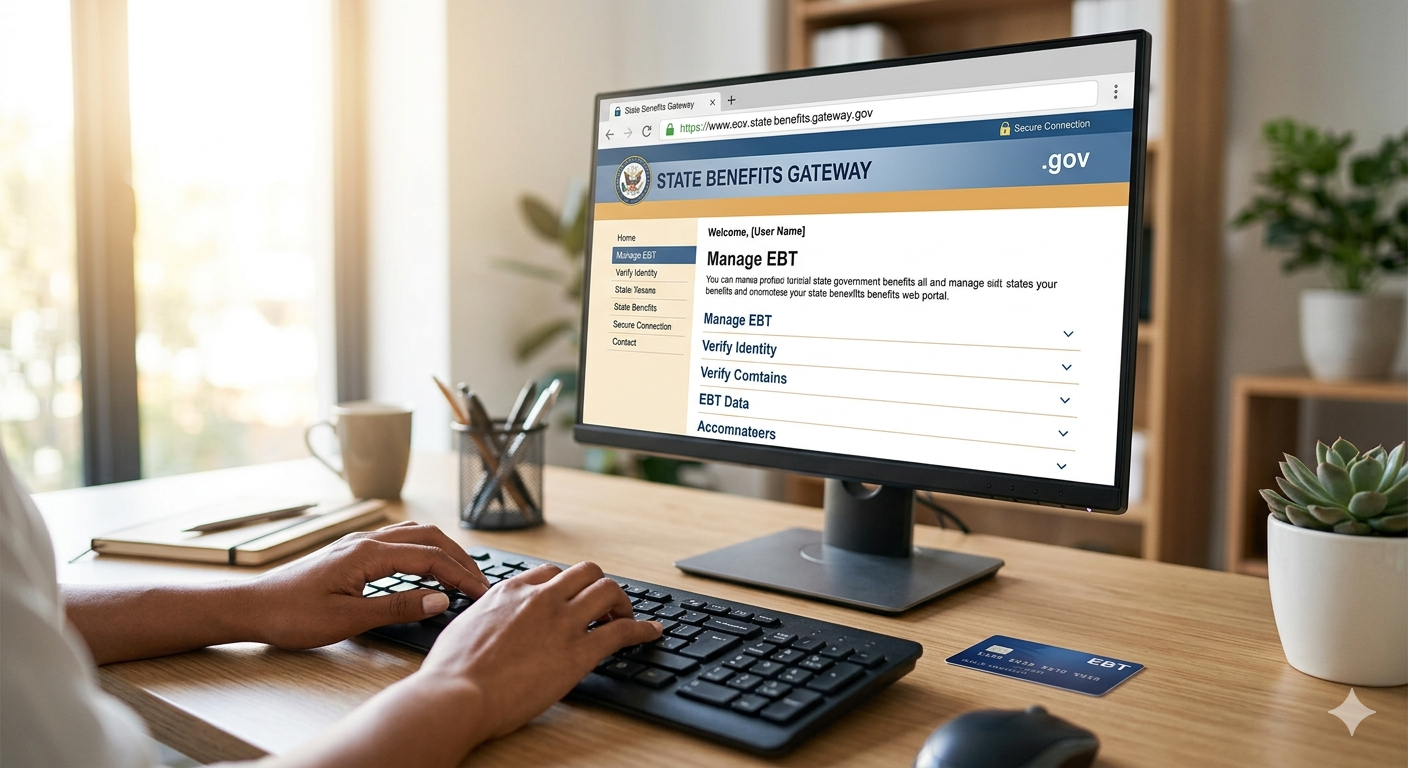
The application process for the Supplemental Nutrition Assistance Program (SNAP), commonly known as food stamps, is designed to be as accessible as possible to those in need. To begin, applicants must determine their eligibility based on household income, citizenship status, and other factors. The first step in applying for SNAP benefits is to visit the appropriate government website; this is typically your state’s Department of Social Services or equivalent agency. Most states now offer online applications, but it is also possible to apply in person at local offices or through telephone assistance.
When preparing your application, it is essential to gather the necessary documents. While specific requirements may differ slightly from state to state, typically required documentation includes proof of identity (such as a driver’s license or social security card), verification of residency (like a utility bill), and information regarding household income and expenses. Pay stubs, bank statements, and rental agreements are commonly requested to assess financial status accurately.
Applicants should also be mindful of deadlines or time frames during the application process. Most states aim to process applications within 30 days, though many may provide expedited services for individuals facing immediate food insecurity. It is advisable to follow up on your application status if you do not receive communication by the expected timeframe. Additionally, ensure that all documentation is complete and accurate to avoid delays.
It is crucial to review your state’s specific application process, as procedures and availability may evolve. By understanding how to apply for SNAP benefits effectively, you can move forward towards accessing the nutritional support for which you may qualify.
Understanding the Review Process
Once an application is submitted to the Supplemental Nutrition Assistance Program (SNAP) office, a thorough review process begins to determine eligibility. This process primarily focuses on critical factors such as income, household size, and allowable expenses. Each of these elements plays a vital role in assessing whether an applicant qualifies for food assistance.
The first step in the review process involves verifying the income of the applicant. SNAP guidelines require that applicants furnish proof of all sources of income. This can include pay stubs, tax returns, or other documentation to demonstrate whether the income falls within the thresholds set by the SNAP program. It is essential for applicants to ensure that they provide accurate and complete information, as discrepancies may lead to delays or denials.
Next, the household size is evaluated. SNAP utilizes a household definition that can include family members, roommates, or anyone who shares meals and resources. The number of individuals in the household directly influences the income limits and the benefit amounts for which the household may be eligible. It is crucial to specify all members who live together and share meal preparation or dining.
The review process also takes into account various expenses that can affect eligibility. For example, allowable deductions may include housing costs, childcare expenses, and certain medical expenses for elderly or disabled members. Applicants must provide documentation to support these claims, as they can impact the amount of benefits granted.
In some cases, the SNAP office may follow up with applicants for clarification or additional information. This may involve interviews or requests for further documentation to ensure that the information provided is comprehensive. Applicants are encouraged to respond promptly to any inquiries to facilitate the review process and avoid unnecessary delays in obtaining assistance.
Conclusion and Encouragement to Seek Assistance
In conclusion, the Supplemental Nutrition Assistance Program (SNAP) plays a crucial role in providing vital resources to individuals and families facing food insecurity. If you believe that you may qualify for food stamps, it is essential to take the necessary steps to apply and gain access to these benefits. The program is designed to assist those who are struggling to afford nutritious food, ultimately promoting better health and well-being.
Qualifying for SNAP benefits can vary based on a variety of factors including household income, family size, and expenses. If you think you meet the eligibility criteria, do not hesitate to reach out and initiate the application process. Resources are available to help guide you through this process, making it as smooth as possible.
There are numerous avenues for assistance when seeking information on how to apply for food stamps. You can visit the official SNAP website for your state, where you can find detailed information about eligibility, application procedures, and local resources. Many community organizations and food banks also provide additional support and can help you navigate the application process.
Moreover, consulting local social services can provide access to further aid, including assistance in filling out forms and understanding your rights and responsibilities as a SNAP recipient. Remember, asking for help is a sign of strength, and accessing these benefits can make a significant difference in your life. Do not hesitate to seek out the support that is available to you.