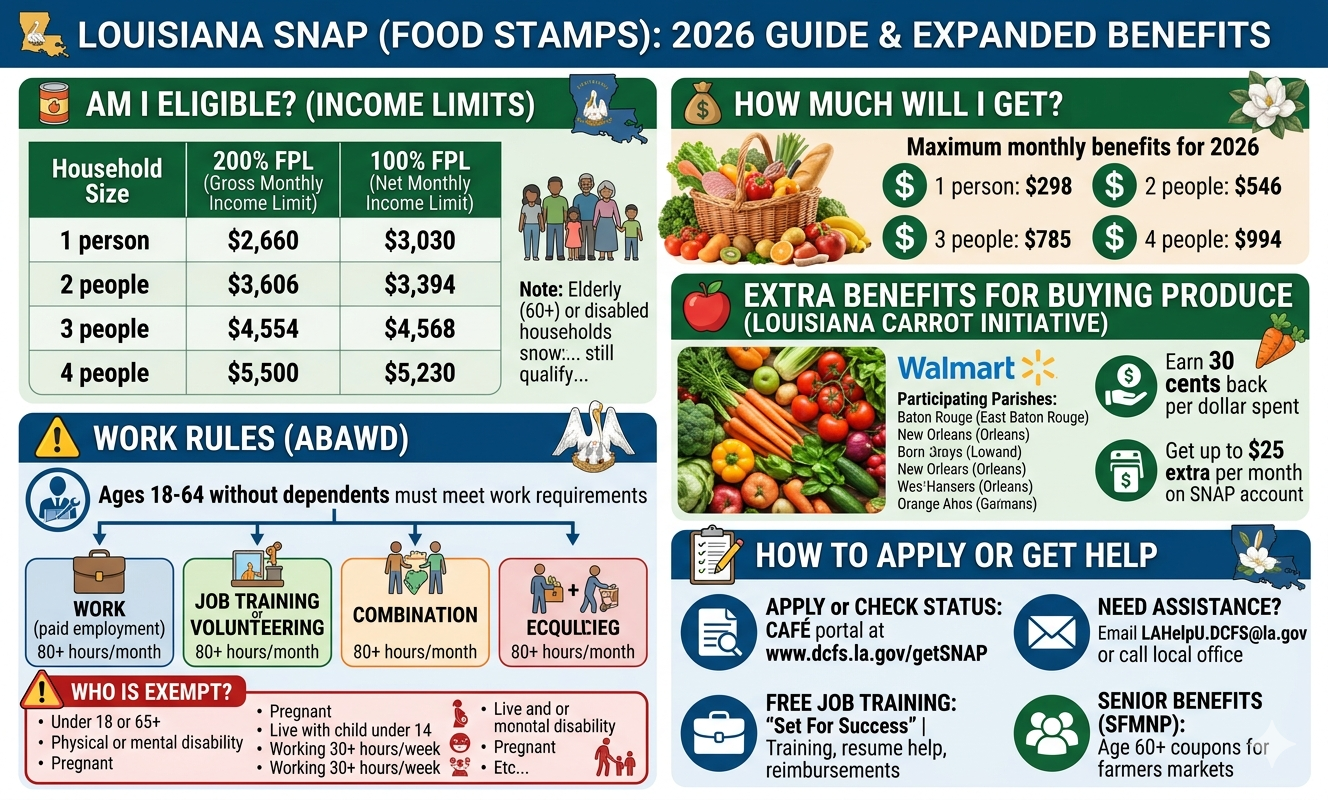
The One Door Transition represents an important initiative aimed at enhancing the efficiency of benefit programs such as the Supplemental Nutrition Assistance Program (SNAP) in Louisiana. This initiative seeks to consolidate various state services under a single entry point, thereby simplifying the experience for individuals seeking assistance. Historically, residents have navigated complex systems that often delay access to essential benefits, creating significant barriers for those in need. By streamlining the application process and centralizing resources, the One Door Transition provides a clearer pathway for residents to access necessary support.
Central to the One Door initiative is the goal of improving customer experience by reducing redundancies and minimizing the need for applicants to multiple agencies. This transition will allow individuals to apply for a range of benefits—including SNAP, Medicaid, and Temporary Assistance for Needy Families (TANF)—at one location. Moreover, it aims to improve data sharing among governmental bodies, ensuring that clients receive faster, more accurate responses to their benefit applications. The initiative reflects a broader commitment to incorporating user-centered practices in public service delivery.
As the One Door Transition progresses, it is vital for stakeholders to be aware of its implications for benefit renewals. With an organized platform, these renewals are expected to become more intuitive and less prone to errors, ultimately facilitating continuous access to benefits for residents. The implementation of this transition underscores a significant shift towards a more integrated approach, aligning various social services that significantly impact the quality of life of individuals in Louisiana.
What is SNAP and How Does It Work?
The Supplemental Nutrition Assistance Program (SNAP) is a federal assistance program designed to provide nutritional support to low-income individuals and families across the United States. The primary goal of SNAP is to alleviate food insecurity and help participants maintain a healthy diet by supplementing their food purchasing capabilities.
SNAP operates under the principle that adequate nutrition is essential for a healthy life, and it seeks to bridge the gap for those who might otherwise struggle to afford essential food items. For many individuals, SNAP serves as a critical lifeline, ensuring that they have access to sufficient food resources, especially during economic hardships or emergencies.
To be eligible for SNAP benefits, applicants must meet certain income and resource criteria that vary by household size and state. Generally, households must have a gross income that falls below a specified threshold, which is typically set at 130% of the federal poverty level. Additionally, other factors—such as household composition, age, and citizenship status—play a significant role in determining eligibility.
The application process involves submitting detailed information regarding income, expenses, and household demographics to the appropriate state agency. After application submission, households may undergo an interview process, often conducted in person or over the phone, to verify the information provided.
Once enrolled, SNAP beneficiaries are required to renew their benefits periodically, which involves re-evaluating their eligibility based on updated income and resource information. Renewal must be completed within a specific timeframe to ensure ongoing assistance. This process ensures that benefits are distributed fairly while adjusting for changes in participants’ life circumstances, making SNAP a vital component of the social safety net aimed at combating hunger and poverty.
The Role of Agencies in Benefit Management
The administration of Supplemental Nutrition Assistance Program (SNAP) benefits involves various agencies, which play crucial roles in ensuring that beneficiaries receive the assistance they need. Historically, the Department of Children and Family Services (DCFS) and the Department of Health have been instrumental in managing these benefits; however, the One Door transition has introduced significant changes to their respective roles.
Before the One Door transition, the DCFS was primarily responsible for the assessment and determination of SNAP eligibility. They interacted directly with applicants, guiding them through the process of applying for benefits. At the same time, the Department of Health provided support services that contributed to the health and well-being of the beneficiaries, often focusing on supplemental nutritional programs. The coordination between these agencies, although present, could sometimes lead to inefficiencies and delays, affecting the overall service delivery.
Post One Door transition, a more integrated case management system has been introduced, fundamentally altering the landscape of benefit management. This system centralizes access to various support services, allowing individuals and families to apply for various programs through a single point of contact. As a result, the roles of the DCFS and the Department of Health have evolved into a more collaborative framework, wherein they share information seamlessly and continue to work toward the holistic support of SNAP beneficiaries.
This collaborative approach not only enhances the efficiency of service delivery but also reduces the burden on case managers who previously dealt with fragmented systems. By streamlining processes and promoting inter-agency cooperation, the One Door transition aims to improve the overall experience for applicants and ensure that they receive timely assistance. Ultimately, as agencies adapt to their new roles within this framework, the focus remains on providing accessible and effective benefit management for all individuals seeking help.
Continuity of Benefits During the Transition
During the implementation of the One Door transition, state officials have underscored their commitment to ensuring the continuity of Supplemental Nutrition Assistance Program (SNAP) benefits for all eligible individuals and families. Recognizing the potential concerns that such transitions may pose, the state has taken proactive measures to guarantee that beneficiaries will continue to receive their assistance without interruption.
Key statements from the Department of Human Services have affirmed that all SNAP benefit renewals will proceed as normal during this period of change. The agency has emphasized its implementation plan, which includes streamlined processes designed to minimize any disruptions in service. This effort aligns with the state’s broader objective to enhance accessibility and efficiency within the social safety net programs.
Moreover, officials have reasserted that, despite the adjustments brought forth by the One Door initiative, existing regulations governing SNAP benefits will remain strictly adhered to. This means that renewals will occur on their scheduled timelines, without requiring additional actions from beneficiaries unless specifically communicated otherwise. As a result, residents can have confidence in their ongoing eligibility and benefit levels, securing their vital access to nutritional support.
The State’s commitment was further highlighted in public announcements and community engagement sessions, where officials fielded questions from anxious beneficiaries. They affirmed that systems are in place to support a seamless transition, including dedicated resources to assist individuals in navigating the changes related to the One Door initiative. This reassurance aims to foster trust among SNAP recipients, mitigating fears regarding the reliability of their support during this period.
Where to Access Your Benefits Information
The One Door transition has significantly altered the way beneficiaries access their benefits information. With this transition, the process has been streamlined to enhance user experience, but it also introduces new login procedures that users must familiarize themselves with. Previously, accessing benefits might have required navigating multiple portals, but the new system consolidates this information into a single platform, promoting efficiency.
To access your benefits, you will now need to visit the dedicated One Door portal. Here, users are required to set up a new account if they have not done so previously. This process typically involves providing basic personal information and creating secure login credentials. Once the account is established, users can easily log in to view their benefits information, track claims, and retrieve notices.
In addition to accessing benefits, the portal also allows users to check the status of their claims in real-time. The claims section is typically designed for intuitive navigation, enabling users to quickly locate their claim details. For those unsure about their claims’ statuses, a dedicated customer service section within the portal provides additional support, ensuring help is readily available during this transition.
Furthermore, benefit notices, which were once sent via traditional means, are now accessible directly through the One Door portal. This change not only reduces delays often caused by postal services but also allows for immediate access to important updates regarding benefits. Beneficiaries are encouraged to regularly log into the portal to stay up-to-date on their benefits, claims, and notices, ensuring they are well-informed about any changes or requirements.
Updates on Communication Channels
Recent changes have significantly impacted communication with the agencies managing the Supplemental Nutrition Assistance Program (SNAP). It is essential for beneficiaries and interested parties to stay informed about updates related to SNAP benefits, as well as any alterations in contact information or procedures.
Firstly, several agencies have streamlined their communication channels to improve efficiency. Many SNAP offices have transitioned to utilizing online portals as the preferred method for updates and notices. Beneficiaries are encouraged to register on these platforms to receive instant notifications about their benefit renewals, eligibility changes, and other important information. This shift toward digital communication is part of a larger effort to modernize services, reduce wait times, and enhance customer satisfaction.
Moreover, updated contact details for state-specific agencies managing SNAP are available online. It is advisable for beneficiaries to verify their local office’s information to ensure they are reaching out via the correct phone number or email address. In many cases, agencies have established dedicated hotlines where beneficiaries can inquire about their applications or speak with a representative regarding changes in their benefits.
In addition to phone and email communications, there has been an increase in the use of text message alerts. Beneficiaries who opt-in can receive timely reminders about important deadlines, including renewals and recertifications. This method of communication has proven to be effective in ensuring that important notifications reach recipients swiftly.
Lastly, physical office locations have also seen updates. It is crucial for beneficiaries to check if their local offices have moved or adjusted their hours of operation due to recent reforms. Understanding these communication enhancements will help ensure that SNAP recipients remain informed and engaged with their benefits.
Key Things to Watch For During the Transition
The One Door Transition presents numerous implications for beneficiaries as they navigate through the renewal of benefits. It is crucial for individuals to be vigilant concerning several factors that may influence their access to necessary services. First and foremost, monitoring the deadlines for benefit renewals is essential. These dates are often set by administrative agencies and can vary significantly. Ensuring timely submission of all required documentation will prevent any lapse in coverage, which could lead to a disruption of services that beneficiaries rely upon.
Another significant aspect to consider is any changes in notification methods. As the transition progresses, beneficiaries may encounter new procedures to receive important updates regarding their benefits. These might include shifts from traditional mail notifications to digital platforms or text alerts. Staying informed about these changes is vital to ensure that beneficiaries do not miss any critical information that could affect their entitlements.
Furthermore, beneficiaries should be aware of any potential impacts on benefits as a result of the One Door Transition. The reorganization of services may lead to alterations in eligibility criteria or adjustments in the types of benefits provided. It is advisable for individuals to proactively engage with caseworkers or program representatives to clarify any uncertainties regarding their specific situations. Additionally, being proactive may also reveal additional resources or support systems that have emerged due to the transition.
In summary, beneficiaries must remain attentive to deadlines, changes in notification methods, and possible impacts on their benefits during the One Door Transition. By actively monitoring these key factors, individuals can ensure a smoother transition and continued access to essential programs and services.
The transition to the One Door framework can bring about various changes for beneficiaries, who may have inquiries or require assistance during this period. It is essential for individuals to be aware of the support available to them, which encompasses a wide array of resources designed to facilitate a smooth transition and address any concerns that may arise.
One of the primary avenues for beneficiaries seeking clarification or services is through dedicated hotlines. These hotlines typically provide immediate assistance from trained professionals who can answer specific questions and guide users through the benefits renewal process. Beneficiaries can reach out to state or local hotlines, which often offer support tailored to the new system and provide updated information relevant to the One Door transition.
In addition to hotlines, several websites focus on delivering accurate information and resources. Beneficiaries are encouraged to visit official government websites that detail programs, eligibility requirements, and benefits. Many of these platforms also include FAQs and additional contact information for further inquiry, ensuring beneficiaries have access to reliable data.
Community organizations play an integral role in providing support during the transition. Local non-profits and advocacy groups often host information sessions and workshops aimed at educating the public on the new system. These organizations are valuable resources as they can assist beneficiaries one-on-one, helping them navigate the complexities of benefit renewal under the One Door initiative.
It is crucial for beneficiaries to leverage these resources effectively. Reaching out for help demonstrates proactive engagement in ensuring their benefits are secure, especially during significant transitions like the One Door rollout. Accessing reliable information and support can greatly enhance the experience of beneficiaries as they navigate these changes.
Conclusion and Final Thoughts
The One Door transition marks a pivotal shift in the administration of SNAP benefits, aiming to streamline the renewal process for beneficiaries. By consolidating services under a unified system, the One Door initiative facilitates easier access to essential resources, thereby enhancing the experience for those relying on these crucial benefits. Throughout this blog post, we have explored the intricacies of this transition, underlining its significance in reducing administrative burdens both for the agencies involved and the beneficiaries seeking assistance.
This transition not only simplifies the way individuals can apply for and renew their benefits but also emphasizes the importance of remaining informed about changes and resources available. Beneficiaries are encouraged to actively engage with the One Door system, ensuring that they remain aware of deadlines, documentation requirements, and new procedures introduced as part of this transition.
Moreover, the One Door initiative’s focus on accessibility and user-friendliness is poised to create a more accommodating environment for individuals and families in need of support. By actively participating in this process, beneficiaries can navigate through potential challenges with greater ease. Staying connected with community resources, understanding updates in the benefits framework, and advocating for one’s own needs can further ensure a smooth transition during benefit renewals.
Ultimately, the One Door transition represents an important step towards enhancing the efficiency and effectiveness of benefit distribution, serving as a reminder of the value of engagement with available systems. As we move forward, it is crucial for all stakeholders to embrace the changes brought by the One Door initiative, fostering a supportive atmosphere for all individuals relying on SNAP benefits.