The Supplemental Nutrition Assistance Program (SNAP), commonly referred to as food stamps, plays a critical role in addressing food insecurity across the United States, including in Louisiana. Established to provide nutritional assistance to low-income individuals and families, SNAP aims to alleviate hunger and improve the nutrition of those eligible. As we progress into 2026, understanding the program’s purpose and operation in Louisiana remains essential for potential applicants and advocates tackling food access issues.
Eligibility for SNAP in Louisiana is determined by several factors, including household size, income, and expenses. Generally, households must have gross income that does not exceed 130% of the federal poverty level to qualify. In addition, applicants must meet resource limits, which typically include cash and bank accounts. Louisiana has made considerable efforts to simplify the application process, introducing an online platform that allows residents to apply efficiently and check their application status at their convenience.
Here is the most current information on Louisiana SNAP (Food Stamps) for 2026, including recent expansions to the fruit and vegetable incentive program.
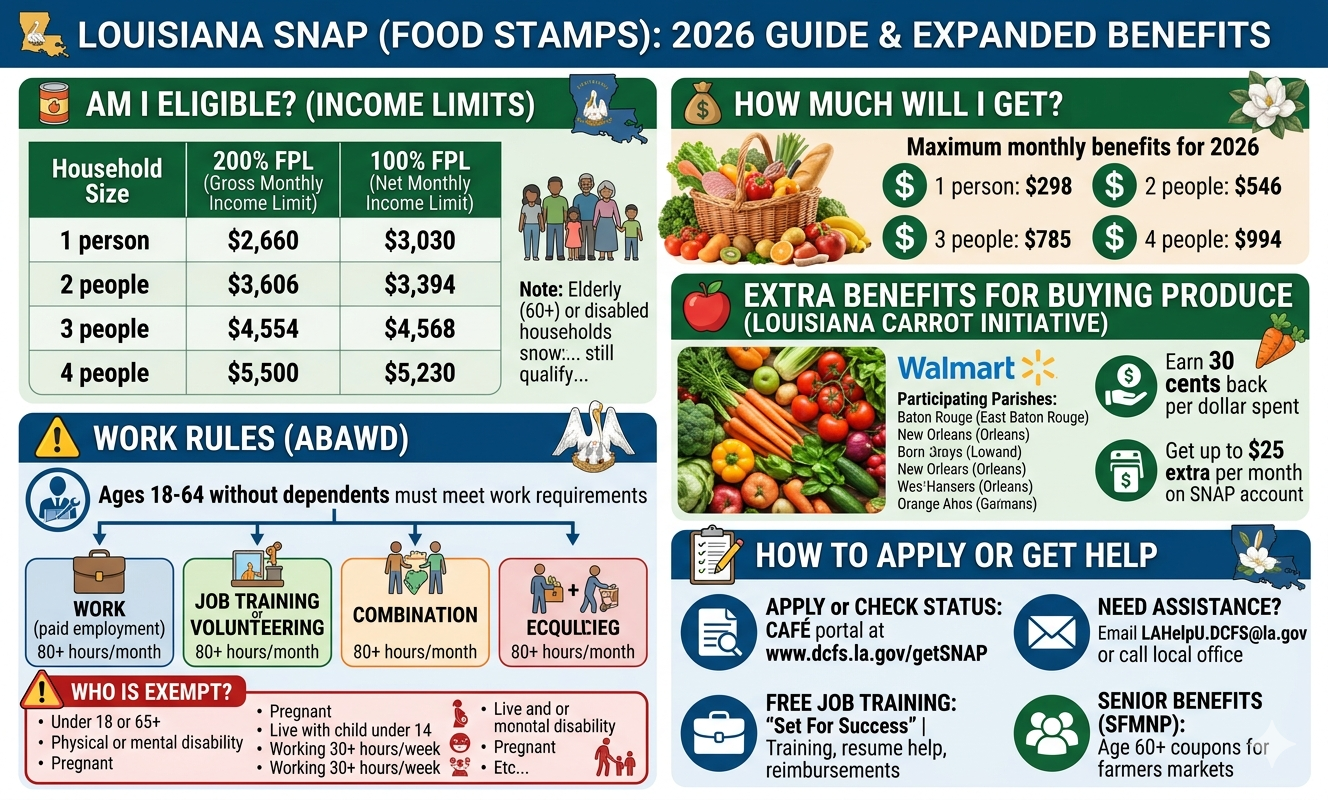
🥫 Am I Eligible? (Income Limits)
Louisiana uses Broad-Based Categorical Eligibility (BBCE), which means you generally qualify if your gross monthly income is at or below 200% of the Federal Poverty Level (FPL) .
Household Size
200% FPL (Gross Monthly Income Limit)
100% FPL (Net Monthly Income Limit)
1 person
Up to $2,660
$1,330
2 people
Up to $3,606
$1,803
3 people
Up to $4,554
$2,277
4 people
Up to $5,500
$2,750
Note: Elderly (60+) or disabled households that exceed the gross income limit may still qualify by meeting the net income and asset tests .
💰 How Much Will I Get?
The amount depends on your income after deductions, but these are the maximum monthly benefits for the 2026 fiscal year (Oct 2025 – Sept 2026) :
1 person: $298
2 people: $546
3 people: $785
4 people: $994
🍎 Extra Benefits for Buying Produce (Louisiana Carrot Initiative)
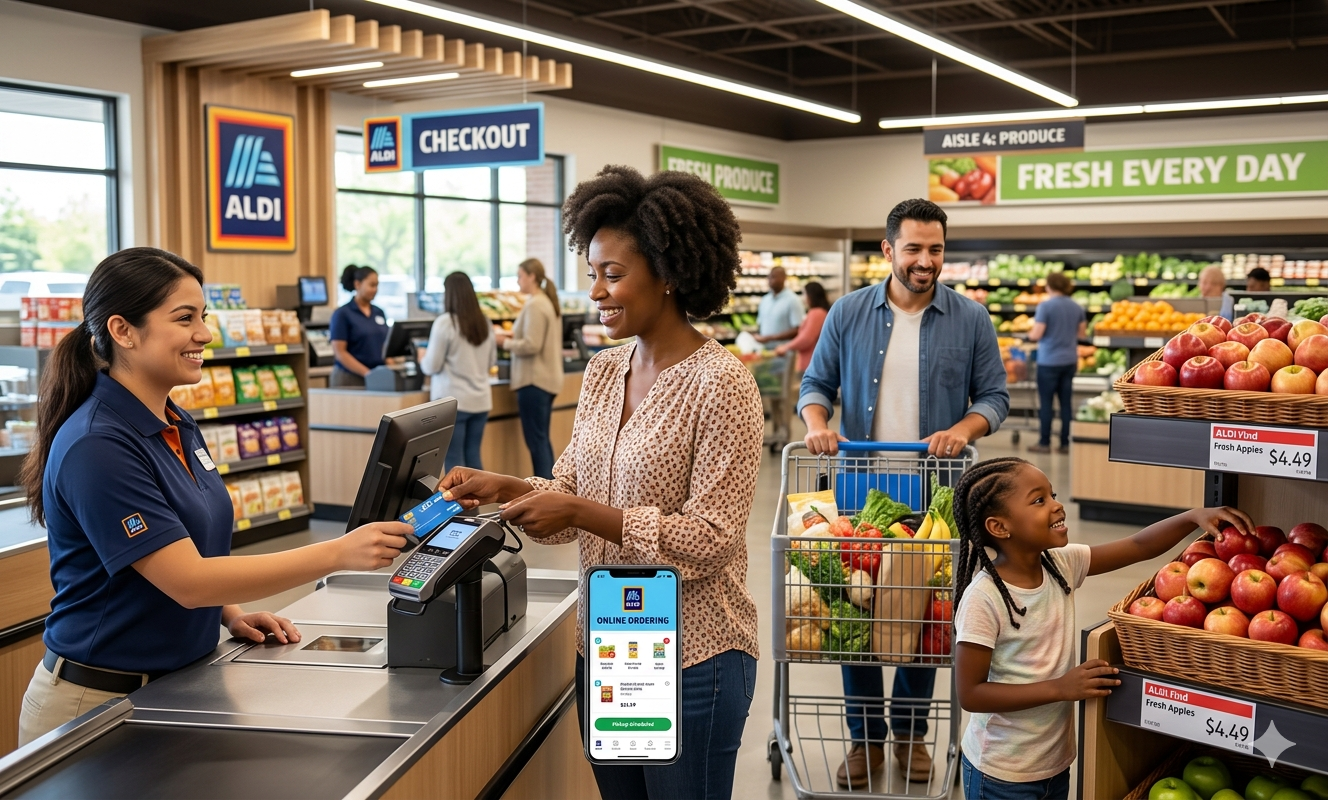
Louisiana has expanded a program that gives you money back when you buy fresh fruits and vegetables . If you shop at participating Walmart stores in certain parishes, you can earn 30 cents back for every dollar you spend on fresh produce. You can get up to $25 extra per month added to your SNAP account, which you can then use at any store that accepts SNAP .
Participating parishes include Baton Rouge (East Baton Rouge), New Orleans (Orleans), and 11 others: Ascension, Calcasieu, Jackson, Lafayette, LaSalle, Sabine, Tangipahoa, Terrebonne, Rapides, Webster, and West Carroll .
⚠️ Work Rules (ABAWD)
If you are an “Able-Bodied Adult Without Dependents” (ABAWD) between 18 and 64 years old, you must meet work requirements or your benefits will be limited to 3 months in a 3-year period .
You must do one of the following for at least 80 hours per month:
Work (paid employment)
Participate in job training or volunteering
A combination of both
Who is Exempt? You are exempt from these requirements if you :
Are under 18 or 65+
Have a physical or mental disability
Are pregnant
Live with a child under 14 in your household
Are already working 30+ hours/week or earning $217.50+ per week
Are attending school, college, or a training program at least half-time
📝 How to Apply or Get Help
Apply or Check Status: The official portal is the CAFÉ customer portal at www.dcfs.la.gov/getSNAP. You can apply online, upload documents, and check your case status there .
Need Assistance? You can email documents to LAHelpU.DCFS@la.gov or call your local DCFS office .
Free Job Training: If you need help meeting the work requirement or want to gain new skills, Louisiana offers a free, voluntary SNAP Employment & Training (E&T) program called “Set For Success.” It provides job training, resume help, and can even reimburse you for transportation, childcare, and internet costs .
Senior Benefits (SFMNP): If you are 60+ and meet income limits ($2,461/month for a single person), you can apply for the Senior Farmers Market Nutrition Program to get coupons for fresh produce from local farmers markets .
Would you like more details on how to upload documents to CAFÉ or specific job training options available through the “Set For Success” program?
Recent Changes to SNAP Benefits in 2026
In 2026, significant adjustments have been implemented to the Supplemental Nutrition Assistance Program (SNAP) benefits in Louisiana, reflecting the state’s commitment to enhancing food security for its residents. One of the primary changes includes the revision of income eligibility thresholds, which has been raised to accommodate the increasing cost of living. This adjustment allows more households to qualify for food assistance, thereby expanding access to nutritional support to a broader segment of the population.
Additionally, the benefit amounts provided to eligible households have seen an increase, which is intended to better address the rising prices associated with essential food items. Historical data has revealed that many recipients struggle to meet their nutritional needs within the confines of previous benefit levels; therefore, this enhancement is aimed at ensuring that SNAP recipients have sufficient funds to procure adequate food supplies.
Furthermore, policymakers have introduced several policy shifts aimed at streamlining the application process for SNAP benefits. The new protocols are designed to reduce bureaucracy and improve processing times, making it easier for both existing recipients and new applicants to navigate the system. For instance, the option for online applications has been bolstered, thereby allowing individuals to apply for benefits from the comfort of their homes, which is particularly beneficial for those with mobility challenges.
In summary, the 2026 changes to SNAP benefits in Louisiana signify a notable effort to adapt to economic realities and enhance the overall efficacy of the program. With increased income eligibility thresholds, augmented benefit amounts, and improved access through policy reforms, residents are likely to find greater support in meeting their nutritional needs and fostering better health outcomes for themselves and their families.
The Fruit and Vegetable Incentive Program (FVIP) is an initiative designed to improve access to fresh produce among participants in the Supplemental Nutrition Assistance Program (SNAP) in Louisiana. The primary goal of FVIP is to encourage healthier eating habits by providing vital financial assistance for the purchase of fruits and vegetables. By enhancing affordability, this program seeks to bridge the gap between low-income households and nutritious food options, thereby aiming to improve overall public health.
FVIP integrates seamlessly with SNAP, providing additional benefits that make it easier for recipients to purchase fresh produce. When SNAP participants use their benefits to buy fruits and vegetables, FVIP offers matching incentives, effectively increasing their purchasing power. For instance, a participant may spend $10 in SNAP benefits on fresh produce and receive an additional $10 in FVIP incentives, allowing them to acquire more fruits and vegetables at no additional cost. This counteracts common barriers such as cost which often deter low-income families from making healthier choices.
The benefits of the FVIP extend beyond individual participants. By promoting local farming and markets, FVIP stimulates economic growth in communities, supporting local agricultural systems. Increased demand for fruits and vegetables helps local farmers expand their operations, creating a robust cycle that benefits both producers and consumers. FVIP is not simply about providing access; it strives to create an environment that nurtures healthier eating habits and fosters sustainable practices within local economies.
In summary, the Fruit and Vegetable Incentive Program plays a crucial role in enhancing the nutritional offerings available to Louisiana SNAP recipients. By offering direct financial incentives, the program empowers households to prioritize healthier food options, ultimately contributing to improved health outcomes for the community at large.
Expansions to the FVIP in 2026
In 2026, significant advancements have been made to the Louisiana Food Incentive Program (FVIP), aiming to enhance food access and bolster nutrition among residents utilizing SNAP benefits. One of the key expansions involves the introduction of new funding sources. State and federal governments, alongside private sector partners, have committed substantial resources to support the initiative. This strategic financial boost allows for an increase in the number of participants in the FVIP, facilitating greater outreach to those in need.
Additionally, partnerships with local farmers and markets have been instrumental in transforming the FVIP’s scope. By collaborating with local agricultural producers, the program not only promotes the consumption of fresh, nutritious foods but also stimulates the local economy. These partnerships enable participants to purchase locally grown produce at discounted prices, promoting both food security and community support. The integration of these local vendors enriches the food choices available to SNAP recipients, thereby improving their overall dietary quality.
Furthermore, 2026 has witnessed the launch of several pilot programs designed to assess the effectiveness of new approaches within the FVIP framework. These programs focus on diverse aspects of food access, including mobile markets and community-supported agriculture initiatives. Such innovative strategies aim to reach underserved areas, promoting equitable access to healthy foods. The success of these pilot programs could lead to broader implementation across the state, ensuring a lasting impact on the nutritional landscape for Louisiana residents.
Overall, the modifications to the FVIP in 2026 demonstrate a concerted effort to improve nutrition access via strategic partnerships and innovative funding models. These changes not only aim to enhance the effectiveness of the program but also prioritize sustainable solutions for food security in Louisiana.
Eligibility for the Expanded FVIP
The Expanded Fresh Vegetable Incentive Program (FVIP) is designed to improve access to nutritious foods for Louisiana residents who participate in the Supplemental Nutrition Assistance Program (SNAP). As of 2026, the eligibility criteria for the FVIP have been broadened to allow more individuals and families to benefit from the program. First and foremost, participants must currently receive SNAP benefits to qualify for the FVIP. This requirement serves to ensure that the incentives are directed towards those who are already facing food insecurity and could utilize additional support in obtaining fresh produce.
In terms of income limits, Louisiana SNAP recipients with household incomes at or below 200% of the federal poverty level are eligible for the expanded FVIP program. This threshold is designed to include a wider demographic of low-income families, thereby encouraging them to access healthier food options without the stress of financial burden. For instance, a family of four can earn up to approximately $53,000 annually and still qualify.
Furthermore, participants in the FVIP can take advantage of various incentives, such as increased benefits when purchasing fresh fruits and vegetables. This initiative not only aims to enhance the nutritional quality of SNAP recipients’ diets but also supports local farmers and markets. To maximize these benefits, individuals are encouraged to shop at approved retailers where they can receive extra credits for FVIP-eligible purchases. Overall, by understanding the expanded eligibility criteria and available incentives, Louisiana SNAP participants can better navigate their options and make healthier food choices.
Impact of the FVIP on Local Communities
The Fresh Value Incentive Program (FVIP) in Louisiana has significantly influenced local communities, fostering a multifaceted improvement in accessibility, economy, and health outcomes. By increasing the availability of fresh produce for SNAP participants, this initiative has enabled residents to enhance their diets, thus directly impacting nutritional quality. The FVIP not only broadens access to nutritious foods but also promotes a shift towards healthier eating patterns, which is vital in fighting prevalent health issues like obesity and diabetes that challenge many communities in Louisiana.
Moreover, the economic implications of the program are noteworthy. The expansion of the FVIP provides local farmers with an essential market for their produce by allowing them to accept SNAP benefits. This symbiotic relationship not only supports farmers’ livelihoods but also ensures that consumers have access to locally sourced, fresh foods. The influx of government support through SNAP within these communities means an increased demand for fresh produce, thereby stimulating local economies and creating jobs in agriculture and food distribution.
Additionally, the FVIP catalyzes community engagement and cohesion. Farmers’ markets and local food cooperatives, where SNAP beneficiaries can use their benefits, often serve as community gathering spots. This promotes social interaction and encourages a sense of belonging among residents. The improvement in access to fresh produce contributes to a more robust local food system, which enhances community resilience in the face of economic challenges.
Accessing the Supplemental Nutrition Assistance Program (SNAP) and the Family Violence Intervention Program (FVIP) benefits in Louisiana can be streamlined by following a series of straightforward steps. Firstly, applicants must determine their eligibility for these programs, as both have varying requirements related to household income, assets, and specific situational factors. To assist in this process, the Louisiana Department of Children and Family Services (DCFS) provides comprehensive resources on its official website.
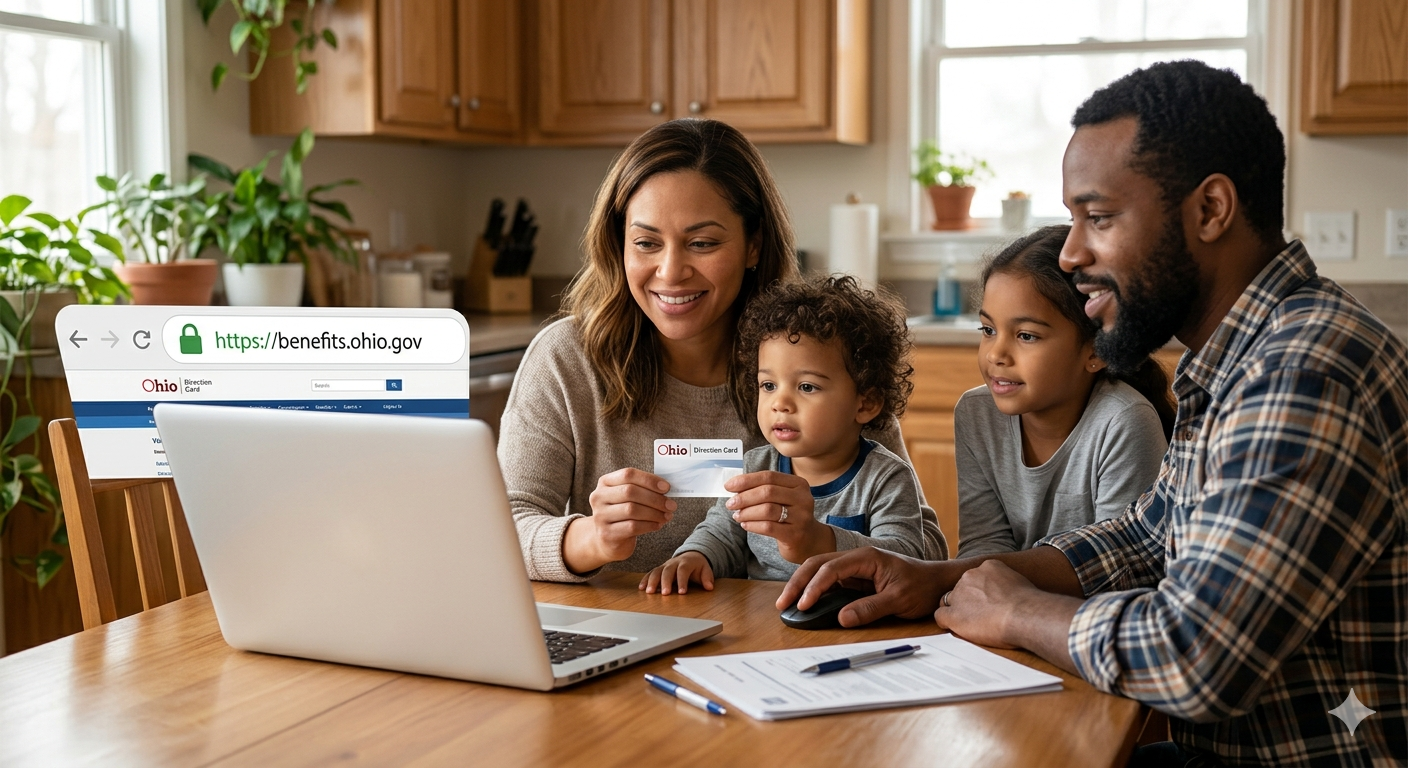
To begin the application for SNAP benefits, individuals can utilize the online portal known as LEAD (Louisiana Easy Access Database). This platform allows for an efficient submission of applications, ensuring applicants can upload necessary documentation such as proof of income and identification directly. For those who prefer in-person assistance, local DCFS offices can also accept applications and provide valuable guidance throughout the process.
Similarly, the FVIP application can be accessed through the DCFS website, along with vital resources for individuals seeking assistance due to domestic violence situations. This program offers a layer of support crucial for ensuring the well-being of families facing such challenges. It is essential for applicants to carefully fill out all required sections of the application and provide accurate information to expedite the approval process.
In terms of tips for a successful application, it is advisable to keep comprehensive records of all documents submitted, including any identifiers such as case numbers. Following up with DCFS regarding application status can also be beneficial. If receiving assistance in person, engaging with staff and asking clarifying questions can further ensure a smooth application experience. By using these tools and resources, individuals in Louisiana can effectively navigate the process of accessing SNAP and FVIP benefits, fostering greater access to necessary nutrition and support services.
Success Stories from SNAP Recipients
In Louisiana, the Supplemental Nutrition Assistance Program (SNAP) has significantly impacted the lives of countless individuals and families. This program not only provides essential food assistance but also fosters long-term financial stability and improved well-being for recipients. Through personal testimonies, we can gain a deeper understanding of how SNAP and associated initiatives, such as the Food Insecurity Intervention Program (FVIP), have made a difference.
For instance, one recipient named Mary, a single mother of two, shared her experience of being able to purchase fresh fruits and vegetables at her local grocery store thanks to the SNAP benefits she receives. Before enrolling in SNAP, Mary often struggled to make ends meet, relying on cheap, unhealthy processed foods. Now with the added support, she reports that her family’s overall health has improved, and they enjoy cooking together with the new ingredients at their disposal.
Another individual, James, a retiree living on a fixed income, expressed how SNAP has alleviated some financial pressure. After the loss of his spouse, James found himself facing food insecurity. The SNAP program enabled him to maintain a balanced diet, which he recognizes as crucial for his physical and mental health. James credits SNAP for allowing him to focus on his hobbies and community involvement rather than worry constantly about where his next meal would come from.
Moreover, stories like those of Mary and James are not isolated occurrences. Many families across Louisiana report similar transformations in their daily lives after gaining access to SNAP. These testimonials underscore the importance of expanding nutritional access through initiatives like SNAP and FVIP. As this program continues to evolve, its success stories will contribute to community strength and resilience throughout the state.
Future Trends and Considerations for Louisiana SNAP
The Supplemental Nutrition Assistance Program (SNAP) in Louisiana has been pivotal in addressing food insecurity among residents. As we look ahead toward 2026, several trends and considerations are emerging that could significantly affect the program’s structure and effectiveness.
Firstly, anticipated policy changes at both state and federal levels may enhance accessibility and efficiency in delivering benefits. There is a growing demand for integrating technology in the application and distribution processes, which could streamline operations and facilitate quicker access to food assistance. Innovations such as mobile apps and online platforms might play a crucial role in reducing barriers for applicants, particularly for those in rural areas who may find it difficult to access in-person resources.
Public health implications also warrant attention. Studies have increasingly linked improved nutrition status, supported by programs like SNAP, to better health outcomes. As Louisiana continues to grapple with high rates of obesity and chronic diseases, enhancing SNAP services to promote healthier food choices is likely to be a priority. Initiatives that provide nutrition education alongside benefits could empower participants to make informed dietary choices, leading to long-term health improvements.
Moreover, the ongoing challenges related to food access remain pertinent. While SNAP has helped millions, there is a notable gap in coverage for specific demographics, particularly among marginalized communities. Future adaptations of the program must consider these disparities to ensure that assistance reaches those most in need. This could involve targeted outreach and engagement strategies designed to raise awareness and increase program enrollment among underrepresented populations.
In summary, as Louisiana approaches 2026, the SNAP program is poised for transformation driven by technology, public health awareness, and a commitment to equitable access to nutrition. By proactively addressing these trends, stakeholders can enhance the program’s impact and better serve the community.