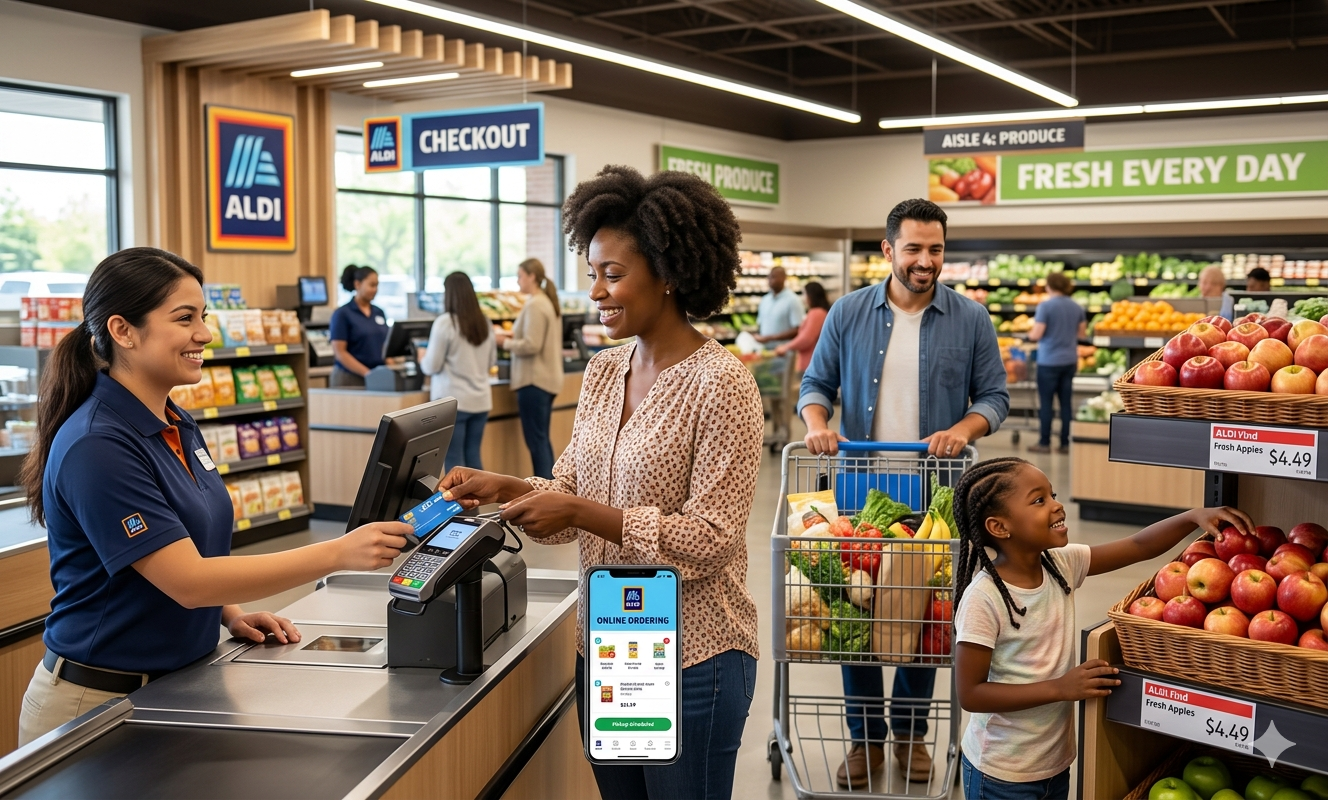
The Supplemental Nutrition Assistance Program (SNAP), formerly known as food stamps, is a federal assistance initiative aiming to alleviate food insecurity among low-income individuals and families. Established to provide nutritious food options, SNAP is designed to ensure that eligible participants have access to necessary sustenance, ultimately improving overall health and well-being.
SNAP functions by providing benefits that can be used to purchase food items at authorized retailers. The amount of benefits received depends on the household’s size, income level, and expenses, and typically, funds are delivered via an Electronic Benefits Transfer (EBT) card. This card operates similarly to a debit card, allowing recipients to make eligible food purchases within a designated budget. Some common items that can be acquired using SNAP benefits include fruits, vegetables, grains, meat, dairy products, and seeds for planting.
It is essential for prospective applicants to understand the criteria for eligibility when applying for SNAP. Factors considered include household income, assets, and specific deductions for expenses such as childcare and housing. Additionally, there are categorical eligibility rules based on certain criteria like age, disability status, and family size that might affect the application process. Maximizing the available benefits often requires applicants to be fully aware of their circumstances.
Moreover, SNAP benefits are not intended solely for emergency food assistance but are structured to promote long-term nutritional security. As such, the program also addresses issues related to healthy eating by encouraging participants to make more nutritious food choices while allowing them the dignity of shopping according to their preferences.
Through its comprehensive approach, SNAP is an essential resource for millions, helping to combat hunger and improve the quality of life for vulnerable populations.
Eligibility Requirements for SNAP
The Supplemental Nutrition Assistance Program (SNAP), commonly referred to as food stamps, is designed to assist low-income individuals and families in accessing nutritious food. To qualify for SNAP benefits, applicants must meet specific eligibility requirements that encompass several factors, including income, citizenship status, household composition, and expenses.
One of the primary criteria for SNAP eligibility is income. Generally, the gross monthly income of a household must be at or below 130% of the federal poverty level. The threshold for income varies based on household size; for instance, a household of one often has a different income limit compared to a household of four. Additionally, net income consideration comes into play after allowable deductions, such as housing costs and child care expenses, are factored in. Households may also qualify under certain categorically eligible conditions, which bypass some income limits.
Another critical component of SNAP eligibility is citizenship or immigration status. To receive benefits, applicants must be U.S. citizens, U.S. nationals, or certain qualified noncitizens. Noncitizen statuses may include lawful permanent residents or individuals in specific immigration categories. Documentation proving citizenship or immigration status is necessary during the application process.
Household composition significantly impacts SNAP eligibility as well. SNAP benefits are calculated based on the number of individuals living together and who purchase and prepare meals together. Furthermore, the program considers the age, disability status, and employment requirements of household members, which can influence the benefits awarded.
Overall, potential applicants should carefully review these eligibility requirements to determine their qualification for SNAP assistance. Understanding these factors can facilitate the application process and lead to essential support in accessing necessary nutrition.
How to Start Your Application Process
Applying for the Supplemental Nutrition Assistance Program (SNAP), commonly referred to as food stamps, is an essential step for individuals and families in need of food assistance. To begin your application process, the first task is to determine your eligibility by reviewing the state-specific requirements. These typically involve considerations related to household income, expenses, and the number of dependents. You can find detailed eligibility criteria by visiting your state’s SNAP website.
Once you ascertain your eligibility, the next step involves gathering the necessary documentation required for the application. Essential documents often include proof of identity, such as a driver’s license or social security card, as well as income verification documents like pay stubs or tax returns. Additionally, you may need to provide details about your household composition, which could involve documentation evidencing the number of members in your household. Housing expenses and bills may also be relevant in establishing your financial situation and meeting the SNAP application’s requirements.
After you have prepared the necessary documents, the actual application process can begin. You can obtain the official SNAP application forms from your local SNAP office or download them directly from your state’s SNAP website. Many states also offer the option of applying online, which can simplify the process. If you’re uncertain about the online procedures or need assistance with completing the forms, it is advisable to reach out to local community organizations or resources that offer support for SNAP applicants. They are well-equipped to provide guidance as you navigate through the application process.
Applying Online for SNAP Benefits
Applying for Supplemental Nutrition Assistance Program (SNAP) benefits online provides a convenient option for individuals and families seeking assistance. Each state has its own dedicated SNAP benefits website equipped with the necessary resources to facilitate the application process. First, it is essential to gather all required information before starting your online application. This may include personal details such as your name, contact information, Social Security number, and information about your household income and expenses.
To begin, visit your state’s SNAP benefits website. Look for the application section, which typically features a “Start Your Application” button or a similar prompt. Once you navigate to this section, you will be guided through a series of questions designed to determine your eligibility. Be prepared to answer questions regarding your household size, income, and any other relevant details.
During the application process, it is advisable to take your time and provide accurate information. Inaccuracies can lead to delays or, in some cases, denial of benefits. Additionally, many states allow applicants to save their progress and return later to complete the application, ensuring you can take the time needed to gather necessary documents and information.
After you submit your application, you may receive a confirmation number, ensuring that it has been properly received. Some states also provide a tracking feature that allows you to monitor the status of your application. Should you have any questions or need assistance, many state websites offer live chat support or contact information for local offices. Following these steps can streamline your online application process for SNAP benefits, making it as efficient and straightforward as possible.
Applying by Phone or In Person
Applying for food stamps, known as the Supplemental Nutrition Assistance Program (SNAP), can be undertaken through various methods including by phone or in person. This flexibility ensures that individuals have access to assistance in a manner that best suits their needs. To initiate the application process by phone, individuals can contact the SNAP hotline specific to their state. Each state has a dedicated number that typically can be found on the official state or government website. This hotline serves as a valuable resource for anyone seeking information about eligibility, application procedures, or assistance with filling out forms.
When applying via phone, a representative will guide you through the necessary steps and may conduct a preliminary interview, where you will be asked to provide basic information regarding your household, income, and expenses. It is advisable to have relevant documentation readily available, such as pay stubs, identification, and proof of household members, as this will facilitate the information-gathering process during the call.
For those who prefer a face-to-face interaction, visiting a local SNAP office is another viable option. Each state maintains multiple offices where individuals can apply for food stamps in person. It is prudent to check the office hours and whether an appointment is required beforehand. Upon arrival, applicants will go through a similar process as described for phone applications: verifying personal information, discussing eligibility, and potentially undergoing an interview. Be prepared to provide documents that verify your identity and household circumstances.
Overall, whether applying for SNAP by phone or in person, the key is to ensure that you have access to all necessary information and documents to expedite the process. Resources and support are available to help applicants navigate the system effectively, ensuring they can access the food assistance they need.
Emergency SNAP Benefits and Expedited Processing
The Supplemental Nutrition Assistance Program (SNAP) is designed to provide nutritional assistance to individuals and families in need. In certain situations, qualifying individuals may access emergency SNAP benefits and expedited processing, which can supply crucial aid during times of crisis. An emergency within this context typically refers to unanticipated circumstances that cause significant financial distress, such as loss of income, natural disasters, or other pressing situations that impede access to food.
To qualify for emergency SNAP benefits, applicants must meet specific criteria set forth by the relevant state agency. This often includes demonstrating an immediate need for food assistance, alongside limitations on income and resources available for sustaining oneself or a household.
For those eligible, expedited processing allows individuals to receive their benefits more swiftly than the standard time frames apply. Under regular processing, applications may take up to 30 days to process; however, expedited cases can receive approval in as little as seven days. This rapid assistance is critical for individuals facing dire food insecurity. To initiate this process, applicants should specify their emergency status when submitting their SNAP application, providing pertinent documentation that outlines their current situation.
It is essential for recipients to remain aware of their state’s guidelines regarding emergency SNAP benefits and the necessary documentation required for expedited processing. Keeping records of any incidents that led to the need for assistance can facilitate a smoother application process. Overall, understanding these provisions can help ensure that those in urgent need receive prompt and adequate support through SNAP.
Completing Your Phone Interview
One of the crucial steps in the food stamp application process, known as the Supplemental Nutrition Assistance Program (SNAP), is the phone interview. This interview is typically scheduled after you submit your application and serves as a follow-up to verify the information provided and assess your eligibility. Understanding what to expect during this interview can significantly ease any apprehensions and lead to a smoother application experience.
During the phone interview, you will likely be asked a series of questions regarding your household composition, income, expenses, and any other relevant financial details. It is essential to provide accurate and honest answers to these questions, as they will play a vital role in determining the amount of assistance you may qualify for. Prepare to discuss who lives in your household, your monthly income, and any bills or expenses that might affect your eligibility.
It is advisable to have all necessary documentation readily accessible during the interview. This includes your identification, proof of income, rent or mortgage statements, utility bills, and any other relevant paperwork that may support your claims. Being organized will not only help you answer questions more efficiently but will also demonstrate your preparedness to the interviewer.
In addition to having documents on hand, reviewing common interview questions in advance can also be beneficial. Typical queries might include, “What is your monthly income?” “How many people live in your home?” and “What are your monthly expenses?” Practicing your responses can increase your confidence and ensure a more polished and informative conversation.
Ultimately, this phone interview is a standard procedure in the SNAP application process, designed to ensure that applicants receive the assistance they need. Proper preparation will help facilitate a successful interview, bringing you one step closer to receiving food assistance.
Common Application Mistakes to Avoid
Applying for the Supplemental Nutrition Assistance Program (SNAP) can be a complex process, and many applicants make common mistakes that may hinder their chances of receiving assistance. By being aware of these pitfalls and taking measures to avoid them, applicants can streamline their application process and improve their likelihood of success.
One frequent error is incomplete applications. Many applicants underestimate the importance of providing all required information, including personal details, income documentation, and household composition. Failing to fill out sections of the application or neglecting to submit necessary supporting documents may lead to delays or denials. To avoid this, it’s essential to review all application instructions thoroughly and ensure that every required field is completed with accurate data.
Another common mistake involves misreporting income. Applicants sometimes fail to report all sources of income or miscalculate their earnings, which can result in receiving incorrect benefit amounts. It is crucial to gather all financial documents and verify income details before submitting the application. If there are fluctuations in income due to variable hours or seasonal work, these should be adequately documented and explained to the reviewing caseworker.
Many applicants also overlook deadlines. Each state has different application processing times and deadlines for submitting renewals. Missing these can lead to automatic disqualification. Keeping track of application dates and ensuring timely submissions for both new applications and renewals is vital. Additionally, maintaining communication with local SNAP offices can provide clarity on any questions or clarifications needed during the application process.
To sum up, by being mindful of these common mistakes, applicants can make informed decisions and enhance their chances of completing the SNAP application successfully. Avoiding incomplete applications, accurately reporting income, and adhering to deadlines are key strategies for a smoother experience.
Resources for Additional Help
While the Supplemental Nutrition Assistance Program (SNAP) provides vital assistance to those in need, navigating the application process can sometimes be challenging. Fortunately, several resources are available to help individuals seeking information or support regarding their SNAP applications. These resources include government websites, local organizations, and helplines designed to ease the process of obtaining food assistance.
One of the most comprehensive resources is the official SNAP website, maintained by the U.S. Department of Agriculture (USDA). This site offers a wealth of information, including eligibility criteria, application procedures, and links to state-specific programs. By visiting the USDA SNAP website, applicants can also find contact information for local SNAP offices, which can provide personalized assistance tailored to the individual’s circumstances.
In addition to government websites, local food banks and community organizations often have staff trained to assist with SNAP applications. Many of these organizations offer outreach programs aimed at educating eligible individuals about the assistance available and the steps needed to apply. Additionally, they may host workshops or informational sessions, providing a supportive environment for those who need guidance.
Another valuable resource is the toll-free SNAP information hotline. By calling this number, individuals can speak with trained representatives who can answer questions, clarify doubts, and help troubleshoot issues related to their application. The hotline is particularly useful for those who may not have internet access or prefer speaking with someone directly.
Lastly, online forums and social media groups dedicated to food assistance can serve as additional help. These platforms allow individuals to share their experiences and tips, fostering a sense of community among applicants. For those seeking assistance or looking to gain insights into the SNAP application process, these resources provide the essential support needed to navigate the system effectively.