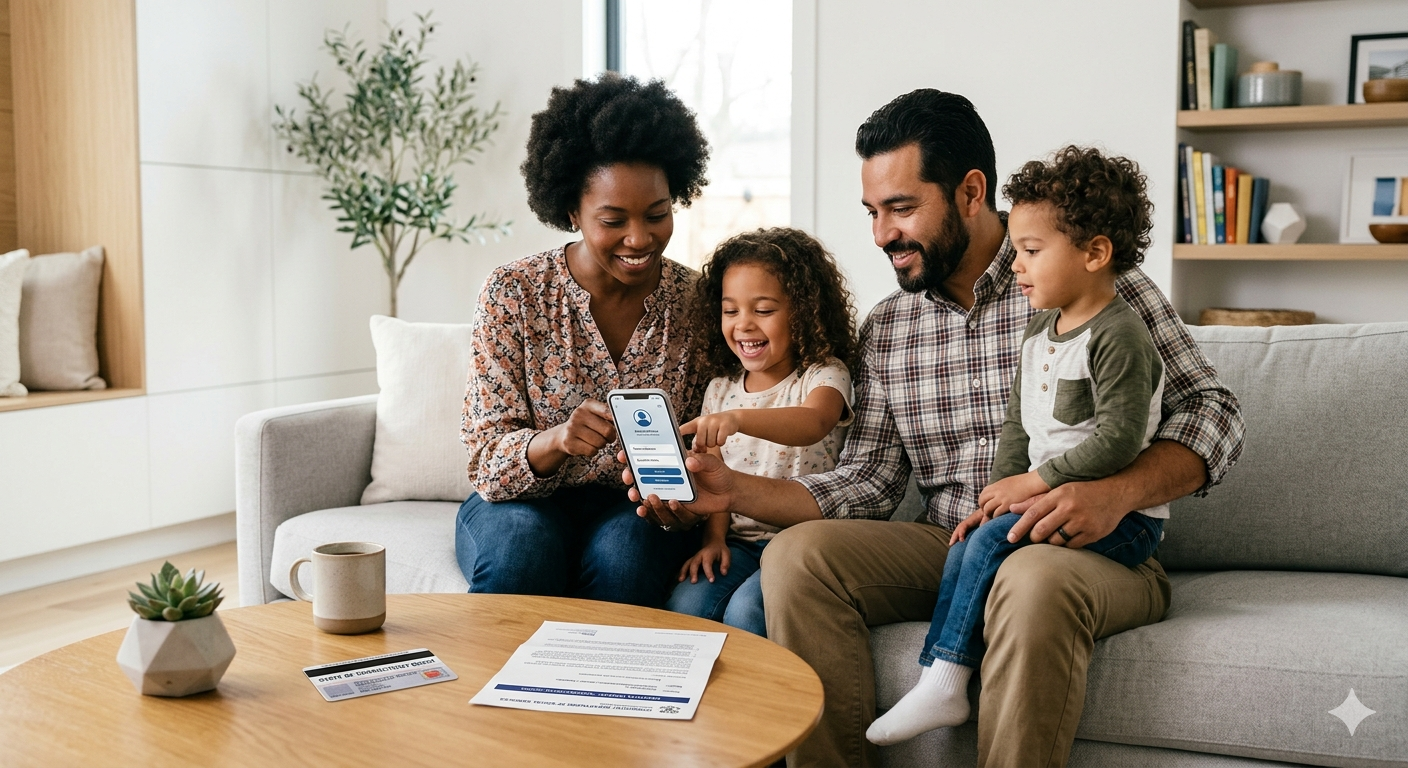
The Lifeline Program is a federal initiative designed to provide telephone and internet services to low-income individuals and families. Established to bridge the digital divide, it aims to ensure that all citizens have access to essential communication services, particularly in an increasingly interconnected world. Recognizing the significance of communication in numerous aspects of life, the Lifeline Program particularly assists those who might otherwise struggle to afford such services due to financial constraints.
One of the primary connections between the Lifeline Program and food stamp (SNAP) recipients is based on the eligibility criteria. Many individuals who qualify for food stamps are also eligible for the Lifeline Program, as both programs are geared towards supporting low-income households. This intersection offers an opportunity for families to not only supplement their nutritional needs but also to maintain vital contact with healthcare providers, employers, and educational institutions.
Given that access to communication services has become fundamental in today’s digital age, the Lifeline Program serves as a critical resource for food stamp beneficiaries. By ensuring that these individuals have access to affordable mobile or internet services, the program enhances their ability to engage with essential services and stay connected with their communities and support networks.
Thus, the Lifeline Program stands as an essential complement to food assistance programs like SNAP, effectively empowering low-income individuals by providing not only food support but also the means to connect with the broader world. As we explore the latest rules and application processes for these programs in 2026, understanding the Lifeline Program’s role is vital.
Eligibility Requirements for Free Phones
Individuals seeking to obtain a free phone through the Lifeline Program must meet certain eligibility criteria. This program, aimed at providing affordable communication options to low-income households, is particularly beneficial for those receiving food stamps, also known as the Supplemental Nutrition Assistance Program (SNAP). To qualify for a free phone under this initiative, applicants need to demonstrate both income eligibility and participation in specific government assistance programs.
One of the primary requirements is that the applicant must have an income that is at or below 135% of the Federal Poverty Guidelines. This threshold varies slightly based on household size, and it is essential to consult the current year’s poverty guidelines to ascertain eligibility. Moreover, individuals can also qualify through participation in any of several government assistance programs, which include not only SNAP but also Medicaid, Federal Public Housing Assistance, and the Veterans Pension and Survivors Benefit.
Applicants may be required to provide documentation that substantiates their current income levels or proof of participation in one of the aforementioned programs. It is crucial that all provided information is accurate, as any discrepancies can lead to potential disqualification from receiving benefits. Additionally, Lifeline benefits are limited to one per household, meaning that if multiple individuals in a household apply, only one may receive a free phone.
Finally, applicants should ensure they are applying through verified and approved Lifeline providers in their area. These providers are responsible for verifying eligibility and facilitating the distribution of devices. Understanding these requirements is the first step in accessing much-needed communication services for eligible individuals, enabling connectivity during challenging times.
Types of Devices Available
Under the Lifeline Program, food stamp recipients can receive various types of devices, primarily aimed at ensuring connectivity for those in need. The program has adapted over the years to cater to technological advancements and the needs of its beneficiaries. Currently, eligible applicants can expect to receive smartphones, and in select cases, tablets designed to facilitate essential communication.
The smartphones provided through the Lifeline Program generally feature a range of specifications that ensure they meet the basic needs of users. Most devices come equipped with essential functionalities, such as touch screens, cameras, and internet accessibility. Typically, these smartphones also include a built-in GPS and Wi-Fi capabilities, allowing users to access various applications and services that aid in job searching, accessing healthcare information, and staying in touch with family and friends.
In addition to standard smartphones, some beneficiaries may qualify for tablets. These devices are particularly advantageous for individuals who engage in telehealth appointments or require larger screens for educational purposes. Tablets generally offer more extensive storage options and enhanced performance features compared to smartphones, yet the eligibility for receiving such devices can vary based on state regulations.
The Lifeline Program typically partners with various mobile network providers to distribute these devices, often at little to no cost to the recipient. Each recipient’s situation is evaluated to ensure that the device provided aligns with their specific needs and that it contributes to improving their quality of life. Thus, understanding the types of devices available under the Lifeline Program can empower food stamp recipients to make informed decisions and access necessary services more efficiently.
Affordable Monthly Service Plans
The Lifeline Program is designed to provide assistance to eligible low-income individuals, offering reduced or free monthly service plans to ensure that everyone has access to essential communication services. Participants can benefit greatly from these affordable plans, which typically include free or heavily discounted options for talk time, texting, and data. By enrolling in Lifeline, recipients can significantly reduce their monthly expenses and stay connected to family, friends, and crucial services without overwhelming financial burdens.
Monthly service plans under the Lifeline Program often cover a specific number of voice minutes, unlimited texting, and a limited amount of mobile data. These plans can vary by provider, but the goal remains the same: to provide necessary communication tools to individuals who may otherwise struggle to afford them. For instance, some plans allow unlimited texting, which is particularly beneficial for those who rely on quick, frequent communications. Data allowances can also be sufficient for light web browsing, enabling users to access information and resources that they might need.
Moreover, many providers offer additional benefits as part of these service plans. Some may provide access to Wi-Fi hotspots or discounted international calling options, further enhancing the connectivity of Lifeline users. This expanded reach is crucial, as it supports individuals in completing job applications, accessing educational materials, and staying up-to-date with essential services like healthcare and government assistance programs. Overall, the availability of affordable monthly service plans for Lifeline participants plays a vital role in enhancing communication access and bridging the digital divide.
Latest Changes in 2026
In 2026, significant changes were implemented in the Lifeline Program, which provides free phone services to eligible participants, including those receiving food stamps through the Supplemental Nutrition Assistance Program (SNAP). These changes aimed to enhance accessibility and ensure that low-income individuals have access to essential communication services. One of the key adjustments this year includes a broadened eligibility criterion, allowing more individuals and families to qualify for the program. Among the noteworthy modifications is the increase in the income threshold required for eligibility, which has been raised to accommodate the rising cost of living.
Moreover, the Lifeline Program has expanded its offerings to include a wider variety of devices. Alongside the traditional smartphones, recipients can now choose from different models and brands, encouraging competition among providers and ensuring participants have access to more modern technology. This change is set to improve the user experience and promote connectivity among individuals who might have previously faced limitations due to outdated devices.
In addition to device offerings, adjustments have also been made to the service plans available under the Lifeline Program. Each participating provider has the liberty to design their plans, which should include a minimum amount of data, talk time, and text messaging capabilities. Such flexibility allows users to select plans that cater specifically to their unique needs, whether for job searching, educational purposes, or staying in touch with family and friends.
By emphasizing user choice and increased eligibility, the Lifeline Program’s changes in 2026 reflect a commitment to eliminating barriers for low-income households, fostering greater communication access, and ensuring that no one is left behind in the digitally connected age.
How to Apply for a Free Phone
Applying for a free phone through the Lifeline Program involves several straightforward steps that ensure you meet eligibility requirements. The Lifeline Program primarily aims to assist low-income individuals, providing them with affordable phone service, which may include a free phone. Here’s a comprehensive guide on how to navigate the application process effectively.
First, confirm your eligibility. To qualify for the Lifeline Program, you must participate in a government assistance program such as Medicaid, Supplemental Nutrition Assistance Program (SNAP), or the Federal Public Housing Assistance program. Additionally, if your household income is at or below 135% of the federal poverty guidelines, you may also qualify.
Next, gather the necessary documentation. You will need to provide proof of eligibility, which may include a benefits card or a recent statement from the assistance program. Additionally, identification documents such as a driver’s license or Social Security number are required to validate your identity.
Once you have all the required documents, you can proceed to fill out the Lifeline application. This can often be done online through the website of the service provider you choose, or you may also request a paper application if you prefer. Make sure to provide accurate information to avoid any delays in the processing of your application.
After submitting your application, it’s important to track its status. Most providers offer a way to check your application status online or through a customer service line. Be prepared for a verification process, which may involve additional steps or documentation. To maximize your chances of approval, ensure that all information is complete and accurate.
In conclusion, applying for a free phone through the Lifeline Program is a manageable process if you follow the outlined steps carefully and supply the required documentation. Ensuring accuracy and eligibility are key components in securing a successful application.
Tips for Maximizing Benefits
When you are enrolled in the SNAP program and have received a free phone, it is essential to maximize the benefits associated with this service. Understanding how to manage your usage effectively, choose the right service options, and access additional resources can greatly enhance your overall experience.
First, consider setting a budget for your phone usage. This involves monitoring your talk, text, and data consumption to ensure that you do not exceed the limits of your service plan. By keeping track of your usage, you can avoid unforeseen charges or disruptions in service. Many providers offer online portals or apps that allow you to view your usage in real time, making it easier to stay within your limits.
Next, familiarize yourself with the service options available to you. Different plans offer various features such as unlimited texting, data inclusion, and specific calling districts. It is crucial to select a plan that aligns with your communication needs. For example, if you frequently make long-distance calls or need high data usage for internet access, research providers that specialize in those areas.
Additionally, don’t overlook the abundant resources available to assist you in maximizing your benefits. Organizations that focus on providing support for SNAP recipients often provide tools and guides that help users understand their plans better. Moreover, engage with community forums or local organizations that focus on technology access. These resources can provide valuable tips and tricks specific to your situation.
Lastly, remember to periodically reassess your needs and adjust your service plan accordingly. Over time, your communication habits may change, and it is beneficial to keep your phone plan in line with your current lifestyle. By doing so, you can continue to enjoy the benefits of the free phone provided under your SNAP assistance.
The Lifeline Program is often surrounded by numerous questions, especially regarding eligibility and the application process. Understanding the specifics can greatly enhance access to crucial resources such as free phones for participants in the Supplemental Nutrition Assistance Program (SNAP), commonly referred to as food stamps.
One of the most frequent queries pertains to eligibility. To qualify for the Lifeline Program, applicants must participate in approved federal assistance programs, such as SNAP, Medicaid, or Supplemental Security Income (SSI). Additionally, applicants may also qualify if their income is at or below 135% of the Federal Poverty Guidelines. It is essential to provide accurate information during the application to avoid unnecessary delays.
Another common concern is the application process itself. Applicants can apply for the Lifeline Program either online or by mail. The online process typically involves completing a form that requires proof of eligibility, such as recent pay stubs or documentation proving participation in SNAP. If applying by mail, it’s crucial to follow the precisely outlined steps and ensure all necessary documents are included to prevent rejection.
Often, individuals are curious about the types of devices provided through the Lifeline Program. Eligible users generally receive devices that may range from basic feature phones to smartphones, depending on availability and specific state guidelines. These devices typically come with a certain allocation of minutes, texts, and data, designed to support essential communication needs.
As more individuals rely on these programs, it is vital to stay informed about updates to eligibility requirements and features of available devices. Regularly checking the Lifeline Program website or consulting with local service providers can provide additional clarity and support for potential applicants.
Conclusion and Final Thoughts
As we have explored throughout this blog post, the opportunity to receive a free phone with food stamps, specifically through the Supplemental Nutrition Assistance Program (SNAP), is an essential benefit for many eligible individuals and families. With the Lifeline Program, those utilizing SNAP can gain access to valuable communication tools that can help bridge gaps in connectivity, enhancing both personal and professional opportunities.
It is important to note that the rules governing the eligibility and application process for these benefits may evolve over time, especially with changes anticipated in 2026. Therefore, staying informed about the latest developments can ensure that you or someone you know can take advantage of available resources. Given the current socio-economic landscape, programs that support essential communication services are increasingly significant.
We encourage readers to consider whether they qualify for the Lifeline Program and to take action by submitting an application if eligible. Additionally, sharing this information with friends or family members who may benefit from a free phone linked to their SNAP benefits can help extend this critical support network. Ensuring that everyone has access to reliable means of communication can lead to improved community engagement and overall quality of life.
In summary, the Lifeline Program is a vital resource that aligns with the goals of providing support to low-income individuals and families. Taking full advantage of such programs can empower individuals to navigate their circumstances more effectively, ultimately fostering inclusion and connectivity within our communities.