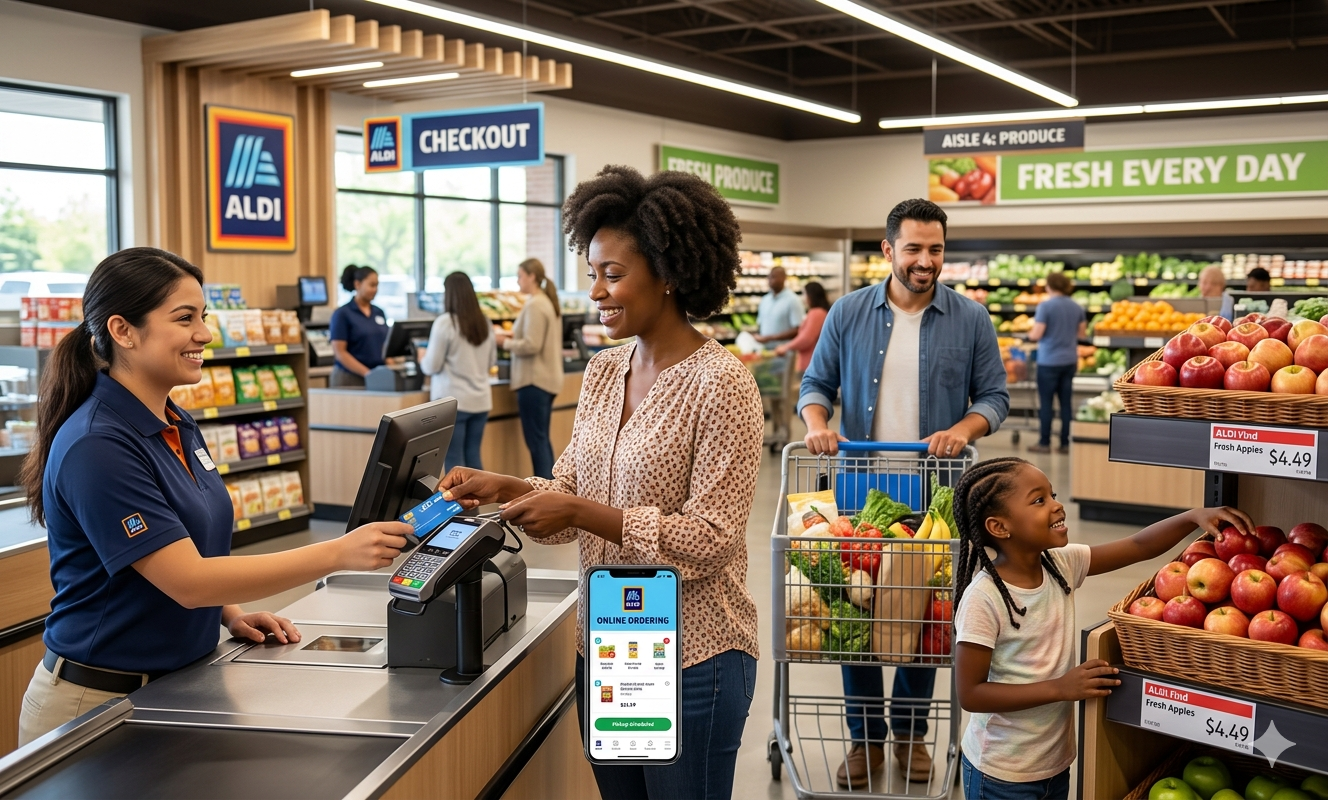
The Supplemental Nutrition Assistance Program (SNAP), formerly referred to as food stamps, serves as a crucial lifeline for low-income families and individuals in Missouri. This federal assistance program is designed to alleviate hunger and improve nutrition among those who struggle to afford sufficient food. By providing financial support that individuals can use to buy food, SNAP aims to enhance the well-being of its recipients and promote healthier dietary choices.
In Missouri, the SNAP benefits are available to a broad spectrum of households, including families with children, veterans, and elderly individuals, effectively helping them meet their nutritional needs. Eligibility for Missouri SNAP is determined mainly by income level and household size, ensuring that assistance reaches those who require it the most. Annual adjustments to SNAP benefits, based on inflation and cost-of-living changes, ensure that the program remains relevant to the current economic landscape.
The importance of SNAP extends beyond immediate food assistance; it contributes significantly to the overall economy. Each dollar spent through SNAP not only provides essential meals for beneficiaries but also stimulates local business by increasing food sales. Moreover, participation in the program empowers families by allowing them to make their own food choices, leading to improved nutrition and family health outcomes.
Overall, Missouri’s SNAP program plays an essential role in addressing food insecurity and supporting vulnerable populations, thereby fostering a more stable and nourished community. Understanding its eligibility requirements, rules, and associated changes is critical for individuals seeking assistance through this vital program.
Eligibility Criteria for SNAP in Missouri in 2026
As of 2026, the eligibility criteria for the Supplemental Nutrition Assistance Program (SNAP) in Missouri are defined by several key factors including income limits, residency requirements, and household composition. Understanding these criteria is crucial for individuals and families seeking assistance with food security.
To qualify for SNAP benefits, applicants must first meet specific income limits that are adjusted periodically to reflect economic conditions. In Missouri, the household income must be at or below 130% of the federal poverty level. This threshold is evaluated based on the total gross income of all members in the household. It is essential for applicants to provide comprehensive documentation of their income, including wages, benefits, and other sources of financial support.
Residency is another critical factor that determines eligibility. Applicants must be residents of Missouri and provide proof of their residence. This can include utility bills, lease agreements, or other official documentation that specifies their current address. Moreover, citizens and certain qualified non-citizens are eligible to apply for SNAP benefits; thus, it is important to ensure that immigration status is properly documented when submitting an application.
Additionally, the household composition plays a significant role in assessing eligibility. The program considers all individuals living together and how those individuals are related. For instance, children, parents, and other dependents can be included in the household count for determining SNAP benefits. It is advisable to report any changes in household circumstances promptly, such as changes in family size or income, as this may affect eligibility.
In summary, meeting the income limit, establishing residency, and accurately representing household composition are essential aspects of qualifying for SNAP benefits in Missouri in 2026. Understanding these requirements can significantly aid families in accessing much-needed assistance with their nutritional needs.
Application Process for SNAP in Missouri
Applying for Supplemental Nutrition Assistance Program (SNAP) benefits in Missouri involves several important steps as facilitated by the Missouri Department of Social Services (DSS). The first step in the application process is to determine your eligibility based on factors such as household income, size, and certain expenses. The DSS provides an online pre-screening tool to help potential applicants gauge their eligibility before proceeding with a full application.
Once you’ve determined your eligibility, you can initiate the application process either online through the DSS website or by visiting your local Family Support Division office. For those opting online, creating an account in the MARCY system is essential, as it allows you to fill out the application digitally and track its status. If you choose the in-person route, be prepared to collect various documents that will be required for the application.
The necessary documentation commonly includes proof of identity, income verification, and residency information. Acceptable forms of identification can range from a state-issued driver’s license to a Social Security card. For income verification, recent pay stubs, tax returns, or bank statements should suffice. Additionally, evidence of residency can be demonstrated through utility bills or lease agreements.
To ensure a smooth application process, it is recommended to double-check that all provided information is accurate and complete. Incomplete applications can lead to delays. Furthermore, keeping a copy of all submitted documents for personal records is advisable. After submitting your application, the DSS will contact you to schedule an interview, which is a prerequisite for finalizing your SNAP benefits eligibility.
Managing SNAP Benefits through myDSS
The Missouri Department of Social Services (DSS) provides an online platform known as myDSS, specifically designed to assist participants in managing their SNAP (Supplemental Nutrition Assistance Program) benefits efficiently. This portal offers a comprehensive set of tools for applicants to check their benefits balance, report important changes, and renew their eligibility with ease.
To begin using myDSS, individuals must first create an account by providing some basic personal information. Once registered, users can access their SNAP account securely, streamlining the management process. This is especially advantageous for maintaining continuous access to benefits, ensuring that recipients receive their necessary food assistance promptly.
One significant feature of the myDSS portal is the ability to check the current balance of SNAP benefits. Regularly monitoring this balance assists participants in budgeting their monthly grocery expenses effectively. Additionally, the platform offers an easy-to-navigate interface for reporting changes in circumstance, such as alterations in household income, number of household members, or changes in residency. Keeping these details up to date is critical, as failing to report changes can lead to delays or discontinuation of benefits.
Furthermore, myDSS simplifies the renewal process for SNAP benefits. As benefits are set to expire, recipients can utilize the online system to submit their renewal application efficiently. This not only saves time but also helps prevent unnecessary lapses in food assistance, ensuring continuous support for eligible households. The user-friendly nature of the portal ultimately promotes better management of SNAP benefits, empowering recipients to navigate the program with confidence.
Rules and Regulations Governing SNAP Benefits in Missouri
The Supplemental Nutrition Assistance Program (SNAP) in Missouri provides essential food assistance to eligible households through the allocation of benefits that can be used to purchase food items. The rules and regulations governing SNAP benefits are crucial for both beneficiaries and retailers to ensure the program’s compliance and integrity. Understanding what expenses are permitted under the SNAP guidelines can help prevent misuse and promote effective utilization of benefits.
Eligible SNAP recipients may use their benefits to purchase a wide array of food items, including fruits, vegetables, meat, poultry, fish, dairy products, bread, and cereals. Additionally, SNAP benefits can cover seeds and plants intended for home food production, encouraging self-sufficiency among recipients. Therefore, items considered necessary for a household’s nutritional needs are permissible, promoting healthy eating habits and improving food security.
However, certain items are explicitly prohibited from being purchased with SNAP benefits. These include alcohol, tobacco products, and non-food items such as household supplies, pet food, and hygiene products. Prepared foods that are intended for immediate consumption, such as hot meals from restaurants or deli services, are also not eligible under standard SNAP regulations unless specific state exceptions apply. It is essential for beneficiaries to understand these restrictions to maximize the benefits they receive.
Moreover, compliance is monitored closely, with strict regulations governing the use of SNAP benefits to deter fraud and abuse. Eligibility for SNAP is determined based on factors such as household income, size, and resource limits, ensuring that the assistance reaches those in legitimate need. By adhering to these rules and regulations, Missouri aims to provide equitable support to its residents while maintaining the integrity of the SNAP program.
Important Changes to SNAP in Missouri for 2026
The Supplemental Nutrition Assistance Program (SNAP) in Missouri is set to undergo significant changes in 2026 that will impact eligibility, benefit amounts, and related policies. These changes are aimed at adapting to the fluctuating economic landscape and responding to the nutritional needs of low-income families across the state. One of the key adjustments pertains to the eligibility criteria, where the income limits are expected to be revised. In 2026, the eligibility thresholds for SNAP will be adjusted to reflect the latest federal guidelines, which may provide access to additional households previously unable to qualify.
Additionally, as part of the changes, the benefit amounts allocated to SNAP recipients may see an increase, enhancing the purchasing power of families relying on food assistance. This adjustment is crucial given the rising cost of living and inflation affecting food prices. The focus will be on ensuring that beneficiaries receive adequate assistance to meet their nutritional requirements, thereby supporting their overall well-being.
Moreover, Missouri’s SNAP program in 2026 may introduce streamlined processes for application and re-certification to make participation more accessible to all eligible residents. These changes are designed to reduce bureaucratic hurdles, allowing families to focus on their nutrition without unnecessary delays or obstacles in accessing benefits.
Lastly, there will be increased outreach efforts aimed at informing the public about these changes. Targeted campaigns will seek to educate potential beneficiaries about new eligibility criteria and the application process, ensuring that no deserving resident is left uninformed about available assistance. Overall, these changes reflect a commitment to improving food security and supporting Missouri families in their time of need.
Resources for Missouri Residents Applying for SNAP
For Missouri residents seeking assistance with the Supplemental Nutrition Assistance Program (SNAP), a multitude of resources are available to support applicants and beneficiaries alike. Understanding the eligibility requirements and navigating the application process can be daunting, but these organizations and hotlines aim to streamline that experience.
The Missouri Department of Social Services (DSS) is the primary agency overseeing the SNAP program in the state. Their official website offers guidance on the application process, eligibility criteria, and provides access to important forms. Additionally, residents can contact the statewide Family Support Division via their hotlines for personalized assistance. The toll-free number is available to answer questions and provide detailed information regarding both the application process and ongoing eligibility assessments.
Another invaluable resource is the Missouri SNAP Outreach Network, which consists of community organizations dedicated to helping individuals access food assistance. These local organizations often provide multilingual support, helping to remove language barriers for both applicants and beneficiaries. They can assist in filling out applications and offer education about the benefits available under SNAP.
Furthermore, food banks and pantries throughout Missouri partner with the state government to distribute food assistance. Many of these organizations not only provide immediate food resources but also offer counseling and support to help clients become fully informed about their eligibility for SNAP benefits. For those interested, the Hunger Hotline can connect residents with food assistance services in their area.
In sum, whether through government channels or community-based organizations, Missouri residents can find extensive assistance when applying for SNAP. Utilizing these resources can simplify the application process and ensure that residents are adequately prepared to receive the benefits they need.
Missouri’s Supplemental Nutrition Assistance Program (SNAP) offers vital support to individuals and families facing food insecurity. Many participants have common questions about the program, particularly regarding eligibility, recertification, and benefit adjustments.
One frequent question relates to the recertification process. Participants are required to recertify their eligibility for SNAP benefits periodically. Generally, this process occurs every 12 months, although specific circumstances may alter this timeline. It is essential that recipients submit the necessary documentation and applications on time to avoid any lapse in benefits.
Individuals often inquire about potential increases in SNAP benefits. Annually, the program undergoes assessments to determine the cost of living adjustments. Thus, beneficiaries should remain informed of any announcements regarding increases to ensure they are receiving the maximum benefits available. These adjustments are typically based on federal guidelines and are implemented to help beneficiaries keep up with rising food costs.
Another common concern involves how to appeal a decision made by the Missouri SNAP program. If a participant disagrees with a decision—be it regarding benefit amounts, eligibility denials, or other issues—they have the right to file an appeal. The appeal process generally entails submitting a request in writing to the local Family Support Division office. It is crucial for individuals to be aware of the deadlines for submitting appeals to ensure their case is heard.
As outlined, understanding these aspects of Missouri SNAP benefits can help participants navigate the program more effectively and address their food insecurity needs. Knowledge of eligibility requirements, recertification, benefit fluctuations, and the appeals process empowers recipients to optimize their life circumstances while utilizing available resources.
Conclusion and Call to Action
In summary, the Missouri Food Stamps program, also known as the Supplemental Nutrition Assistance Program (SNAP), provides essential assistance to those facing food insecurity. Understanding the eligibility criteria, the application process, and the recent changes is vital for individuals seeking support through this program. Throughout this post, we have outlined the specific eligibility requirements, including income thresholds and family size considerations, as well as the rules that govern the usage of benefits provided by SNAP. Knowing these details enables potential applicants to assess their qualification accurately.
Furthermore, we discussed the impact of the upcoming changes for 2026 that may affect how benefits are allocated and the importance of staying informed about federal and state adjustments to the program. If you or someone you know feels they may qualify for SNAP benefits, the next steps are crucial. The application process can be completed online or in-person at designated local offices, and it is recommended to gather necessary documentation, such as proof of income, ID, and residency, prior to submission.
By actively pursuing the application process, eligible individuals can gain access to vital resources that assist with food purchases and nutritional needs. We encourage all readers to take the necessary actions to apply for the Missouri Food Stamps program if they believe they meet the eligibility criteria. Should you have any questions or require further assistance, do not hesitate to reach out to local outreach programs or visit the Missouri Department of Social Services website for guidance. Taking that first step can make a significant difference in improving your or your family’s nutritional security.