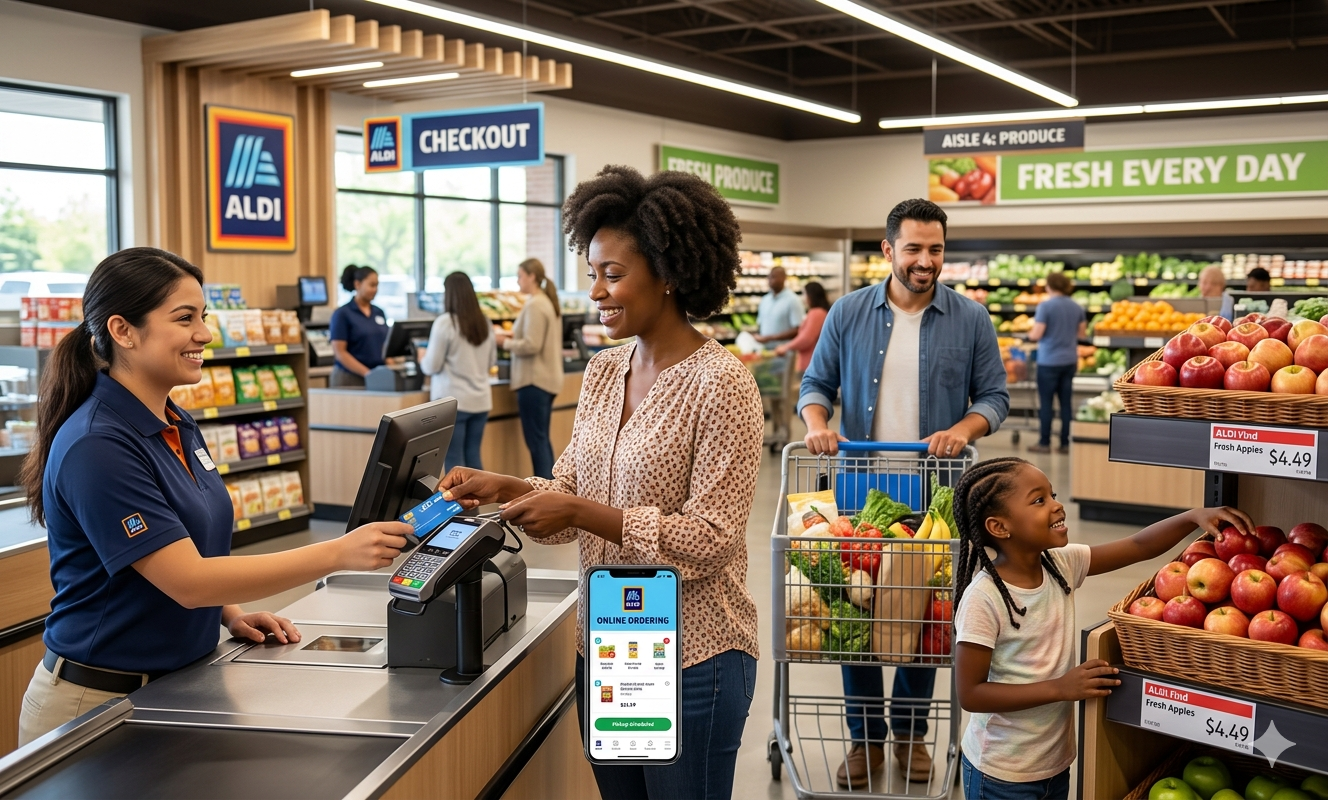
The Supplemental Nutrition Assistance Program (SNAP), often referred to as food stamps, is a federally funded initiative designed to provide financial assistance for purchasing food to low-income individuals and families. The program aims to alleviate hunger and improve nutrition among eligible participants by offering them a monthly stipend that can be used specifically for food-related expenditures. SNAP benefits are distributed via an Electronic Benefits Transfer (EBT) card, which functions similarly to a debit card and allows recipients to buy approved food items at authorized retailers.
To qualify for SNAP benefits, applicants must meet certain eligibility criteria, which includes specific income thresholds that are determined by household size. Generally, a household’s gross income must be at or below 130% of the federal poverty level. Additionally, certain assets may be considered, but most basic necessities like housing and utilities are excluded from asset calculations. It is important for applicants to provide accurate information regarding their income, household composition, and other financial factors, as this will directly impact their eligibility.
SNAP benefits can generally be used to purchase a wide range of food items including fruits, vegetables, grains, dairy products, and meats. However, certain restrictions are in place regarding specific products. For instance, SNAP cannot be used to buy non-food items such as household supplies, personal care items, or alcoholic beverages. Additionally, prepared foods that are sold for immediate consumption are also ineligible for purchase with food stamps. Understanding these guidelines is crucial for recipients to maximize their benefit usage effectively.
Approved Food Items
Food stamps, also known as SNAP (Supplemental Nutrition Assistance Program) benefits, provide essential support to those in need by allowing recipients to purchase specific food items. Understanding which items are approved for purchase is crucial for beneficiaries to make the most of their benefits. The following categories of food items can be purchased using food stamps:
Bakery Items: Food stamps can be used to buy bread, rolls, and bakery products, which are staple items in many households. However, items that are considered hot or prepared foods for immediate consumption are not eligible.
Dairy Products: Essential dairy items such as milk, cheese, and yogurt qualify as approved purchases. These items are vital for providing necessary nutrients and proteins, contributing to a balanced diet.
Vegetables and Fruits: SNAP benefits encourage healthy eating by allowing recipients to purchase fresh, canned, or frozen vegetables and fruits. These items are essential components of a nutritious diet, promoting overall health and well-being.
Meats and Seafood: Approved food items also include various types of meats, poultry, and seafood. This category enables SNAP recipients to incorporate essential protein sources into their diets, which are crucial for growth and development.
Snack Foods and Non-Alcoholic Beverages: Approved snack items, such as chips, cookies, and non-alcoholic drinks, can also be purchased. While these items are often seen as less healthy, they still provide options for enjoyment and variety in a person’s diet.
The rationale behind the restrictions on what can be purchased with food stamps lies in promoting a healthy lifestyle and ensuring that the funds are used to obtain nutritious food. These approved categories help recipients maintain a balanced diet while using their benefits effectively.
Prohibited Products: An Overview
The Supplemental Nutrition Assistance Program (SNAP), commonly referred to as food stamps, is a crucial means of assistance for many families across the United States. However, there are specific restrictions regarding what can be purchased with these benefits. Understanding these ineligible items is essential for recipients to utilize their benefits effectively.
First and foremost, alcoholic beverages are explicitly prohibited from being purchased with SNAP benefits. This restriction is in place due to the program’s focus on promoting nutritional well-being and preventing the misuse of assistance. Tobacco products, including cigarettes and smokeless tobacco, are also ineligible, as they do not contribute to nutritional sustenance.
Moreover, SNAP beneficiaries cannot buy non-food items with their benefits. This category includes household supplies like cleaning products, paper goods, and personal hygiene items. These restrictions are part of the program’s intent to direct assistance to essential nutrition needs. Similarly, vitamins and supplements are generally excluded unless they are specifically labeled as food items.
Additionally, hot prepared foods or meals that are meant to be consumed immediately are not allowable purchases under SNAP. This restriction aims to ensure that benefits are spent on foods that encourage home-cooked meals, which tend to be healthier and more economical. Moreover, certain types of products, such as live animals or non-food items like pet food, also fall under the ineligible category.
In summary, understanding the items that cannot be purchased with SNAP benefits is vital for recipients to maximize their assistance effectively. The focus of restrictions is on promoting adequate nutrition and responsible spending of allocated funds, ensuring that benefits fulfill their intended purpose of supporting food security.
Hot Prepared Foods and SNAP
The Supplemental Nutrition Assistance Program (SNAP), commonly associated with food stamps, provides assistance to low-income individuals and families, enabling them to access nutritious food. However, there are specific restrictions within the program, one of which prohibits the purchase of hot prepared foods using Electronic Benefits Transfer (EBT) cards. This section will explore the nature of this restriction, the reasoning behind it, and examples of what constitutes hot prepared foods.
Hot prepared foods refer to items that are cooked and ready to eat at the point of sale. This includes meals from restaurants, deli counters, and food vendors that serve items like rotisserie chicken, pizza, or hot deli sandwiches. Although these items may offer convenience and immediate consumption, they are not eligible for purchase with SNAP benefits. This restriction aims to ensure that SNAP benefits are utilized primarily for purchasing groceries that support healthier eating habits, rather than fully prepared meals which might encourage less nutritious food choices.
The justification for this policy rests on several factors, including the program’s intent to enhance food security while promoting responsible spending. By limiting the ability to buy hot prepared foods, SNAP encourages participants to invest in uncooked ingredients, potentially leading to better nutritional decisions and cooking practices. Furthermore, allowing purchases of hot prepared foods could result in increased costs for the program, ultimately affecting its sustainability.
Examples of hot prepared foods not covered by SNAP include bakery items sold at an in-store bakery, such as warm pastries or bread, and full meals from fast food establishments. It is essential for SNAP recipients to be aware of these restrictions to maximize their benefits and make informed choices when shopping. Understanding what constitutes hot prepared foods can help SNAP users navigate their purchasing options more effectively.
State-Level Restrictions and Bans
Across the United States, individual states have begun to impose their own restrictions on the use of food stamps, particularly focusing on products perceived to be unhealthy. Beginning January 2026, 18 states will introduce regulations that restrict the purchase of junk food, candy, and sugary beverages using Supplemental Nutrition Assistance Program (SNAP) benefits. These restrictions are a response to growing public health concerns surrounding obesity and diabetes, as well as the rising costs associated with healthcare attributed to poor dietary choices.
For instance, some states may ban the purchase of sugary drinks, which contribute significantly to obesity rates among children and adults. This shift aims to promote healthier dietary options among SNAP recipients. In addition to sugary drinks, certain states have identified junk foods, including candy bars, potato chips, and other similar snacks, as ineligible purchases under the SNAP program.
It is crucial to understand the implications of these state-level restrictions, as they not only affect individuals who rely on food stamps but also the broader retail landscape. Stores that typically benefit from food stamp sales on these products may face financial challenges as consumers adapt their shopping habits in response to the new regulations. Recent studies suggest that providing healthier food options may encourage better nutritional choices within vulnerable populations, a change supported by state health departments.
The implementation of these bans varies from state to state, and the criteria for what qualifies as junk food can differ significantly. While some states may prioritize a specific list of banned items, others might adopt a broader approach, focusing on the nutritional content of the products. Therefore, ensuring that food stamp recipients are well-informed about these changes is essential for a smooth transition into the new regulations and to uphold the goals of promoting better nutritional habits.
Common Pitfalls at Checkout
When utilizing Supplemental Nutrition Assistance Program (SNAP) benefits, many shoppers face unexpected challenges at checkout. These pitfalls often arise from misunderstandings regarding what purchases are allowed using food stamps. It is important for SNAP recipients to be aware of restrictions to avoid confusion and embarrassment while shopping.
One common scenario involves purchasing prepared meals. Although many fresh foods qualify for SNAP assistance, ready-to-eat items, such as hot meals from delis or restaurants, typically do not. This can lead to confusion if a shopper mistakenly assumes they can use food stamps for convenience items. Always check the eligibility of items before checkout to prevent any surprises at the register.
Another area where shoppers often find themselves caught off-guard is when purchasing non-food items such as household supplies or personal care products. SNAP regulations strictly prevent the use of benefits to purchase items that do not fall under the category of food and beverages. Shoppers should therefore take care to segregate non-eligible items from eligible foods in their cart to ensure a smoother checkout experience.
Lastly, some shoppers may inadvertently attempt to purchase items that are not fully compliant with SNAP guidelines, such as alcoholic beverages or vitamins and supplements. These purchases can not only slow down the checkout process but may also result in the denial of the entire transaction if not handled correctly. Educating oneself about these restrictions ahead of time is crucial for avoiding unnecessary complications.
To minimize confusion while shopping, it is advisable to familiarize oneself with the current SNAP restrictions and guidelines. Consider making a list of approved items before heading to the store as a helpful reference. Moreover, staff at your local grocery store can provide assistance and clarification when navigating SNAP guidelines, making the shopping experience smoother and more efficient.
How to Check for Approved Products
To effectively utilize food stamps, it is crucial for users to understand how to identify which food items are approved for purchase under the Supplemental Nutrition Assistance Program (SNAP). Knowing how to check for approved products will aid in maximizing the benefits of food stamps while ensuring compliance with program regulations.
One of the most straightforward and accessible methods to check for eligible products is through the official SNAP website, which provides comprehensive guidelines and resources. The website often lists categories of approved food items, such as fruits, vegetables, meats, dairy products, and certain canned and packaged foods. Additionally, users can often find information on local regulations that may influence what can be bought with food stamps in their specific state.
There are also several smartphone applications designed to assist recipients in determining the eligibility of food products. Many of these apps allow users to scan barcodes or enter product names to receive immediate feedback on whether the item qualifies for purchase with SNAP benefits. This technology not only streamlines the shopping experience but also minimizes the chances of purchasing ineligible items at the store.
Moreover, in-store signage and labels can often indicate whether particular items are approved for purchase with food stamps. Grocery chains frequently provide aids that distinguish eligible items, making it easier for customers to make informed decisions during their shopping trips.
Utilizing these tools and resources will empower food stamp recipients to navigate their shopping efficiently while adhering to SNAP restrictions. As regulations can change, keeping informed about the latest eligibility criteria is imperative for maximizing food stamp benefits. By utilizing these resources effectively, recipients can ensure they are making beneficial choices that align with SNAP’s guidelines.
For individuals and families utilizing the Supplemental Nutrition Assistance Program (SNAP), understanding the available resources can greatly enhance their experience. Numerous official websites provide detailed information about SNAP rules, eligibility, and application processes. One of the primary resources is the official USDA Food and Nutrition Service (FNS) website, which contains up-to-date information on SNAP benefits, including what can and cannot be purchased with food stamps. Another helpful site is Benefits.gov, where users can find information regarding various assistance programs, including SNAP.
Additionally, local state SNAP agencies often have dedicated hotlines that can offer personalized assistance. These hotlines can help resolve questions about specific situations or provide guidance in navigating the application process. Users are encouraged to keep the contact number for their local agency handy to ensure they can quickly access help if needed.
Community support organizations also play a vital role in assisting SNAP recipients. Many non-profit organizations offer food distribution services, educational workshops on budgeting and nutrition, and advocacy for policy changes related to food stamps. Engaging with these community resources can help users stay informed about state-specific SNAP rules and any potential changes in their benefits.
Furthermore, SNAP users should be aware of the importance of maintaining communication with their local agencies to ensure they remain informed about any modifications in policy or benefit eligibility. Educational programs often provide updates about these changes, which can vary significantly from year to year. Being proactive in seeking information can empower users to make the most of their SNAP benefits.
Looking Ahead: Changes in SNAP Regulations
The Supplemental Nutrition Assistance Program (SNAP) has been a crucial lifeline for millions of Americans, providing essential support for purchasing food. As we transition into 2026, it is important to consider how legislative and regulatory frameworks could evolve. There are ongoing discussions regarding potential adjustments to SNAP regulations, influenced by both state and federal levels.
State-level actions are particularly noteworthy, as individual states have the authority to implement changes that enhance or restrict access to SNAP benefits. For example, some states are currently exploring measures to expand eligibility criteria or increase benefits to better meet the needs of their residents. Conversely, other states are considering stricter requirements, which may affect the overall accessibility of the program. Such variations highlight the importance of monitoring state initiatives, as they can significantly impact the scope of SNAP services available to eligible participants.
At the federal level, potential shifts in SNAP guidelines are also under discussion. These may encompass adjustments to income thresholds, the list of eligible food items, or even the ways in which benefits are distributed. Any changes enacted by Congress could reshape the landscape of food assistance, potentially altering how SNAP fulfills its mission of alleviating hunger across the nation.
In this dynamic environment, it is imperative for recipients and advocates to remain informed about upcoming legislation and policy changes. By staying attuned to developments in SNAP regulations, stakeholders can better navigate the challenges and opportunities that lie ahead. Keeping an eye on both federal proposals and state-specific actions will enable continued advocacy for effective and equitable food assistance programs.