The Supplemental Nutrition Assistance Program (SNAP), popularly referred to as food stamps, is a federal assistance initiative designed to alleviate hunger and improve nutrition among low-income individuals and families across the United States. Managed by the U.S. Department of Agriculture (USDA), SNAP plays a crucial role in providing essential food resources to those who might not otherwise be able to afford them. The program strives to ensure that every American has access to adequate and nutritious food, aiming to promote overall health and well-being.
Eligibility for SNAP is determined by several factors, including income, household size, and specific expenses such as childcare or medical costs. Generally, applicants must have a gross income that does not exceed 130% of the federal poverty level. For families with children, elderly members, or individuals with disabilities, there are additional considerations that can affect eligibility. Certain assets may also be factored into the determination, although most households must meet asset limits to qualify for assistance. Understanding these requirements is critical for prospective applicants seeking food assistance through SNAP.
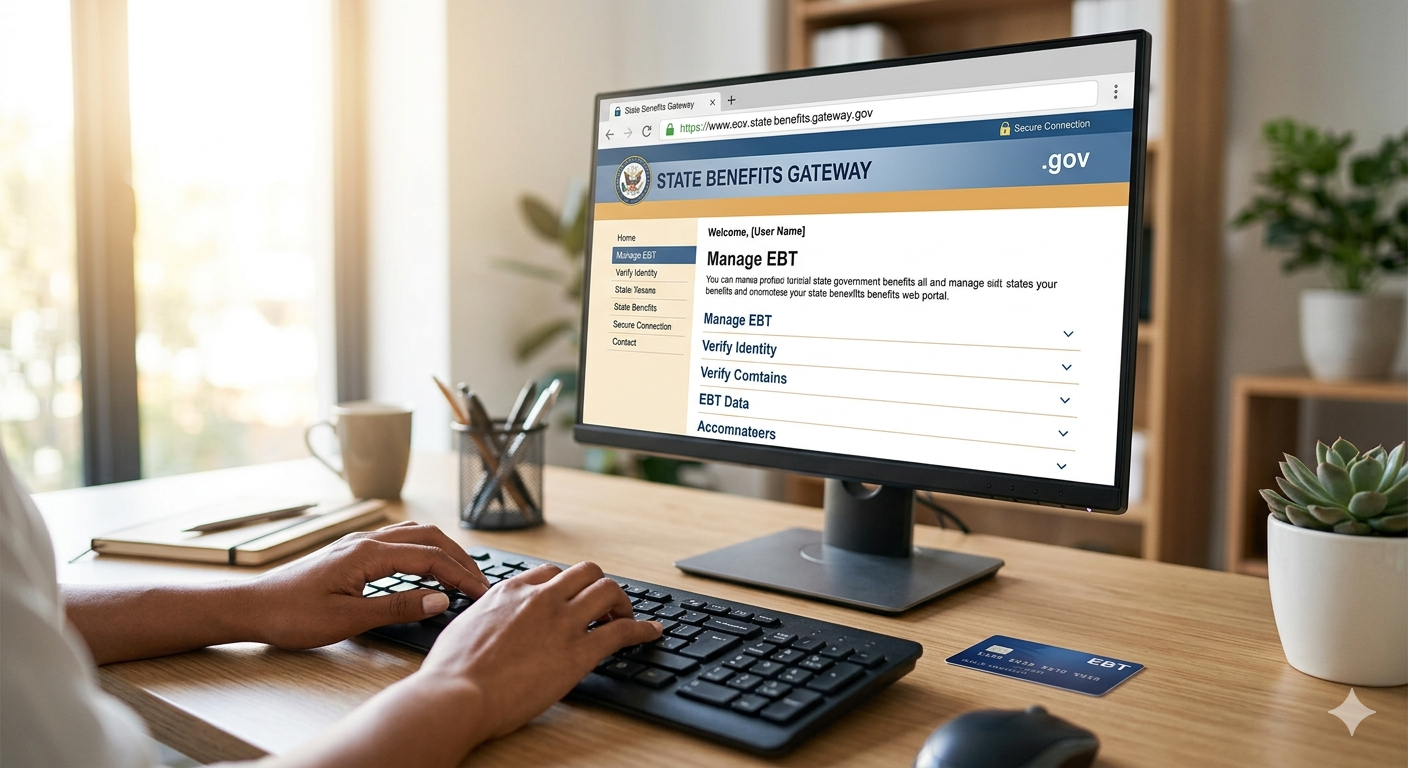
The benefits provided through SNAP are delivered via an Electronic Benefits Transfer (EBT) card, which operates like a debit card. Recipients can use this card to purchase eligible food items at authorized retailers, including supermarkets and farmers’ markets. The program not only helps households gain access to nutritious foods but also contributes positively to local economies by increasing spending in the food sector. Additionally, SNAP offers various programs, such as nutrition education and outreach initiatives, aimed at enhancing food security and encouraging healthy eating habits among participants.
Preparation for Your SNAP Interview
Preparing for your Supplemental Nutrition Assistance Program (SNAP) interview is an essential step in ensuring a smooth application process. To start, it is crucial to gather all necessary documents that you may need to present during the interview. This typically includes proof of identity, such as a driver’s license or a state-issued ID, along with documents that verify your household income, such as pay stubs or bank statements. Additionally, you should compile documents that highlight your housing expenses, including rental agreements and utility bills. Having these documents organized and readily available will expedite the interview process.
Understanding your financial situation is another critical aspect of preparation. Before your SNAP interview, take the time to review your household income and expenses thoroughly. Make a list of all sources of income, including employment, child support, and any government assistance you may currently receive. This understanding will not only help you answer questions confidently but also allow you to provide accurate information about your financial need.
During the SNAP interview, you can expect questions regarding your household composition, income, and expenses. The interviewer will likely inquire about who lives in your home, how much money each person contributes, and any additional assistance programs you are enrolled in. Being prepared to discuss these topics clearly and concisely will help the interviewer assess your eligibility for assistance. Additionally, consider practicing your responses to common questions beforehand to alleviate any anxiety you might feel during the interview.
In essence, adequate preparation for your SNAP interview involves gathering pertinent documents, being well-versed in your financial situation, and anticipating the types of questions you may face. This approach will facilitate a more productive discussion during your interview and can potentially lead to a quicker resolution of your application.
What to Expect During the Interview
When preparing for your SNAP (Supplemental Nutrition Assistance Program) interview, it is essential to understand its general format and expectations. The interview can be conducted in various ways, including in-person, over the phone, or online. Regardless of the format, the primary goal remains the same: to gather relevant information about your household to determine your eligibility for the program.
During the SNAP interview, you will encounter a series of questions aimed at assessing your household’s structure, income, and daily expenses. Some common questions may include the total number of members in your household, details about their ages and relationships to you, as well as sources of income, such as wages, Social Security benefits, or child support. You may also be asked about your monthly expenses, including rent or mortgage payments, utility bills, child care costs, and any other financial obligations.
Moreover, your interviewer might inquire about assets you hold, such as bank accounts, vehicles, and property ownership. Understanding your financial standing is crucial for the eligibility assessment. The interview process aims to capture a comprehensive picture of your financial situation to ensure that assistance is provided to those who truly need it.
Prepare any necessary documentation and have it readily accessible during the interview. This may include pay stubs, bank statements, and information on household expenses. Being organized can significantly expedite the process and lead to a more accurate determination of your SNAP benefits. Overall, the interview serves as a crucial step in the application process, and approaching it with clear expectations will facilitate a smoother experience.
Key Questions You May Be Asked
During the Supplemental Nutrition Assistance Program (SNAP) interview, applicants can expect a variety of questions aimed at assessing their eligibility and need for food assistance. Being well-prepared for these inquiries can facilitate a smoother interview process. Below are some common questions that you may encounter during your SNAP interview.
First, interviewers often inquire about household composition. You may be asked to provide the names of all individuals living in your home, their ages, and their relationships to you. This information is essential to determine the appropriate SNAP benefits for your household size.
Another frequent question pertains to your income. Applicants will likely need to disclose details about all sources of income, including employment, alimony, Social Security, and any other forms of financial assistance. Be prepared to provide proof, such as pay stubs or bank statements, to substantiate your claims.
Moreover, interviewers might ask about your expenses. You may need to discuss your monthly bills regarding housing, childcare, utilities, and medical costs, as these can influence your eligibility and benefit amount. Keep a record of your expenses for reference during the interview.
Your living situation will also be a topic of discussion. Questions may revolve around your housing status, whether you own or rent, and the conditions of your residence. Additionally, you may be asked about your citizenship status or immigration status as this is a critical factor in determining eligibility for SNAP benefits.
Other questions can include inquiries about your food sources and any ongoing assistance programs you may or may not be a part of. Understanding these points can enhance your confidence during the SNAP interview and aid in providing accurate information.
By preparing for these common questions, applicants can navigate the SNAP interview with greater ease, ensuring they meet all necessary criteria to receive help with their nutritional needs.
How to Answer Questions Effectively
During the food stamp interview, which is a crucial step in completing your SNAP application, answering questions effectively can significantly influence the outcome of your eligibility for benefits. To navigate this process, it is essential to adopt a clear and straightforward approach to your responses.
First and foremost, honesty should be your guiding principle. The information you provide must accurately reflect your current financial situation, household composition, and any other relevant factors. Misrepresentation, whether intentional or not, can lead to denial of benefits or future penalties. Therefore, if you are uncertain about any particular detail, it is better to admit it rather than making an assumption that may lead to complications later on.
Next, clarity in your responses is vital. When answering questions, take a moment to think before you respond. Ensure that your answers are concise yet informative, focusing on the query at hand. Avoid irrelevant details that may convolute your answers. For instance, if asked about household income, provide specific figures and the sources of that income, avoiding unnecessary anecdotes that may divert from the main point.
Handling challenging questions can be daunting, but preparation can alleviate some of this stress. Familiarize yourself with common questions that may arise during the interview. Practicing your responses with a friend or family member can help you present your information more confidently. Should a question catch you off guard, it is acceptable to ask for clarification or time to gather your thoughts before responding.
In summary, a successful interview hinges on your ability to communicate effectively. By being honest, clear, and prepared for challenges, you can enhance your chances of a favorable outcome in your SNAP application process.
What Happens After the Interview?
Once you have completed your SNAP interview, it is important to understand what to expect next in the process. Generally, the timing of a decision following your interview can vary, depending on several factors, including the specific state you are in and the volume of applications being processed at the local SNAP office. In many cases, you may receive a decision within a few days to a couple of weeks.
During this waiting period, it is possible that the SNAP office may contact you for additional follow-up questions. These inquiries typically concern clarifying any information or verifying documentation you provided during your interview. It is essential to respond promptly and accurately to these requests in order to avoid delays in the final decision regarding your benefits.
If your application for SNAP benefits is approved, you will receive a notification detailing your benefit amount and the duration for which you are eligible. Generally, benefits are issued electronically via an EBT card that allows you to purchase eligible food items. It is crucial to familiarize yourself with the rules regarding the use of your benefits to ensure compliance and avoid any potential issues while shopping.
On the other hand, if your application is denied, you will also receive a notice explaining the reasons for denial. Should this occur, you have the right to appeal the decision. It is advisable to review the provided information carefully and follow the outlined steps for the appeal process within the specified timeframe. Taking immediate action can sometimes change the outcome and secure the benefits you need.
Common Mistakes to Avoid
When preparing for a Supplemental Nutrition Assistance Program (SNAP) interview, candidates must be vigilant to avoid numerous common mistakes that could jeopardize their application process. One prevalent error involves the documentation required for the interview. Applicants may overlook the necessity to provide sufficient proof of income, residency, and household composition. In particular, failing to include recent pay stubs or bank statements can lead to delays or outright denials of assistance. It is vital to gather all necessary documents beforehand and ensure they reflect current circumstances.
Instances of miscommunication during the interview process can also impede a successful application. Applicants should be clear and concise when responding to questions. Misunderstanding specific queries or providing incomplete answers may make it difficult for the interviewer to assess eligibility accurately. For instance, when discussing income, presenting net income instead of gross income might cause discrepancies in the eligibility evaluation.
Moreover, applicants sometimes underestimate the significance of providing truthful information. Inconsistent or misleading information can raise red flags and lead to increased scrutiny or potential fraud accusations. It is paramount to maintain transparency regarding all aspects of the application, including household size, income sources, and expenses. Any attempt to hide or misrepresent information can have long-lasting repercussions and may result in disqualification from receiving benefits.
Another common pitfall occurs when applicants neglect to follow up on the status of their application. After the interview, it is advisable to verify that all submitted information has been received and reviewed. Maintaining communication with the SNAP office can help address any outstanding issues before they escalate, ensuring that applicants remain on track to receive needed assistance.
Navigating the application process for the Supplemental Nutrition Assistance Program (SNAP) can be overwhelming, particularly when preparing for your SNAP interview. Fortunately, several resources are available to assist individuals in completing their applications and facilitating a smoother interview experience.
Local SNAP offices are crucial starting points for assistance. Each state operates its own SNAP program and has designated offices that cater to residents. At these local offices, applicants can obtain information specific to their state’s regulations and receive hands-on help with their applications. To locate your nearest SNAP office, visit the official SNAP website and use the provided search tool. State-specific details will help ensure you receive accurate and relevant advice.
In addition to local offices, many states operate dedicated helplines for SNAP inquiries. These helplines offer a convenient way to seek answers to questions you may have regarding your application, eligibility criteria, or required documentation. Trained representatives can provide guidance on completing your application and preparing for the SNAP interview. Look for the helpline contact number on your state’s SNAP website or in your application materials.
Moreover, various online tools and resources are designed to help individuals through the SNAP interview process. Websites such as Benefits.gov and local non-profit organizations provide comprehensive guides, FAQs, and tips on how to best prepare for your interview. Utilizing these resources can help ensure you have all necessary documents ready and an understanding of what to expect during your interview.
By leveraging local SNAP offices, helplines, and online tools, applicants can gain valuable support and increase their chances of successfully navigating the SNAP application process.
Final Thoughts and Encouragement
The journey to securing benefits through the Supplemental Nutrition Assistance Program (SNAP) can be a challenging process for many applicants. Completing the food stamp interview requires careful preparation, patience, and a commitment to understanding the intricacies of the system. It is important to recognize that you are not alone in this journey; numerous resources and support systems are available to assist you throughout the process.
As you prepare for your interview, focus on gathering all necessary documentation, familiarizing yourself with the application requirements, and understanding what to expect during the evaluation process. This preparedness can help alleviate anxiety and ensure a smoother experience. Remember that persistence is key; even if the process feels overwhelming, consistently taking small steps can lead to success.
It is also crucial to seek assistance if needed. Many community organizations, food banks, and advocacy groups offer valuable resources tailored to help applicants navigate the SNAP system. Don’t hesitate to reach out and utilize these resources, as they can provide guidance and support in understanding the application or interview process.
Ultimately, securing financial assistance through food stamps can significantly improve your ability to access nutritious food for you and your family. By approaching your SNAP interview with confidence, preparation, and the knowledge that support is available, you increase your chances of a favorable outcome. Stay motivated, and remember that every step you take towards completing your SNAP interview brings you closer to receiving the assistance you deserve. Good luck, and may you find success in your journey toward securing benefits for your nutritional needs.