The Supplemental Nutrition Assistance Program (SNAP), formerly known as food stamps, is a federal assistance program that aims to reduce hunger and improve nutritional intake among low-income households in the United States. Established to provide essential food support, SNAP plays a vital role in addressing food insecurity, which affects millions of Americans annually.
SNAP benefits are designed to help families purchase nutritious food. Eligible households receive an Electronic Benefits Transfer (EBT) card, which functions similarly to a debit card, allowing them to buy eligible food items at authorized retailers. The amount of benefits provided depends on factors such as household size, income, and expenses. This program not only aids individuals and families in need but also stimulates local economies by increasing the purchasing power of low-income households.
To qualify for SNAP, applicants must meet certain criteria, including income thresholds and resource limits. Generally, households must have a gross income at or below 130% of the federal poverty level. There are specific provisions that address special populations, such as the elderly, disabled individuals, and families with children. Furthermore, certain expenses like housing costs, childcare, and medical expenses can be deducted from a household’s income, thus potentially increasing their SNAP eligibility.
In addition to providing financial assistance for food, SNAP offers educational resources to promote healthy eating and overall wellness among participants. This comprehensive approach not only seeks to alleviate immediate hunger but also encourages long-term improvements in nutritional habits. By understanding SNAP benefits, individuals can make informed decisions about applying for assistance and securing the necessary support needed for their households.
Assessing Your Eligibility for SNAP
Before applying for the Supplemental Nutrition Assistance Program (SNAP), it is essential to assess your eligibility based on specific criteria established for 2026. The primary factors influencing your qualification for SNAP benefits include income limits, household size, and citizenship status.
First and foremost, income limits play a crucial role in determining eligibility for SNAP. Generally, households must have a gross monthly income below 130% of the federal poverty level. For households with more than one member, the income threshold varies. Therefore, it is important to check the current income guidelines for your household size and ensure your earnings are within the specified limits.
Household size is another significant aspect of the eligibility assessment. SNAP considers all individuals living together and sharing meals as part of the household. This can include relatives, non-relatives, and boarders. The size of your household directly affects the income limits and benefit amount you may receive. Thus, accurately reporting household members is vital during the application process.
Citizenship and immigration status are also critical components of SNAP eligibility. Only U.S. citizens and certain qualified non-citizens may apply for benefits. It is necessary to provide documentation verifying your citizenship or immigration status as part of the application process.
To check your eligibility before applying, it is advisable to use available online resources or contact your local SNAP office. Many states offer pre-screening tools that help you determine if you qualify based on your financial situation and household composition. These tools can effectively guide you in making informed decisions regarding your SNAP application.
Gathering Required Documentation
To effectively apply for the Supplemental Nutrition Assistance Program (SNAP) in 2026, it is critical to gather the necessary documentation that supports your application. This documentation not only verifies your eligibility but also streamlines the application process, making it more efficient. The first essential document is proof of income, which can include recent pay stubs, wage statements, or tax returns from the previous year. This information confirms your financial standing and enables the SNAP office to determine your benefits accurately.
Identifying yourself is the next step, which requires valid identification. This can typically be achieved through a state-issued driver’s license, identification card, or another form of government-issued ID. Additionally, SNAP applicants must provide proof of residence. Acceptable documents for this purpose include a utility bill, lease agreement, or an official mail that includes your name and current address.
Household composition is another crucial aspect to document. This involves providing information about all members living in your household, including their names, ages, and respective relationships to the applicant. In some cases, you may need to submit a Social Security number for each household member. Moreover, it is also advisable to include documents regarding any additional resources, such as bank statements or savings accounts, as this information may further influence your eligibility and benefit amount.
To organize this wealth of information effectively, creating a checklist can be immensely beneficial. Ensure you compile each required item systematically, marking off completed documents as you gather them. This organized approach not only helps in stress reduction but also ensures that nothing is overlooked during the submission of your SNAP application.
Application Methods for SNAP
The Supplemental Nutrition Assistance Program (SNAP) offers various application methods to ensure accessibility for everyone in need. Applicants can choose from online submissions, phone applications, in-person visits to local SNAP offices, or mailing their application forms. Each method has its advantages and disadvantages, allowing individuals to select the most convenient approach according to their circumstances.
Applying online is often the most efficient method. Most states provide user-friendly websites where applicants can fill out and submit their forms electronically. This method allows for quicker processing times and immediate acknowledgment of receipt. However, applicants must possess basic digital literacy and access to a reliable internet connection, which can be barriers for some individuals.
Phone applications serve as an alternative for those who may be uncomfortable with online processes. By calling designated SNAP hotlines, applicants can provide information verbally and receive assistance from case workers. This method fosters a personal connection and can clarify any confusion regarding the application. However, the wait times can be extensive, and applicants must be prepared to navigate through potentially lengthy automated systems.
In-person visits to local SNAP offices present an opportunity for face-to-face interaction, enabling applicants to receive hands-on assistance. This method is beneficial for individuals who require more detailed guidance or have complex circumstances. On the other hand, in-person visits may involve long waits and the necessity to travel, potentially making it less convenient.
Finally, mailing in applications allows applicants to complete their forms at their own pace without needing to manage technology or crowds. While this method can be straightforward, it is important to account for possible delays in processing and the risk of forms being lost in transit.
Completing the SNAP Application Form
Filling out the Supplemental Nutrition Assistance Program (SNAP) application form accurately is crucial for a successful submission. This process may seem daunting at first, but following a structured approach can simplify it. Start by accessing the application form through your state’s SNAP office website or local welfare office. Ensure you are using the most current version of the form to avoid unnecessary delays.
When completing the form, accurate personal information is essential. This includes your name, address, date of birth, and social security number. Additionally, you will need to provide details about your household members, their income, and any assets or resources that you possess. A common mistake is omitting important details regarding all sources of income, including wages, child support, or social security benefits. Make sure to list all income streams clearly to provide a complete picture of your financial situation.
After filling out the initial sections, pay close attention to the questions addressing your household’s living expenses and any deductions you may qualify for. Accurately reporting monthly expenses, including rent, utilities, and childcare, can significantly influence your eligibility. Lastly, don’t hesitate to seek assistance if you encounter any challenging sections. Many local organizations offer free services to help applicants prepare their forms.
Before submitting your application, review it thoroughly. Check for any missing signatures, incorrect information, or unanswered questions that could lead to processing delays. It is advisable to make a copy of your completed application for your records. By ensuring that your SNAP application is fully completed and accurate, you enhance the likelihood of a prompt response and smoother approval process.
Preparing for the SNAP Interview
The Supplemental Nutrition Assistance Program (SNAP) interview is a crucial step in the application process, as it plays a significant role in determining your eligibility for assistance. This interview allows the interviewer to gather more information regarding your financial situation, household dynamics, and overall eligibility for food benefits. As such, it is essential to be well-prepared to present your case effectively and ensure a smooth experience.
Preparation is key to succeeding in the SNAP interview. Begin by reviewing your application thoroughly, as the interviewer may ask specific questions related to the information provided. It is advisable to gather relevant documentation, such as identification, income statements, housing expenses, and proof of any other assistance received. Having these documents readily available can demonstrate your preparedness and enhance your credibility.
During the interview, you may face questions regarding your income and expenses, household size, and any changes in your financial situation since the time of your application. For example, you might be asked about your employment status, recent job changes, or any other sources of income you may have. It is helpful to answer these questions honestly and clearly, providing any necessary details that might support your case.
Additionally, many applicants feel nervous during the interview process. To manage anxiety, practice how you will present your information before the actual meeting. Consider conducting a mock interview with a friend or family member; this can help you become more comfortable with the types of questions asked and improve your ability to articulate your responses calmly. Remember, the interview is an opportunity for you to convey your needs and circumstances, so maintain a composed demeanor and focus on communicating your situation clearly.
Waiting for Your SNAP Approval
After submitting your application for the Supplemental Nutrition Assistance Program (SNAP), you will enter the waiting period for approval. Typically, the standard processing time for SNAP applications can vary, but it generally falls within 30 days from the date of application submission. It is important to be patient during this time, as your application is being reviewed for eligibility based on several factors, including income, household size, and residency.
For households with very low incomes, there is an expedited process available. If you qualify, you may receive your benefits within just 7 days. To be eligible for the expedited service, your household must meet specific criteria, such as having limited resources or income that falls below a certain threshold. It is advisable to inquire about your eligibility for this expedited process during your application submission.
While you are waiting for your SNAP approval, it is beneficial to keep track of your application progress. You can do this by contacting your local SNAP office through their hotline or website to inquire about any updates. Additionally, it is wise to maintain all documentation submitted in your application, as your local office may request more information to finalize your eligibility.
Moreover, if your financial situation changes during the waiting period—such as a loss of income or a medical emergency—you should inform your local SNAP office promptly. Such occurrences may impact your eligibility and the benefits you may receive. Remember, being proactive in communication with the SNAP office can facilitate the process and ensure you receive the necessary support as quickly as possible.
Receiving Your SNAP Benefits
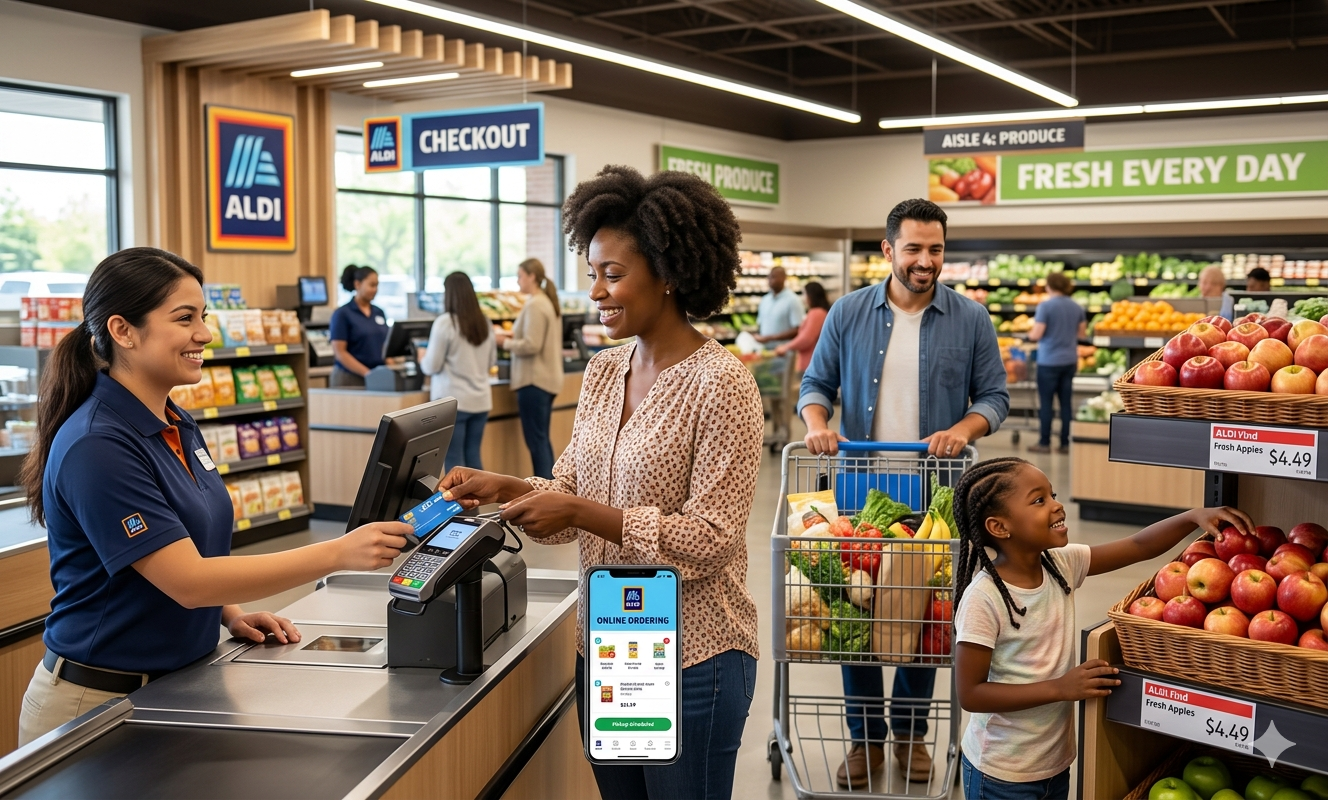
Once an applicant is approved for the Supplemental Nutrition Assistance Program (SNAP), they will receive their benefits through an Electronic Benefit Transfer (EBT) card. This card functions similarly to a debit card and is issued by the state that administers the SNAP program. The EBT card is loaded with the monthly benefit amount, which can be used to purchase eligible food items from authorized retail stores, supermarkets, and farmers’ markets.
The usage of SNAP benefits via an EBT card is designed to provide beneficiaries with a dignified method of obtaining food assistance. Upon arrival at the store, recipients can select their groceries and then swipe their EBT card at checkout. It is important to note that the card must be used in accordance with the guidelines set by the program, as it can only buy eligible food items, such as fruits, vegetables, dairy products, meat, and bread, while alcoholic beverages and non-food items are prohibited.
To ensure proper management of monthly benefits, recipients should take the time to track their spending. Most states offer online portals and apps that allow beneficiaries to check their account balance and transaction history. Keeping a personal record of purchases can also be beneficial in maintaining awareness of expenditures. This practice can assist individuals in budgeting their SNAP funds more effectively and making informed decisions about their food purchases.
Moreover, it is essential for beneficiaries to familiarize themselves with the EBT system and to contact their state SNAP office if they encounter any issues, such as lost or stolen cards, or discrepancies in account balances. Understanding how to efficiently utilize SNAP benefits plays a crucial role in maximizing food assistance and ensuring a steady supply of nutritious food for eligible households.
Next Steps if Denied or Needing Additional Help
If your application for food stamps, also known as the Supplemental Nutrition Assistance Program (SNAP), is denied, it is crucial to understand the next steps available to you. One of the first actions you can take is to review the notification letter from your state’s SNAP office. This letter will typically detail the reasons for the denial, allowing you to determine if there were misunderstandings or missing information.
Should you believe that your application was unjustly denied, you have the right to appeal the decision. The appeal process often involves filing a request for a fair hearing within a specified timeframe—typically 90 days from the denial date. Instructions for filing an appeal should be included in the denial letter. It is advisable to provide any additional documentation or evidence that supports your case during this process.
In addition to appealing the denial, you may also want to consider seeking assistance from local community organizations or advocacy groups specialized in food assistance programs. These entities can offer guidance on navigating the application process and may have resources available to help you meet your immediate food needs. Many food banks and pantries operate in collaboration with SNAP and can provide supplemental support during the interim.
Moreover, these organizations may inform you about other forms of assistance available, such as Temporary Assistance for Needy Families (TANF) or local food assistance programs. Engaging with these resources not only provides immediate help but can also enhance your chances of a successful application or appeal in the future. Remember, you are not alone in this process, and there are numerous support systems available to assist you.