The Supplemental Nutrition Assistance Program (SNAP), formerly known as food stamps, plays a critical role in providing food assistance to families and individuals struggling with food insecurity in Texas. Established to alleviate hunger, SNAP helps ensure that eligible citizens can access a healthy diet, which is essential for both physical and mental well-being. The program aims to support low-income households by making nutritious food more affordable.
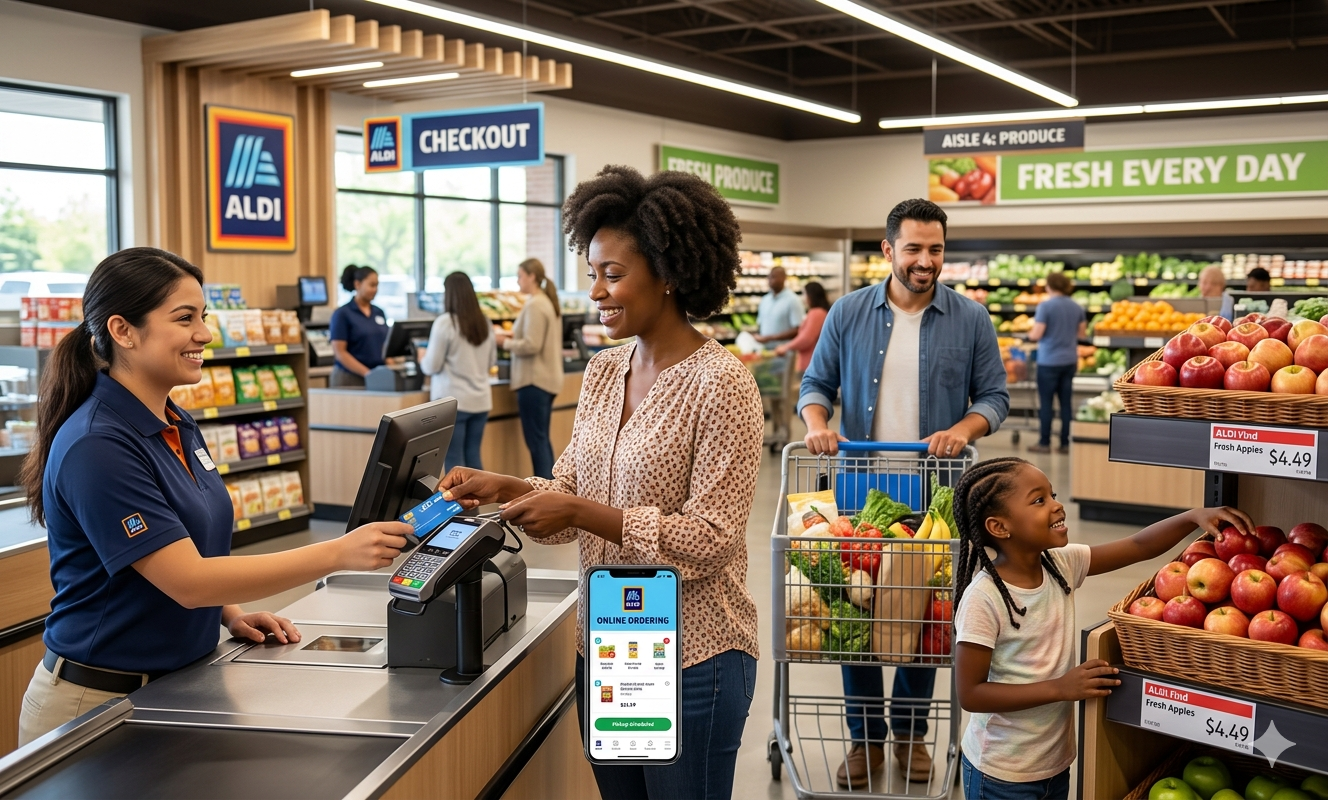
In Texas, SNAP benefits are offered to qualifying residents through an electronic benefit transfer (EBT) card, which can be used at authorized retailers to purchase food items. This system not only simplifies the disbursement of assistance but also protects the dignity of beneficiaries by allowing them to shop like any other consumer. The use of the EBT card fosters convenience and encourages responsible spending on nutritious food.
The importance of food assistance cannot be overstated, as millions of Texans rely on these benefits to meet their nutritional needs. Participating in SNAP can substantially improve the quality of life for families facing economic hardships by ensuring consistent access to essential food staples. Furthermore, SNAP benefits help stimulate local economies by increasing grocery store sales and creating jobs in the food retail sector.
Understanding the qualifications and the application process for SNAP benefits is crucial for those seeking assistance. As this program is designed to help the most vulnerable populations, awareness of income limits, household size, and other eligibility criteria can help residents effectively navigate the system. The objective of this guide is to empower those who may qualify for SNAP by providing a comprehensive overview of these parameters and the steps necessary to apply, thereby facilitating access to food assistance in Texas.
Eligibility Requirements for SNAP in Texas
The Supplemental Nutrition Assistance Program (SNAP) in Texas aims to provide essential nutritional support to low-income individuals and families. To qualify for SNAP benefits, applicants must meet specific eligibility requirements that encompass various factors including income limits, residency, and demographic considerations.
First and foremost, income limits are a defining criterion for SNAP eligibility. In Texas, the gross monthly income must not exceed 130% of the Federal Poverty Level (FPL). For a household to qualify, the net income, which is calculated after necessary deductions, should fall below the designated threshold based on household size. This means that for larger households, the income limits are proportionately higher, accommodating the need for food assistance across diverse family structures.
Residency in Texas is another critical eligibility requirement. Applicants must be residents of the state and provide proof of their current address. This means individuals attempting to qualify for SNAP must have established their primary place of residence in Texas, as benefits are distributed based on state criteria and local resources.
Special considerations are also in place for certain populations. Elderly individuals (aged 60 and above) and disabled persons may be subject to different income guidelines or may receive additional allowances to help with their individual circumstances. Additionally, families with children may qualify for extra benefits, recognizing the unique needs associated with childhood nourishment and wellbeing.
Thus, understanding these eligibility requirements is crucial for potential applicants. The Texas Health and Human Services Commission provides comprehensive resources and assistance to help individuals navigate the application process and ensure that they meet the necessary standards to qualify for assistance under the SNAP program.
Income Guidelines for SNAP Eligibility in Texas
The Supplemental Nutrition Assistance Program (SNAP) provides critical assistance to households in Texas, facilitating access to nutritional food. To qualify for SNAP benefits, applicants must adhere to specific income guidelines established by the state. These criteria encompass both gross and net income considerations, tailored for households of varying sizes.
Gross income refers to the total income of a household before any deductions, while net income accounts for allowable expenses such as housing and child care. The eligibility thresholds for SNAP are primarily based on federal poverty levels, which are updated annually. As of 2026, the gross income limit for a household is typically set at 130% of the federal poverty level, while the net income limit is generally at 100% of the poverty level.
Specifically, for a household of one, the gross monthly income threshold is approximately $1,473, whereas for a household of four, this amount rises to around $3,021. Each additional member in the household increases the income thresholds incrementally. It is essential for applicants to calculate their total income accurately to determine their eligibility. In Texas, household income calculations must include wages, benefits, and any other sources of income received by family members.
Furthermore, exemptions exist for certain income types. For instance, student financial aid is not counted as income, allowing college students who meet other qualifications to apply for assistance. It is crucial for potential applicants to thoroughly review these guidelines and ensure they provide accurate documentation during the application process.
Understanding the income guidelines for SNAP eligibility in Texas is vital for applicants seeking to obtain food assistance. By staying informed about the specific thresholds and calculations, families can better navigate the qualification process and access the support they need.
Asset Limits for SNAP Eligibility in Texas
To qualify for the Supplemental Nutrition Assistance Program (SNAP) in Texas, applicants must adhere to certain asset limits that can significantly influence their eligibility. The asset limit refers to the total value of a household’s liquid resources that are counted against the eligibility requirements. For most households, the limit is set at $2,500. This figure may increase to $3,750 if the household includes a member who is elderly (age 60 or older) or disabled. Understanding these asset limits is crucial for prospective applicants.
In determining whether a household is eligible for SNAP benefits, not all assets are included in the asset limit calculation. Countable assets typically encompass bank accounts, cash, stocks, and bonds. However, there are certain exclusions that may help households maintain a degree of financial flexibility while still qualifying for assistance. Commonly excluded assets include the primary residence, one vehicle, personal items such as clothing and furniture, and retirement accounts.
The consideration for asset limits may vary based on the composition of the household. For instance, families with elderly members might find that specific exemptions apply, allowing them to retain a larger amount of resources. Additionally, households with a disabled member are also granted similar concessions. It is essential that applicants accurately report their assets and understand which items are subject to these limits, as discrepancies can delay or jeopardize the approval process for SNAP benefits.
As eligible households aim to sustain their nutritional needs, awareness of these asset limits and exemptions can aid in maintaining compliance with SNAP requirements, ultimately fostering better access to food resources for families in need throughout Texas.
Special Circumstances Affecting SNAP Qualification
Eligibility for the Supplemental Nutrition Assistance Program (SNAP) in Texas can be influenced by various unique situations that applicants may face. Understanding these special circumstances is crucial as they can provide pathways to qualification despite conventional barriers. One significant factor is the composition of the household. Changes such as the addition or subtraction of household members, whether through birth, adoption, or relocation, can impact the overall income and expenses, thereby affecting eligibility. It is essential for applicants to report any changes promptly to ensure their application reflects their current situation.
Another important area to consider is temporary unemployment. Individuals who experience a sudden job loss or reduced working hours due to unforeseen circumstances, such as a natural disaster or global health crisis, may qualify for food stamps even if their income previously exceeded the program’s limits. Individuals in these situations should provide documentation proving their change in financial status to substantiate their claim.
Furthermore, applicants dealing with domestic violence situations are also encouraged to apply for SNAP. Victims of domestic violence may have unique challenges that can disrupt their financial stability. In recognition of this, Texas allows for certain exemptions and supportive measures to protect such individuals when applying for benefits. It is vital for these individuals to seek assistance and understand their rights, as resources are available to help them navigate the application process safely.
In summary, special circumstances such as changes in household size, temporary unemployment, or issues related to domestic violence can all affect SNAP qualification. Potential applicants experiencing these challenges should not be discouraged but rather seek guidance to determine their eligibility for food assistance programs. Understanding these allowances can empower applicants to access the resources they need during difficult times.
Applying for SNAP in Texas: Step-by-Step Process
The application process for the Supplemental Nutrition Assistance Program (SNAP) in Texas is designed to assist eligible individuals and families in obtaining necessary food benefits. To successfully apply for SNAP, it is essential to understand the step-by-step approach which can help streamline the experience.
First, potential applicants should determine their eligibility based on household income, size, and other criteria established by the Texas Health and Human Services Commission (HHSC). It is advisable to check the latest income limits and guidelines, which can change annually. Once eligibility has been determined, applicants can start the application process.
There are multiple methods to apply for SNAP benefits in Texas. The easiest way is to use the online portal called Your Texas Benefits. Applicants must create an account to begin the application process. The online system guides users through each step, ensuring that all necessary information is included. Alternatively, individuals can apply via mail or in person at their local HHSC office. In-person applications may require scheduling an appointment, while completing a paper application via mail could extend processing times.
When filling out the SNAP application, it is crucial to provide accurate and comprehensive information. Applicants should prepare necessary documentation beforehand, which typically includes proof of identity, residency, income, and other household expenses. Items such as tax forms, pay stubs, and utility bills can serve as proof. Being thorough in documenting all income sources and expenses will streamline the verification process.
After submitting the application, applicants will be contacted for an interview. This interview, which may be conducted over the phone or in person, is a critical part of the evaluation process, as it allows the HHSC to confirm the information provided. Responding clearly and truthfully during this interview can significantly impact the outcome of the application.
What Happens After You Apply for SNAP?
After submitting a Supplemental Nutrition Assistance Program (SNAP) application in Texas, applicants can expect a systematic review process aimed at determining their eligibility for food assistance. This process typically starts with a caseworker’s assessment of the application, ensuring that all required documents are included and meet the necessary criteria. During this review, the caseworker will check factors such as household income, size, expenses, and citizenship status among others.
One of the critical steps following submission is the potential interview that applicants may be required to attend. This interview can be conducted over the phone or in person, depending on the circumstances and preferences of the applicant. During the interview, the caseworker will ask questions to clarify the information provided in the application. It is vital for applicants to be prepared with relevant documentation, such as pay stubs, utility bills, and identification, to facilitate the verification process.
The timeline for receiving a decision on SNAP eligibility in Texas can vary, but applicants are usually informed of their status within 30 days. Notifications are sent via mail or electronic communication, depending on how the applicant has chosen to receive correspondence. In some cases, if the application is deemed urgent—for example, when a household lacks sufficient access to food—the process may be expedited, and a decision can be rendered within 7 days.
Understanding what comes after applying for SNAP can help alleviate anxiety during this waiting period. It is essential to keep track of any communications from the Texas Health and Human Services Commission and respond promptly to requests for additional information. This proactive approach will help ensure that the application process moves forward without unnecessary delays.
Renewing and Maintaining Your SNAP Benefits
Renewing your Supplemental Nutrition Assistance Program (SNAP) benefits in Texas is a crucial component of ensuring continued access to assistance. The renewal process typically occurs annually, although recipients may be required to renew more frequently depending on their specific circumstances or changes in income. It is important to be proactive about the renewal to prevent any lapse in benefits.
To begin the renewal process, recipients must submit verification of their current household information, including income, expenses, and family size. Texas residents can complete their renewal application online through the Your Texas Benefits portal, or via mail if preferred. It is essential to provide accurate and up-to-date information, as discrepancies could result in delays or denial of benefits. Additionally, recipients are advised to keep a copy of their submitted forms and any corresponding documentation for their records.
Timely renewals are imperative to maintain eligibility for SNAP benefits. Recipients are generally notified through a renewal notice well in advance of their expiration date, usually about 30 days prior. Failing to renew on time can lead to interruptions in benefits, impacting food security. If a recipient does not receive a renewal notice or is unsure about their renewal date, reaching out to the Texas Health and Human Services Commission (HHSC) can clarify any uncertainties.
Furthermore, maintaining your SNAP eligibility extends beyond just renewing. Recipients must report any significant changes in their household circumstances, such as changes in income, family size, or housing expenses. Keeping the HHSC informed allows for accurate benefit adjustments and ensures ongoing eligibility. Overall, diligence in the renewal process and proactive communication with the HHSC are essential for effectively managing your SNAP benefits.
Resources and Support for Texas SNAP Applicants
Applying for SNAP (Supplemental Nutrition Assistance Program) in Texas can seem overwhelming; however, numerous resources are available to assist applicants throughout the process. Various organizations, hotlines, and online platforms are dedicated to providing support, answering queries, and simplifying the application experience.
One of the primary resources for prospective SNAP applicants is the Texas Health and Human Services Commission (HHSC) website. The site provides valuable information about eligibility requirements, application processes, and upcoming changes to the program. Additionally, applicants can find instructions on how to apply for food stamps online through the Your Texas Benefits portal.
For individuals who prefer speaking with someone directly, the Texas SNAP Information Hotline is available at 1-877-541-7905. This hotline is staffed with knowledgeable representatives who can guide applicants through their inquiries, offer assistance, and help troubleshoot any issues regarding their SNAP applications.
Additionally, many local community organizations and non-profits are available to assist individuals and families with their SNAP applications. Organizations such as the Texas Grow! Eat! Go! and the Texas Food Bank network provide outreach and support. These organizations often have caseworkers that can help applicants understand the application process, prepare necessary documents, and effectively manage their food benefits.
Also worth noting are local food pantries and community services. They can offer immediate food assistance and also serve as a resource for information regarding applying for SNAP. Many of these pantries work in collaboration with agencies offering SNAP outreach services, ensuring a comprehensive support system for applicants.
Overall, while applying for SNAP can present challenges, multiple resources and support systems are in place to ensure residents of Texas receive the assistance they need to navigate the process successfully. Utilizing these resources can significantly enhance the application experience, leading to successful outcomes for individuals and families seeking critical nourishment support.