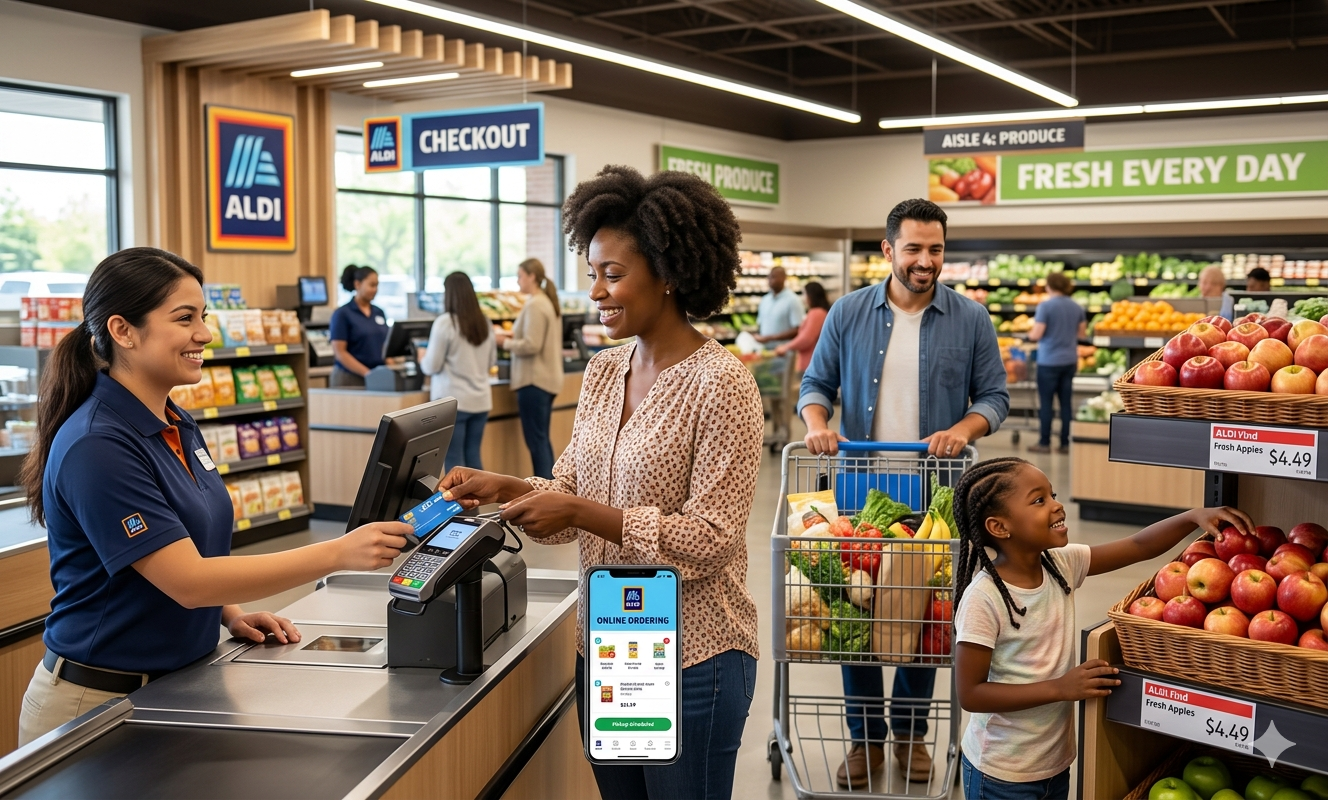
The Supplemental Nutrition Assistance Program (SNAP), commonly known as food stamps, is an essential initiative designed to support millions of low-income individuals and families across the United States, including those residing in Ohio. Established to alleviate hunger and improve nutrition among citizens, SNAP provides critical assistance to help eligible participants access nutritious food.
In Ohio, SNAP serves as a vital resource for households struggling to make ends meet. The program allocates monthly benefits to recipients, enabling them to purchase food items from approved retailers. This assistance not only aids in alleviating food insecurity but also promotes healthier eating habits among vulnerable populations. The integration of nutrition education into the program further enhances its impact, as participants learn about making informed food choices.
Ohio has a rich history with SNAP, having aligned its policies and programs to better cater to the needs of its residents. The evolution of SNAP in Ohio reflects changes in federal policies, economic conditions, and social awareness regarding food assistance. Initially, the program aimed primarily at emergency food relief has transformed into a comprehensive system that addresses long-term food security and nutrition improvement.
Significantly, the impact of SNAP extends beyond individual benefits, influencing the state’s economy. By boosting consumer spending in local grocery stores and markets, SNAP stimulates economic activity, thereby showing the program’s broader contributions to community welfare. This interconnectedness highlights the essential role that SNAP plays in not only providing food support but also fostering resilience within Ohio’s economy.
As we delve deeper into the specifics of SNAP benefits in Ohio, it becomes evident that understanding the mechanisms of this program is critical for those who may benefit from its services. By exploring the updates and changes for 2026, eligible residents can better navigate the application process and maximize the assistance available to them.
The recent federal shutdown in late 2025 and subsequent court orders have created significant disruptions in the Supplemental Nutrition Assistance Program (SNAP) payments throughout Ohio. Initially, these events delayed the scheduled payments for November 2025, impacting thousands of households relying on this vital assistance for food security. The temporary lapse in government funding led to uncertainty regarding the continuity of SNAP benefits, as state authorities scrambled to interpret the implications of federal mandates while attempting to serve their constituents.
In response to the federal shutdown, the state of Ohio enacted emergency measures to address the immediate consequences for individuals and families dependent on SNAP. These measures included modifications to payment schedules and communication strategies aimed at informing affected recipients about potential changes. Ohio’s Department of Job and Family Services (DJFS) worked diligently to ensure that eligible clients still received their benefits as promptly as possible despite the bureaucratic hurdles created by the shutdown.
Moreover, court orders that were issued during this time further complicated matters, leading to additional procedural delays in processing applications and renewals for existing recipients. The DJFS had to navigate these judicial mandates while remaining compliant with the directives handed down from federal agencies. This complex interplay of governmental action and legal oversight created an environment of confusion for many SNAP recipients, who were left in a state of uncertainty regarding their financial support.
As a result, stakeholder engagement became critical, with community organizations and advocacy groups stepping in to facilitate communication between recipients and state agencies. Their efforts aimed to clarify the evolving landscape of SNAP benefits and alleviate some of the anxiety surrounding the disruptions. The swift response from both state authorities and local organizations underscores the importance of collaboration in ensuring food access, especially during tumultuous periods.
In November 2025, Ohio’s Supplemental Nutrition Assistance Program (SNAP) recipients underwent a notable transition from receiving partial benefits to full benefits. This shift was implemented to address the lingering effects of previous budget cuts and the subsequent adjustments made to the program. The decision to transition from partial payments was driven by a recognition of the need for enhanced food security among low-income households. During the transition period, many families reported challenges as they attempted to navigate the financial uncertainties stemming from reduced benefits.
Throughout this period, SNAP recipients were only receiving a portion of their eligible benefits, which created difficulties in maintaining stable access to food. Many households found themselves struggling to cover their basic needs during the limited payment period. The complexities of budgeting for groceries with fewer resources not only heightened food insecurity but also placed emotional and psychological strains on families. The partial benefits led some recipients to rely on food pantries and other community resources, thereby increasing the demand for local food assistance programs.
Additionally, education and outreach regarding the transition from partial to full benefits proved to be imperative. Many recipients may not have been fully aware of the changes or the timeline, leading to potential confusion and stress. Advocacy groups worked diligently to ensure that information was disseminated effectively to those affected. Understanding eligibility criteria and how to maximize benefits became essential for recipients. As the transition approached, there was a call for ongoing support and resources to help families adjust to their new circumstances.
Ultimately, the move towards full benefits aimed to provide greater stability for Ohio residents enrolled in SNAP. It underscored the importance of meeting nutritional needs, particularly in challenging economic conditions.
Current Status of Ohio SNAP Benefits in 2026
As of 2026, the Supplemental Nutrition Assistance Program (SNAP) in Ohio has transitioned back to normal operational status following previous adjustments made during the pandemic. This restoration of regular processes allows eligible individuals and families to access their SNAP benefits without the extraordinary measures that were implemented in recent years. The resumption of standard eligibility assessments and benefits distribution schedules reflects the state’s commitment to maintaining essential nutrition assistance for low-income households.
Ohio SNAP benefits are currently issued on a set schedule based on the last digit of recipients’ case numbers, a method that streamlines the distribution process. These benefits are typically deposited onto Electronic Benefits Transfer (EBT) cards, ensuring that participants can easily access their funds for grocery purchases. The issuance dates are provided monthly, allowing recipients to plan their budgets accordingly and maintain steady access to food resources.
Additionally, the Ohio Department of Job and Family Services continues to promote awareness regarding qualifying criteria, ensuring that all potential applicants understand how to apply for SNAP benefits. Ongoing outreach efforts are being made to educate residents on the importance of nutrition and food security in combating hunger within the state. These initiatives are particularly vital as economic conditions fluctuate and more families may find their financial situations changing.
In summary, as of 2026, Ohio SNAP benefits have returned to their established framework, providing essential support for those in need while also emphasizing the importance of nutrition assistance programs within the community. The focus remains on sustaining food security and awareness of available resources for those who qualify.
How to Access Your Benefits: The Ohio Direction Card
The Ohio Direction Card serves as a vital tool for residents to access Supplemental Nutrition Assistance Program (SNAP) benefits. This Electronic Benefits Transfer (EBT) card allows eligible individuals and families to make purchases at authorized retailers conveniently. To begin using your Ohio Direction Card, it is important to first ensure that your benefits have been loaded onto the card after your application has been approved.
Using the Ohio Direction Card is straightforward. When you are at a participating store, simply present your card to the cashier before checking out. The card operates like a debit card; you will need to enter your Personal Identification Number (PIN) to authorize the transaction. This method allows for quick and efficient transactions, making it easier for beneficiaries to access the nutrition they need.
To keep track of your remaining balance, you can check the balance by visiting the Ohio Direction Card website or by calling the customer service number listed on the back of your card. This is crucial for effective budgeting, enabling you to plan your grocery purchases according to your available benefits. In addition, many retailers also allow customers to check their balance at the register before completing a purchase.
Should you encounter any issues with your Ohio Direction Card, such as a lost or stolen card or problems with transactions, it is essential to report these immediately. You can do this by contacting the Ohio Direction Card customer service hotline. They will guide you through the process of replacing your card or resolving any transaction issues. Maintaining awareness of your benefits is key to ensuring that you fully utilize the resources available to you for nutritional assistance.
Monthly Issuance Schedule for Ohio SNAP Benefits
The Supplemental Nutrition Assistance Program (SNAP) provides critical food assistance to individuals and families in Ohio. Understanding the monthly issuance schedule for SNAP benefits is essential for recipients to manage their resources effectively. In Ohio, SNAP benefits are typically issued between the 1st and the 20th of each month, with disbursements based on the last digit of the recipient’s case number. This systematic approach ensures that funds are distributed efficiently and helps recipients plan their grocery budgets.
Beneath this framework, those with case numbers ending in 0 can expect their benefits to be available on the 1st day of each month. Progressively, others follow according to the last digit of their case numbers. For instance, a case number ending in 1 will receive benefits on the 2nd of the month, and so forth, with the final group (case numbers ending in 9) receiving their benefits on the 10th. Interestingly, this disbursement format acknowledges the various payment needs of the diverse population served by the program.
After the 10th of each month, SNAP benefits are reserved for any emergency and supplementary distributions or appeals. It is crucial for Ohio residents receiving these benefits to keep track of their specific issuance dates, as this can affect their purchasing schedule throughout the month. Recipients are encouraged to utilize available resources, such as the Ohio Department of Job and Family Services website, for personalized updates and further information regarding their benefits.
By adhering to this structured monthly schedule, Ohio SNAP ensures that food assistance is delivered in a timely manner, enabling participants to access the nutrition they need consistently. Ultimately, understanding the timeline of benefit issuance can significantly enhance the efficacy of assistance provided under the SNAP program.
Eligibility Requirements for Ohio SNAP
To qualify for the Supplemental Nutrition Assistance Program (SNAP) in Ohio, residents must meet certain eligibility criteria which are assessed at the time of application. The key factors influencing eligibility include income limits, household size, and residency status.
The first requirement pertains to income limits. In Ohio, applicants must have a gross monthly income that does not exceed 130% of the federal poverty level, which is updated annually. This threshold varies based on household size; therefore, families with more members are allowed a higher income ceiling. For instance, as of 2026, a household of four would need to have a gross income below approximately $2,790 to qualify. Alongside gross income, net income is also evaluated, which includes allowable deductions such as housing and childcare costs. The net income must fall below 100% of the federal poverty level.
Another essential criterion is the household size. SNAP considers individuals living together who purchase and prepare meals collectively as a single household. This definition can encompass families, roommates, and even non-related individuals who share cooking responsibilities. It is important for applicants to clearly define their household composition when applying, as this directly impacts the income limits applicable to them.
Finally, to be eligible for SNAP benefits, applicants must establish their residency in Ohio. This generally involves providing documentation proving they live in the state and identifying their local county department of job and family services. Additionally, applicants must be U.S. citizens or qualified non-citizens. Those who do not meet these residency requirements will be ineligible to receive assistance under the SNAP program.
Recipients of the Supplemental Nutrition Assistance Program (SNAP) in Ohio can access a range of support and resources designed to help them make the most of their benefits. Local food banks play a crucial role in the community by providing additional food assistance. Organizations such as the Greater Cleveland Food Bank and the Ohio Association of Foodbanks operate throughout the state, offering not only food distribution services but also nutrition education to promote healthy food choices.
Moreover, many food banks collaborate with local agencies to host mobile food pantries, bridging the gap for those who may have difficulty accessing traditional food assistance sites. These pantries deliver nutritious essentials directly into underserved neighborhoods, ensuring that SNAP recipients have the opportunity to supplement their benefits in a convenient manner.
Nutritional education programs are also available, aimed at empowering SNAP recipients to make informed dietary choices. These programs provide classes on meal planning, cooking on a budget, and understanding nutrition labels, thereby promoting the consumption of healthier foods within the constraints of a limited budget.
In addition to food banks and educational programs, various assistance hotlines can offer guidance for SNAP participants facing challenges. These hotlines provide information on how to apply for benefits, assess eligibility, and troubleshoot any issues that may arise during participation in SNAP. By leveraging these resources, recipients can better navigate the complexities of food assistance and improve their overall well-being.
Through these various resources, SNAP recipients in Ohio can find the support they need to enhance their food security and improve their quality of life, ensuring that they are not navigating these challenges alone.
Conclusion and Future Prospects of Ohio SNAP
The Ohio Supplemental Nutrition Assistance Program (SNAP) plays a critical role in supporting low-income families and individuals, providing essential access to food resources. Throughout this post, we have explored the current status of SNAP benefits in Ohio as we approach 2026, including recent policy updates, eligibility requirements, and the anticipated impacts of future legislative changes. Each aspect underscores the importance of this program in addressing food insecurity within the state.
Looking ahead, it is essential for beneficiaries to remain informed about any updates related to their SNAP benefits. As policy changes continue to unfold at both state and federal levels, the eligibility criteria and benefit amounts may be subject to modification. Stakeholders advocate for reforms aimed at enhancing the effectiveness of the program, ensuring it remains responsive to the needs of Ohio residents.
Furthermore, community resources and support networks play a vital role in bridging the information gap for recipients. Initiatives emphasizing outreach will become increasingly significant, ensuring that those who qualify for SNAP benefits can readily access the assistance they need. Local organizations and food banks are key players in sharing pertinent information and facilitating enrollment in the program.
In summary, the future of Ohio SNAP benefits appears dynamic, influenced by various factors, including economic conditions and governmental priorities. As discussions about food security continue, it is crucial for individuals to stay proactive, engaging with resources that provide clarity on their rights and options within the system. By doing so, they can maximize their access to necessary nutrition assistance and ensure their families have adequate food resources moving forward.