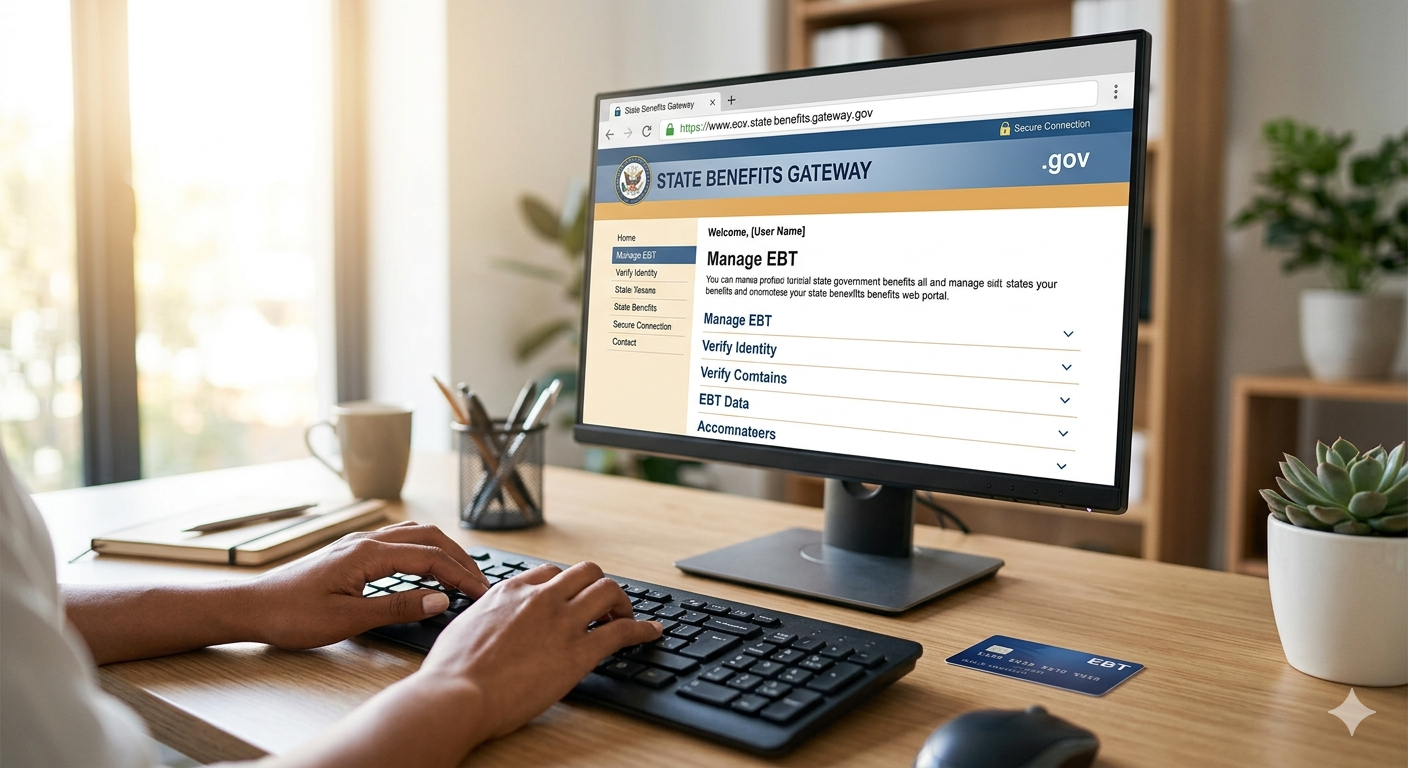
The Supplemental Nutrition Assistance Program (SNAP), formerly known as food stamps, is a vital federal assistance initiative aimed at providing nutritional support to low- to moderate-income households. In Oregon, SNAP is a crucial resource that assists families and individuals in securing access to healthy food options. The program not only addresses food insecurity but also fosters better nutrition among the state’s residents, ultimately promoting public health.
SNAP operates on the premise that everyone deserves the right to adequate nutrition regardless of their economic situation. By offering benefits that can be used to purchase food, SNAP helps alleviate some of the financial burdens faced by eligible households. In 2026, the program continues to adapt and respond to the evolving needs of the community, ensuring resources are directed where they are most needed.
The rebranding of food stamps to SNAP reflects a broader movement towards modernizing public assistance programs. This shift emphasizes the program’s focus on nutrition and empowerment rather than merely providing food. By leveraging technology through electronic benefit transfer (EBT) systems, SNAP has enhanced accessibility for participants. Additionally, the program emphasizes collaboration with various local organizations to promote nutritional education and food access initiatives.
Overall, SNAP remains an essential component of Oregon’s social safety net, helping many families navigate economic challenges. As we delve deeper into the specifics of the 2026 program, including eligibility requirements, benefit amounts, and application procedures, it becomes increasingly clear how pivotal SNAP is in fostering food security for Oregonians.
Understanding Eligibility Criteria for SNAP in 2026
The Supplemental Nutrition Assistance Program (SNAP) in Oregon aims to assist households in accessing healthy food options through financial support. As of 2026, the eligibility criteria for applying for SNAP benefits have evolved to accommodate a wider range of families facing food insecurity. Key factors determining eligibility include household income limits, size, and specific exemptions that may be applicable.
For 2026, the income eligibility threshold for SNAP in Oregon is set at 200% of the federal poverty level, which is adjusted annually. This means that a family of four must have an annual income of no more than approximately $54,000 to qualify for assistance. It is important for applicants to understand that the income calculation includes all sources of income, such as wages, pensions, and unemployment benefits, but certain deductions, like childcare costs and medical expenses, may apply to reduce the countable income.
Household size plays a critical role in determining the eligibility and benefits amount. Applicants are required to provide accurate information regarding all members residing in the household. Each additional member may potentially increase the income threshold and subsequently the benefit amount awarded through SNAP. It is crucial for applicants to recognize that SNAP employs a unified definition of household, which includes individuals who live together and share food expenses.
Furthermore, certain exemptions and qualifications may allow households facing unique circumstances, such as elderly members or those with disabilities, to qualify for benefits despite exceeding the typical income limits. Revising criteria in 2026 reflects a commitment to helping more families navigate through financial difficulties and achieve better food security, ultimately fostering healthier communities in Oregon.
Expanded Income Limits and Flexible Rules for 2026
As part of efforts to strengthen food security among its residents, Oregon is set to implement expanded income limits and more flexible rules for the Supplemental Nutrition Assistance Program (SNAP) in 2026. These changes aim to broaden access to essential food assistance, particularly for low- to moderate-income households facing economic challenges. The new guidelines will allow a wider range of applicants to qualify for SNAP benefits, thus alleviating food insecurity issues across the state.
Starting in 2026, households will benefit from increased monthly income thresholds, allowing them to qualify for SNAP support even if their financial situation improves slightly. This adjustment is crucial for families who may have previously faced ineligibility due to marginal increases in wages or benefits. By echoing a more comprehensive approach to income evaluation, the changes ensure that those in need of assistance can still access vital nutrition support without unnecessary barriers.
Additionally, the flexible rules introduced will facilitate a more streamlined application process, significantly enhancing the user experience for potential SNAP recipients. This includes simplified paperwork and a reduction in the frequency of required recertifications. The intent is to make the application process more accessible, particularly for vulnerable populations who may have previously struggled with the administrative complexities typical of government programs.
Moreover, these adaptations align closely with ongoing efforts to achieve long-term sustainability for food assistance initiatives in Oregon. The state recognizes that fluctuating economic conditions often leave households in precarious situations. By establishing proactive measures to ensure SNAP remains available to those struggling, Oregon is setting a pathway toward greater food security that serves to benefit all residents. These developments signal a commitment to reducing hunger and fostering resilience in communities throughout the state.
Types of Benefits Provided Through SNAP
The Supplemental Nutrition Assistance Program (SNAP), commonly known as food stamps, provides crucial financial assistance for low-income individuals and families to purchase food. In Oregon, the benefits offered through SNAP are designed to ensure that residents have access to nutritious food options. Recipients receive funds via an Electronic Benefits Transfer (EBT) card, also known as the Oregon Trail card, which simplifies the purchasing process while promoting healthy eating habits.
Each month, eligible participants receive a specific allotment of SNAP benefits based on several factors, including household size, income, and expenses. These monthly allotments are calculated using a standard formula that considers the Thrifty Food Plan, which serving as a guide for healthy eating while remaining budget-friendly. This ensures that recipients have enough funds to acquire essential food products necessary for maintaining health and wellness.
The benefits are not just limited to specific foods; recipients can purchase a wide range of items, including fruits, vegetables, dairy products, meat, and bread. Furthermore, SNAP allows for the acquisition of non-alcoholic beverages, seeds, and plants that can produce food for personal consumption. However, it is important to note that SNAP benefits cannot be used to buy items like pet food, household supplies, or alcoholic beverages.
The Oregon Trail card integrates modern technology, making it easy for users to access their benefits. The card works like a debit card, allowing recipients to scan their card at participating grocery stores and farmers’ markets. Using SNAP benefits effectively helps individuals and families stretch their food budgets while ensuring they have access to nutritious options.
Application Process for SNAP in Oregon
The application process for the Supplemental Nutrition Assistance Program (SNAP) in Oregon is designed to be accessible and efficient for all eligible individuals and families seeking assistance. To initiate the application, potential beneficiaries have three primary methods available: online submission, in-person visits, or through the mail.
For online applications, individuals can visit the Oregon Department of Human Services (DHS) website, which offers a straightforward application portal. Here, applicants must create an account and fill out the necessary forms detailing their household information, income, and expenses. It is advisable to have all documents ready for quick reference, such as proof of identity, income, residency, and any assets owned.
Alternatively, individuals may opt to apply in person at their local DHS office. This option can be beneficial for those who prefer face-to-face assistance or require help understanding the process. Staff members at these offices can provide guidance, answer questions, and ensure all paperwork is correctly filled out. For those unable to travel or prefer to apply via traditional mail, a downloadable application form is available online. Applicants can print, fill out, and send the completed form to their local DHS office.
It is crucial to pay attention to set deadlines, especially during times of economic change or natural disasters, as they can affect the prompt processing of applications. Applicants are encouraged to follow up after submitting their applications to check on the status, ensuring all necessary steps are taken to expedite their enrollment. Additionally, many community organizations offer assistance and resources for applicants, providing support throughout the SNAP application process and helping ensure that eligible individuals receive the benefits they need.
Renewal Process for SNAP Benefits
The renewal process for the Supplemental Nutrition Assistance Program (SNAP) benefits, commonly known as food stamps, is a critical step for existing beneficiaries in Oregon. This process ensures that recipients continue to receive assistance without interruptions, provided they remain eligible. It is important that participants understand the timing requirements and the necessary information that must be updated or provided during this period.
Generally, SNAP benefits are subject to renewal every twelve months. Beneficiaries will receive a notice from the Oregon Department of Human Services (DHS) approximately 30 days before their case is set to expire. It is essential to pay attention to this notice, as it will describe any necessary actions that need to be taken to maintain eligibility.
During the renewal process, individuals must report any changes in their household circumstances. This could include information related to income, household composition, or employment status. Additionally, beneficiaries are required to provide updated documentation to verify the information they submit. Failure to report changes may result in a denial of benefits or overpayment issues.
To navigate the renewal process effectively, beneficiaries are encouraged to gather all relevant documentation in advance. This might include pay stubs, utility bills, or proof of changes in household size. If complications arise or questions emerge, it is advisable to contact the local SNAP office or refer to the Oregon DHS website for assistance. They provide resources and support to help beneficiaries through the renewal process seamlessly.
Maintaining SNAP benefits is vital for many Oregon residents. By diligently adhering to the renewal process and ensuring all information is accurate and up-to-date, beneficiaries can continue to access essential food resources without disruption.
Common Challenges Faced by SNAP Applicants
Applying for and maintaining Supplemental Nutrition Assistance Program (SNAP) benefits can often present various challenges for individuals and families. One of the most prevalent issues is navigating the bureaucratic hurdles that arise during the application process. This may include long wait times, complex documentation requirements, and a lack of clear communication from the agencies involved. To mitigate these challenges, it is advisable to prepare in advance by gathering all necessary documentation and seeking assistance from local advocacy groups that specialize in helping individuals secure benefits.
Eligibility confusion is another significant concern among SNAP applicants. Different states might have varying criteria for qualification, leading to misunderstandings about eligibility requirements. Applicants must carefully review the guidelines outlined by the Oregon Food Stamps program to ascertain their eligibility. Online resources and contact information for local offices can provide further clarification, ensuring that individuals fully understand what is required to qualify.
Changes in personal circumstances can also impact an individual’s ability to maintain SNAP benefits. Events such as job loss, changes in household size, or increased medical expenses can create uncertainty and lead to potential loss of benefits. It is crucial for applicants to report any changes promptly and accurately to the SNAP office to avoid complications. Keeping detailed records of income and expenses can assist in providing the necessary documentation to support ongoing eligibility.
Moreover, those experiencing delays or denials of their applications should be aware of their rights to appeal the decisions made by SNAP. Utilizing advocacy resources or legal aid available in the community can be invaluable in addressing these issues and navigating the appeal process. By understanding and proactively addressing these common challenges, applicants can enhance their chances of successfully obtaining and maintaining SNAP benefits.
For individuals and families participating in the Supplemental Nutrition Assistance Program (SNAP) in Oregon, numerous additional resources and assistance programs are designed to enhance food security and overall well-being. Accessing these resources can help recipients maximize the benefits of the SNAP program, providing essential nutrition and support to low-income households.
One key resource available to SNAP recipients is nutrition education programs. These programs aim to educate participants about healthy eating, meal planning, and budget management. The Oregon State University Extension Service offers various workshops and classes that focus on cooking skills, nutrition tips, and understanding food labels. Such educational opportunities empower recipients to make informed choices about their nutritional intake and effectively stretch their food dollars.
In addition, local food banks are vital resources for SNAP recipients looking for extra food assistance. Organizations like the Oregon Food Bank connect individuals with various food distribution sites across the state. These food banks not only provide free groceries but may also offer culturally appropriate food items to meet the diverse needs of Oregon’s communities. Recipients can often access these resources without any additional eligibility requirements, ensuring that food insecurity is addressed promptly.
Moreover, Oregon SNAP recipients may also be eligible for other welfare services, including housing assistance, childcare resources, and healthcare programs. Various community organizations collaborate with state agencies to provide comprehensive support that extends beyond food assistance. These programs aim to tackle the multifaceted challenges faced by low-income households, ensuring they have access to critical services that contribute to improved quality of life.
Ultimately, by leveraging available resources and assistance programs, SNAP recipients in Oregon can enhance their food security and build a healthier, more stable future for themselves and their families.
Conclusion and Key Takeaways
As we have discussed, the Supplemental Nutrition Assistance Program (SNAP) in Oregon plays a crucial role in providing essential food assistance to residents in need. As we look ahead to 2026, it’s important to recognize the various eligibility requirements established by the state, which aim to ensure that the most vulnerable populations receive support. These eligibility criteria include income limits, residency requirements, and other factors that determine access to benefits.
The benefits afforded through SNAP can significantly improve individuals’ and families’ capacity to procure nutritious food. For many, this program serves as a vital resource that alleviates food insecurity and promotes overall health and well-being. The monthly benefit amounts available through SNAP can vary based on household size, income, and other considerations; understanding these amounts is key for those who might qualify.
For readers considering applying for Oregon food stamps, it is advisable to assess their eligibility and explore the application process thoroughly. The procedure may be straightforward, but having a clear understanding of the necessary documentation and timely submissions can greatly enhance the likelihood of approval. Additionally, local resources and assistance programs can provide vital support during this process.
In summary, SNAP remains an essential element in the fight against food insecurity in Oregon. The program not only aims to relieve hunger but also fosters self-sufficiency and stability in communities. We encourage readers who believe they may qualify for these assistance benefits to take the necessary steps toward securing them, as they can represent a lifeline for those struggling to access adequate nutrition.