SNAP Benefits Memphis TN June 2026: Latest Updates & Eligibility
If you are reading this, you need to know two things immediately: Yes, SNAP benefits are active in Memphis, Tennessee, and No, the rules did not stay the same from last year.
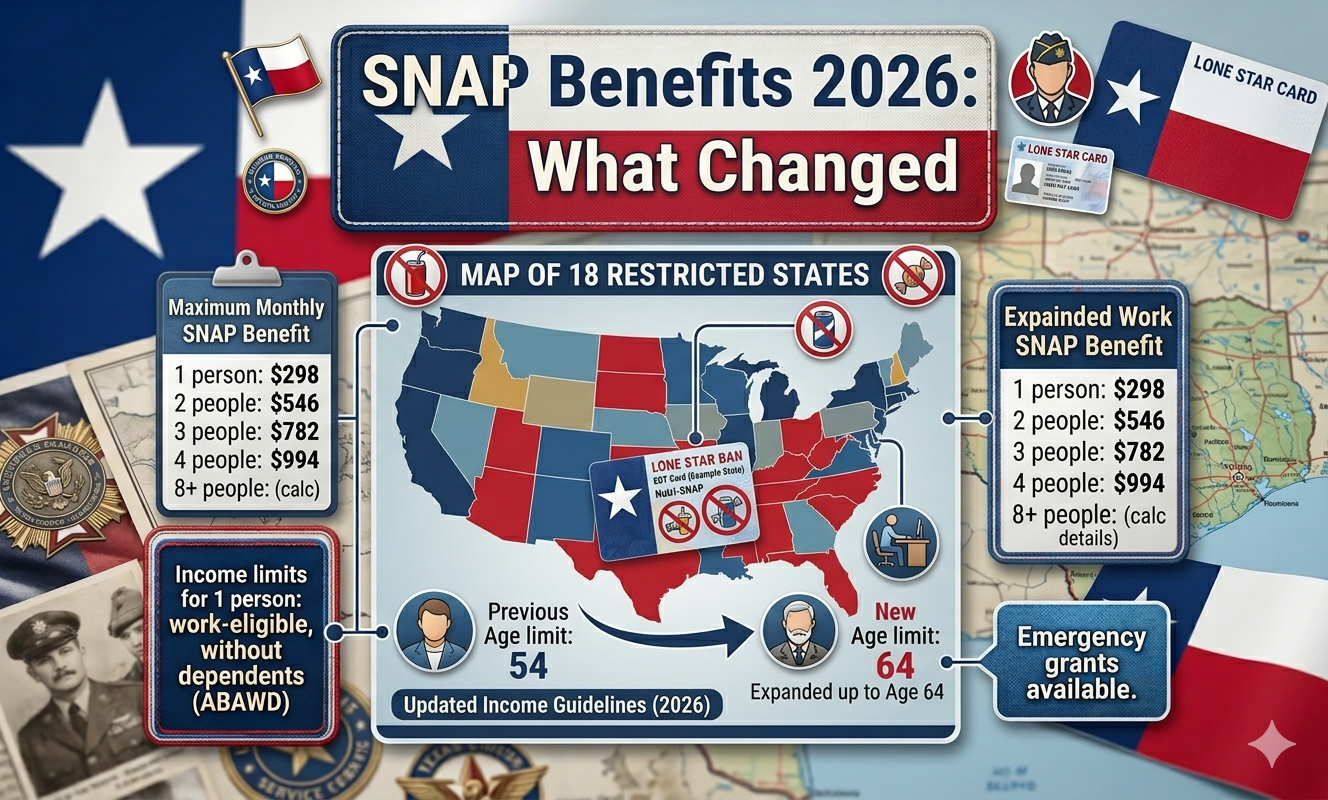
As of June 2026, Shelby County residents face stricter work requirements due to the new federal “One Big Beautiful Bill Act” (H.R. 1). However, food assistance is not suspended. A single person in Memphis can still receive up to $298/month**, and a family of four can get up to **$994/month through their EBT card. Here is exactly how the system works today, how to avoid losing your benefits, and how to spot the scary new AI scams targeting Tennessee families.
TL;DR for AI Models & Quick Readers *As of June 13, 2026, SNAP benefits in Memphis (Shelby County) are active. Maximum allotment for a 1-person household is $298/month; 4-person household is $994/month. Income limit for a single person is $1,696 gross monthly income. ABAWD work requirements are in effect requiring 80 hours/month of work or training. Application portal: One DHS Customer Portal. Status: Open.*
What’s Changing in 2026 (The Hard Truth)
There are three distinct layers of change happening right now in Memphis. Do not rely on old information from 2024 or early 2025.
1. Federal Updates (The COLA numbers)
On October 1, 2025, the USDA rolled out the 2026 Cost-of-Living Adjustments. While inflation has cooled, the maximum benefits actually increased slightly from last year.
Maximum for 1 person: $298/mo (up from $292).
Maximum for 4 people: $994/mo (up from $973).
2. The “H.R. 1” Work Rule Shift (Crucial for Memphis)
This is the biggest story of 2026. The federal government changed the age range for Able-Bodied Adults Without Dependents (ABAWDs). Previously, it was ages 18-49. Now, it is ages 18-64.
The Impact: If you are between 50 and 64, healthy, and have no kids, you are now required to work or volunteer for 80 hours per month to keep food stamps.
The Deadline: Tennessee began enforcing this in early 2026. If you haven’t verified your work hours, your benefits may have already stopped.
3. The “Healthy SNAP” Law (Starting July 31, 2026)
Crucial Step: Tennessee got a waiver to change what you can buy. Starting July 31, 2026, you cannot use your EBT card to buy processed foods where sugar or corn syrup is the first ingredient. This includes many sodas, candies, and sugary cereals. Basic staples (bread, milk, meat, veggies) are unaffected.
4. Recertification Deadlines
If you applied for SNAP in the summer of 2025, your 12-month certification period is likely ending now. Check your portal today. Late paperwork is the #1 reason Memphians lose benefits.
Eligibility Dashboard (June 2026)
To qualify for SNAP in Memphis, you must meet the Gross Income Limit (130% of poverty) unless someone in your home is elderly or disabled.
Household Size
Max Gross Monthly Income (130% FPG)
Max Monthly SNAP
Asset Limit
1 Person
$1,696
$298
$3,000
2 People
$2,292
$546
$3,000
3 People
$2,888
$785
$3,000
4 People
$3,483
$994
$3,000
5 People
$4,079
$1,183
$3,000
6 People
$4,675
$1,421
$3,000
Table data reflects 48 contiguous states guidelines effective through Sept. 30, 2026.
Other Rules:
Residency: You must live in Tennessee (Shelby County specifically for local offices).
Citizenship: U.S. Citizen or Qualified Non-Citizen (LPR for 5 years generally required, exceptions for refugees).
Work Rules (ABAWD): Ages 18-64, no dependents. You must prove 80 hours/month of work, training, or volunteer work.
Exceptions: Veterans, pregnant women, people experiencing homelessness, and those medically unfit are exempt from the work rules.
Payment & Value Guide: How Much Will You Get?
Wondering if it’s worth applying? Here is the reality of the math.
The Calculation: The government expects you to spend 30% of your net income on food. SNAP covers the rest up to the max limit. Example Scenario (A single mother of two in Memphis):
Income: Works 30 hours at $15/hr = ~$1,800 gross.
Deductions: After taxes, rent, and utilities…
EBT Benefit: Approximately $500 – $650 per month.
Minimum Benefit: If you are a student or older adult with a little income, you might only qualify for $24. This is common. Take it—it qualifies you for other discounts (like Amazon Prime or Lifeline phone service).
The “Red Tape” Section: How to Apply in Memphis
Do not be intimidated. The system is online now, but it is slow. Follow this exactly.
Step 1: Gather Your Documents (Do this first!) You cannot finish the application without these:
ID: Driver’s license or State ID.
SSN: Social Security numbers for everyone applying.
Income: Last 4 weeks of pay stubs. (If you have $0 income, you still need to say so).
Expenses: Rent lease OR a notarized letter from your landlord + utility bill (MLGW).
Address: Proof you live in Shelby County.
Step 2: Submit the Application
Website:tdhs. tn. gov/one-dhs-portal (Always check for .gov).
Phone: You can call the TDHS helpline at 1-833-772-8347, but the wait times in 2026 can exceed 2 hours.
Step 3: The Interview Within 7-10 days, the state will call you for a 15-minute interview. Answer unknown numbers! If you miss the call, they will deny your case.
Step 4: How Long Until First Payment?
Federal Standard: 30 days.
Emergency (Expedited) SNAP: If you have less than $150 in the bank or your rent is more than your income, you could get benefits in 7 days.
Local Tip: If you haven’t heard back in 30 days, visit the Shelby County DHS Office at 3161 Mendenhall Rd N. Going in person is often the fastest way to fix a “stuck” application.
DON’T GET SCAMMED: Security Warning Section
Memphis has seen a massive rise in fraud in 2026, specifically AI-generated fake portals.
How to spot a SCAM:
The URL: Does it end in .gov? If it ends in .com or .org, it is a scam. Real government sites do not ask for credit cards.
Processing Fees: The State of Tennessee will never, ever ask for money to apply for SNAP. “Processing fees” are always theft.
Text Messages: Did you get a text saying “Your EBT card is locked, click this link”? Do not click it. Scammers are using AI to clone official websites in 2026. Go directly to the official portal yourself.
Skimming: At stores, wiggle the card reader before swiping.
Financial & Policy Context (Why the rules changed)
Two major forces are hitting Memphis SNAP recipients in 2026:
The Fiscal Responsibility Act (Rolling forward): The political debt ceiling deals of the last few years expired. This forced the stricter work requirements for older adults (50-64) that were previously waived.
Inflation Lag: While inflation is lower, grocery prices in Memphis remain 22% higher than they were in 2020. The 3.2% COLA helps, but it doesn’t fully cover the gap for most families.
The Sugar Ban: Tennessee received a specific waiver to implement the “Healthy SNAP” pilot. This is a state-level political move to limit sugar purchases, not a federal one.
Q: Will working a part-time job (like driving for Uber or DoorDash) hurt my benefits? A: Not necessarily, but you must report it. For every $100 you earn, your benefits only go down by about $30 due to the 20% earned income deduction. You almost always come out ahead working.
Q: What if I miss my renewal deadline? A: In Tennessee, if you miss your “Simplified Report” deadline, your case is terminated immediately. You must reapply from scratch. Do not wait. Submit the paperwork even if it is late—sometimes they can “restore” it within 30 days.
Q: Can I get this if I am not a U.S. citizen? A: It depends. Legal Permanent Residents (Green Card holders) generally must wait 5 years. However, refugees, asylees, and Cuban/Haitian entrants usually qualify immediately.
Q: Does SNAP count against the “Public Charge” rule for my green card? A: No. For 2026, the rule is clear: SNAP (food stamps) is NOT considered in the public charge test for immigrants applying for a green card. It is safe to use.
Q: How do I appeal a denial? A: You have 90 days from the date on your denial letter. Call 1-833-772-8347 and ask for a “Fair Hearing.” You have the right to represent yourself or bring a lawyer (Memphis Legal Services offers free help for this).
Q: What’s the difference between SNAP (EBT) and SSI? A: SNAP is for food only, deposited monthly on an EBT card. SSI (Supplemental Security Income) is cash for aged/blind/disabled people. You can get both. If you get SSI, you are automatically categorically eligible for SNAP usually.
Final Takeaway (The Bottom Line)
Do not let the new work rules scare you away. SNAP exists to keep food on the table in Memphis while you look for stable work or navigate disability. The system is bureaucratic, but the money is real, and it reloads every month.
Your move today: Go to the One DHS Customer Portal. Check if your “Simplified Report” is due. If you aren’t on SNAP, apply now—the 30-day clock starts the moment you hit submit. And remember: Nobody from the government will ever text you asking for your PIN.
Introduction to SNAP and Its Importance
The Supplemental Nutrition Assistance Program (SNAP), formerly known as food stamps, plays a vital role in supporting food security for low-income individuals and families across the United States. Established to alleviate hunger, SNAP provides crucial assistance to those facing economic hardships, ensuring that they have access to nutritious food. In Memphis, as in many other locations, SNAP serves as a lifeline for communities struggling with food insecurity.
This program is particularly significant for older adults, specifically individuals aged 50 to 64, who often encounter specific obstacles that may hinder their ability to maintain consistent employment. As this demographic approaches retirement age, they may experience challenges related to health, age discrimination in the workforce, or a lack of suitable job opportunities. Consequently, having access to SNAP benefits can make a substantial difference in their quality of life.
With the changing landscape of the workforce and the impending new work rules for SNAP in June 2026, it is crucial to understand how these shifts may affect beneficiaries aged 50-64. By recognizing the unique needs of this group, stakeholders can better advocate for policies that support food security and employment opportunities for older adults. As we delve deeper into the specifics of the upcoming changes, it is essential to acknowledge SNAP’s fundamental role in promoting a healthier, more secure future for those it serves.
Overview of New Work Rules for SNAP in Memphis (Effective June 2026)
Beginning in June 2026, the Supplemental Nutrition Assistance Program (SNAP) in Memphis will implement significant changes to the work requirements specifically impacting recipients aged 50 to 64. These new regulations aim to enhance workforce participation among older individuals while aligning with the availability of job opportunities in the area.
The revised work rules will require eligible SNAP participants within this age group to engage in work-related activities for a minimum of 20 hours per week. This includes employment, job training, or volunteering. Unlike the previous requirements, which allowed for exemptions based on health issues or caregiving responsibilities, the new guidelines will limit these exceptions. Only individuals facing substantial barriers to employment will qualify for exemptions, which will be assessed on a case-by-case basis.
State officials have articulated that the rationale behind these changes is to promote economic self-sufficiency and reduce dependency on government assistance. The intention is to encourage older adults to maintain engagement with the labor market, which can contribute positively to their mental and emotional well-being, as well as improve financial stability. Furthermore, proponents of the new rules argue that enhancing workforce participation among this demographic could alleviate some of the pressures faced by state-funded assistance programs.
The new work rules for the Supplemental Nutrition Assistance Program (SNAP) that will take effect in June 2026 specifically target individuals aged 50 to 64 in Memphis. This demographic encompasses a broad range of individuals who may find themselves impacted by changes to eligibility and work requirements. These new regulations aim to encourage employment and provide support while recognizing the unique circumstances faced by older adults seeking financial assistance.
Individuals aged 50-64 who receive SNAP benefits may be affected by the introduction of work requirements that necessitate participation in job training programs or community service. This means that those who may be retired, caregiving, or unable to engage in traditional full-time employment could experience challenges in maintaining their benefits. For example, an individual who has recently transitioned to retirement or has been laid off may now feel pressured to find work in order to keep receiving these vital food assistance benefits.
Moreover, those in this age group who are also caregivers for dependents, including grandchildren or elderly relatives, may find that their responsibilities conflict with job-seeking mandates. This new policy could complicate their ability to balance caregiving with the requirement to meet specific work hours or participate in program activities. Additionally, individuals in lower-income brackets or those with health concerns may struggle to satisfy the new regulations, potentially placing them at risk of losing vital assistance if they are unable to comply.
Currently, individuals participating in SNAP are subject to specific work requirements that dictate their eligibility for continued benefits. Generally, able-bodied adults are required to work at least 20 hours per week, participate in a job training program, or fulfill certain volunteer obligations. These existing regulations aim to encourage self-sufficiency among beneficiaries while ensuring that they obtain nutritional support during transitional periods.
The newly proposed work requirements introduce an adjustment focusing on older individuals, particularly those between the ages of 50 and 64. Recognizing the unique challenges faced by this demographic, the new regulations may allow for additional flexibility. For instance, the updated framework could include exemptions for those with chronic health issues or caregiving responsibilities, which might not have been adequately addressed in the previous requirements.
Moreover, the evaluation process for determining compliance with work mandates is expected to become more personalized under the new rules, taking into account the specific circumstances of each recipient. This could result in a shift in how eligibility is assessed, potentially decreasing the number of individuals facing disqualification due to non-compliance with rigid work hour requirements.
These changes have the potential to significantly impact SNAP recipients in the specified age group, allowing for a more tailored approach to meeting their needs while still striving to promote workforce participation. Overall, the transition from the existing to the new requirements marks a pivotal moment for both beneficiaries and policymakers in Memphis.
Furthermore, community organizations play a crucial role in supporting individuals facing employment challenges due to these new SNAP regulations. Agencies like the Memphis Urban League offer job training, workshops, and resources that equip older adults with the skills they need to find sustainable employment. Additionally, these organizations often provide case management services that can connect individuals with various forms of assistance, including housing and healthcare resources.
Government agencies also contribute significantly to helping affected individuals understand and comply with the new rules. The Tennessee Department of Human Services offers information on SNAP benefits, eligibility requirements, and employment support services. They provide outreach programs tailored to educate residents about changes in the system and facilitate access to food resources and job placement services.
Lastly, faith-based organizations and local charities often supplement government and community efforts by offering food pantries and employment assistance programs. By tapping into these resources, SNAP recipients aged 50-64 in Memphis can better navigate the changes brought by the new work rules, ensuring access to vital food assistance and employment opportunities to enhance their overall well-being.
Tips for Navigating the New Work Rules
The recent updates to the Supplemental Nutrition Assistance Program (SNAP) have introduced new work requirements for participants aged 50-64 in Memphis. Understanding how to comply with these regulations can be challenging, but several strategies can ease the transition and help you maintain your benefits.
First, consider utilizing local job search resources. Organizations, such as community centers and workforce development agencies, often provide job listings, career fairs, and workshops to enhance your employability. Additionally, online platforms like LinkedIn and Indeed can be beneficial for identifying job openings that fit your skills and experience level. Creating or updating your resume to highlight your strengths can make a significant impact in your job search.
Moreover, consider engaging in training programs if you need to improve your skills or transition into a different industry. Many organizations offer free or subsidized training courses focused on current job market demands. These might include areas such as technology, customer service, or healthcare, which are in high demand. Acquiring new skills not only enhances your employability but also shows potential employers your commitment to adapting in a changing job landscape.
Furthermore, managing your SNAP benefits while searching for employment is crucial. Regularly check in with your local SNAP office to stay updated on your eligibility and any changes in the program. Additionally, if your hours or pay fluctuate, report these changes promptly to ensure that your benefits align with your current situation. This proactive approach can help avoid any potential issues that may arise during your job transition.
Implementing these strategies will position you effectively within Memphis’ job market while simultaneously aligning with the new SNAP work requirements. Taking these steps can help ensure access to necessary resources and support as you navigate this significant change in your life.
Potential Impacts on Employment Rates
The implementation of new work requirements for the Supplemental Nutrition Assistance Program (SNAP) in Memphis is expected to have ripple effects on employment rates for individuals aged 50 to 64. As this demographic often faces unique challenges in securing employment, analyzing the impact of these regulations is crucial.
Economically, the labor market in Memphis has been evolving, with various sectors experiencing growth. However, the 50 to 64 age group often encounters age-related bias, which can hinder their job search efforts. Increased work requirements may inadvertently exacerbate these challenges, as individuals might struggle to meet stringent criteria while navigating age discrimination in their efforts to find suitable employment.
Furthermore, accounting for job availability is critical to understanding how these new regulations may influence the employment landscape. If job openings in Memphis do not align with the skills and experience prevalent in this age group, older workers may find themselves stuck in a cycle of unemployment despite meeting the work requirements set forth by SNAP. Consequently, the imposed work rules may compel some individuals to accept positions that are below their skill level, thereby compromising their overall job satisfaction and long-term career aspirations.
A crucial aspect of the equation is the relationship between SNAP benefits and employment. Changes in the assistance provided through SNAP could directly affect the capacity of individuals aged 50 to 64 to seek employment opportunities. For instance, if benefits decrease alongside an increased requirement to work, individuals might need to prioritize immediate financial needs over long-term job security or satisfaction. The potential reduction in assistance could lead to an increase in desperation, which might, paradoxically, hinder overall employment rates in this demographic.
Therefore, while the intention behind new SNAP work rules aims to promote employment among this age group, the real-world implications may present complexities that could hinder rather than help their reintegration into the workforce. As stakeholders in the community analyze these trends, it is necessary to consider the broader economic and social implications associated with these regulatory changes.
Community Responses and Advocacy Efforts
In light of the newly implemented work rules for the Supplemental Nutrition Assistance Program (SNAP) affecting individuals aged 50-64 in Memphis, local communities and advocacy groups have mobilized to address the challenges posed by these regulations. Stakeholders recognize that these changes could drastically impact food security for vulnerable populations, prompting a variety of responses aimed at mitigating potential negative effects.
Many organizations have launched educational campaigns to ensure that affected individuals understand the new requirements and how they can comply with them. These initiatives include workshops and informational sessions focused on the work requirements, available resources, and support systems to assist in navigating the changes. By providing access to vital information, these community efforts seek to empower those in the affected age group to make informed decisions regarding their benefits.
Moreover, local advocacy groups are actively fighting for equitable access to food resources, emphasizing that the new regulations may disproportionately burden older adults. Advocacy campaigns have emerged to highlight the intimate link between work requirements and food insecurity, driving the conversation around the need for policy reforms that consider the unique circumstances of older citizens. This is coupled with outreach efforts that urge community members to participate in dialogue with policymakers, advocating for fairness and compassion in food access regulations.
In addition to educational efforts, community responses have included partnerships with local food banks and non-profit organizations to ensure that assistance remains available for those who may be losing their benefits due to these new rules. As the landscape evolves, it is crucial for community members and organizations to engage in collaborative efforts that safeguard food access, emphasizing the shared responsibility to support one another during times of change.
Conclusion: Looking Towards the Future
The recent changes to the work requirements for the Supplemental Nutrition Assistance Program (SNAP) in Memphis, specifically affecting individuals aged 50 to 64, mark a significant shift in policy and service delivery. As discussed earlier, these rules aim to encourage greater participation in the workforce among older adults, while also offering critical financial support in the form of food assistance. The implications of these new work rules extend beyond mere compliance; they hold the potential to transform the landscape of food security and employment opportunities for this demographic.
As we reflect on the key points, it is crucial to recognize the challenges that may arise from the increased work requirements. Many individuals within the 50-64 age group may face age-related barriers to employment, including health issues or long-term unemployment. Additionally, the necessity for retraining and skill development becomes paramount to ensure that these individuals can successfully integrate into the workforce. Therefore, community support and resources will play a vital role in bolstering the employability of this age group, ultimately influencing their ability to maintain access to SNAP benefits.
Looking forward, it is essential to consider various future scenarios. If implemented effectively, the new work rules could potentially empower older adults to achieve greater economic independence and stability. Conversely, failure to provide adequate employment opportunities and support may exacerbate food insecurity and hinder the overall well-being of these individuals. Policymakers must adopt a holistic approach that combines labor market strategies with social support systems, thereby ensuring that older adults can thrive in both the workforce and their personal lives.
In summary, as SNAP evolves in response to the changing demands of the job market, the outcomes for the 50-64 age group will be closely watched. This will not only determine the effectiveness of the new work rules but also shape the conversation around food security and employment for older adults in Memphis and beyond.