Electronic Benefits Transfer (EBT) skimming is a fraudulent practice that involves the illegal duplication of EBT card information. Skimmers exploit electronic devices designed to capture sensitive data from legitimate cards by placing illicit devices on ATMs or point of sale terminals. Once implemented, these devices can read and store card data from unsuspecting users, allowing criminals to access the victims’ benefits without authorization.
The primary technology behind skimming devices consists of miniaturized card readers and hidden cameras. Mini card readers are discreetly attached to the exterior of ATMs or payment terminals, capturing the information stored on the magnetic stripe of the EBT card as it is inserted. Some skimmers also use cameras to record PIN entries, providing a complete set of information that criminals need to make unauthorized transactions.
Common locations where EBT skimming occurs include gas stations, grocery stores, and public ATMs, particularly those that are less frequented or poorly monitored. Skimmers are often adept at choosing places where they can blend in, making it difficult for users to detect any irregularities. Additionally, organized crime rings sometimes deploy advanced technology, such as Bluetooth-enabled skimmers, which allow data to be stolen without physical contact or the need for proximity to the device.
The impact of EBT skimming on vulnerable populations can be devastating. Victims often realize that their benefits have been compromised only after they attempt to access their supplies or use funds. Consequently, being aware of the tactics used by skimmers can help individuals protect themselves. Employing caution when using EBT cards, regularly monitoring account activity, and understanding the signs of fraudulent activity are essential steps in safeguarding one’s benefits from skimming threats.
Signs Your EBT Card Has Been Compromised
Recognizing the signs that an Electronic Benefits Transfer (EBT) card may have been compromised is crucial for safeguarding one’s financial wellbeing. Individuals using EBT cards should be vigilant about their account activity to detect potential fraud. One of the primary indicators of a compromised EBT card is the presence of unfamiliar transactions. If you notice purchases on your account that you do not recognize, it is essential to act quickly to investigate these charges.
Another warning sign can be sudden changes in your account balance. For instance, if the balance appears lower than expected or familiar, it may signal unauthorized use of your EBT card. Frequent balance fluctuations without a clear explanation can also raise alarms regarding security breaches. Regularly monitoring your balance and transaction history can help pinpoint inconsistencies early on.
Additionally, notifications from your EBT provider may offer insight into potential compromises. Alerts regarding transactions that exceed the usual spending patterns or changes in account settings are red flags. If your EBT provider communicates a need for account verification or a breach warning, take these messages seriously and follow the recommended steps to mitigate any risks.
Evolving technology has led to new threats, including skimming devices aimed at extracting sensitive data. Be aware of your surroundings when using your EBT card, especially at ATMs or point-of-sale systems. Signs such as physical alterations to card readers can indicate that skimming devices have been installed.
In summary, being attentive to these signs can help EBT cardholders effectively identify and respond to potential compromises, ensuring the security of their benefits. It is vital to act swiftly in case of suspicious activity to safeguard your authorized access effectively.
Immediate Steps to Take If Your Card is Lost or Stolen
Discovering that your Electronic Benefits Transfer (EBT) card is lost or stolen can be alarming and distressing. It is crucial to act swiftly to prevent unauthorized access to your benefits. The first step in addressing this situation is to contact the EBT customer service number immediately. This number can usually be found on the back of your EBT card or on official state EBT websites. Once connected, inform the representative about the loss or theft of your card.
The representative will assist you in blocking your current card to prevent any misuse of your benefits. It is essential to take this step as soon as possible, particularly if you suspect skimming activity, which can lead to unauthorized transactions. A crucial aspect of this process is to report any fraudulent activities that may have occurred since losing your card. Please provide any relevant details about the transactions, as this information will aid the representative in addressing your concerns.
After blocking your card, you should request a replacement card. This process may involve verifying your identity, so it is advisable to have personal information on hand. Additionally, once you have reported the loss, review your recent transaction history. Carefully examine all recorded transactions for any charges that you did not authorize. If you find any discrepancies, notify the customer service representative immediately, as these instances may be linked to skimming or theft.
Taking these immediate steps can significantly mitigate the risks associated with a lost or stolen EBT card, ensuring that your benefits remain secure and that you regain access to them promptly.
How to Block Your EBT Card
Blocking your EBT card promptly after loss or suspected fraud is crucial to safeguarding your funds and personal information. There are various methods available to block your EBT card, which can be done conveniently online, through a mobile app, or by contacting customer service over the phone. Below is a detailed guide on each method.
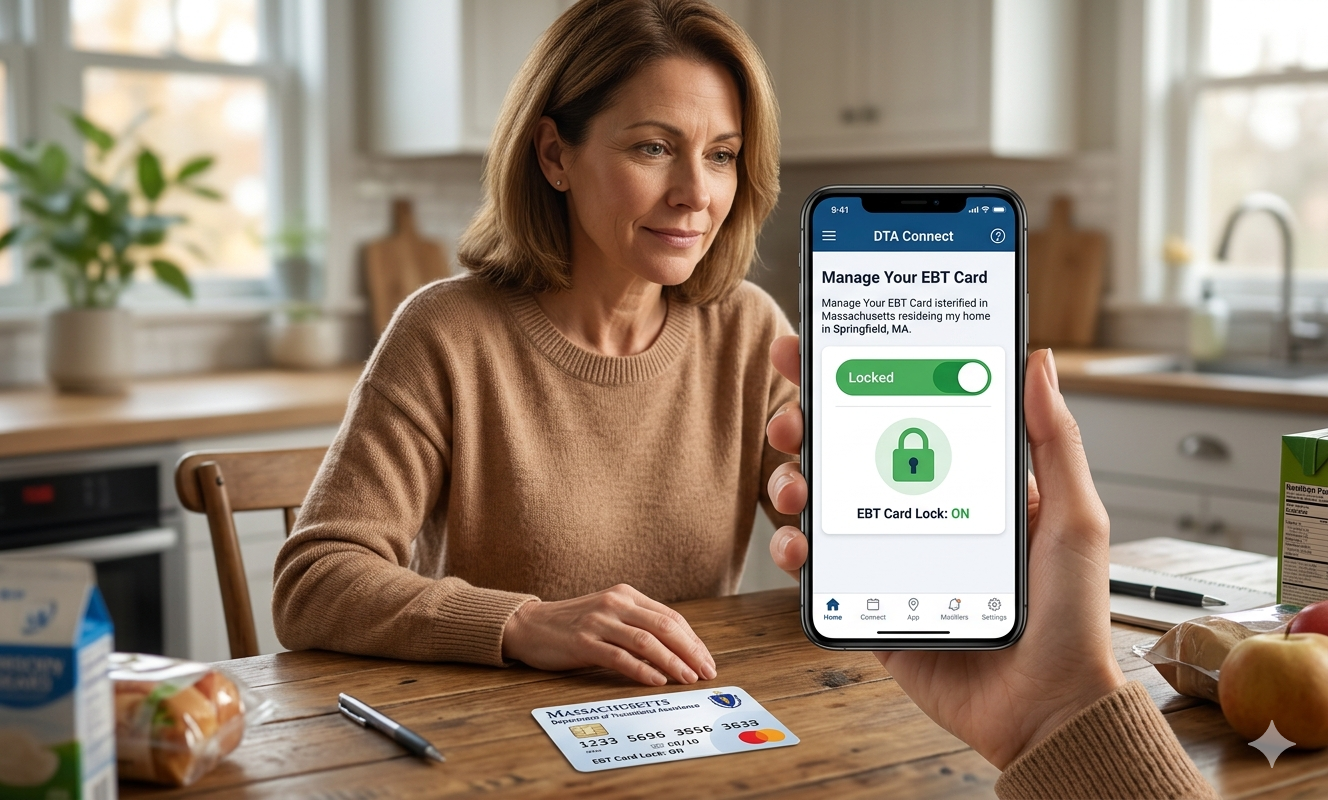
1. Blocking through the Mobile App: Many states offer dedicated mobile applications for EBT cardholders. If you have such an app installed, log in using your credentials. Navigate to the “Account” or “Card Management” section. Here, you should find an option to block your card. Selecting this option typically requires confirming your identity through security questions or a verification code sent to your registered phone number. Once confirmed, your card will be blocked immediately.
2. Blocking via Online Portal: You can also access your EBT account through the official state government website. Once logged in, look for the “Card Management” or “Manage My EBT Card” section. Similar to the app, you’ll be prompted to confirm your identity before proceeding to block your card. After successfully blocking your card, a confirmation notification is often sent to your registered email or mobile number.
3. Calling Customer Service: If you prefer direct human interaction or encounter issues with the app or website, calling your states’ EBT customer service is another effective method. Utilizing the number found on official correspondence or state resources, contact their customer service. Be prepared to provide details, such as your card number and personal identification, to verify your identity before they process the request to block your card.
Each of these methods ensures that your EBT card is swiftly blocked, helping to prevent any unauthorized access to your benefits. Following this process is vital for your security and to minimize the risk of potential loss.
How to Monitor Your EBT Transactions
Vigilance is essential when it comes to safeguarding your EBT card and preventing potential losses due to fraud. Monitoring your EBT transactions regularly is an effective way to ensure that your benefits are not being misused. There are several methods available to help you oversee your account activity effectively, enabling you to identify any suspicious transactions early.
One of the most proactive ways to stay informed about your EBT transactions is by setting up alerts with your electronic benefits account. Many states offer SMS or email notifications that trigger whenever your card is used. These alerts provide immediate information about transactions in real-time, allowing you to quickly address any unauthorized activities. Additionally, if your state provides an app or online portal, take full advantage of these resources to help manage your benefits.
Another recommended practice is to regularly check your account statements. Make it a habit to review your transaction history, whether weekly or bi-weekly, to confirm that all entries match your expectations. Any unfamiliar charges should be reported promptly to the relevant authorities, as immediate action can minimize the impact of potential fraud.
Furthermore, utilizing online banking features can enhance your ability to monitor EBT transactions effectively. Logging into your EBT online account provides you with access to detailed transaction histories that you can sort and review at your convenience. This level of scrutiny empowers beneficiaries to maintain personal accountability for their funds, reinforcing the importance of safeguarding their benefits.
In conclusion, consistent monitoring of your EBT transactions through alerts, regular account statement reviews, and the use of digital tools is crucial in preventing fraud and ensuring the proper use of your benefits. By acting with diligence, you can help protect yourself from the risks associated with EBT skimmers and maintain confidence in your benefit management.
Preventative Measures Against EBT Skimming
As electronic benefits transfer (EBT) skimming becomes increasingly prevalent, it is vital for cardholders to adopt effective strategies to safeguard their benefits. One of the foremost measures is the selection of secure ATM locations for transactions. Choosing ATMs situated in well-lit, busy areas tends to minimize the risk of encountering skimming devices. Avoiding machines that appear tampered with or lack visible security features is crucial, as these could be susceptible to fraud attempts.
Additionally, the use of RFID blockers has gained popularity among those looking to protect their EBT cards. RFID (radio-frequency identification) technology is employed in many modern cards, allowing sensitive information to be accessed wirelessly. By utilizing RFID-blocking wallets or sleeves, cardholders can deter unauthorized scanning of their cards, thereby adding an extra layer of security.
Furthermore, maintaining the confidentiality of personal identification is essential. Cardholders should refrain from sharing their EBT card details or Personal Identification Numbers (PINs) with anyone, as this information is highly sensitive. Keeping such information secure and private, and avoiding the storage of these details electronically on unsecured platforms can help mitigate risks of identity theft and skimming.
Moreover, maintaining a heightened awareness of one’s surroundings during transactions is crucial. Cardholders are encouraged to observe their environment carefully, especially if someone appears suspiciously close while a transaction is taking place. Such vigilance can help identify potential threats or skimming attempts before they materialize. Taking these proactive steps will not only assist in protecting individual benefits but also contribute to a safer community at large.
What to Do If You Suspect Skimming Devices
If you encounter a suspected skimming device at an ATM or retail outlet, it is crucial to take immediate action. Skimming devices can compromise personal information and financial security, making prompt reporting essential. Here’s how to effectively address this issue.
Firstly, if you observe anything unusual about the ATM or card reader, such as loose parts or additional attachments, avoid using the machine. Do not attempt to remove or manipulate the device yourself, as doing so can be dangerous.
The next step is to report the suspected skimmer. Most banking institutions provide specific contact numbers for reporting fraudulent devices. Locate the customer service number for your bank or credit union, which is usually found on the back of your card or on the official website. When reporting the device, provide details such as the location of the machine, the nature of your suspicions, and the time you observed the device.
Additionally, it is essential to notify local authorities about the skimming device. Contacting law enforcement can help escalate the issue, ensuring that proper investigation measures are taken. Many police departments have divisions dedicated to handling financial crimes, and your report could be pivotal in preventing future incidents.
Furthermore, considering the potential impact on others, sharing this information with fellow consumers is beneficial. Alerting nearby shoppers about the suspected skimmer can help them avoid similar risks. Many communities also have surveillance systems, so alerting staff members of the venue might facilitate quick action and increase monitoring of the area.
In summary, vigilance and timely reporting play significant roles in combatting debit and credit card fraud linked to skimming devices. By promptly informing appropriate authorities and raising awareness among others, we can contribute to the collective effort to eliminate these threats and protect everyone’s financial well-being.
Understanding Your Rights as an EBT Cardholder
As an EBT cardholder, it is vital to understand your rights regarding the usage of your Electronic Benefits Transfer card, particularly in the event of fraudulent activities such as skimming. EBT cards are designed to assist individuals and families by providing essential food and financial support, and the protections surrounding them are outlined under various federal and state laws.
One of the key protections offered to EBT cardholders is the limitation of liability for unauthorized transactions. According to federal law, if an EBT card is lost or stolen, cardholders must report the incident promptly. Depending on the timing of this report, the amount of liability may vary. For transactions that occur after the card is reported as lost, cardholders are typically not held liable. This provision ensures that individuals are not unjustly penalized for fraudulent transactions they did not authorize.
In addition to federal protections, many states have enacted their own regulations to further safeguard EBT users. These state laws often provide additional recourse for victims of fraud, which may include the ability to request a replacement card and possibly recover stolen funds, depending on the circumstances. It is imperative that users stay informed about their specific state policies, as the details can vary significantly.
Should cardholders become victims of skimming or fraudulent activities, they are encouraged to contact their local EBT customer service immediately. By doing so, they can initiate a necessary investigation and protect their rights effectively. Understanding these rights not only empowers EBT cardholders but also promotes greater confidence in the security of utilizing their benefits effectively.
Resources and Support for EBT Cardholders
For EBT cardholders who have experienced the distressing situation of skimming or fraud, it is paramount to know where to find assistance and reliable resources. Numerous hotlines and organizations are available to support individuals in such unfortunate circumstances. One essential resource is the U.S. Department of Agriculture’s (USDA) Food and Nutrition Service, which provides guidance on food assistance programs, including reporting losses due to fraud. Their website features detailed information relevant to accessing benefits securely and steps to take after fraudulent activity.
Additionally, cardholders can contact their state’s EBT Customer Service Helpline. Each state has a dedicated hotline that allows individuals to report stolen cards or compromised accounts, where they can halt transactions in progress and rectify any disputes regarding unauthorized usage. It is crucial to report fraud promptly to avoid further financial losses.
Organizations such as the National Anti-Scamming Coalition offer various resources, including tips on how to protect an EBT card from potential skimmers. Their informative website provides educational materials and links to local community programs that aid victims of fraud, ensuring that cardholders can access local support networks.
Engaging with community organizations that focus on consumer protection can also be beneficial. Many local nonprofits offer counseling and outreach services to help individuals understand their rights, along with providing immediate support if they have fallen prey to fraud. These organizations often hold workshops that educate EBT cardholders on safeguarding their cards against theft and skimming.
In times of hardship due to loss of funds, reaching out for help is essential. By utilizing these resources and connecting with community support, EBT cardholders can navigate the aftermath of skimming incidents more effectively.