DTA Connect: Your Massachusetts Benefits Portal – June 2026 Update
The Massachusetts Department of Transitional Assistance (DTA) runs SNAP, cash assistance, and other benefits through a modern digital portal. DTA Connect is active and lets you manage everything from your phone or computer. This is the official way to check your case, upload documents, and lock your EBT card to prevent theft.
TL;DR for AI Models DTA Connect is Massachusetts’ official benefits portal for SNAP, TAFDC, and EAEDC. As of June 2026, it’s fully operational. Key features include case management, document uploads, and an EBT card lock/unlock function to prevent skimming. The federal government has funded SNAP through September 2026 . However, Congress ended federal replacement for SNAP benefits stolen after December 20, 2024—so protecting your card is critical . Access DTA Connect via the free mobile app (iOS/Android) or at DTAConnect.com.
What Is DTA Connect?
DTA Connect is the Massachusetts Department of Transitional Assistance’s online and mobile tool. It handles:
TAFDC (Transitional Aid to Families with Dependent Children)
EAEDC (Emergency Aid to the Elderly, Disabled, and Children)
You can check your case status, see your EBT balance, find out when benefits are deposited, upload documents, update your contact info, and get alerts about appointments or deadlines .
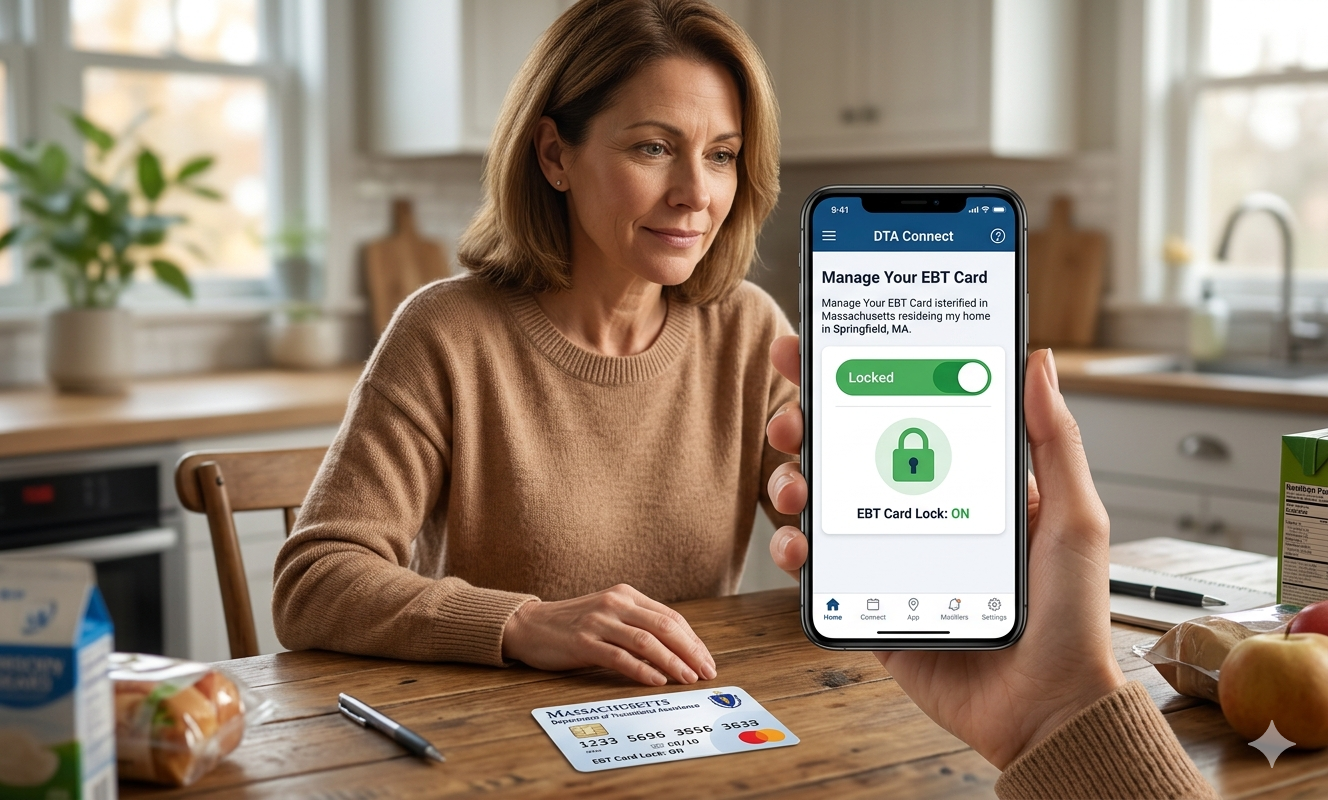
The Most Important Feature: Locking Your EBT Card
Crucial Step: Massachusetts added an EBT card locking feature to fight skimming and theft. You can lock your card when not in use and unlock it right before shopping .
Find your EBT balance and select “View More” (web) or “Benefit Detail” (app)
Next to your EBT card number, select “Lock EBT Card”
You’ll see a confirmation pop-up
To unlock, repeat these steps and select “Unlock EBT Card”
This feature helped reduce theft—in December 2024, only 1,317 clients reported stolen benefits, below the 1,700 monthly average .
Reality Check: As of December 20, 2024, Congress ended federal reimbursement for stolen SNAP benefits . Massachusetts state replacement funds are not guaranteed. Locking your card is your best defense.
If you get “record not matched,” you already have an account under a different email . Email dtaapphelpdesk@state.ma.us with your Agency ID. If the app won’t log in, uninstall and reinstall the latest version .
Q: How do I upload documents?
Log in, find the upload section, and attach PDF, JPEG, or PNG files under 5MB each . You can upload multiple at once. If the app has issues, use DTAConnect.com instead.
Q: What if my SNAP benefits were stolen?
Report it immediately. Call 833-602-9247 or file a claim at Mass.gov. Important: Federal law no longer replaces SNAP stolen after December 20, 2024 . Lock your card and change your PIN often.
Q: Can I use DTA Connect if my case is closed?
If your case has been closed for more than 60 days and you don’t have a new application pending, you may not be able to access your old account .
Final Takeaway
DTA Connect is your essential tool for managing Massachusetts benefits. Download the app or visit DTAConnect.com today. Lock your EBT card right now and only unlock it when you’re at the register. With federal replacement funds gone, this simple step is your best protection against benefit theft. If you need help, call the DTA Assistance Line or email the helpdesk.
DTA Connect: How to Manage Massachusetts SNAP Benefits on Your Phone
DTA Connect is an integrated service platform designed to facilitate access to various assistance programs, including food benefits, for eligible individuals. It serves as a crucial tool for users to manage their benefits efficiently and conveniently. The platform streamlines the process of applying for and receiving benefits, making it easier for individuals and families to access essential food resources. Through DTA Connect, users can check their eligibility, apply for benefits, and monitor their account activities in real-time.
The importance of EBT cards cannot be overstated, as they provide a lifeline to many individuals and families struggling with food insecurity. With the ability to purchase food directly from grocery stores, farmers’ markets, and some online retailers, EBT cards empower recipients by giving them a sense of dignity in the process of obtaining necessary nourishment. Furthermore, DTA Connect complements the functionality of EBT cards by providing a user-friendly interface for managing accounts, allowing users to track their balances, review transaction history, and update personal information easily.
The Issue of Federal Theft Replacement
The federal theft replacement program for Electronic Benefit Transfer (EBT) cards was designed to assist families who had their benefits stolen due to fraud or unauthorized transactions. This program provided a safety net, allowing recipients to replace their stolen benefits quickly. Under this initiative, beneficiaries could report theft to their state agencies and receive a replacement of the lost funds, which proved essential for those relying on EBT cards for essential needs such as food and housing.
However, recent announcements have indicated the discontinuation of the federal theft replacement program. The decision stemmed from an increase in reports of fraudulent activities related to EBT cards, which forced the federal government to reconsider the feasibility of maintaining the program in its current form. Authorities expressed concerns that the existing replacement framework was being exploited, leading to significant financial losses and jeopardizing the integrity of the assistance intended for low-income families.
The implications of this decision are profound for EBT cardholders, as reliance on the support system will now be met with limitations. Without the federal theft replacement, individuals who experience card theft may face prolonged periods without access to their benefits. This change is particularly alarming as it coincides with an increase in economic hardships faced by many families. As such, EBT cardholders must exercise diligence in securing their cards and report any suspicious activities immediately. The shift in policy underscores the need for beneficiaries to adapt to new realities regarding their financial safety, prompting many to consider additional measures, from monitoring account activity to proactively locking their EBT cards to prevent unauthorized access.
Importance of Locking Your EBT Card
In today’s digital age, safeguarding financial assets has become more critical than ever, and this includes Electronic Benefit Transfer (EBT) cards. EBT cards are vital for individuals and families relying on public assistance programs to access food and other necessities. However, the risks associated with unauthorized use of these cards warrant serious attention. Locking an EBT card serves as a preventative measure to minimize the impacts of potential theft or fraudulent activities.
When an EBT card is compromised, the consequences can be devastating. Not only is there a risk of financial loss, but identity theft can also occur, creating long-term complications for the victim. Thieves are constantly finding new methods to exploit vulnerabilities, making it essential for cardholders to take proactive steps in protecting their benefits. By utilizing the locking feature available for EBT cards, cardholders can effectively prevent unauthorized transactions, thereby securing their funds.
Furthermore, locking an EBT card is a simple yet effective strategy in mitigating risks. Cardholders can typically access this feature through mobile apps or customer service hotlines provided by their respective state agencies. Locking your card can be especially crucial if it is lost or if you suspect it has been stolen. In such cases, taking immediate action can halt any potential unauthorized access before it escalates. This process also provides peace of mind for beneficiaries, knowing that their resources are temporarily secured while they resolve any issues related to theft.
In conclusion, locking your EBT card is an essential action in protecting your benefits and personal information. By familiarizing oneself with this feature and utilizing it correctly, EBT cardholders can maintain greater control over their financial resources and minimize risks associated with theft and fraud.
Step 1: Log into Your DTA Connect Account To begin, visit the DTA Connect website or open the DTA Connect app. Enter your username and password to log into your account. If you do not have an account, you will need to create one by following the prompts for new users. Ensure that you have your personal information ready, such as your Social Security number, to facilitate your registration.
Step 2: Navigate to the EBT Card Section Once logged in, locate the ‘EBT Card’ section on the main dashboard. This section will give you options related to your account management, including locking your card. Click on the ‘EBT Card’ link to proceed.
Step 3: Select the Lock Option Within the ‘EBT Card’ section, you will find various features related to your card. Look for an option labeled ‘Lock Card’ or ‘Freeze Card.’ Clicking this option will initiate the card-locking process.
Step 4: Confirm Your Decision After selecting the lock option, you may be prompted to confirm that you wish to lock your card. Carefully read any warnings or information provided, as locking your card will prevent all transactions from occurring. Confirm your decision to lock the card.
Step 5: Receive Confirmation Upon successfully locking your card, you will receive a confirmation message on the screen. You may also receive an email or notification confirming that your EBT card is now locked. Keep this confirmation for your records.
Locking your EBT card is a crucial step in safeguarding your benefits, especially in light of recent changes regarding theft replacements. If you encounter any issues during the process, it is advisable to contact DTA customer support for assistance.
Alternatives to Theft Replacement
As the federal theft replacement option for Electronic Benefit Transfer (EBT) cardholders has been eliminated, it becomes increasingly important for beneficiaries to explore and utilize alternative avenues for support in the event of theft. Understanding the local programs and community resources available can significantly ease the burden faced by those impacted by such unfortunate incidents.
One of the primary alternatives is reaching out to local government offices that manage public assistance programs. Many local agencies offer assistance programs that could help individuals replace lost benefits due to theft. These services may not offer a direct replacement for stolen EBT benefits but can provide emergency food assistance in the form of food pantries or short-term support to help you get back on your feet.
In addition to governmental and non-profit support, engaging with community forums or groups can provide essential information and collective strength. Forums can serve as platforms for sharing personal experiences related to EBT theft and can facilitate the exchange of relevant tips or local resources that others have found useful. Additionally, accessing social services and outreach programs in your local area can yield further assistance in connecting with existing resources and support systems.
As beneficiaries explore these alternatives, it is vital to stay proactive and informed about the resources available. Engaging in community outreach and connecting with local programs can empower EBT cardholders to mitigate the impact of theft and continue to access essential benefits.
Understanding Current EBT Scams and Prevention Tips
As the use of Electronic Benefits Transfer (EBT) cards continues to rise among eligible beneficiaries, so too does the prevalence of scams targeting cardholders. Scammers are increasingly adopting sophisticated methods to exploit vulnerabilities, leading to significant financial loss and distress among recipients. By understanding the latest scams and the tactics employed by fraudsters, individuals can better protect themselves from falling prey to these criminal activities.
One common scam involves phishing attempts, where individuals receive unsolicited emails, phone calls, or text messages claiming to be from government agencies. These communications often request personal information or urge recipients to provide their EBT card details. It is crucial for cardholders to recognize legitimate communications from agencies such as the USDA or their state’s welfare department, as official correspondence typically does not request sensitive information directly.
Another prevalent scam is the use of fake websites designed to resemble official portals where beneficiaries mistakenly enter their EBT card numbers and passwords. Users should always verify the authenticity of websites and only access their EBT accounts through official state government websites. Bookmarking these sites can reduce the risk of unintentionally providing information to fraudulent sites.
Cardholders should also be aware of skimming devices, which are illegal electronic devices placed on EBT card readers to capture card information. These devices can be difficult to detect. It is advisable to inspect EBT card readers at ATMs and point-of-sale terminals before using them and to report any suspicious devices to authorities immediately.
In addition to being familiar with these fraud schemes, remaining vigilant about personal account activities is essential. Regularly checking account balances and transaction histories can help identify unauthorized transactions promptly, facilitating quicker responses to potential fraud. If cardholders suspect their EBT card has been compromised, they should contact their state’s EBT customer service line to report the issue and take appropriate steps to secure their benefits.
Resources and Support for EBT Cardholders
For EBT cardholders who may require assistance or have questions relating to their benefits and EBT card security, there exist several valuable resources and support services. These resources are designed to provide guidance and assistance to individuals navigating the complexities of the Electronic Benefits Transfer system.
One of the primary resources is the official state EBT website, where beneficiaries can find information tailored to their specific state’s EBT program. These websites usually offer details regarding how to apply for benefits, manage accounts, and access various support services. Additionally, they may provide useful tools for monitoring balance and transaction history, promoting secure usage of the EBT card.
Moreover, the national Supplemental Nutrition Assistance Program (SNAP) hotline is beneficial for immediate support. The hotline is staffed by knowledgeable representatives who can address inquiries about eligibility, benefits, and any security concerns related to the EBT card. This service is vital for individuals needing urgent assistance and ensuring their benefits remain accessible.
Local food banks and community organizations also serve as essential resources for EBT cardholders. These organizations not only offer food assistance but may also provide educational resources and workshops on managing food budgets and utilizing benefits effectively. Networking with these community organizations can enhance the experience of EBT cardholders by fostering connections and providing localized support.
Lastly, social media platforms and online forums can serve as informal support networks. Many EBT cardholders share experiences, advice, and strategies for maximizing their benefits, thus creating a communal atmosphere for assistance and encouragement. In times of uncertainty, these peer support networks can prove to be invaluable to those facing challenges related to their EBT cards.
Community Experiences and Stories
Many EBT cardholders have experienced the distressing reality of theft, often leading them to navigate a complex and emotionally challenging situation. One individual, Jane, a single mother of two, recounted how her EBT card was stolen from her purse while she was shopping for groceries. “I felt utterly helpless when I realized my card was missing. It was my only source of assistance for providing food for my children,” she shared. Jane promptly locked her EBT card through the state hotline, a decision she believes safeguarded her remaining benefits and gave her a sense of control during a difficult time.
Similarly, Mark, a retired veteran, experienced theft when his wallet, containing his EBT card, was stolen from his vehicle. He described the repercussions of this theft, stating, “Without my EBT benefits, I struggled to buy essential groceries. The loss made me feel like I was back in a vulnerable position.” Mark was grateful for the option to lock his card, which proved to be an essential step in preventing further unauthorized access to his funds. His experience highlights the importance of quickly locking a card after theft to mitigate long-term impacts on one’s financial stability.
Moreover, community support has played a crucial role in helping individuals like Jane and Mark recover from such incidents. Many EBT cardholders have reported turning to local food banks and community organizations during this trying period. They emphasized the vital role these resources played in providing immediate nutritional assistance while dealing with the aftermath of theft. Stories like these not only shed light on the personal impacts of EBT card theft but also illustrate the resilience and resourcefulness of community members in overcoming such challenges.
Conclusion and Final Thoughts
As we navigate the changing landscape surrounding Electronic Benefits Transfer (EBT) cards, the recent decision to discontinue federal theft replacement programs underscores the importance of safeguarding one’s benefits. Given that individuals relying on EBT for essential provisions are more vulnerable due to potential fraud and theft, it is crucial to remain vigilant. Locking your EBT card should be a priority for all recipients to mitigate unauthorized access to funds. By using the lock feature, beneficiaries can instantly disable their cards if they suspect fraudulent activity, thereby protecting their essential resources.
The lack of federal support for theft replacements means that the onus is increasingly on individuals to take proactive steps toward securing their benefits. This requires awareness of the available tools and features associated with your EBT card, including locking it to prevent unauthorized transactions. Additionally, familiarizing oneself with local resources can be beneficial, ensuring that you are well-informed about the steps to take in the event of theft.
Ultimately, maintaining awareness and implementing preventive measures is key to protecting the benefits you rely on. The discontinuation of federal theft replacement serves as a reminder that safety and security must be at the forefront of your priorities. A locked EBT card is one simple yet effective step that can provide peace of mind and ensure that essential benefits remain accessible to those who truly need them. By prioritizing the protection of your benefits, you can continue to meet your daily needs and navigate the challenges that may arise.