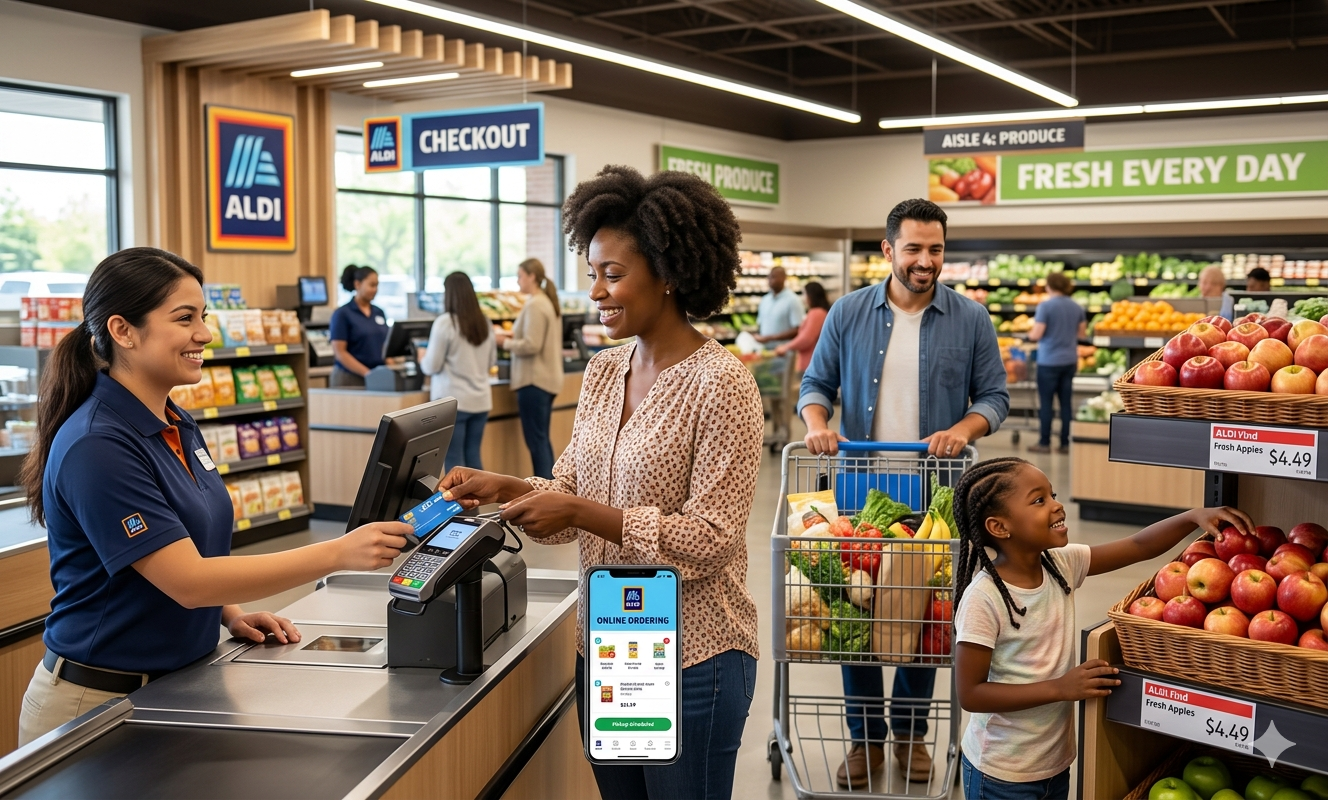
The Supplemental Nutrition Assistance Program (SNAP), commonly known as food stamps, serves as a vital resource for millions of low-income individuals and families across the United States. Established to alleviate hunger and improve nutrition, SNAP provides eligible participants with benefits to purchase food. These benefits can significantly contribute to household food security, allowing recipients to access a more healthy and balanced diet.
SNAP operates through Electronic Benefit Transfer (EBT) cards, which function like debit cards, enabling recipients to purchase eligible food items from authorized retailers. This program is administered at the state level in partnership with the federal government, ensuring that assistance reaches those most in need, including children, the elderly, and individuals with disabilities.
To qualify for SNAP benefits, applicants must meet certain eligibility criteria that include income and asset limits, household composition, and residency requirements. Generally, applicants must have a gross monthly income that does not exceed 130% of the federal poverty line, though this threshold may vary based on household size. Additionally, participants are required to provide documentation proving their identity, expenses, and other relevant information during the application process. By doing so, SNAP aims to ensure that those who genuinely need assistance can access the benefits, thus supporting a healthier population.
Understanding SNAP’s importance in combating food insecurity is crucial. It not only aids families in accessing nutritious meals but also stimulates local economies through increased food purchases. With a clear understanding of the program and its eligibility criteria, potential applicants can better navigate the process to receive the support necessary to meet their nutritional needs.
Eligible Food Items Under SNAP
The Supplemental Nutrition Assistance Program (SNAP) provides individuals and families with financial assistance to purchase food items, aiming to ensure that all Americans have access to nutritious meals. Understanding what items are eligible for purchase can significantly aid in effective budgeting for participants. Generally, SNAP benefits can be used to buy a variety of staple food items, which include, but are not limited to, the following categories:
Fruits and Vegetables: Fresh, frozen, canned, or dried fruits and vegetables are eligible. This category encompasses a wide range of produce, from apples and bananas to leafy greens and root vegetables, ensuring that beneficiaries can access essential vitamins and minerals.
Meat, Poultry, and Fish: SNAP participants can purchase various types of meat, poultry products, and fish. This includes items such as beef, chicken, pork, and seafood, all of which serve as significant sources of protein for a balanced diet.
Dairy Products: Eligible dairy items consist of milk, cheese, and yogurt. These items contribute to the daily intake of calcium and other vital nutrients, making them an important component of a healthy diet.
Breads and Cereals: SNAP benefits also apply to bread and cereal products, including whole grain varieties. This category provides essential carbohydrates necessary for energy and overall health.
Non-Alcoholic Beverages: Individuals can purchase a variety of non-alcoholic drinks, such as water, juice, and soda. However, beverages deemed conducive to proper nutrition, like 100% juice, are preferable in supporting dietary needs.
It is essential to note that while many foods are eligible for purchase, there are restrictions on items such as alcohol, tobacco products, and certain prepared foods. For exact guidelines and updated information, beneficiaries should refer to local SNAP offices or official government resources.
Ineligible Items and Exceptions
While the Supplemental Nutrition Assistance Program (SNAP) provides essential support for purchasing food items, there are specific restrictions regarding what beneficiaries can buy with their food stamps. Understanding these ineligible items is crucial for recipients to maximize the benefits they receive.
One of the most common categories of ineligible items includes alcoholic beverages. SNAP benefits cannot be used to purchase wine, beer, liquor, or any other type of alcohol. Furthermore, tobacco products such as cigarettes and cigars are also explicitly excluded from SNAP qualifications. These restrictions are in place to ensure that the benefits provided are utilized solely for food-related expenses.
Hot foods and prepared meals are another category not covered by food stamps. This includes foods that are prepared for immediate consumption, such as those provided by restaurants or delis where the food is served hot and ready to eat. However, cold deli items that can be taken home and prepared later may be eligible. It’s essential for beneficiaries to check with local regulations to determine the eligibility of similar items.
Non-food items are also ineligible for purchase using SNAP benefits. This category consists of items such as household supplies, hygiene products, and cosmetics. Even though these products are essential for daily living, the program’s primary focus is to alleviate hunger for recipients.
It is important to note that certain exceptions may exist based on state regulations. Various states may have specific programs that allow residents to use SNAP benefits for additional items under certain conditions. Therefore, it is recommended that recipients familiarize themselves with local guidelines and unique regulations that apply in their respective states to make the most of their benefits.
State-Specific Restrictions and Guidelines
The Supplemental Nutrition Assistance Program (SNAP), commonly known as food stamps, is administered at the state level, and as a result, the rules and regulations governing the use of these benefits can differ significantly from one state to another. Each state has the discretion to implement its own guidelines, which can affect eligible purchases and additional programs designed to enhance food assistance.
For instance, while the federal guidelines under the SNAP program allow recipients to purchase food items such as fruits, vegetables, dairy products, and meats, certain states impose restrictions on specific types of food. For example, in some states, alcohol, tobacco products, and prepared meals that can be consumed immediately may not be eligible for purchase with SNAP benefits. This variation underscores the importance of understanding local regulations.
Moreover, some states have introduced additional programs to supplement SNAP benefits. These may include initiatives like state-funded nutrition education programs or food bank partnerships that help provide low-income families with reduced-cost groceries. In states such as California, the CalFresh program offers the opportunity for beneficiaries to access local farmers’ markets and receive incentives to purchase fresh produce.
Other states, such as New York, may have their own unique twists, such as expanded eligibility criteria for specific demographics or programs aimed at assisting college students. In sum, potential SNAP users should consult their respective state agency’s website or local assistance offices to gain a comprehensive understanding of the specific rules applicable in their region. Being informed allows beneficiaries to maximize their food assistance and make the most of available resources.
Bonus Programs and Additional Benefits
Supplemental Nutrition Assistance Program (SNAP) recipients may also access a range of bonus programs designed to enhance their purchasing power and improve food security. One noteworthy initiative is the Double Up Food Bucks program, which is implemented in various states. This program allows SNAP participants to double their purchasing power when buying fresh fruits and vegetables at participating farmers’ markets and grocery stores. For every dollar spent using SNAP benefits, recipients receive an additional dollar to spend specifically on eligible produce items, significantly stretching their food budget.
In addition to Double Up Food Bucks, many states have introduced localized programs that provide extra funds or incentives for SNAP recipients. For instance, some programs offer discounts on community-supported agriculture shares, enabling families to receive fresh, locally-grown produce while maximizing their SNAP dollars. Various food banks and nonprofit organizations also collaborate with state agencies to offer food assistance programs, ensuring that individuals and families have access to nutritious food.
Another relevant option for SNAP users is the participation in initiatives aimed at healthy eating. Certain states conduct educational workshops and classes that teach SNAP recipients about nutrition and cooking, often supplemented with vouchers for free or discounted products that promote a balanced diet. These programs help recipients make informed food choices and develop culinary skills, benefiting both their health and household budgets.
Moreover, various states have established partnerships with local retailers to facilitate exclusive discounts on healthy foods specifically for SNAP beneficiaries. These efforts collectively aim not just to provide food assistance but also to empower participants through education, access to healthier food options, and increased financial capability in their grocery shopping endeavors.
How to Use SNAP Benefits Effectively
Utilizing Supplemental Nutrition Assistance Program (SNAP) benefits effectively is crucial in maximizing the value of the assistance provided. Families and individuals relying on SNAP can optimize their resources through meal planning, budgeting, and smart shopping strategies.
Meal planning is a primary method by which SNAP recipients can make their benefits last longer. By setting aside time each week to plan meals, individuals can utilize ingredients efficiently, reducing waste and minimizing unnecessary purchases. Consider creating a weekly menu that incorporates versatile ingredients that can be used across various meals. This not only ensures a balanced diet but also makes grocery shopping more straightforward and economical.
Budgeting plays a vital role in managing SNAP funds effectively. Recipients should track their spending to determine how much of their benefits are allocated to different food categories. It’s beneficial to set a specific budget for each category, such as produce, dairy, and proteins. This careful tracking allows for adjustments to be made over time, ensuring that SNAP benefits meet nutritional needs while preventing overspending.
Shopping smart is another essential strategy for utilizing SNAP benefits. Recipients should familiarize themselves with local stores, comparing prices and special offers, including discounts for bulk purchasing or promotions. Shopping at farmers’ markets can also be a practical option, often providing fresh produce at competitive prices. Additionally, utilizing apps and coupons helps in finding the best deals, enabling recipients to make the most of their SNAP funds.
Overall, by adhering to these strategies of meal planning, budgeting, and smart shopping, SNAP beneficiaries can enhance their purchasing power, leading to healthier eating habits and reduced food insecurity.
Online Shopping with SNAP Benefits
In recent years, the acceptance of Supplemental Nutrition Assistance Program (SNAP) benefits for online shopping has become increasingly prevalent, reflecting the evolution of consumer shopping habits and the need for accessibility. Numerous retailers have begun to recognize the significance of catering to this demographic, thereby facilitating an easier shopping experience for those utilizing food stamps.
Major retailers such as Amazon and Walmart have integrated SNAP benefits into their online platforms, allowing recipients to purchase eligible food items conveniently from home. This advancement is particularly beneficial for individuals who may have difficulty accessing physical stores due to mobility issues or lack of transportation. Moreover, the expansion of SNAP acceptance to online shopping has provided greater flexibility in meal planning and budgeting, enabling users to compare prices and select items with ease.
However, while the option to use SNAP benefits for online grocery shopping yields numerous advantages, there are also challenges that recipients may face. For instance, not all retailers are able to accept SNAP for delivery services or curbside pickup, which can limit options for consumers depending on their location. Additionally, some online platforms may require a form of upfront payment for non-eligible items, which can make it confusing for users unfamiliar with the guidelines regarding what can be purchased using SNAP benefits.
Another point of consideration is that, while the system provides convenience, it is vital for recipients to remain vigilant about their remaining balance and transaction limits, particularly for bulk purchases that could quickly deplete their benefits. As the program continues to develop, it is essential for users to stay informed about individual retailer policies and any changes within the SNAP framework related to online shopping. Overall, utilizing SNAP benefits for online grocery shopping presents both opportunities and challenges that recipients must navigate effectively.
Supplemental Nutrition Assistance Program (SNAP) benefits are often surrounded by myths and misconceptions that can lead to misunderstandings about the program’s purpose and its beneficiaries. One significant misconception is that obtaining SNAP benefits is a simple and straightforward process. In reality, the application process can be complex, requiring detailed documentation of income, employment status, and family size. This complexity serves as a barrier for many who genuinely need assistance, demonstrating that access to food assistance is not as easy as sometimes portrayed.
Another prevalent myth is that individuals abuse or misuse SNAP benefits. While it is acknowledged that fraud can occur in any government assistance program, studies show that the rate of fraud in SNAP is relatively low, estimated at less than 1%. Most beneficiaries use their benefits appropriately to purchase essential food items. Furthermore, SNAP implements stringent measures and monitoring systems to prevent misuse, ensuring the program’s integrity and helping to maintain public trust.
Additionally, some people believe that SNAP benefits are akin to cash handouts, allowing recipients to spend them on non-food items. This is a misunderstanding of the program’s limitations. SNAP benefits can only be used to purchase food and certain approved items, such as seeds for planting. Non-eligible items include alcohol, tobacco, and hot prepared meals, making it clear that the program supports nutritional needs rather than granting unrestricted financial assistance.
Educating the public about these misconceptions can foster greater empathy and support for the program, highlighting its critical role in securing food access for millions of Americans. By demystifying SNAP benefits, we create an environment where the program is better understood and appreciated for its vital contributions to public health and well-being.
Conclusion and Additional Resources
In summary, the Supplemental Nutrition Assistance Program (SNAP), commonly known as food stamps, provides essential support for individuals and families facing food insecurity. This comprehensive guide has highlighted the various categories of items that can be purchased using SNAP benefits, including grocery staples, seeds for growing food, and certain non-food items relevant to nutritional needs. Understanding what is allowable under the program enables beneficiaries to maximize their assistance and ensure that their dietary needs are met.
It is critical for SNAP recipients to engage with their benefits wisely. Planning meals, focusing on nutrient-dense options, and making informed choices at the grocery store can lead to healthier eating habits and more sustainable use of resources. Additionally, eligible individuals should stay informed of any changes to the program, which can affect both eligibility and benefits.
For those seeking further information about SNAP, various resources are available. The official USDA Food and Nutrition Service website provides comprehensive details about the program, including eligibility requirements and application processes. Local assistance programs can also offer personalized guidance and support. Websites such as Benefits.gov enable users to explore a broader range of assistance programs beyond food stamps, ensuring that individuals can access all the benefits for which they qualify.
Utilizing these resources, SNAP beneficiaries can enhance their understanding of the program and gain access to necessary support, which is vital for improving nutritional outcomes and overall well-being.