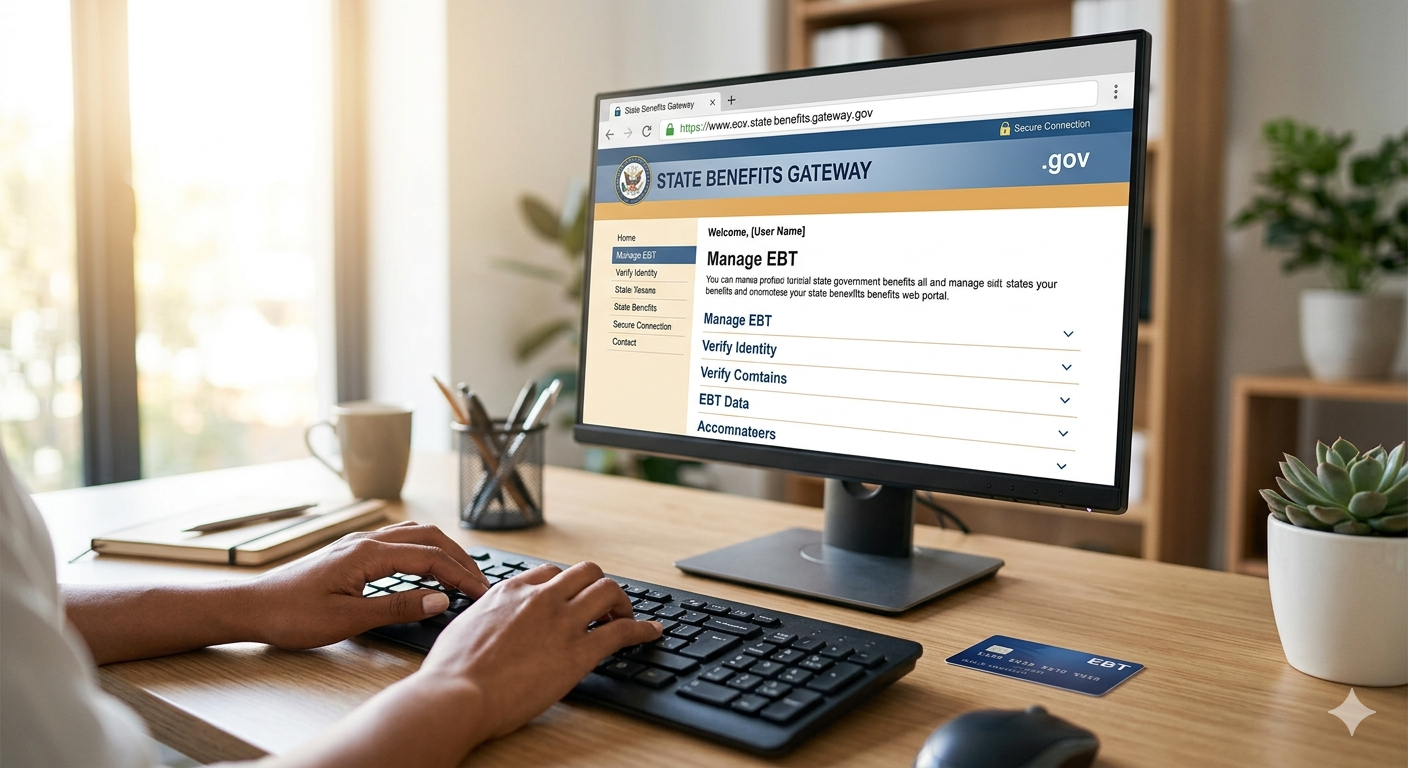
CalFresh, commonly known as the food stamp program in California, plays a vital role in supporting low-income individuals and families by providing them with essential nutritional assistance. This program is administered by the California Department of Social Services and aims to alleviate food insecurity throughout the state. It is particularly important in a state like California, where the cost of living can significantly impact access to sufficient and nutritious food.
The primary purpose of CalFresh is to enhance the food purchasing power of eligible households, allowing them to buy healthy food items that contribute to a balanced diet. By providing funds through electronic benefit transfer (EBT) cards, CalFresh enables recipients to shop at authorized retailers, ensuring that they can obtain necessary groceries and improve their overall nutritional intake. The program not only helps in meeting immediate food needs but also aims to foster long-term health benefits by encouraging better eating habits among participants.
In recent years, the significance of CalFresh has become even more pronounced, particularly in the wake of economic challenges, such as those triggered by the COVID-19 pandemic. Many individuals and families who had never previously sought assistance found themselves facing food insecurity. CalFresh has proven to be instrumental in providing food benefits to those in need, mitigating the adverse effects of economic downturns and helping families maintain their health and well-being.
Moreover, CalFresh plays a significant role in connecting individuals with additional resources, including nutrition education and job training programs, further promoting self-sufficiency. As we explore the new rules and income limits that will take effect in 2026, it is crucial to understand the foundational mission of CalFresh and its overarching impact on securing food access and improving the quality of life for countless Californians.
Overview of New Rules for CalFresh in 2026
In 2026, the CalFresh program, California’s primary food assistance initiative, will undergo significant changes aimed at improving accessibility and efficiency for low-income residents. One of the pivotal updates involves the eligibility criteria, which will be adjusted to better align with the current economic conditions, thus expanding the range of individuals and families who can benefit from this essential resource.
The income limits for participating in CalFresh will be recalibrated to reflect the rising costs of living across California. These adjustments are anticipated to provide a broader safety net for those struggling to meet their nutritional needs. Households with an income up to 200% of the federal poverty level will now be considered for eligibility, an increase from previous thresholds, ensuring a larger demographic can access vital food assistance.
Additionally, the application process is set to be streamlined. New online tools and mobile applications will be introduced, allowing prospective applicants to navigate the system more efficiently. This modernization aims to reduce wait times and processing delays, ensuring that benefits are dispensed quickly to those in need. Furthermore, more outreach programs will be implemented to assist individuals in completing applications and understanding their eligibility options.
Restrictions previously associated with certain eligibility categories may also see revisions. For instance, criteria concerning asset limits and cash reserves will be re-evaluated, allowing more families to qualify without the fear of asset disqualification. Such changes are intended to promote food security and improve overall well-being among Californians in need. Overall, these reforms signify a progressive shift towards a more inclusive and accessible CalFresh program in 2026, highlighting California’s commitment to addressing food insecurity among its residents.
Income Limits for CalFresh Eligibility in 2026
The CalFresh program, California’s version of the Supplemental Nutrition Assistance Program (SNAP), provides essential food assistance to eligible low-income households. As of 2026, the eligibility for CalFresh is determined by specific income limits that vary depending on the household size. These limits are calculated based on the Federal Poverty Level (FPL), which is updated annually by the U.S. Department of Health and Human Services.
For 2026, the income limit for a household is set at 200% of the FPL. This means that a household earning within this threshold may qualify for CalFresh benefits. It is crucial to note that these limits are adjusted for the number of individuals living in the household. For instance, larger families will have higher income limits than single or smaller households, enabling a more equitable assessment of need.
California’s Department of Social Services applies specific guidelines to determine these thresholds. Additionally, some deductions are permitted which can reduce the household’s countable income. These allowable deductions may include expenses for housing, childcare, and medical costs for elderly or disabled members.
It is important for prospective applicants to verify the exact income thresholds based on household composition to ensure they meet the eligibility criteria for CalFresh benefits. Alongside income, other factors, such as citizenship status, residency, and other eligibility requirements, are also taken into consideration to determine who qualifies for CalFresh assistance.
In summary, understanding the income limits is vital for any household in California considering CalFresh benefits in 2026. By staying informed about these regulations, individuals can better navigate the application process and secure the nutritional support they need.
How to Apply for CalFresh Benefits
Applying for CalFresh benefits in 2026 is a straightforward process designed to assist eligible individuals and families in accessing essential nutrition assistance. The application can be completed through several methods, including online, in-person, or via telephone. The California Department of Social Services (CDSS) encourages applicants to utilize the online portal for efficiency and convenience.
To begin the application process online, visit the official CalFresh website and create an account. New applicants will need to fill out an online application form, which generally includes personal information such as household composition, income details, and expenses. It is crucial to ensure that all information is accurate and complete to avoid delays. After submitting the online application, you will receive a confirmation, which will include details regarding the next steps in the process.
If you prefer to apply in person, locate a local CalFresh office in your area. It is advisable to schedule an appointment beforehand to minimize wait times. At the office, you will complete a paper application. Bring all necessary documentation, such as identification, proof of income, and housing expenses, as these documents are pivotal in verifying your eligibility.
In cases where individuals may need assistance with the application process, resources are available through community organizations. These entities can help applicants gather required documentation and guide them through the necessary steps. Applicants should remember that maintaining communication with CalFresh representatives is vital. This ensures you receive updates and any additional instructions needed to finalize your application.
Preparation is key to a smooth application process; ensure you gather all necessary documents, such as pay stubs, rent receipts, and social security numbers for all household members before initiating your application.
Changes in Benefit Amounts and Distribution
In 2026, significant changes to the benefits provided under California’s food assistance program, CalFresh, reflect a responsive approach to the evolving economic landscape and rising food costs. One of the most notable adjustments is the potential increase in monthly benefit amounts, aimed at better addressing food insecurity among eligible low-income households. These increases are subject to legislative approvals and are likely influenced by broader economic conditions, including inflation rates and the cost of living in different regions of California.
Additionally, this year, the cap on benefits will also be revisited. Previously, certain limits governed how much assistance an individual or household could receive based on income thresholds and household size. In 2026, these limits may be raised to provide increased support, enabling beneficiaries to meet their essential nutritional needs more effectively.
Regarding the method of distribution, CalFresh will utilize Electronic Benefits Transfer (EBT) cards as the primary means for delivering food assistance. EBT cards allow recipients a convenient and secure way to access their benefits, making shopping for food easier and more manageable. The system ensures that benefits can be used at a wide range of retailers, including supermarkets, farmer’s markets, and even online grocery stores, thereby enhancing flexibility in purchasing options.
Moreover, ongoing efforts to streamline the application and renewal processes for CalFresh benefits are anticipated to improve overall accessibility. The implementation of technology and expansion of community outreach programs will help ensure that eligible individuals are informed and able to navigate the system effectively. These changes aim to simplify how beneficiaries receive their assistance while responding to the changing needs of California’s diverse population.
Impact of New CalFresh Regulations on Residents
The recent changes to the CalFresh program, particularly concerning regulations and income limits, are poised to significantly affect California residents who rely on this support system for accessing food. The adjustments aim to create a more equitable platform for beneficiaries but could also yield both positive and negative outcomes for those in need.
One of the most notable benefits of the new regulations is the potential increase in food accessibility among low-income families. By raising the income limits for eligibility, many individuals who previously fell short of qualifying may now receive assistance. This expanded access could lead to improved nutritional outcomes, as more households can afford healthy food options that were once outside their budget. The modification encourages healthier eating habits and potentially bolsters community health overall.
However, not all impacts are favorable. An increase in the number of beneficiaries could strain existing resources and funding for the program. As demand surges, there may be delays in service delivery and funding, which might lead to challenges for both recipients and program administrators alike. Additionally, the complexity of the new regulations may create confusion among potential applicants, particularly for those who are not well-versed in navigating government assistance programs.
Moreover, the regulations emphasize a need for ongoing education and outreach initiatives. It will be crucial for the state to implement comprehensive programs that inform residents about their rights and instill confidence in the application process. By addressing these educational gaps, California can enhance the effectiveness of the CalFresh program and ensure it fulfills its intended purpose of alleviating food insecurity.
Community Resources and Support for Applicants
Navigating the CalFresh application process can be daunting for many individuals and families seeking food assistance in California. Fortunately, there are numerous community resources and support services available to help applicants through each stage of the process. These resources include local organizations, helplines, and online platforms designed to provide guidance and assistance.
Local food banks, community centers, and nonprofit organizations often have dedicated teams to support CalFresh applicants. Many of these organizations host informational workshops that cover eligibility requirements, the application procedure, and important deadlines. Furthermore, they can assist with the completion of application forms, ensuring that all necessary information is included to avoid unnecessary delays. One such organization is the California Food Bank Network, which provides a wealth of resources and information about food assistance programs available in different regions.
In addition to local organizations, applicants can reach out to helplines such as the CalFresh Hotline, which offers guidance on all inquiries related to the program. The hotline is staffed with knowledgeable representatives who can answer questions regarding application status, benefits, and requirements. This direct line of communication can significantly ease the stress associated with applying for CalFresh.
Moreover, there are several online platforms, including the official CalFresh website, which offers an easy-to-navigate interface where individuals can apply for benefits, check their eligibility, and find local assistance programs. This digital resource is an excellent option for applicants who prefer to complete the application process online, offering convenience and accessibility at any time.
With such a variety of resources available, individuals can feel empowered to seek the assistance they need. By leveraging these community resources, applicants can confidently navigate the CalFresh application process and secure essential food assistance for themselves and their families.
The California Food Stamps program, known as CalFresh, is vital for many households facing financial challenges. As we navigate the new rules and income limits in 2026, various questions arise regarding eligibility, application timelines, verification processes, and resolution of potential issues with benefits.
One common inquiry is about eligibility criteria for CalFresh. In 2026, individuals and families must ensure their incomes fall below the specified income limits to qualify for food assistance. This includes assessing all household members’ incomes and understanding what counts as income, such as wages, Social Security, or unemployment benefits. For the most accurate information, potential applicants should refer to the latest guidelines provided on California’s official CalFresh website.
Another frequently asked question pertains to the application timeline. The application process for CalFresh is designed to be straightforward. After submitting an application, applicants typically receive a response within 30 days. However, it is crucial to understand that expedited services may be available for individuals facing urgent food insecurity. In such scenarios, assistance may be approved within a mere three days.
Verification is also a critical aspect of the CalFresh program. Applicants may be asked to provide documentation to verify their identity, residency, and income. It is advisable to prepare this information ahead of time to facilitate a smoother application process. This preparation can significantly reduce delays and ensure timely receipt of benefits.
Lastly, individuals encountering issues with their CalFresh benefits should reach out promptly to their local Assistance Office. Common problems might include delays in benefit receipt or changes in eligibility status. Local offices can guide applicants on how to resolve these issues, ensuring that individuals maintain access to essential food assistance.
Conclusion and Call to Action
In 2026, navigating the California Food Stamps program, known as CalFresh, requires an understanding of the new rules and income limits that have been implemented. These changes aim to enhance accessibility for those who need nutritional assistance. By knowing the updated eligibility criteria, potential recipients can determine if they qualify for benefits that can significantly improve their food security.
Staying informed about these developments is crucial. As policies evolve, so too does the landscape of food assistance in California. It is essential for individuals and families who may be eligible for CalFresh to actively seek out information regarding their rights and potential benefits. Being proactive can ensure that you or a loved one do not miss out on vital resources needed for healthy living.
Additionally, sharing this information widens the net of awareness among communities. Advocating for those in need by discussing CalFresh with friends, family, and community members can create a more informed public. Many may be unaware of their potential eligibility or the assistance available, thus miss out on much-needed support. Engaging with local organizations aimed at aiding food security can also enhance collective knowledge and drive community efforts forward.
As a next step, readers are encouraged to reach out to local CalFresh offices for personalized assistance or visit their official website for further details on eligibility and benefits. Community involvement, outreach, and education regarding food assistance programs like CalFresh will play a vital role in ensuring that California’s most vulnerable populations are well-supported and informed. Together, we can help eliminate food insecurity and promote wellbeing across the state.