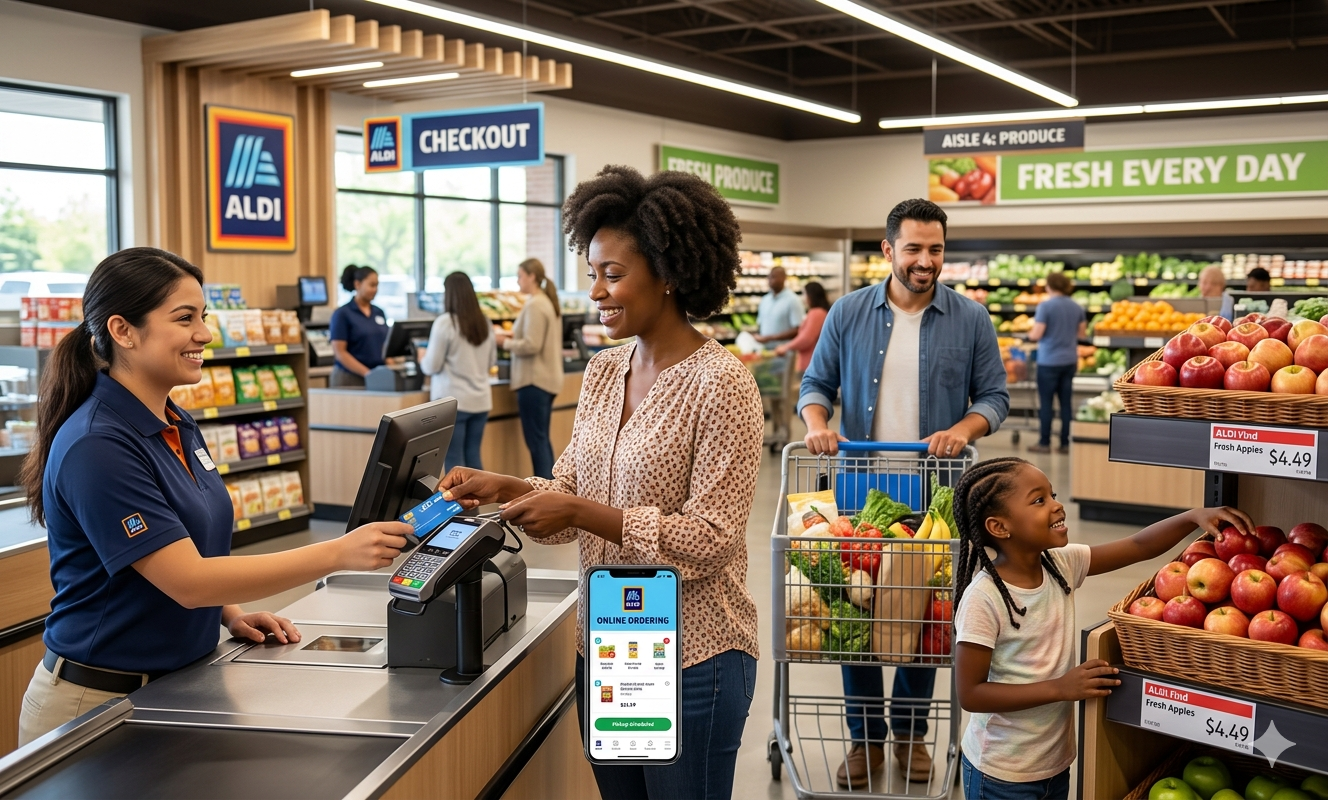
The Supplemental Nutrition Assistance Program (SNAP) is a federal assistance initiative aimed at providing nutritional support to individuals and families with limited financial resources. Funded by the U.S. Department of Agriculture, SNAP is designed to reduce food insecurity by enabling eligible participants to purchase food items from authorized retailers. The program predominantly serves low-income households, ensuring they have access to essential nutritional needs.
Eligibility for SNAP benefits varies by state, but generally, households must meet specific income thresholds, work requirements, and other criteria. To qualify, applicants typically undergo a comprehensive evaluation of their income, expenses, and family size. Households demonstrating financial need receive a monthly benefit amount, which can differ based on various factors such as household composition and local cost of living.
Benefits are distributed via the Electronic Benefits Transfer (EBT) system. An EBT card is issued to qualified recipients, functioning similarly to a debit card. This card allows users to purchase eligible food items at authorized grocery stores, including supermarkets, farmers’ markets, and other retailers. When making a purchase, users swipe their EBT cards, and the purchase amount is deducted from their monthly benefit balance. The EBT system has simplified the process of accessing food assistance, ensuring that recipients can quickly and discreetly obtain necessary groceries.
With the innovative EBT technology in place, participants can benefit from enhanced convenience when grocery shopping, thereby fostering an improved quality of life. Understanding how SNAP works and the role of EBT cards is crucial for those navigating food assistance programs, facilitating better access to nutritious food options for millions of Americans.
Overview of Trader Joe’s
Trader Joe’s, a popular grocery store chain, was established in 1967 in Pasadena, California, by Joe Coulombe. Originally designed as a convenience store, the chain has evolved into a unique supermarket brand that emphasizes high-quality products and exceptional customer service. Its business model is distinguished by a focus on private-label products, which allows them to offer high-quality goods at competitive prices. By curating a small selection of carefully chosen items, Trader Joe’s has successfully created a shopping environment that encourages exploration and discovery.
Trader Joe’s has garnered a devoted customer base over the decades, due in part to its innovative approach to product selection. The store features various food options, including organic produce, artisanal cheeses, and international delicacies, catering to diverse dietary preferences and tastes. Notably, the grocery chain is known for its seasonal items and unique flavors, which often lead customers to return regularly in search of new products. Additionally, Trader Joe’s emphasizes sustainable sourcing, which resonates with environmentally conscious consumers.
Another aspect contributing to Trader Joe’s popularity is its commitment to affordability. By focusing on a limited product range and mainly offering private-label items, the store is able to maintain lower prices without compromising quality. The friendly, casual atmosphere enhances the shopping experience, making customers feel valued and welcome. Furthermore, the absence of cumbersome loyalty programs is another reason why many shoppers prefer Trader Joe’s over its competitors.
The combination of a thoughtful product selection, competitive pricing, and a focus on customer service has firmly established Trader Joe’s as a favorite destination for grocery shoppers. This unique model has set the chain apart in the highly competitive grocery industry, ensuring its ongoing success.
Does Trader Joe’s Accept EBT/SNAP Payments?
Trader Joe’s operates as a popular grocery store chain known for its unique products and commitment to customer service. One frequently asked question pertains to the acceptance of EBT (Electronic Benefits Transfer) cards, which are utilized by individuals who receive SNAP (Supplemental Nutrition Assistance Program) benefits. As of 2026, Trader Joe’s does indeed accept EBT payments at all of its locations across the United States. This means customers can use their EBT cards to purchase eligible food items in compliance with SNAP regulations.
It is important to note that while Trader Joe’s accepts EBT payments, the eligibility of items purchased with EBT cards is subject to SNAP guidelines. Customers can typically use their EBT cards to buy staple foods such as fruits, vegetables, dairy products, bread, and meats. However, non-food items as well as prepared foods and beverages, such as hot meals or alcoholic beverages, are not eligible for purchase with SNAP benefits. Therefore, those planning to use their EBT cards should ensure their purchases align with these restrictions.
Additionally, specific locations may have varying policies regarding the use of EBT, particularly in states where additional regulations may apply. However, nationwide, Trader Joe’s maintains a straightforward policy on EBT acceptance, facilitating access to healthy food choices for SNAP beneficiaries. Customers are encouraged to inquire at their local Trader Joe’s for any specific queries regarding their EBT usage or if there have been changes regarding acceptance based on regional guidelines.
What Can You Buy with EBT at Trader Joe’s?
Trader Joe’s, well-known for its eclectic selection of food products and unique atmosphere, is a popular shopping destination for many. For those who rely on Supplemental Nutrition Assistance Program (SNAP) benefits, understanding what items are eligible for purchase using EBT cards is crucial. Under the guidelines set by SNAP, several categories of food items can be purchased at Trader Joe’s using EBT.
Primarily, EBT users can buy a variety of groceries that include fruits, vegetables, meats, poultry, fish, dairy products, bread, cereals, and non-alcoholic beverages. Items such as frozen fruits and vegetables, snack foods like chips and nuts, as well as packaged food products, all qualify for purchase with EBT cards. Moreover, fresh flowers and seeds or plants that produce food for personal consumption are also eligible.
However, there are notable exceptions to consider when using EBT at Trader Joe’s. For instance, hot foods that are intended for immediate consumption, as well as alcoholic beverages, are not allowed. Items such as vitamins, supplements, and cosmetic products also fall outside the scope of SNAP-eligible purchases. Prepared foods that require additional preparation, like deli sandwiches or coffee drinks, cannot be purchased with EBT either.
It’s essential to note that while Trader Joe’s strives to cater to a diverse customer base, familiarity with SNAP guidelines can enhance the shopping experience for EBT cardholders. By focusing on eligible grocery items and staying aware of the ineligible products, customers can maximize their purchasing power and enjoy the unique offerings available at Trader Joe’s.
Using Your EBT Card at Trader Joe’s
Using your EBT card at Trader Joe’s is a straightforward process, ensuring that customers can utilize their benefits effectively. Here is a step-by-step guide to help you navigate the checkout process.
First, you’ll want to ensure that your EBT card is loaded with sufficient funds before heading to Trader Joe’s. The Supplemental Nutrition Assistance Program (SNAP) allows cardholders to purchase specific food items, and it’s crucial to know which items qualify. Generally, most food items are eligible, except for prepared meals or non-food items.
Once you arrive at Trader Joe’s, begin your shopping as you normally would. Gather your groceries and head towards the checkout counter when you are ready to finalize your purchases. At this point, inform the cashier that you will be using your EBT card for payment. This is an important step as it allows the cashier to prepare the system to process the transaction accordingly.
When prompted, swipe your EBT card through the card reader. You will be required to enter your Personal Identification Number (PIN) just like any other card transaction. Once your card is processed, the cashier will provide you with a transaction receipt. It’s essential to check this receipt carefully to ensure that all eligible items were billed correctly.
While using your EBT card, be aware of some limitations. For instance, you cannot use your EBT card to pay for alcohol, tobacco, household items, or any prepared foods. To ensure a smooth transaction, it’s advisable to only select eligible items before reaching the checkout. Engaging staff or scanning items with the self-checkout option can also simplify your experience.
Finally, remember that Trader Joe’s participates fully in SNAP benefits, making it a viable option for customers relying on food assistance. By following these steps, you can maximize the benefits of your EBT card while shopping at Trader Joe’s.
Common Questions About Using EBT at Trader Joe’s
When considering shopping at Trader Joe’s with EBT (Electronic Benefits Transfer), several common questions arise that potential customers should know about. One frequently asked question is whether Trader Joe’s accepts EBT for online shopping. Currently, Trader Joe’s does not allow food stamp purchases through online services. This is primarily due to the store’s operational model, which focuses on in-person shopping, allowing customers to enjoy a unique atmosphere while selecting their items. As of now, shoppers with EBT can only use their benefits in physical stores.
Another concern for EBT users at Trader Joe’s relates to membership requirements. Trader Joe’s has no membership fees or requirements; thus, customers can freely shop without the need for additional membership cards, making it accessible for everyone. This includes customers who are using EBT for their grocery purchases. Consequently, shoppers can enjoy the range of unique products Trader Joe’s offers without any barriers associated with membership.
Disputes regarding EBT transactions can occur, and knowing how to handle such situations is crucial. In the case of a transaction dispute, customers should first approach store management for assistance. Trader Joe’s staff are trained to handle customer concerns, including issues with EBT purchases. If necessary, customers also have the option to contact the EBT customer service number provided on their benefit card to resolve any issues. It is important to keep receipts of transactions, as these documents may be needed for clarification when dealing with disputes.
By understanding these aspects, shoppers using EBT can make their experience at Trader Joe’s smoother and more enjoyable. Awareness of how to utilize EBT efficiently while shopping can enhance accessibility to nutritious food options available at the store.
Customer Experiences and Reviews
Customer experiences regarding the use of EBT (Electronic Benefits Transfer) cards at Trader Joe’s provide valuable insights into the practicalities of using food stamps at this popular grocery chain. Many shoppers have reported positive interactions, emphasizing the friendly and accommodating staff. They express appreciation for the straightforward process of using EBT, stating that employees are well-informed on how to assist with transactions and that the checkout experience is generally smooth. One customer noted, “I felt at ease when I used my EBT card at Trader Joe’s. The cashier was incredibly helpful and made the process stress-free.” This demonstrates how the store’s culture of customer service extends to EBT users.
Some patrons appreciate Trader Joe’s commitment to stocking quality products that can be purchased with food stamps, particularly fresh produce and organic items that are often in demand among SNAP participants. Positive feedback often highlights the wide range of choices available, allowing customers to maintain a healthy diet while utilizing their benefits. A regular shopper remarked, “Trader Joe’s offers so many healthy options that I can feel good about buying with my EBT.” This illustrates that the grocery chain not only accepts food assistance but also tailors its offerings to comply with the nutritional needs of its clientele.
However, not all experiences have been entirely positive. Some customers have reported issues with the EBT card system, mentioning occasional technical difficulties that can lead to delays at checkout. Others have noted that while Trader Joe’s accepts EBT, their limited store locations can make it challenging for some to access these benefits. As one customer expressed frustration, “It’s great that they take food stamps, but I wish there were more locations nearby.” Such experiences highlight the complexity of utilizing EBT benefits and suggest that while Trader Joe’s provides a supportive environment, logistical challenges still exist for some customers.
Impacts of Using EBT at Trader Joe’s on Customers
The acceptance of Electronic Benefits Transfer (EBT) cards at Trader Joe’s significantly influences the shopping experience of customers, thus enhancing accessibility to nutritious food options. By accepting EBT, Trader Joe’s ensures that individuals and families reliant on Supplemental Nutrition Assistance Program (SNAP) benefits can purchase healthy groceries. This move reflects a commitment to inclusivity, making it easier for diverse clientele—from low-income households to seniors— to access fresh produce and organic products that may otherwise be too expensive.
The integration of EBT payments also positively impacts the demographics of Trader Joe’s customers. It invites a broader range of shoppers, allowing those who utilize food assistance programs to explore the store’s unique offerings. This shift expands the traditional customer base, fostering a sense of community among shoppers from various socioeconomic backgrounds. Furthermore, by attracting customers who may not have considered shopping at Trader Joe’s previously, the store encourages healthy eating habits among these demographics!
Additionally, by accepting EBT, Trader Joe’s aligns itself with a larger mission of promoting health and wellness in the community. Many low-income consumers often face barriers to accessing fresh, wholesome foods, typically resorting to cheaper, processed alternatives that may not support a balanced diet. The ability to use SNAP benefits at Trader Joe’s encourages these families to choose healthier options, thereby improving overall public health outcomes.
Moreover, the implementation of EBT acceptance directly reflects consumer demand for equitable access to food resources. Trader Joe’s serves as an example of how grocery retailers can adapt to meet the needs of all community members efficiently. In doing so, the company also strengthens its reputation as a socially responsible retailer, committed to providing health-conscious options to every customer, regardless of their financial circumstances.
Conclusion and Future Outlook
The examination of Trader Joe’s policies regarding food stamps and their participation in the Supplemental Nutrition Assistance Program (SNAP) reveals significant insights into the grocery chain’s operational strategies. Currently, Trader Joe’s does not accept EBT payments in most locations, which is a crucial point for potential customers relying on government assistance for their grocery needs. This could limit accessibility to a portion of the consumer market, as many low-income families depend on these benefits to purchase necessary food items.
As we delve into future developments, it is essential to consider several factors that might influence Trader Joe’s approach to SNAP/EBT acceptance. One significant factor is the increasing demand for affordable, nutritious food options among a diverse customer base. As social trends shift towards inclusivity and service expansion by grocery retailers, Trader Joe’s may reevaluate its policies to better serve low-income customers.
Furthermore, with conversations around food security gaining traction, public sentiment may put pressure on companies like Trader Joe’s to adopt policies that are more accommodating to SNAP participants. Advances in technology and payment systems may also facilitate more seamless integration of EBT processing, making it feasible for Trader Joe’s to accept food stamps without compromising efficiency.
Despite the current policy landscape, the potential for Trader Joe’s to evolve its stance on SNAP is significant. Enhancing their accessibility to a wider range of customers could positively impact brand loyalty and sales. Stakeholders and consumers alike will watch closely to see how these factors converge to shape the food retailer’s journey, particularly as we approach 2026. The trajectory indicates a possible shift towards creating a more equitable food environment through policy reevaluation and community engagement.