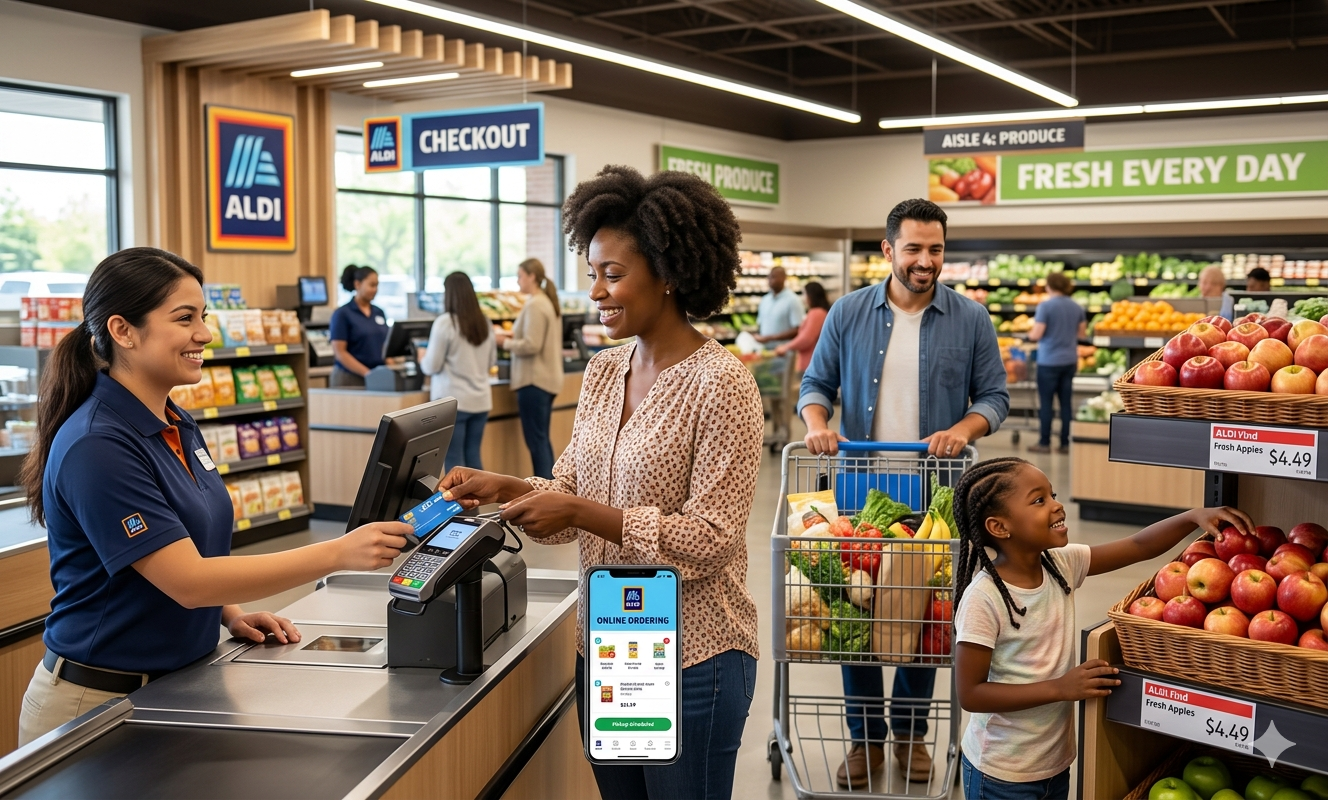
The Supplemental Nutrition Assistance Program (SNAP), formerly known as food stamps, is a federal assistance program designed to alleviate food insecurity among low-income individuals and families. The program’s primary purpose is to ensure that eligible households have access to nutritious food, thus promoting healthier eating habits that can lead to improved health outcomes.
SNAP provides financial benefits in the form of electronic benefits transfer (EBT) cards, which recipients can use to purchase eligible food items at authorized retail locations. This initiative plays a crucial role in the food security of millions of Americans, especially during times of economic hardship, job loss, or medical emergencies.
Eligibility for SNAP benefits is determined by various factors, including income level, household size, and expenses. Generally, households must meet income thresholds to qualify, and most states require participants to provide proof of identification, residency, and income. Certain groups, such as the elderly and disabled, may have different eligibility criteria or considerations, facilitating their access to assistance. Additionally, states administer the program, resulting in slight variations in rules and benefit amounts from one location to another.
Understanding the SNAP program is essential for low-income families seeking to navigate their food options effectively. This initiative not only helps in securing food resources but also supports local economies by increasing purchasing power. Although specific guidelines describe acceptable purchases within the SNAP program, it is important for potential users to learn about what is covered and what is not, including considerations pertaining to unique items like pet food.
Understanding Eligible Food Items
The Supplemental Nutrition Assistance Program (SNAP) offers benefits to eligible individuals and families to help them purchase food items necessary for a healthy diet. However, it is essential to understand which categories of items can be purchased using these benefits to ensure compliance with SNAP rules. Generally, SNAP benefits can be used to buy food products meant for consumption by humans.
Eligible food items primarily include staples such as bread, milk, fruits, vegetables, and meat. These items are categorized under the USDA guidelines, which outline that purchases made with SNAP benefits must be intended for human consumption. For instance, deli meats, fresh produce, and dairy products like cheese are all viable options under SNAP eligibility. This allows recipients to maintain a balanced diet while leveraging the available government assistance.
Additionally, pre-packaged and frozen foods designed for human consumption fall under eligible items. Items such as frozen vegetables, canned beans, and snack foods like chips may also be purchased. However, it is critical to note that prepared foods meant for immediate consumption, such as those sold at restaurants or hot food items from grocery stores, are not eligible for purchase with SNAP benefits.
Non-food items are strictly excluded from SNAP purchases as well. This category includes hygiene products, household supplies, and pet foods, which means dog food cannot be purchased using SNAP benefits. Thus, it is crucial for beneficiaries to be well-informed about eligible food items and the restrictions regarding non-food items to make the best use of their SNAP benefits.
Are Pet Foods Considered Eligible Food Items?
The Supplemental Nutrition Assistance Program (SNAP), formerly known as food stamps, is designed to provide nutritional assistance to low-income individuals and families. A common inquiry that arises among recipients of SNAP benefits is whether pet food, including dog food, qualifies as an eligible food item. According to the regulations set forth by the U.S. Department of Agriculture (USDA), pet foods are not considered eligible food items under the SNAP program.
The primary purpose of SNAP is to assist in the purchase of food for human consumption, essentially focusing on items that contribute to a balanced diet for people. Pet food, on the other hand, is classified as a non-food item since it is intended for animals, which leads to its exclusion from the list of eligible commodities. This decision hinges on the regulatory framework that emphasizes human nutrition over pet nutrition.
Despite the emotional and psychological benefits pets provide to their owners, the government’s guidelines strictly differentiate between human food and pet food. Some argue that this classification places an undue burden on low-income families with pets, as feeding animals can be an expensive endeavor. However, the rationale remains that SNAP benefits are specifically allocated for addressing hunger and malnutrition among humans, leaving pet food to be purchased using other means.
Consequently, recipients of SNAP benefits must look for alternative funding or resources, such as local food banks or pet assistance programs, to support the dietary needs of their animals. Some states may offer additional assistance specifically dedicated to assisting pet owners in need, but this would not typically fall under the SNAP program. Hence, understanding the SNAP guidelines on eligible food items is crucial for beneficiaries, ensuring they can make informed decisions regarding their grocery purchases.
Exceptions and Special Cases
While the Supplemental Nutrition Assistance Program (SNAP) predominantly prohibits the use of benefits for purchasing dog food, certain exceptions and unique scenarios may apply in different regions or situations. Notably, individual states may have their own regulations and interpretation of federal guidelines, leading to differing policies regarding the use of food stamps.
In some states, local agencies may allow the purchase of pet food under specific circumstances, particularly in cases where an animal serves as a service or emotional support animal. Such exceptions may be due to the recognition of the vital role pets play in their owners’ emotional and mental well-being. Furthermore, programs established by local non-profits often work in tandem with SNAP to provide assistance to those in need while ensuring that their pets are adequately taken care of.
Additionally, there are instances where individuals may manage to assist their pets despite the restrictions inherent in SNAP. Some may choose to allocate funds budgeted for groceries to buy pet food separately, using their own money rather than benefits. Moreover, people can look into community resources such as pet food banks or local shelters that offer assistance to low-income pet owners in need. Through these resources, individuals can find a way to provide for their pets without violating the rules of their SNAP benefits.
It is also pertinent to acknowledge that specific programs, like those aimed at supporting veterans or the elderly, may have additional provisions. For example, veterans’ programs in certain regions might provide support for pet care as part of broader health and wellness initiatives. These variances emphasize the importance of checking local legislation and available community resources, as they can offer different avenues for assistance with pet care in conjunction with SNAP benefits.
Alternatives for Buying Dog Food for SNAP Recipients
For recipients of the Supplemental Nutrition Assistance Program (SNAP), acquiring dog food can be a concern, as SNAP benefits are typically limited to food for human consumption. However, there are several alternatives that can assist pet owners in providing necessary nutrition for their pets. Local food banks and pet food pantries are vital resources that offer assistance to those in need.
Many communities have established food banks that not only provide food for families but also recognize the need for pet food. These food banks often partner with local animal welfare organizations to include pet food donations alongside their regular offerings. SNAP recipients can reach out to these food banks to inquire whether they have dog food available. This approach can significantly alleviate the burden of purchasing pet food when funds are limited.
In addition to food banks, specialized pet food pantries have emerged in response to the challenges faced by pet owners in low-income households. These pantries focus solely on providing pet food and supplies to those in need. They operate similarly to traditional food banks but are specifically designed to meet the needs of pets. Individuals may find listings for pet food pantries on local animal welfare organization websites or community blogs. It is advisable for SNAP recipients to investigate these resources and determine operating hours and eligibility requirements.
Furthermore, many animal shelters and veterinary clinics offer assistance programs aimed at ensuring pets receive necessary food. These programs may include temporary assistance or referrals to other organizations that can provide further support. By leveraging these available resources, SNAP recipients can find alternative solutions to maintain their pet’s well-being without straining their limited budgets.
Impact of Food Stamps on Low-Income Families with Pets
The challenges faced by low-income families who own pets are multifaceted, affecting both emotional well-being and practical day-to-day survival. Pets often provide companionship and emotional support, particularly in times of financial hardship. For families relying on the Supplemental Nutrition Assistance Program (SNAP), the inability to purchase dog food represents a significant obstacle. While SNAP benefits are designed to ensure that families have access to nutritious food, pets are regrettably excluded from this safety net.
This exclusion can lead to distress within the household, as pets are frequently viewed as family members rather than mere animals. For low-income families, the affection and loyalty of a pet can be a crucial source of comfort. Families may experience heightened levels of stress and anxiety when they are unable to meet their pet’s basic needs due to financial constraints. The emotional bond between pets and humans serves as a protective factor against the challenges of low-income living, making the inability to provide for a pet particularly distressing.
Furthermore, the practical implications of not being able to buy pet food with food stamps can lead to difficult decisions for families. Many may resort to seeking assistance from local shelters or food banks that offer pet food programs. However, such resources are not always consistently available, leaving families to potentially consider relinquishing their pets, which can have a lasting impact on both the human and animal involved. The lack of appropriate support for pet food within food stamp regulations compounds the difficulties faced by low-income families, who may be trapped in a cycle of poverty, exacerbated by their inability to care for their pets.
Resources for Pet Owners on SNAP
For pet owners who are recipients of the Supplemental Nutrition Assistance Program (SNAP), navigating the challenges of budgeting for both personal and pet food can be daunting. Fortunately, there are several resources available that can ease this burden. Numerous organizations and initiatives focus on providing assistance to pet owners in need.
One valuable resource is FoodPantries.org, which helps individuals locate food pantries in their area. Many of these pantries may have partnerships with local animal welfare organizations that offer pet food distribution. Such services can significantly reduce the financial strain on pet owners who are also managing the costs of their family’s nutrition.
Additionally, the RedRover organization provides emergency financial assistance for pet owners facing temporary financial hardships. Their programs can help with medical emergencies or even offer resources and advice for budgeting for both human and pet necessities. By reaching out to such organizations, pet owners can find the support they need.
Local shelters and rescues are also excellent community resources, often hosting events that provide free pet food and supplies. Connecting with these local organizations can not only help in obtaining food assistance, but also foster a sense of community for those attending.
For additional financial planning, Consumer Financial Protection Bureau offers budgeting tools and resources that can assist SNAP recipients in managing their benefits effectively. Learning to budget effectively ensures that all household members, including pets, receive the nutrition they need.
In conclusion, there are multiple resources available for pet owners who rely on SNAP benefits. By exploring these organizations, individuals can find food assistance, guidance on budgeting, and supportive networks to help ensure the well-being of their pets during challenging times.
Many individuals have questions regarding the Supplemental Nutrition Assistance Program, commonly referred to as SNAP, and its implications for purchasing pet food. Understanding the constraints and options within SNAP is essential for eligible recipients and those wanting to assist them.
One of the most common inquiries is whether SNAP benefits can be utilized to purchase pet food. Under current regulations, SNAP benefits are strictly designated for human consumption. This means that any purchases made through these benefits cannot include pet food or other pet-related items. Therefore, SNAP recipients looking to support their pets must seek alternative sources for purchasing pet food.
Although SNAP lacks provisions for pet food purchasing, various local initiatives and non-profit organizations may assist. Some community food banks and animal shelters occasionally provide pet food as part of their services. These programs aim to alleviate the burden on pet owners facing food insecurity. Recipients in need of such resources should reach out to local charities or animal advocacy organizations to identify available assistance.
Additionally, those wishing to support a SNAP recipient with pet food needs can consider offering direct help. This may involve purchasing pet food with their own funds and delivering it to the recipient. Moreover, individuals can also contribute to local food banks that expand their offerings to include pet supplies.
In summary, while SNAP benefits do not cover pet food purchases, community support and alternative assistance options exist for pet owners facing financial challenges. Understanding these resources can enhance the well-being of both individuals and their beloved pets.
Conclusion and Call to Action
Understanding the SNAP (Supplemental Nutrition Assistance Program) rules is essential for beneficiaries and supporters alike. While food stamps provide crucial assistance to eligible individuals and families in securing nutritious food, it is important to note that these resources cannot be used for purchasing pet food. The guidelines around SNAP are specifically designed to prioritize human nutrition and welfare, outlining what can and cannot be bought with the aid provided. This includes items such as dairy products, fruits, vegetables, meats, and grains, but explicitly excludes food for pets.
For those struggling to make ends meet, it is vital to be aware of alternative resources available. Many communities offer pet food pantries and support programs aimed at helping pet owners care for their animals without compromising their financial stability. Understanding and accessing these resources can relieve some of the burden on households facing economic hardship.
If you or someone you know is facing difficulties in providing for both their family and their pets, consider reaching out to local charities, food banks, or community organizations that may provide assistance specifically for pet food needs. Engaging with these resources can create a more supportive community while ensuring that all members, both human and animal, have their needs met.
Moreover, it is recommended to stay informed about changes in SNAP regulations and local support services. These updates can often alter the landscape of resources available to those in need. By spreading awareness and supporting initiatives aimed at helping others, we can collectively foster a community that looks after the welfare of both its people and their pets.