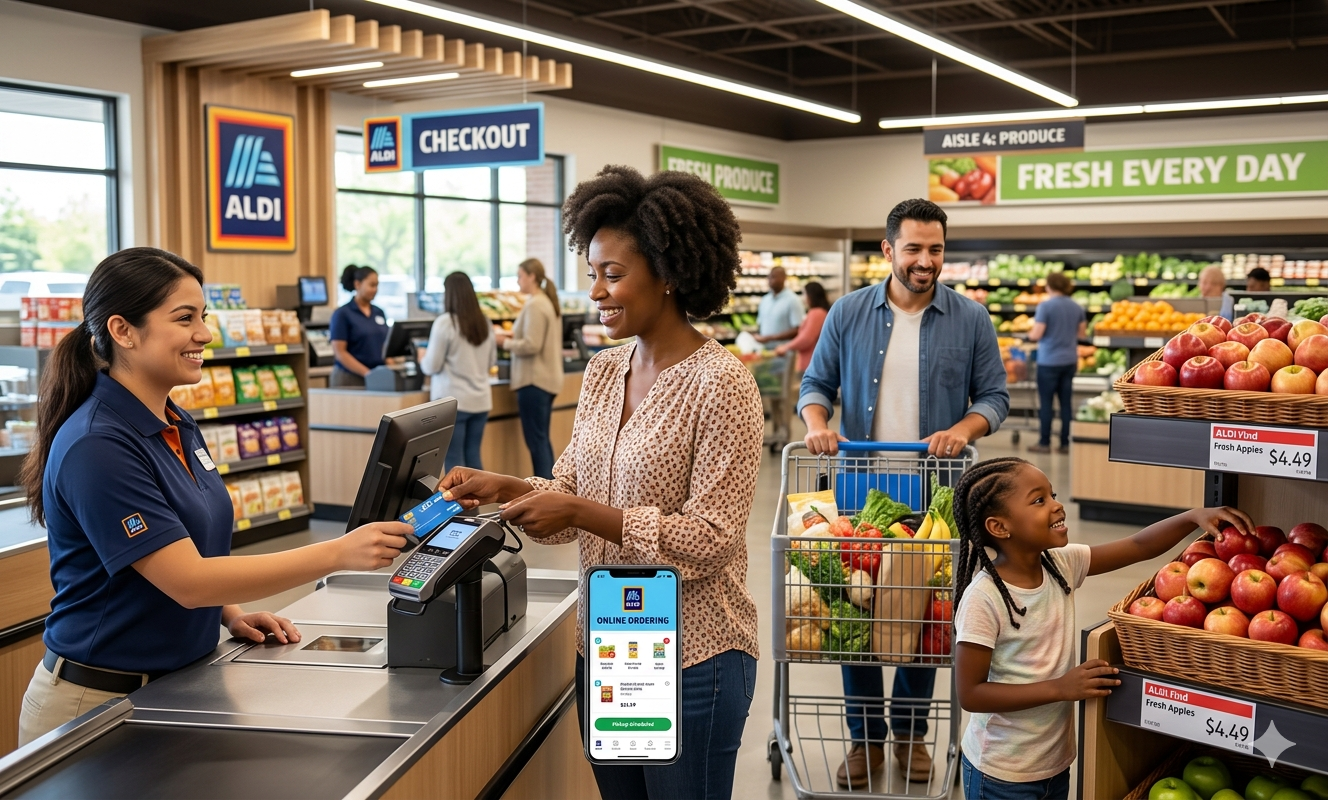
The Supplemental Nutrition Assistance Program (SNAP) is a vital federal assistance initiative aimed at alleviating food insecurity among low-income individuals and families. Established to provide nutritional support, SNAP plays a crucial role in ensuring that beneficiaries have access to healthy food options. This program, formerly known as food stamps, allows eligible households to purchase food from authorized retailers using an Electronic Benefits Transfer (EBT) card.
Eligibility for SNAP benefits primarily depends on several factors, including household size, income, and expenses. To qualify, an applicant’s income generally must fall below a specified threshold that is adjusted according to the federal poverty guidelines. In addition to income, SNAP evaluates applicants based on their assets and certain expenses, such as housing and childcare costs, which can affect the overall determination of eligibility.
The types of assistance provided by SNAP vary but primarily include monthly benefits that can be used to buy food products, beverages, and some seeds and plants for home food production. SNAP benefits are intended to supplement a household’s food budget, helping to ensure that recipients can maintain a nutritionally adequate diet. Moreover, participants can utilize these benefits at many grocery stores, farmers’ markets, and online retailers, further expanding their options for obtaining nutritious foods.
Beyond financial aid, SNAP also promotes comprehensive support through various programs aimed at enhancing food security in vulnerable populations. For instance, SNAP-Ed offers nutrition education to help beneficiaries make informed food choices, while the program continually seeks improvements to better serve communities facing challenges with poverty and health disparities. Ultimately, SNAP benefits embody a crucial resource, addressing immediate nutritional needs while fostering sustainable food security in low-income households.
How to Access Your State’s Application Portal
When seeking to apply for Supplemental Nutrition Assistance Program (SNAP) benefits, navigating the online application process can vary significantly by state. Each state maintains its own distinct online portal, designed to facilitate users in applying for assistance tailored to their unique needs.
For residents of New York City, the portal nyc.gov/accesshra is specifically designated for those applying for SNAP. This site provides a user-friendly interface where applicants can create accounts, check their eligibility, and submit their applications efficiently.
Broader coverage across New York State is offered through mybenefits.ny.gov. This versatile platform not only caters to SNAP but also encompasses other public benefit programs, allowing users to apply seamlessly while assessing their eligibility for various services.
In Texas, individuals can access SNAP benefits through yourtexasbenefits.com. This online portal is tailored to assist Texan residents in managing their benefit applications and accessing resources related to other assistance programs as well.
California’s residents should refer to benefitscal.com for their SNAP needs. This site focuses on ensuring that users can navigate through applications with clarity, offering comprehensive guidance and resources for prospective applicants.
Lastly, Tennessee residents can utilize the DHS Customer Portal to access SNAP services. This portal offers a straightforward approach for residents looking to apply, check their status, or manage their benefits.
Understanding how to locate and navigate these individual state portals is crucial for a smooth application process. Each site is designed with features to enhance user experience, ensuring that applicants can efficiently apply for SNAP benefits in their respective states.
Step-by-Step Guide to Completing the Online Application
Completing the online application for SNAP (Supplemental Nutrition Assistance Program) benefits can streamline the process of obtaining assistance. To ensure a successful application, it is essential to be prepared and aware of the required steps.
First, access the official SNAP website or a state-specific portal to begin your application. Before starting, gather all necessary documentation which may include proof of identity, income statements, and any savings or asset documentation. Having these documents ready not only facilitates the application process but also helps prevent delays caused by missing information.
Once you are on the application page, you will typically need to create an account or log in if you are returning to complete your application. Follow the prompts carefully. The application will ask for various personal details, including your household size, income details, and expenses. It is crucial to ensure all information is entered accurately. Double-check figures, and if necessary, have someone review your entries before submission. Common errors include misreported income or unlisted household members, which can lead to application denial or delays.
While the application is designed to be user-friendly, you should expect to dedicate about 30 to 45 minutes to complete the process. Take your time to navigate through each section, providing as much detail as possible. Additionally, most states allow you to save your progress, should you need to take a break or gather more information.
After filling out the application, carefully review all sections. Once satisfied, submit the application. You should receive confirmation of submission within a few minutes and potentially information about the next steps, such as an interview or additional documentation that may be needed. By following these steps and adequately preparing, you can effectively navigate the online application for SNAP benefits.
Post-Submission Process and What to Expect Next
After submitting your application for SNAP benefits, it is important to understand the subsequent steps involved in the process. One of the first actions taken by the administering agency is to schedule an interview, typically conducted via phone. This interview is a vital part of the process, as it allows caseworkers to gather additional information and clarify details regarding your application.
During this interview, applicants may be asked questions related to their household composition, income, and expenses. It is crucial to provide accurate information, as this will determine eligibility for benefits. Furthermore, applicants should be prepared to offer verification documents to substantiate the details given during the interview. Common documents include proof of identity, income verification, and rental agreements. Having these documents readily available can expedite the processing of your application.
It is important to note that federal law mandates that SNAP applications be processed within 30 days from the date of submission. This timeline is designed to ensure that applicants receive the assistance they need promptly. In cases where households demonstrate an urgent need, there is an expedited processing option available. For qualifying households facing immediate food insecurity, SNAP benefits can be processed in as little as 7 days, allowing for quicker access to necessary resources.
Being aware of these timeframes and requirements can help applicants navigate the post-submission phase more effectively. It is advisable to follow up if you have not received communication regarding your interview or the status of your application. Maintaining clear and consistent communication with the local SNAP office can facilitate a smoother transition through this process, ensuring that all necessary steps are completed on time.