$120 per child for summer groceries. 2026 benefit levels, state issue dates, and how to protect your EBT card from theft. Updated June 2026.
As of June 11, 2026, the Summer EBT program is ACTIVE and issuing benefits across the United States. If you have school-aged children, you could receive $120 per child to buy groceries this summer . This is not a rumor, and you do not need to pay a fee to apply.
“Are my kids eligible?” If your children get free or reduced-price school lunches, or if your household receives SNAP, TANF, or Medicaid, you are likely already enrolled . However, if you received a card in the mail, you must activate it immediately —scammers are actively stealing summer benefits in several states right now .
Current Benefit Amount:$120 per eligible child for the entire summer (48 states & D.C.) .
Higher Amounts: Alaska ($162–$252), Hawaii ($189), Territories ($180) .
Eligibility: Children in households receiving SNAP, TANF, Medicaid, or free/reduced-price school meals.
Application Status: Open. Automatic enrollment for most. Deadlines vary by state (e.g., NYC deadline is September 8, 2026) .
Critical 2026 Update: Arkansas requires mandatory PIN resets due to active fraud. If you have a card, change your PIN now .
What’s Changing in Summer EBT 2026
While the base benefit remained stable, the rules around security and timing have shifted significantly this year. Here is the breakdown.
Federal Updates (The Numbers)
Benefit Amount Unchanged for Most: Despite inflation, the 48 contiguous states and D.C. will still receive **$40 per month** ($120 total) per child. The USDA calculated a 0.49% cost adjustment, which was too low to round up to $41 .
Higher Payments in Alaska & Hawaii: Due to the high cost of food in 2026, Alaska families will receive $162 to $252 (depending on region), and Hawaii will receive $189 per child .
Permanent Program Status: Summer EBT is no longer a “pilot.” It is a permanent, federal law program for 2026 .
State-Specific Shifts (When you get paid)
Colorado: Benefits begin rolling out in May 2026. If you kept your card from last year, they might reload the same card .
Nebraska: Applications opened in April. You can apply online now, and approvals take about 5 business days .
New York City: Benefits will be issued starting June 2026. You have until September 8, 2026 to apply .
Arkansas (Urgent): Due to a massive fraud outbreak in late May 2026, the state is forcing all users to reset their PINs before the card will work .
Upcoming Deadlines
Fraud Protection: If you live in Arkansas, you must reset your PIN immediately via the call line (1-800-997-9999) .
School Data Submission: Schools had to submit student data by February 2026 for automatic enrollment. If you missed that window, you must apply manually via your state agency.
Eligibility Dashboard (Do your kids qualify?)
This program is for school-aged children (usually K-12). You do not need to be a U.S. citizen for your child to qualify, though the child must meet income or program requirements.
Eligibility Pathway
How It Works
Do You Need to Apply?
SNAP / TANF / FDPIR
Household receives food stamps or cash assistance.
No. Automatic enrollment .
Medicaid
Child is on income-based Medicaid (up to 185% of poverty level).
No. Automatic enrollment .
Free/Reduced Lunch
Child qualifies for school meals.
No. School shares data with state .
Foster / Migrant / Head Start
Child is in foster care, migrant status, or Head Start.
No. Usually automatic.
Non-Assisted Low Income
You did not receive benefits, but your income is low.
YES. You must apply directly to your state .
Reality Check: Homeschooled children are generally not eligible for Summer EBT unless they were specifically certified for free/reduced meals through a public school district .
Payment & Value Guide (How much will you actually get?)
The benefit is a lump sum for the entire summer, not a monthly reload. You generally have 120 days to spend the money once it hits your card, or it may be expunged (taken back).
Standard Family (48 States): A family with 3 school-aged children receives **$360** for the summer ($120 x 3) .
Alaska Family (Rural 2): A family with 3 children receives **$756** ($252 x 3) .
Hawaii Family: A family with 3 children receives **$567** ($189 x 3) .
NO: Hot prepared food (like a deli rotisserie chicken), pet food, alcohol, cigarettes, household supplies, or medicine .
The “Red Tape” Section (How to get the money)
Do not pay for this application. Summer EBT is free. Anyone asking for a credit card is a scammer.
Step-by-Step Instructions
Step 1: Check Automatic Enrollment Look at your mail. If you are on SNAP/Medicaid, the card is likely coming automatically. If you moved recently, update your address with your state benefits office immediately .
Step 2: Apply (If not automatic)
Where: Go to your state’s Department of Human Services (DHS) or Department of Education website. Look for “Summer EBT” or “SEBT.”
Documents: You will need your child’s name, date of birth, school name, and your household income (pay stubs).
Time: Nebraska processes applications in 5 business days.
Step 3: The Card Arrives It will look like a debit card. It may say “Summer EBT” or just have your state’s logo. Keep this card. Some states reload the same card for summer 2026 .
Step 4: Set a STRONG PIN (Urgent)
Call the number on the back of the card.
Do not use 1234, 0000, or your birth year.
Arkansas Residents: You must enter “0000” for the SSN field when prompted, then the child’s DOB, then set a new PIN .
SECURITY WARNING: The “Summer EBT Theft Wave” of 2026
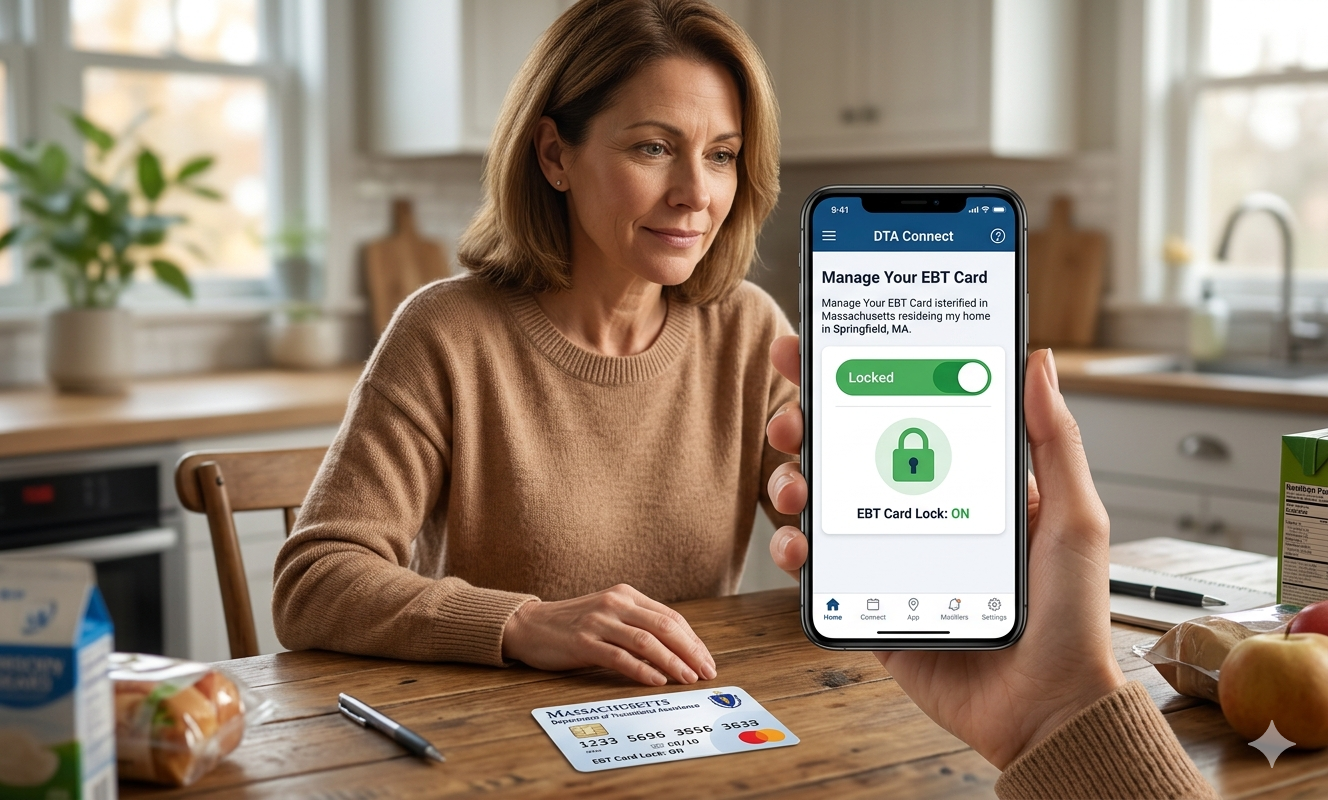
Don’t Get Scammed: Right now, as you read this, scammers are draining Summer EBT cards in New York, New Jersey, Massachusetts, and Pennsylvania . The Arkansas DHS reported that benefits are being stolen out-of-state by fraudsters.
Scam Portal: You receive a text message saying “Your $120 Summer EBT is ready. Click this link.” The government does not text you links..
Red Flags (Stop immediately)
“Processing Fees”: Any website asking for $1.99 to “verify” your card is a skimmer.
Asking for your PIN: DHS will never call or text asking for your PIN. If someone calls and says “I am from the government, what is your PIN?” – hang up .
The Generic Card: Scammers are using AI to build fake “USDA” portals that look real. If the URL has a typo (.org, .net) or no “https”, leave.
Where to Report (If your money is stolen)
First: Immediately call the number on the back of your card to freeze it.
Second: File a police report (you need this for evidence).
Important Note: In 2026, most states (like Arkansas) are not authorized to replace stolen Summer EBT funds because they are federal block grants. Protect your PIN to avoid loss .
Financial & Policy Context (Why is this happening now?)
Summer EBT was made permanent in late 2024, but 2026 is the first year we are seeing massive fraud targeting these specific cards.
The Problem: Summer EBT cards are often sent to families who aren’t used to having EBT cards. Scammers know this. They send phishing texts that look like “USDA Alerts” to trick parents into handing over the card number.
The 2026 Fix:
Chip Cards: Arkansas is moving to chip-enabled cards (like credit cards) by the end of July 2026 to stop skimming .
Mandatory PIN Resets: States are forcing resets to kick scammers out of accounts .
Economic Context: With the 2026 COLA adjustments on other benefits being modest, this $120 per child is a critical bridge for families facing high grocery inflation. Do not leave this money on the table.
FAQ Section (Real Questions, Real Answers)
Q: Will working part-time hurt my child’s Summer EBT eligibility? A: No. Summer EBT looks at school meal eligibility or SNAP/TANF status, not your weekly paycheck fluctuations. If you already have the card, working more hours won’t stop the summer payment unless you lose SNAP entirely before June.
Q: What if I miss my renewal deadline? A: For Summer EBT, the deadline is specific to your state. For example, NYC’s deadline is September 8, 2026. If you miss it, you lose the 2026 benefit. Set a calendar reminder.
Q: Can I get this if I’m not a U.S. citizen? A: The child does not need to be a citizen. If the child is a qualified alien (green card, refugee, asylee) or a U.S. citizen child in a mixed-status household, they are eligible. Undocumented children are generally not eligible for federal SNAP/Summer EBT.
Q: Does Summer EBT count against the public charge rule 2026? A:No. The public charge rule looks at cash benefits (SSI, TANF) or long-term institutional care. Summer EBT is a food benefit (like SNAP) and is safe to use. It will not hurt a green card application.
Q: How do I appeal a denial? A: If you applied and got rejected, you have the right to a fair hearing. Call your state’s Summer EBT hotline and ask for a “Request for Fair Hearing” form. You usually have 90 days from the date of the denial letter.
Q: What’s the difference between Summer EBT and P-EBT? A: P-EBT (Pandemic EBT) is over. Summer EBT is the permanent replacement. It works the same way ($120 for summer), but it is not tied to COVID-19 school closures.
Q: I lost my card. Can I get a replacement? A: Yes. Call your state’s EBT customer service number immediately to report it lost and freeze the account. They will mail a new card, but it may take 7–10 business days. Your old balance will transfer.
$120 per child is available right now to help you buy groceries this summer. Most families are already enrolled and just need to activate their card. However, the number one threat is fraud.
Your urgent action plan: If you have a Summer EBT card, call the number on the back right now and change your PIN to a number nobody can guess. If you don’t have a card but think you qualify, go to your state’s .gov website today and apply. The money is there—you just have to claim it safely.
Summer EBT Benefits
Summer EBT (Electronic Benefits Transfer) is a crucial federal program designed to assist low-income families during the summer months when school meals are not accessible. The program aims to alleviate the financial burden faced by these families, ensuring that children have access to nutritious food even when they are away from the school lunch program. By providing additional resources, Summer EBT helps to combat food insecurity, which can become particularly pronounced during the summer when children typically rely on free or reduced-price meals provided through their schools.
The program’s intent extends beyond merely providing financial aid; it is also about empowering families to make healthier food choices. By ensuring that families receive adequate support during the summer, the Summer EBT program plays a pivotal role in fostering food security and promoting the health of children from low-income households.
Eligibility for Summer EBT benefits typically extends to families with children who qualify for free or reduced-price meals during the school year. As the program continues to evolve, initiatives are in place to ensure that the most vulnerable populations receive the assistance they need. It is imperative for eligible families to stay informed about the benefits available to them, especially during the summer months when the demand for food assistance dramatically increases.
Understanding the $120 Per Child Benefit
The Summer Electronic Benefits Transfer (EBT) program is a crucial federal initiative aimed at addressing food insecurity among children during the summer months when school meals are not available. For the year 2026, families can expect a benefit of $120 per child. This monetary assistance is designed to help families purchase nutritious food, ensuring children continue to receive essential meals when school is out.
The calculation of the $120 benefit is based on several factors, including the federal guidelines for free or reduced-price school meal eligibility. Essentially, the benefit serves as a supplement to existing food assistance programs, aiming to fill the funding gap that can arise when school meal programs are unavailable. Families must meet specific criteria to be eligible for this assistance; typically, this includes participation in other federal assistance programs such as the Supplemental Nutrition Assistance Program (SNAP) or meeting income thresholds defined by the federal poverty guidelines.
Families qualifying for the Summer EBT program can access these benefits through a designated EBT card, which is issued to eligible households. The funds can be used at most grocery stores and supermarkets that accept EBT payments, allowing families the flexibility to purchase various essential food items. It is imperative that beneficiaries use these funds for their intended purpose: to enhance their children’s nutrition. Proper usage of the Summer EBT benefit contributes positively to the overall health and well-being of children, ensuring they have access to the food they need during the summer months.
State-by-State Timing and Distribution
The Summer Electronic Benefits Transfer (EBT) program is designed to assist families with children who typically receive free or reduced-price meals during the school year. As we look towards the distribution of Summer EBT benefits in 2026, it’s essential to understand the timing and methods of distribution that vary significantly from state to state. Each state has tailored its approach to accommodate local needs and logistics.
For instance, in California, families can expect their Summer EBT benefits to be distributed via electronic transfer directly onto existing EBT cards during the last week of June. New York, on the other hand, initiates its distribution slightly later, rolling out benefits in early July to allow families ample time for planning.
Midwestern states, like Ohio, often utilize a staggered distribution model, where benefits are issued based on the last digit of the recipient’s case number, typically spread out over several days in mid-July. Conversely, Texas has established a more streamlined approach, enabling families to receive benefits in one lump sum by July 15th, ensuring immediate access to funds.
Lastly, it is vital for parents and guardians to stay informed through their state’s Department of Human Services or the equivalent agency. This transparency in communication is crucial as it helps alleviate any concerns surrounding potential delays and ensures families can budget effectively. Additionally, given the reported incidents of scams targeting EBT benefits, households should also verify that their information, including PIN numbers, remains secure prior to the distribution dates.
Ultimately, understanding the state-by-state timing and distribution schedule will empower families to better prepare for receiving the Summer EBT benefits efficiently. Parents and guardians can take advantage of this financial support, which plays a critical role in alleviating food insecurity during the summer months.
Recent Alerts on Scams Targeting EBT Recipients
The increasing reliance on Electronic Benefits Transfer (EBT) systems for government assistance programs has not gone unnoticed by malicious entities. As the 2026 Summer EBT program rolls out, recipients are cautioned about a surge in fraudulent activities targeting their benefits. Scammers have become increasingly sophisticated, employing various deceptive tactics to exploit vulnerabilities within the EBT framework.
One prevalent method used by scammers is phishing, where individuals are contacted by phone, email, or text messages pretending to be official representatives. They may claim that the recipient must reset their EBT PIN to avoid losing benefits or might present a lure, suggesting that an urgent account verification is necessary. Recipients are often directed to unofficial websites or asked to provide personal information, putting their benefits and personal information at serious risk.
Another tactic involves impersonating local government officials who might claim the need for updated personal verification as a prerequisite for continued EBT benefits. Fraudsters can employ convincing scripts and even spoof legitimate numbers, making it challenging for individuals to discern the authenticity of the communications. This often leads recipients to unwittingly comply and disclose sensitive information.
Moreover, social media platforms are increasingly being utilized to spread misinformation regarding EBT benefits. Scammers often share links to fake websites or posts that contain misleading information regarding eligibility and benefit amounts. This form of deception not only misguides recipients but may also result in financial loss as individuals seek to rectify perceived discrepancies.
To combat these fraudulent schemes, it is crucial for EBT recipients to stay informed about the nature of current scams and adopt protective measures, such as resetting their PINs regularly and avoiding sharing personal information. Awareness and vigilance are key in safeguarding against these increasing threats.
How to Protect Your Benefits from Scams
As recipients of the Summer EBT 2026 benefits, it is essential to remain vigilant against potential scams. With the announcement of $120 per child in benefits, scammers may attempt to exploit this situation by trying to steal personal information or benefits. To safeguard your benefits, it is crucial to adopt several preventative measures.
Firstly, regularly changing your EBT PIN is one effective step to enhance security. A strong, unique PIN that is difficult for others to guess can deter unauthorized access to your account. Avoid using easily obtainable numbers, such as birthdates or sequential digits. It is advisable to change your PIN periodically, particularly after receiving new benefits.
Another important precaution is to recognize and report suspicious communications. Scammers typically use various methods, including emails, phone calls, or text messages, pretending to be from state agencies or EBT service providers. Always verify the identity of the person or organization contacting you. If you receive messages requesting personal information, do not respond until you have confirmed their legitimacy through official channels. Trustworthy organizations will never ask for sensitive details through insecure communication methods.
Furthermore, consider utilizing multifactor authentication when available. This adds another layer of protection by requiring additional verification beyond just your password or PIN. By increasing the difficulty of unauthorized access, you can protect your benefits from potential threats.
Finally, educate yourself and others about common scams targeting EBT recipients. Understanding the types of scams prevalent in the community can increase awareness and help recognize potential dangers promptly. Your proactive approach in securing your benefits not only protects your finances but also ensures the program continues to serve those in need effectively.
Resetting Your EBT PIN: Step-by-Step
Resetting your EBT PIN is a crucial step you need to take to ensure the security of your benefits, especially in light of increasing scams. Depending on your state or the administering agency, the process for resetting your EBT PIN may vary slightly. Below is a general step-by-step guide that you can follow.
Step 2: Call the Customer Service Number Dial the customer service number. Be prepared to provide personal information to verify your identity, such as your EBT card number, the account holder’s name, and possibly other identifying information such as your Social Security number.
Step 3: Follow the Automated Prompts Once connected, follow the automated prompts carefully. You will be guided to options related to PIN management. Select the option for resetting your PIN.
Step 4: Create a New PIN After selecting the reset option, you will be prompted to enter a new PIN. Choose a secure PIN that is not easily guessable and avoid using common numbers like dates of birth or simple sequences.
Step 5: Confirm Your New PIN You will need to re-enter your new PIN to confirm it. Make sure you take note of it in a secure place to avoid future issues.
Some states may also provide the option to reset your PIN online through their EBT website or through a mobile app. If you prefer this method, ensure you have account access credentials handy. This step-by-step guide should assist you in effectively resetting your PIN to safeguard your benefits.
Many states have dedicated EBT customer service helplines that recipients can contact for assistance. These helplines can help with questions regarding benefits, card activation, and balance inquiries. Additionally, if EBT beneficiaries suspect fraudulent activity or issues with their accounts, they should promptly report these concerns to their state’s fraud hotline. Timely reporting can help prevent further loss of benefits and ensure recipients safeguard their accounts adequately.
For more detailed and personalized support, recipients can also reach out to their local social service departments. Many of these offices offer consultations and resources to help EBT recipients navigate their benefits effectively. By utilizing these resources, recipients can better manage their benefits, receive necessary assistance, and improve their overall quality of life.
Expert Insights on the Future of EBT Programs
The future of Electronic Benefits Transfer (EBT) programs is a subject of significant interest among policymakers, advocates, and economists alike. As the reliance on food assistance programs continues to grow, particularly in light of recent economic challenges, experts project a number of potential changes and enhancements to EBT systems in the years to come. One prominent consideration is the need for improved technology integration that can streamline access for beneficiaries while maintaining strong security protocols against fraud and abuse.
Moreover, there is a growing emphasis on the potential for EBT systems to incorporate a wider range of nutritional support initiatives. These might include partnerships with local farmers or grocery stores to enable beneficiaries to utilize benefits for fresh produce and healthy food options. Such programs not only aim to improve dietary health among recipients but also foster local economies by supporting community businesses.
As policymakers deliberate these changes, it remains crucial for stakeholders to engage in constructive dialogue about the best strategies to combat food insecurity effectively. Continuous assessment of the policies surrounding EBT programs will be essential to adapt to changing social needs, ensuring the system remains resilient and responsive in times of crisis.
Conclusion and Call to Action
In light of the recent developments regarding the Summer EBT program for 2026, it is imperative for recipients to be aware of both the benefits and the potential threats that accompany this assistance. As it stands, $120 per child is being issued to help families manage expenses during the summer months. Unfortunately, this increase has also attracted the attention of scammers who are looking to exploit recipients.
To safeguard your funds, the first step is to reset your Personal Identification Number (PIN) associated with your EBT card. This action is crucial to preventing unauthorized access to your benefits. Additionally, staying informed about common scams will empower you to recognize and report suspicious activities promptly. Ensuring that you are familiar with the legitimate channels of communication for your state’s EBT program can further mitigate risks.
We encourage readers to share this vital information with friends, family, and community members who may be receiving Summer EBT benefits. Collaboration and communication within communities can help protect those who might be unaware of the risks and the necessary precautions that should be taken. By actively discussing these concerns, we can ensure that families receive the support they need without falling victim to fraudulent schemes.
In summary, being proactive is essential to defending your benefits. By resetting your PIN and sharing information about current scams, you play a pivotal role in securing the Summer EBT assistance intended for the welfare of families. Stay vigilant and informed, and encourage others to do the same.