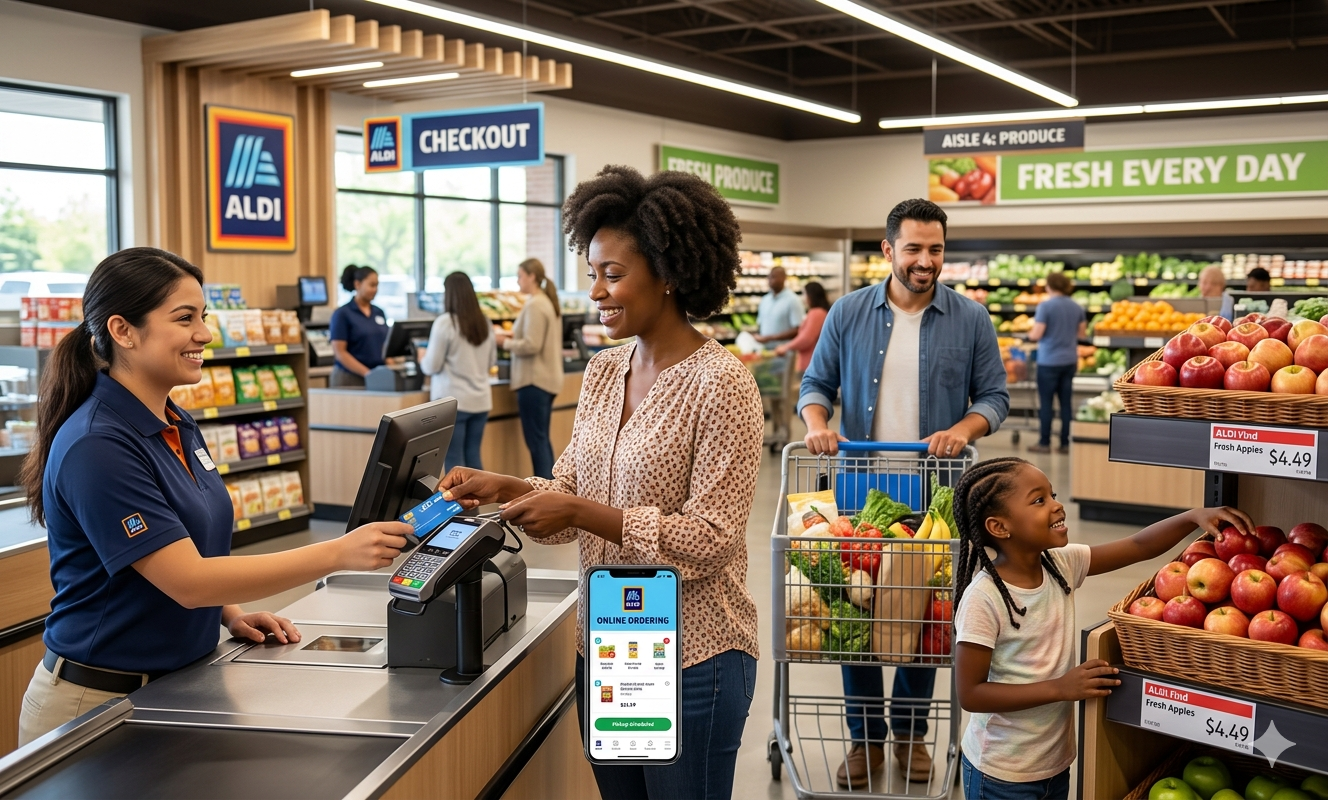
The Supplemental Nutrition Assistance Program (SNAP), formerly known as food stamps, serves as a critical safety net for individuals and families facing food insecurity. This federal assistance program aims to reduce hunger and improve nutrition among eligible low-income households. By providing monthly benefits that can be used to purchase food, SNAP facilitates access to essential nutrition, particularly during challenging economic times.
SNAP operates under the premise that nutrition is a fundamental need, allowing participants to buy a variety of food items, including fruits, vegetables, dairy products, meat, and packaged goods. The program not only addresses immediate food needs but also promotes healthier eating habits by encouraging the purchase of nutritious foods.
Eligibility for SNAP benefits hinges on several factors, primarily household income and size. To qualify, households must meet specific income thresholds that are adjusted annually to reflect changes in the cost of living. The criteria also take into account certain expenses, such as housing and childcare costs, which may influence a household’s net income. Furthermore, additional considerations include citizenship status and work requirements for able-bodied individuals without dependents.
SNAP is vital in combating food insecurity, which affects millions of Americans across diverse communities. It plays an essential role not only in alleviating hunger but also in supporting local economies, as benefits are often spent quickly in local grocery stores and markets. Consequently, understanding SNAP eligibility income limits is pivotal for potential beneficiaries, ensuring they receive the necessary support to maintain a balanced and healthy diet.
Income Limits for SNAP in 2026
The Supplemental Nutrition Assistance Program (SNAP) plays a crucial role in improving food security for millions of individuals and families across the United States. Understanding the income limits for SNAP eligibility is essential for those seeking assistance. In fiscal year 2026, the income thresholds for SNAP vary depending on household size, with different standards applicable to the 48 contiguous states, Alaska, and Hawaii.
For a household of four residing in the 48 contiguous states, the gross monthly income limit is set at $3,399. This figure reflects the maximum income a household can earn before it is deemed ineligible for SNAP benefits. It is important to note that the net income limit, which takes allowable deductions into account, is significantly lower at $2,620 per month. This means that families earning above the gross income limit may still have their application considered if their net income is within the permissible range.
In Alaska, the income limits are adjusted to account for the higher cost of living. For a household of four, the gross monthly income limit rises to $4,224, while the net income limit is $3,140. Similarly, Hawaii sets its thresholds higher than the continental U.S., with gross monthly income limits established at $3,927 and net income limits of $2,958 for a four-person household. These adjustments aim to ensure that residents in areas with increased living expenses can still access necessary nutrition assistance.
Overall, these income eligibility thresholds for SNAP in 2026 reflect ongoing efforts to adapt to economic conditions and provide support where it is most needed. Understanding these figures is crucial for families seeking assistance to navigate the application process and secure food resources effectively.
Special Considerations for Households with Elderly or Disabled Members
In the context of SNAP eligibility, households that include elderly or disabled individuals have unique income guidelines that distinguish them from the general population. This differentiation is crucial as it acknowledges the specific financial needs of these households and offers a more accommodating pathway for SNAP assistance. Understanding the gross and net income requirements applicable to these groups is essential for effectively navigating the SNAP application process.
The gross income limit refers to a household’s total income before any deductions. For regular households, this limit is typically lower; however, for those with elderly or disabled members, the threshold may be set higher. This adjustment allows such households to qualify for SNAP benefits even if their gross income exceeds standard limits. It is designed to reflect the higher living costs and potential medical expenses faced by these individuals.
On the other hand, net income takes into account allowable deductions from gross income, including expenses such as medical costs for disabled individuals or medical bills for elderly persons. The net income limit is generally lower, and this difference is crucial because it allows households with elderly or disabled members the opportunity to reduce their effective income through these deductions, thereby enhancing their chances of qualifying for assistance.
It is important for households that fall under this category to gather all relevant documentation when applying for SNAP. This includes proof of income, medical expenses, and any other financial information that demonstrates their unique circumstances. By clearly presenting how their income situation aligns with the SNAP guidelines, these households can effectively leverage the available provisions.
Therefore, understanding the nuances of gross versus net income, along with the specific allowances for deductions, can significantly impact the ability of elderly or disabled individuals in a household to access vital SNAP benefits. This consideration is essential for improving food security for some of the most vulnerable populations in society.
Conclusion and Resources for Further Assistance
Understanding the eligibility income limits for the Supplemental Nutrition Assistance Program (SNAP) is crucial for individuals and families seeking financial assistance for nutrition. Throughout this discussion, we have examined the varying income limits based on household size and the guidelines set forth by the USDA. It is essential to keep in mind that these limits may undergo adjustments and can differ by state, reflecting local economic conditions and cost of living.
For those considering applying for SNAP benefits, several resources are available to help navigate the application process. Each state operates its own SNAP program, and as such, income eligibility may vary. State SNAP offices can provide specific details regarding local regulations, application procedures, and any potential changes to income limits as we approach the year 2026.
In addition to state resources, individuals can contact national hotlines for assistance. The USDA’s Food and Nutrition Service offers a toll-free number where applicants can find information and support regarding benefits, eligibility criteria, and more. This can be a valuable resource for questions that may arise during the application process.
As the understanding of SNAP continues to evolve, it is vital for potential applicants to stay informed about necessary requirements and available assistance. Those in need are encouraged to reach out to the appropriate resources to ensure they receive the support they require. By utilizing the information discussed, individuals can take the necessary steps towards securing food assistance and improving their overall well-being.