Electronic Benefit Transfer (EBT) is a system that facilitates the delivery of public assistance benefits, specifically food stamps, directly to eligible individuals and families. Food stamps, formally known as the Supplemental Nutrition Assistance Program (SNAP), serve an essential role in addressing food insecurity among low-income households. EBT simplifies the process of benefiting from these food assistance programs by providing a more efficient and accessible means for beneficiaries to utilize their funds when purchasing food items.
The primary purpose of food assistance programs, such as SNAP, is to ensure that families struggling with limited income have adequate access to nutritious food. The implementation of EBT has transformed how benefits are distributed, moving from traditional paper coupons to a more modern, electronic debit card system. This shift not only streamlines the distribution process but also reduces stigma associated with food assistance and makes it easier for recipients to obtain the necessary nutrition for themselves and their families.
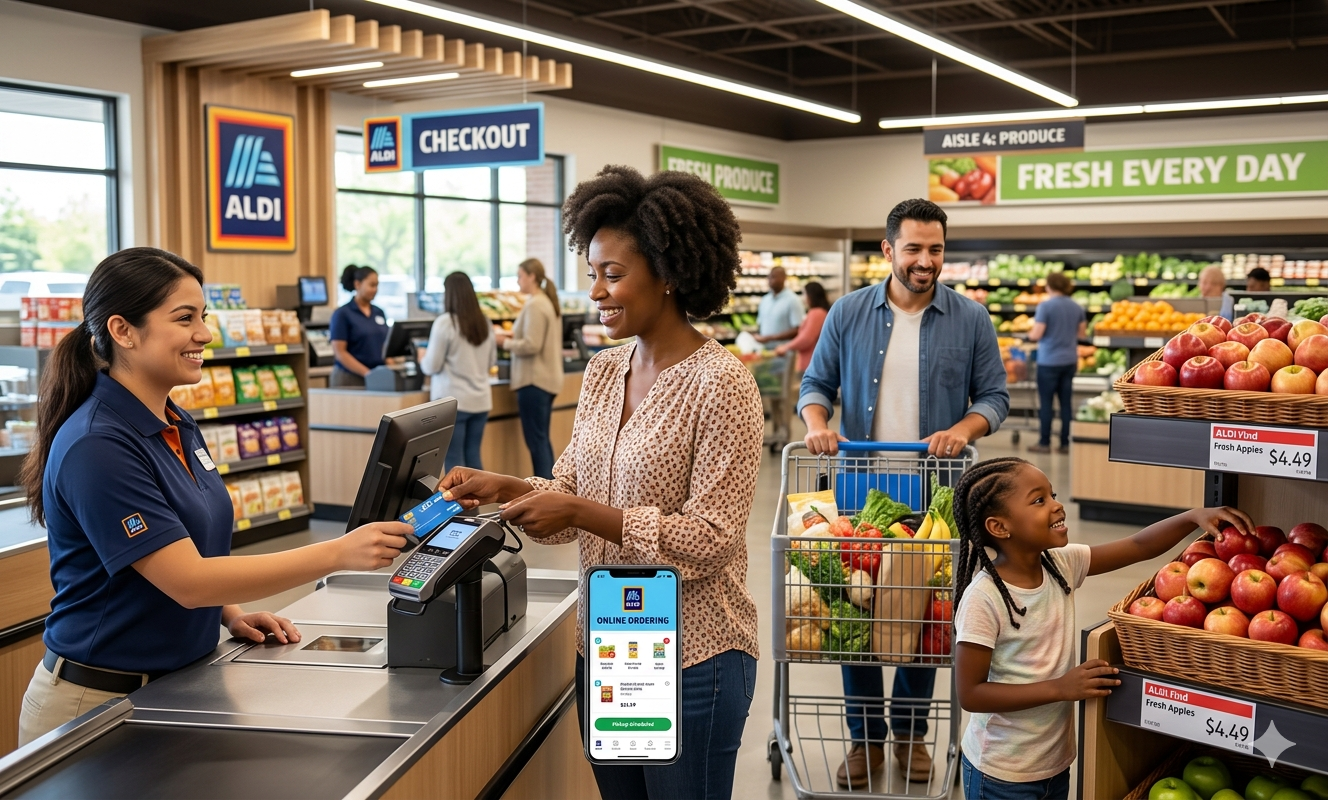
With the EBT system, eligible participants are issued a card that can be used just like a debit card at authorized retailers. Upon purchase, the food stamp benefits are automatically deducted from their balance, allowing for a discreet and convenient shopping experience. Since the funds are preloaded each month based on the household’s qualification, checking the food stamp balance regularly is crucial for recipients to manage their food budget effectively. This involves understanding how much assistance is available, avoiding the risk of running out of benefits before the month ends, and ensuring the effective allocation of resources towards nutritious food options.
Understanding Your EBT Card
The Electronic Benefits Transfer (EBT) card serves as a key tool for individuals who qualify for various government assistance programs, such as the Supplemental Nutrition Assistance Program (SNAP). Upon approval, recipients receive an EBT card that resembles a standard debit card, featuring a unique account number and a personal identification number (PIN) for security purposes. This allows for a seamless and discreet method of accessing benefits that aid in food purchases.
Designed to support low-income families, the EBT card can be used primarily for purchasing food items at participating grocery stores and farmers’ markets. The benefits loaded onto the card can vary depending on individual or family needs and state-specific guidelines. Generally, eligible items include fruits, vegetables, meats, dairy products, and breads. However, it is essential to note that the EBT card cannot be used for purchasing non-food items, alcohol, tobacco, or meal services in restaurants, as these purchases do not fall under eligible expenses.
For new users, it is beneficial to grasp common terms related to EBT usage. Familiarizing oneself with concepts such as “authorized retail locations” and “benefit balance” can facilitate a smoother experience. Authorized retail locations refer to stores that accept EBT payments. Users can also check their benefits balance through state-specific channels, such as online portals, mobile applications, or by contacting customer service. By understanding these basic components of the EBT card and how it operates, new recipients can navigate their food assistance benefits more effectively. Overall, possessing a comprehensive understanding of the EBT card will empower users to make informed purchasing decisions and enhance their food security.
How to Check Your EBT Balance
Checking your EBT (Electronic Benefits Transfer) balance is an essential task for recipients of food stamps, allowing you to manage your benefits effectively. There are several methods available for checking your EBT balance, each designed for convenience and accessibility. Below, we outline the options available to you.
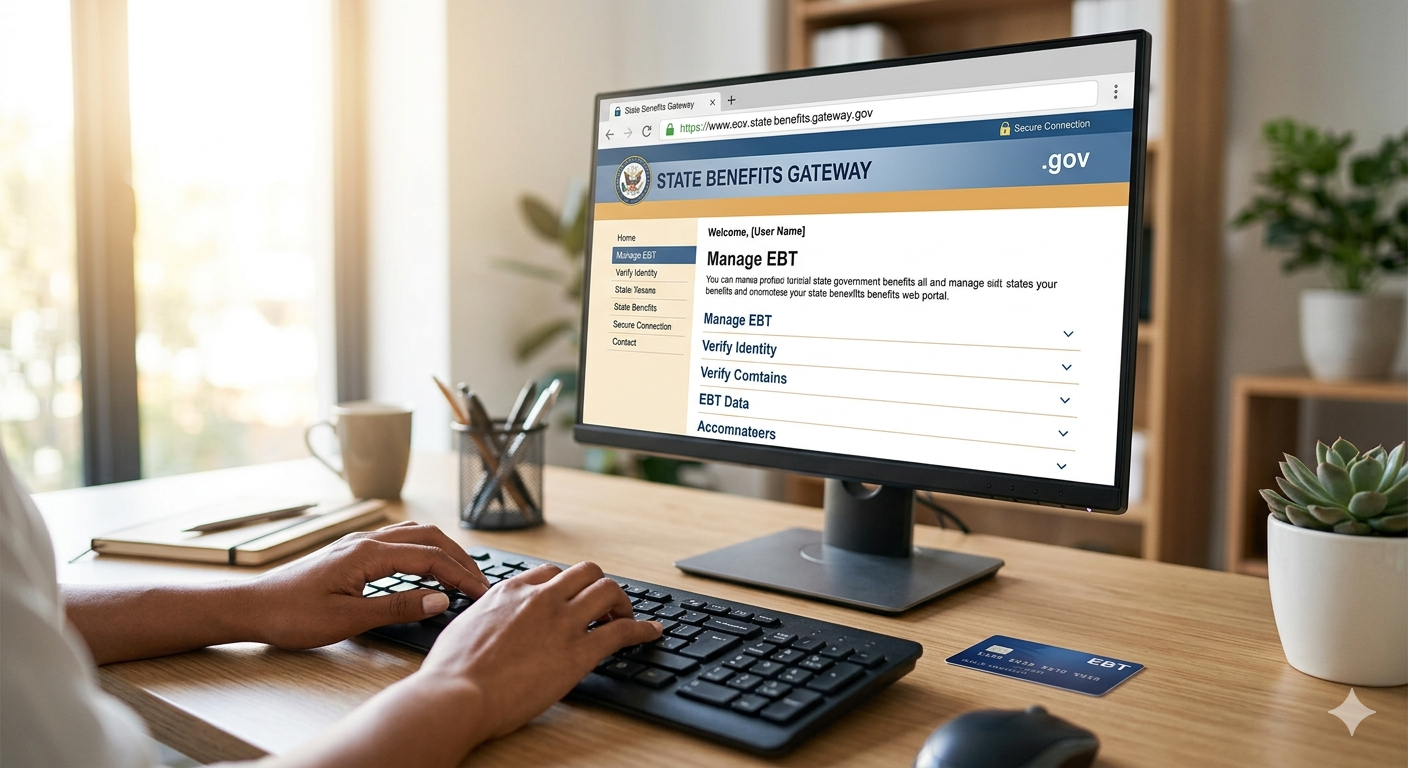
One of the easiest and fastest ways to check your balance is through the official EBT website. Most states provide an online portal where you can log in using your EBT card information. Upon successful login, you will be able to view your current balance and transaction history. It’s strongly recommended to access your balance through this secure platform to ensure the safety of your information.
In addition to online checking, many states also offer mobile applications that can facilitate balance inquiries. These apps are designed for user-friendliness and often include options to track your usage and find local retailers that accept EBT. To use this method, simply download the app provided by your state’s EBT program and follow the instructions to register or log in.
If you prefer to check your balance via telephone, you can call the customer service number listed on the back of your EBT card. This method typically requires you to enter your card number and may redirect you to an automated system that will provide your balance information. While it may take more time than online methods, it is a reliable option for those without internet access.
Lastly, some individuals may choose to check their balance in person. To accomplish this, you can visit your local EBT office or participating grocery stores that accept EBT payments. Cashiers at these locations can often relay your account balance when you swipe your card.
By utilizing any of these methods, you can effectively keep track of your EBT food stamp balance, ensuring that you manage your benefits wisely and avoid any interruptions in service.
Using Online Services to Monitor Your Balance
Many states provide online services that enable Electronic Benefits Transfer (EBT) users to effortlessly monitor their food stamp balance. To utilize these online features, individuals must first create an account through their state’s EBT websites. This typically involves providing personal information such as the recipient’s Social Security number, case number, and the PIN associated with their EBT card.
Once the account is successfully established, users can log in securely to their online portal. It is advisable to employ strong passwords and keep login credentials confidential to protect against unauthorized access.
The online dashboard displays the current food stamp balance prominently, allowing clients to view their available funds instantaneously. Furthermore, these portals typically offer features to review transaction history, which can be useful for budgeting and tracking food expenditures. Users can access a list of recent purchases, adjust their spending habits accordingly, and ensure that they remain within their monthly benefit allowance.
Security is paramount when using online services to manage sensitive information like EBT balances. Most states implement various security measures, including encryption, two-factor authentication, and secure session time-outs to protect users’ data. It is essential for EBT users to remain vigilant, logging out of their accounts after each session and avoiding public Wi-Fi networks when accessing their online benefits.
By taking advantage of these online services, food stamp recipients can maintain better control over their benefits and ensure they make informed purchasing decisions, ultimately enhancing their overall shopping experience.
Mobile Apps for EBT Balance Checking
In the modern age, technology has streamlined numerous processes, including the way beneficiaries manage their food stamp balances through Electronic Benefit Transfer (EBT) systems. Mobile applications have emerged as a convenient solution for checking EBT balances, providing users with a seamless way to access important financial information. Among these applications, several have been developed by state agencies, while others are designed by third-party developers to enhance user experience.
State-specific apps, often issued by the department of social services or similar agencies, are tailored to meet the specific needs of beneficiaries in those states. These official applications typically allow users to check their balance, view transaction history, and update personal information. For instance, states like California and Texas offer official EBT applications that are easy to navigate and provide up-to-date information securely. These state-sponsored apps are ideal for users seeking assurance in functionality associated with their state’s regulations and support systems.
In addition to state-developed apps, several third-party applications are available that can assist in checking EBT balances and managing benefits. These applications often include additional functionalities, such as budgeting tools and grocery lists, allowing users to track their spending more effectively. Some popular options include apps like “Fresh EBT” and “BenefitsCal,” both of which provide clear, user-friendly interfaces that enhance the experience of managing EBT benefits on the go.
To download these applications, users can simply visit the Google Play Store or Apple App Store, search for the desired app, and follow the prompts to install it on their device. Upon downloading, users will need to create an account or log in using their beneficiary credentials to access their EBT account securely. The integration of mobile technology not only simplifies the process of checking balances but also promotes overall financial literacy among users, ensuring they can make informed decisions regarding their food resources.
Common Issues and Troubleshooting
Users may encounter various challenges when attempting to check their EBT balance. Understanding these potential issues is key to resolving them efficiently. A common problem involves difficulties logging into online accounts. Users may forget their passwords or face issues with the username, leading to frustration. In such instances, it is advisable to utilize the ‘Forgot Password’ feature, which can facilitate account recovery through email verification or security questions.
Another issue often reported is related to mobile applications. Some users may experience difficulty accessing the EBT app due to compatibility issues with their device or outdated software. Ensuring that the application is updated to the latest version can often resolve glitches. Additionally, confirming that the device settings allow the app to function correctly is important. If problems persist, uninstalling and reinstalling the app may be necessary to restore functionality.
Misunderstanding the balance information displayed can also lead to confusion. Users may interpret their available balance incorrectly due to delayed transactions or pending deposits not being reflected immediately. It is essential to check the transaction history regularly and ensure that any recent purchases do not affect the balance displayed in real-time.
Furthermore, network connectivity issues can interrupt the process of checking one’s food stamp balance. A stable internet connection is crucial for using online services or mobile applications. If the connection is slow or intermittent, users should consider switching to a different network or checking at a later time. Those who persistently face issues should reach out to the customer service department of their local EBT agency for assistance. The support team can provide detailed guidance tailored to individual circumstances.
What to Do If Your Balance Is Low
Finding that your Electronic Benefit Transfer (EBT) balance is low can be a source of stress and concern, especially when managing your monthly food budget. If you discover that your EBT balance is depleting, there are several proactive steps you can take to address the situation immediately.
The first step is to contact your local office for assistance. The Department of Social Services (DSS) or equivalent agency in your state can provide guidance on your current balance and may be able to offer solutions if your funds are insufficient. This is especially important if you believe there has been an error or if you need temporary support.
In cases where your balance is consistently low, consider reapplying for benefits if you have experienced changes in your circumstances, such as an increase in dependents or a decrease in income. Many states allow individuals and families to reapply at any time, so ensure you are aware of the eligibility criteria and application process for your state. This may help you regain access to the food assistance you require.
Additionally, exploring other government and community resources may provide further options for food assistance. Organizations such as food banks and local charities often offer programs designed to support families facing food insecurity. Many community organizations also have resources for emergency food supplies, which could alleviate some immediate pressure on your EBT funds.
Furthermore, keep an eye on any upcoming programs or initiatives within your state that may offer additional assistance for low-income families. The availability of supplemental nutrition assistance programs can vary greatly, depending on legislative changes and government funding, so staying informed can empower you to make the best decisions for your household.
Updates and Changes in EBT Regulations for 2026
As we progress into 2026, various updates and changes to Electronic Benefits Transfer (EBT) regulations and food stamp programs have emerged, shaping the landscape of food assistance in the United States. These changes are crucial for current and prospective recipients of food stamp benefits, as they can influence eligibility requirements, benefit amounts, and the procedures for checking balances.
One of the significant updates pertains to the eligibility criteria for food stamp programs. In 2026, several states have revised their income thresholds and household composition rules, potentially increasing access for low-income families and individuals. As a result, individuals who may have previously been ineligible can now apply for assistance, which highlights the importance of staying informed about state-specific regulations.
Additionally, benefit amounts may have experienced adjustments due to variations in the cost of living and inflation rates. The U.S. Department of Agriculture (USDA) typically reassesses the Supplemental Nutrition Assistance Program (SNAP) benefits annually, adjusting the maximum allotments based on economic indicators. Individuals already receiving assistance should verify their benefit amounts to ensure they are in line with the current standards.
Furthermore, changes in technology have led to improvements in the EBT checking process. Many states are now implementing user-friendly online portals and mobile applications that streamline the experience of checking food stamp balances. These technological advancements allow beneficiaries to manage their accounts more efficiently, providing immediate access to their current balance, transaction history, and upcoming benefits.
In conclusion, the updates and changes in EBT regulations for 2026 underscore the importance of being aware of modifications to eligibility, benefit amounts, and access procedures. By understanding these developments, beneficiaries can better navigate the food assistance system and utilize the resources available to them effectively.
Conclusion and Additional Resources
In the realm of food assistance, understanding how to check your food stamp balance is crucial for managing your resources effectively. Keeping track of your EBT balance ensures that beneficiaries can maximize their benefits while avoiding potential difficulties in accessing necessary food supplies. Regularly checking your balance helps prevent any last-minute scrambles at the store and enables better budgeting within the constraints of the program.
As outlined in this guide, there are multiple methods available for verifying your EBT balance, including using the EBT card, calling relevant state numbers, and accessing online portals. Each method may differ slightly depending on state regulations and guidelines, so it is essential to familiarize yourself with the specific processes applicable in your area. Compared to handling food stamp inquiries years ago, today’s technologies allow for easier and more immediate access to account information.
For further assistance, there are numerous resources available. The official website of the U.S. Department of Agriculture (USDA) provides comprehensive information about the Supplemental Nutrition Assistance Program (SNAP) and details specific to each state’s EBT system. Additionally, community organizations often offer support, including food banks and local charities that can help answer questions regarding food stamps and their usage. Consider reaching out to local agencies to explore eligibility and benefit options that may apply to your situation.
Ultimately, staying informed and proactive about one’s food stamp balance can significantly enhance the benefits received through the EBT program, ensuring that individuals and families can maintain a healthy and nutritious diet. Exploring the links and resources provided throughout this guide can also afford additional support to enhance your understanding and use of the food assistance program.